
Blog
Release date:Mar 30, 2026
Share:
Modular construction is a modern building method where a project is completed using modules that are manufactured in a factory and then transported to the site for fast assembly. Instead of building everything from the ground up on-site, most of the work happens off-site in a controlled environment, while foundations and infrastructure are prepared in parallel. Once the modules arrive, they are lifted into place, connected structurally and mechanically, and finished to form a complete building that can be temporary, semi‑permanent, or permanent.
For project owners, contractors, and operators, this approach can reduce construction time, increase quality, and make complex projects more predictable, especially in remote or harsh environments. In engineering camps, oil and gas projects, mining sites, and large infrastructure jobs, modular construction has become a key way to deliver accommodation and working facilities at scale.

Although every project is unique, modular construction typically follows a clear, repeatable process.
The project starts with architectural, structural, and MEP design that fully considers the modular grid, standard module sizes, and transport limitations.
Designers define how many modules are needed, how they will connect, and what functions each module will serve (for example, bedrooms, offices, sanitary units, kitchens, or corridors).
Early coordination is crucial because many components, such as wiring, plumbing, and insulation, are completed in the factory rather than improvised on-site.
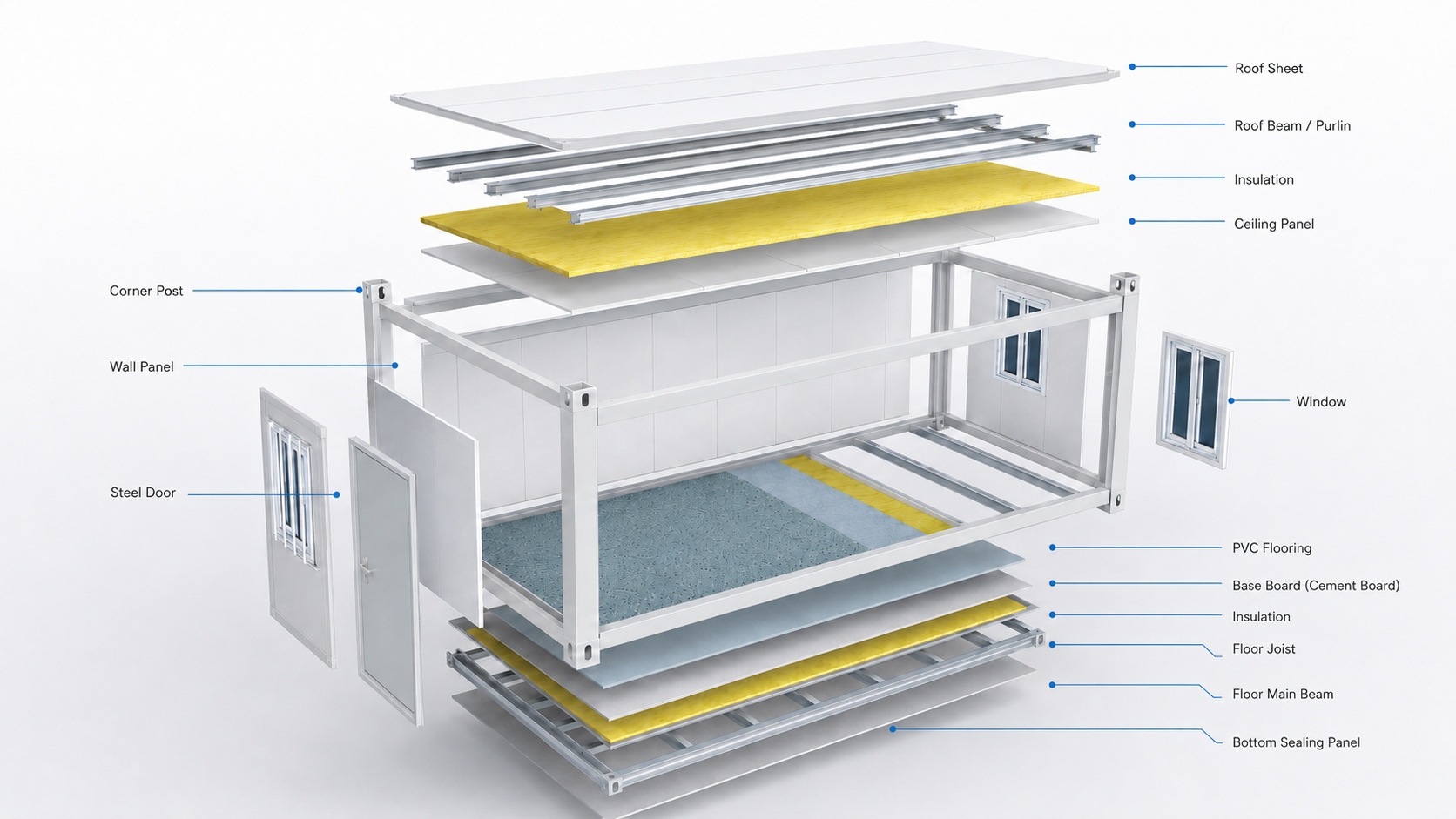
In the factory, steel or other structural frames are produced first, forming the skeleton of each module.
Floors, walls, and roofs are then assembled, insulated, and finished with internal and external panels suitable for the climate and use case (for example, cold‑resistant systems for –50°C regions or desert‑grade systems for high temperatures).
Doors, windows, electrical systems, plumbing lines, and basic fixtures can be pre‑installed in the modules, turning them into almost complete “building blocks” waiting for final connection.
Finished or semi‑finished modules are loaded onto trucks or other transport methods and delivered to the project site.
Transport planning considers module size, weight, road restrictions, and any special handling for long‑distance or cross‑border projects.
On-site, foundations or supporting structures are already prepared while the modules were produced in the factory, which shortens the overall schedule.
Cranes lift the modules into position, stacking and connecting them horizontally and vertically to create the final building layout.
Mechanical, electrical, and plumbing connections are completed between modules, joints are sealed, and interior and exterior finishes are touched up so the building functions as a unified whole.
Because site preparation and off‑site production happen in parallel, total project time can be reduced significantly compared with purely traditional on‑site construction.
Both modular and conventional construction aim to deliver safe, functional buildings, but the way they are delivered is different and leads to distinct advantages in certain scenarios.
Location of work
Traditional construction performs most activities on-site: structural works, wall construction, installation of services, and finishes.
Modular construction shifts a large portion of work into factories, leaving primarily foundations, assembly, and final connections for the site.
Time and scheduling
Conventional projects often follow a strictly sequential timeline: foundation, structure, enclosure, then interior works.
Modular projects allow off‑site production and on‑site foundation work to occur simultaneously, compressing the schedule and enabling earlier occupation.
Quality and safety
Site environments can be exposed to weather, variable labor skills, and changing conditions, which sometimes affect quality.
Modular factories operate with standardized procedures, repeatable processes such as 5S and lean production, and better safety control, leading to more consistent outcomes.
Site impact
Traditional projects require large crews and materials on-site for long periods, creating noise, waste, and disruption.
Modular projects reduce on‑site labor and shorten the high‑impact construction phase, which is critical in live industrial facilities, urban areas, or sensitive environments.
Cost predictability
Conventional projects may face delays, rework, or weather-related interruptions that affect budget certainty.
Modular projects benefit from factory planning and repeatable modules, which support more stable schedules and cost control, particularly for standardized buildings such as camps and offices.
Modular construction is part of a wider family of prefabricated building solutions, which also includes container houses, panelized systems, and light steel structures. Understanding the differences helps owners choose the right solution for each project.
Container house
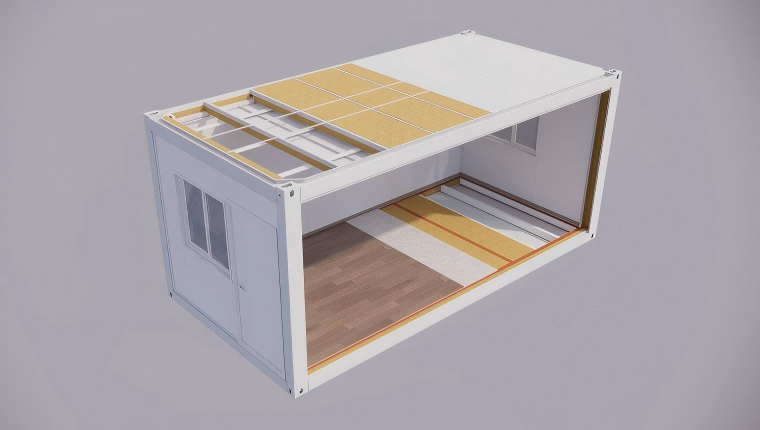
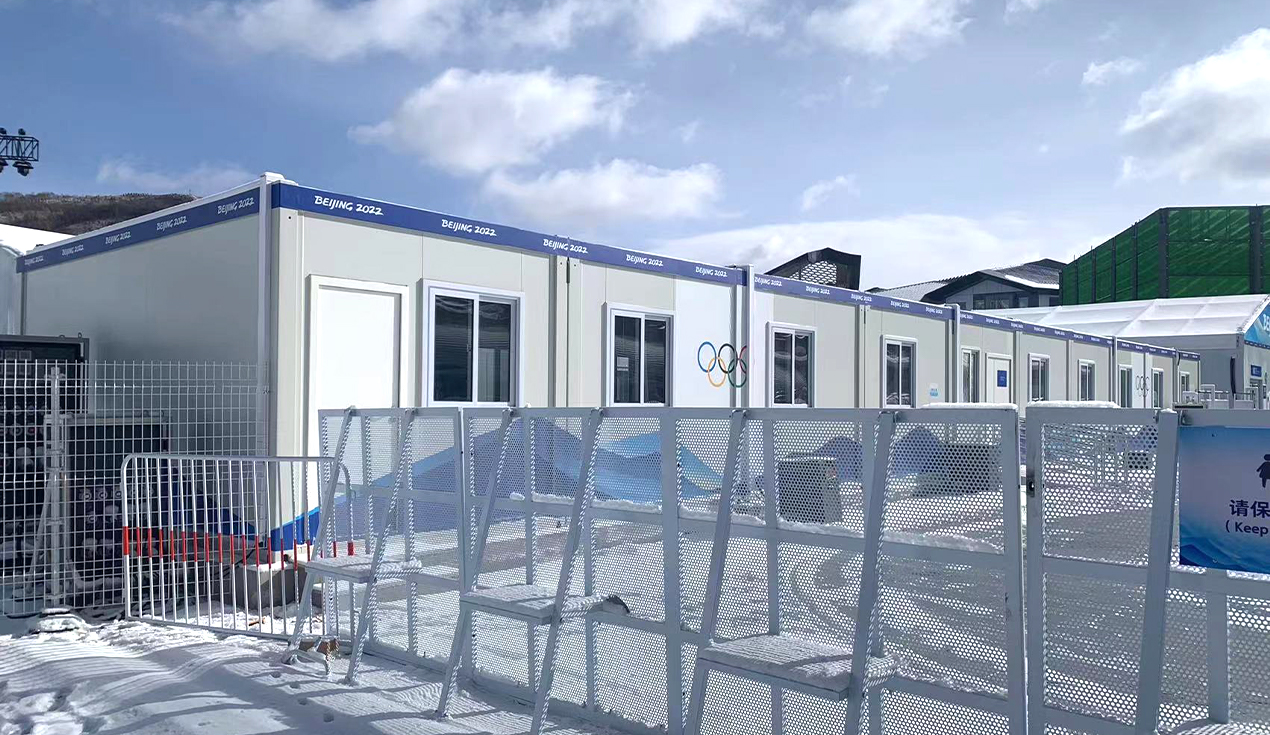
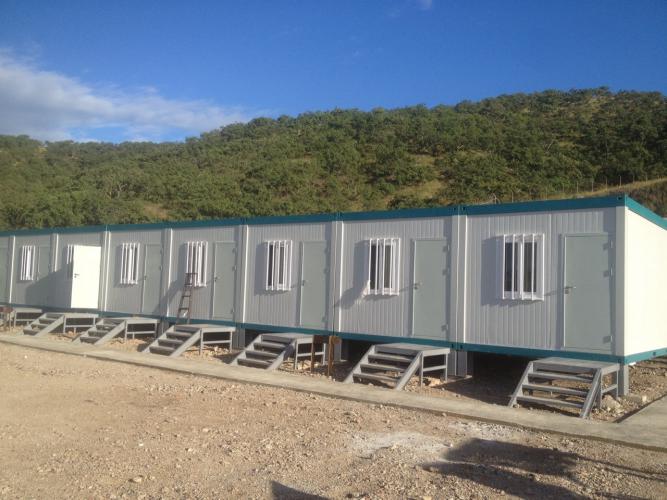
Container houses use container‑like frames (often based on ISO dimensions) as modules, making transport and stacking straightforward.
They are widely used in engineering camps, offices, and temporary buildings because of their standardized dimensions, fast installation, and suitability for repeated relocation.
Panelized / prefab house
Panel systems manufacture walls, roofs, and floors as flat components that are assembled on-site, requiring more in‑situ work than volumetric modules.
They offer flexibility in architectural design but do not deliver the same level of off‑site completion as fully volumetric modules.
Light steel villas and steel structures
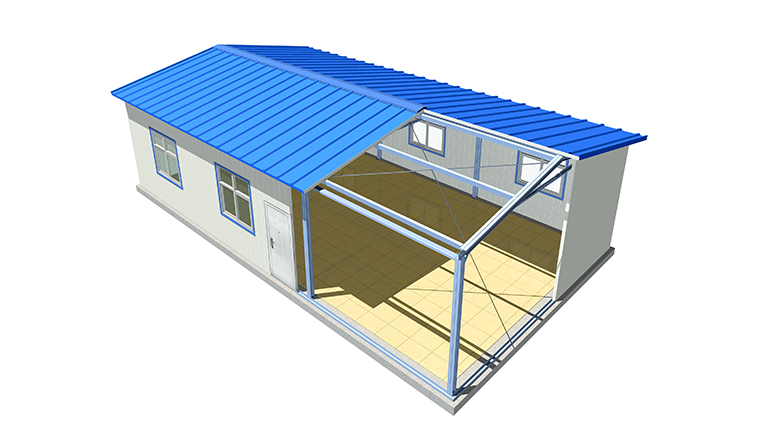
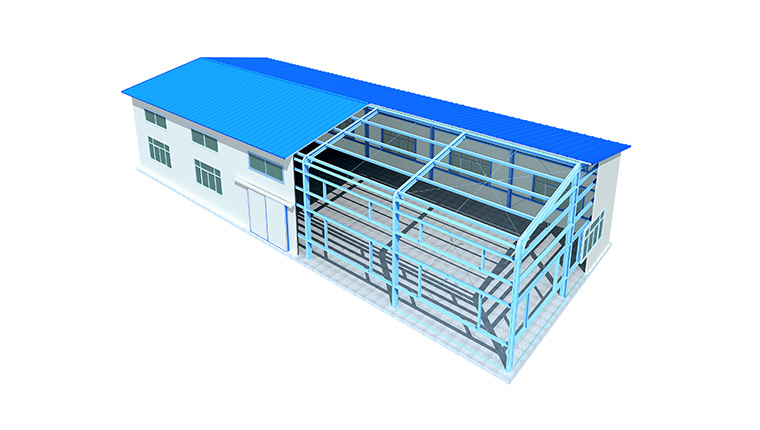
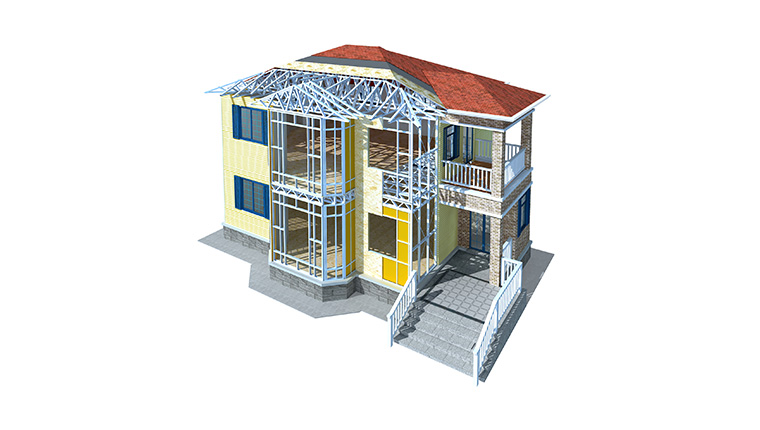
These systems use steel frames assembled on-site with prefabricated elements, fitting well for residential or multi‑storey buildings where architectural freedom is important.
Modular construction can work alongside these systems, for example by using volumetric modules for rooms while larger steel structures support public or shared spaces.
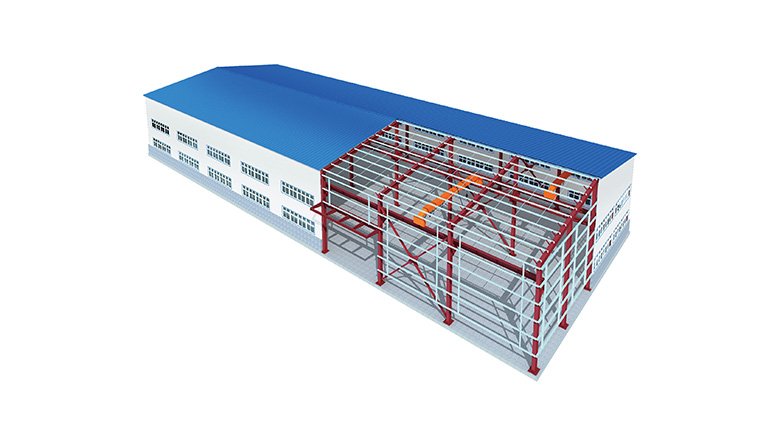
In practice, many large projects combine different prefabricated systems. For example, a camp might use container or modular units for accommodation and sanitary areas, and steel structures for canteens or warehouses.
When used in the right context, modular construction offers a set of advantages that traditional methods struggle to match.
Because factory production and foundation work happen at the same time, overall construction time can be reduced significantly.
This speed is critical in engineering, mining, and energy projects, where every month of delay can mean lost production or extended temporary arrangements for staff.
Modules are produced under controlled factory conditions with standardized workflows and quality checks at each stage.
Companies that specialize in modular buildings invest in automated production lines, professional teams, and process systems to ensure structural performance, fire safety, and durability.
With fewer workers and less material handling on-site, modular projects create less noise, dust, and general disruption.
This is valuable in operating industrial plants, live campuses, or urban areas where normal operations must continue during construction.
Modular systems can be tailored for extreme conditions, such as cold‑resistant container houses for –50°C environments, plateau houses for high altitudes, or desert houses for hot and sandy climates.
Specialized insulation, structural systems, and envelope designs allow modules to provide comfortable living and working spaces in regions where conventional construction would be slower or more difficult.
Standardized modules can be combined to create different building types, from single‑storey offices to multi‑storey accommodation blocks.
Future expansion is simpler: owners can add more modules to increase capacity or reconfigure existing blocks as project needs change.
Many modular buildings—especially container-type modules—are designed to be disassembled, transported, and reinstalled at new sites.
This reuse capability reduces waste and spreads the investment over multiple projects, making modular solutions particularly attractive for companies operating in cycles of temporary or mobile projects.
Modular construction is highly versatile and has proven effective in a wide range of industries and project types.
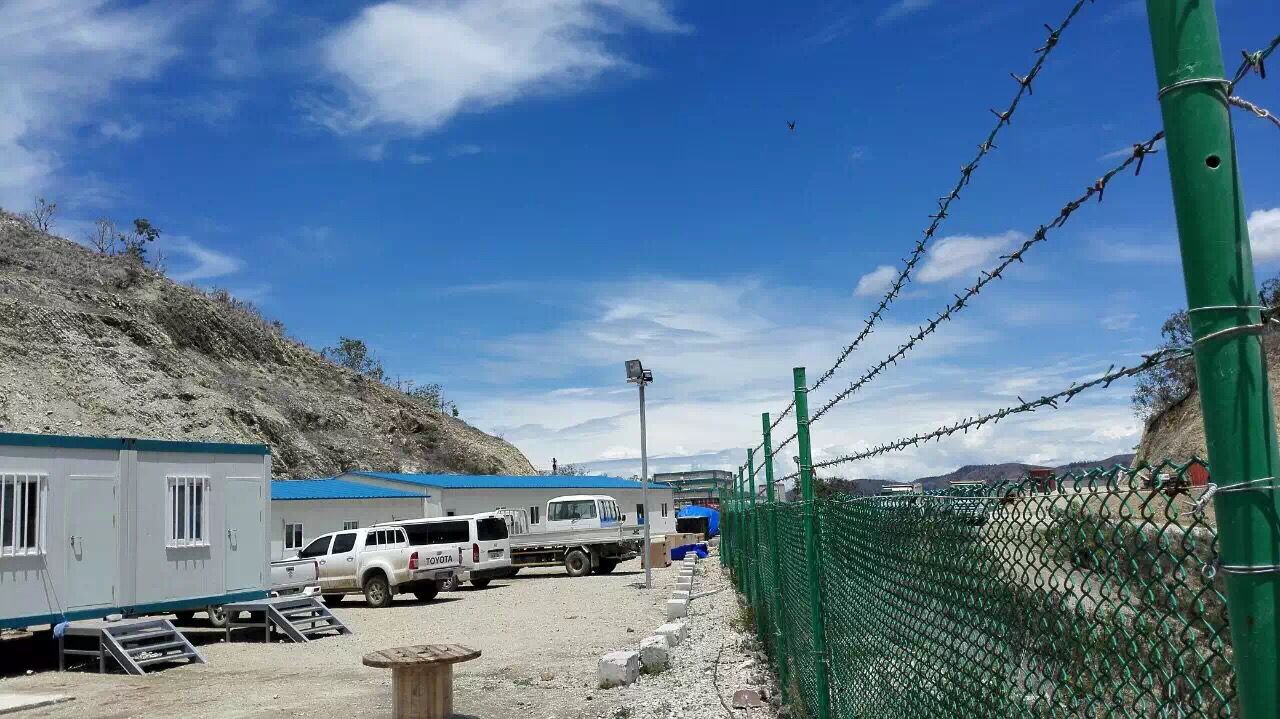
Large infrastructure, oil and gas, power, and mining projects often require housing, offices, and supporting facilities for hundreds or thousands of workers in remote locations.
Modular camps can include accommodation units, canteens, kitchens, laundries, offices, recreation rooms, clinics, and other support spaces, all delivered as integrated solutions.
Project site offices, safety training centers, control rooms, and temporary administration buildings can be delivered quickly using modular solutions.
For long‑term operations, modular buildings can serve as permanent offices, laboratories, or logistics centers when properly designed and engineered.
Schools and universities use modular classrooms, dormitories, and facilities to expand capacity without long disruption to campus life.
Healthcare providers rely on modular clinics, wards, and support buildings to increase capacity rapidly or handle special situations, such as emergencies or temporary programs.
Modular camps support military deployments and emergency response operations where fast, scalable, and robust accommodation is essential.
Units can be deployed, expanded, or relocated as missions and conditions change.
Despite its advantages, modular construction is not a universal solution and comes with its own challenges.
Up‑front planning and design
Modular projects require detailed planning earlier in the process because many decisions—such as module layout, services routing, and logistics—must be fixed before factory production begins.
This front‑loaded design effort can feel demanding for teams accustomed to making changes during on‑site construction.
Perception of quality and permanence
Some stakeholders still associate modular buildings with temporary or low‑quality structures, even though modern modular solutions can meet permanent building standards and long service lifetimes.
Educating decision makers with real case studies and technical documentation is often necessary to address these concerns.
Transport and site constraints
Module dimensions and weights must respect local transport regulations, road capacities, and crane capabilities.
Remote sites, narrow roads, or limited crane access can require customized logistics planning or a mix of modular and other prefabricated systems.
Regulations and codes
Modular buildings must comply with local building codes, fire regulations, and safety standards just like conventional buildings.
In some regions, authorities and consultants are still gaining familiarity with modular methods, which can extend approval times if not managed carefully.
Modular construction is particularly effective when projects need a combination of speed, scale, repeatability, and challenging locations. It is worth strong consideration when:
The schedule is tight and early occupancy or production start‑up has high financial impact.
The project is in a remote, harsh, or logistically complex region where on‑site labor and materials are difficult or expensive to secure.
The building program includes a large number of similar or repeated units, such as worker accommodation, classrooms, offices, or sanitary modules.
Future relocation, expansion, or reuse of the buildings is important for the business model.
The owner wants more predictable cost and schedule performance with industrialized quality control.
For global engineering camps and industrial projects, specialized providers like Beijing Chengdong International Modular Housing offer one‑stop modular camp solutions, covering design, production, logistics, installation, and lifecycle services. Their experience in cold, desert, plateau, and coastal regions illustrates how modular construction can adapt to almost any environment worldwide.
Interested owners and contractors can learn more about modular and container solutions, as well as integrated camp offerings, on the official website at https://www.cdph.net/.
Scan the QR code to follow