
Blog
Release date:Mar 30, 2026
Share:
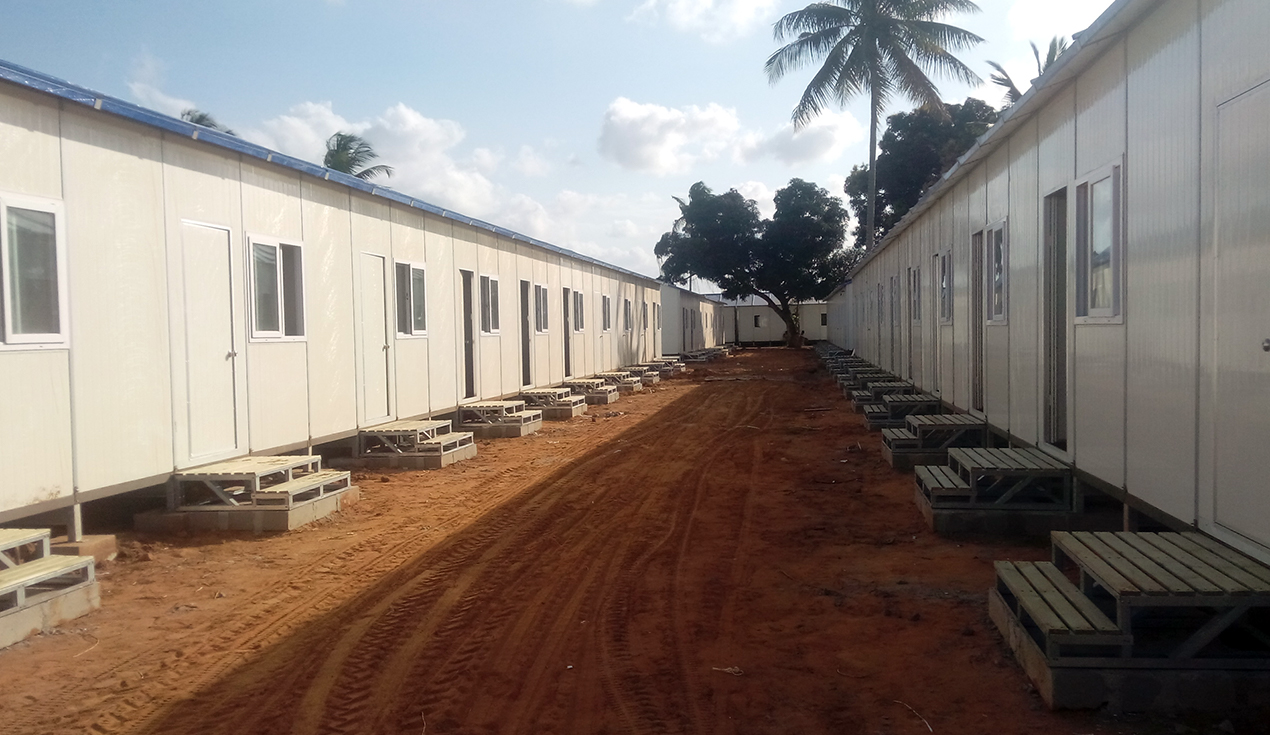
A worker accommodation camp manufacturer is a specialist company that designs, engineers, produces, and installs modular or prefabricated camps to house workforces on large projects. These projects often include infrastructure, construction, mining, oil and gas, power, and industrial developments located in remote or semi‑remote areas where permanent housing is not available or economical.
Unlike a generic prefab supplier that only sells standard units, a professional manufacturer provides an integrated camp solution. This covers master planning, structural design, product selection, production, international logistics, on‑site installation, and sometimes operation support for the entire camp lifecycle.

Large‑scale projects typically require hundreds or even thousands of workers for several years, yet must remain flexible enough to ramp up or down as project phases change. A well‑planned worker camp ensures that this fluctuating workforce is housed safely and comfortably without delaying the core construction schedule.
Poorly designed or low‑quality camps create serious risks: schedule delays, labour disputes, accidents, health issues, and reputational damage for the project owner or EPC contractor. By contrast, a professionally engineered camp improves worker morale, supports productivity, and demonstrates compliance with labour, health, safety, and environmental expectations.
A leading worker accommodation camp manufacturer offers more than just buildings. It delivers a complete camp ecosystem built around modular units and supporting systems.
Key capabilities typically include:
Integrated planning and design The manufacturer develops a camp master plan based on site conditions, climate, workforce composition, and client functional requirements. This plan defines zones for accommodation, catering, offices, medical facilities, recreation, storage, utilities, and traffic circulation. Professional planning also covers topographic conditions, drainage, roads, exterior utilities, and landscaping so the camp operates smoothly and remains safe in extreme weather.
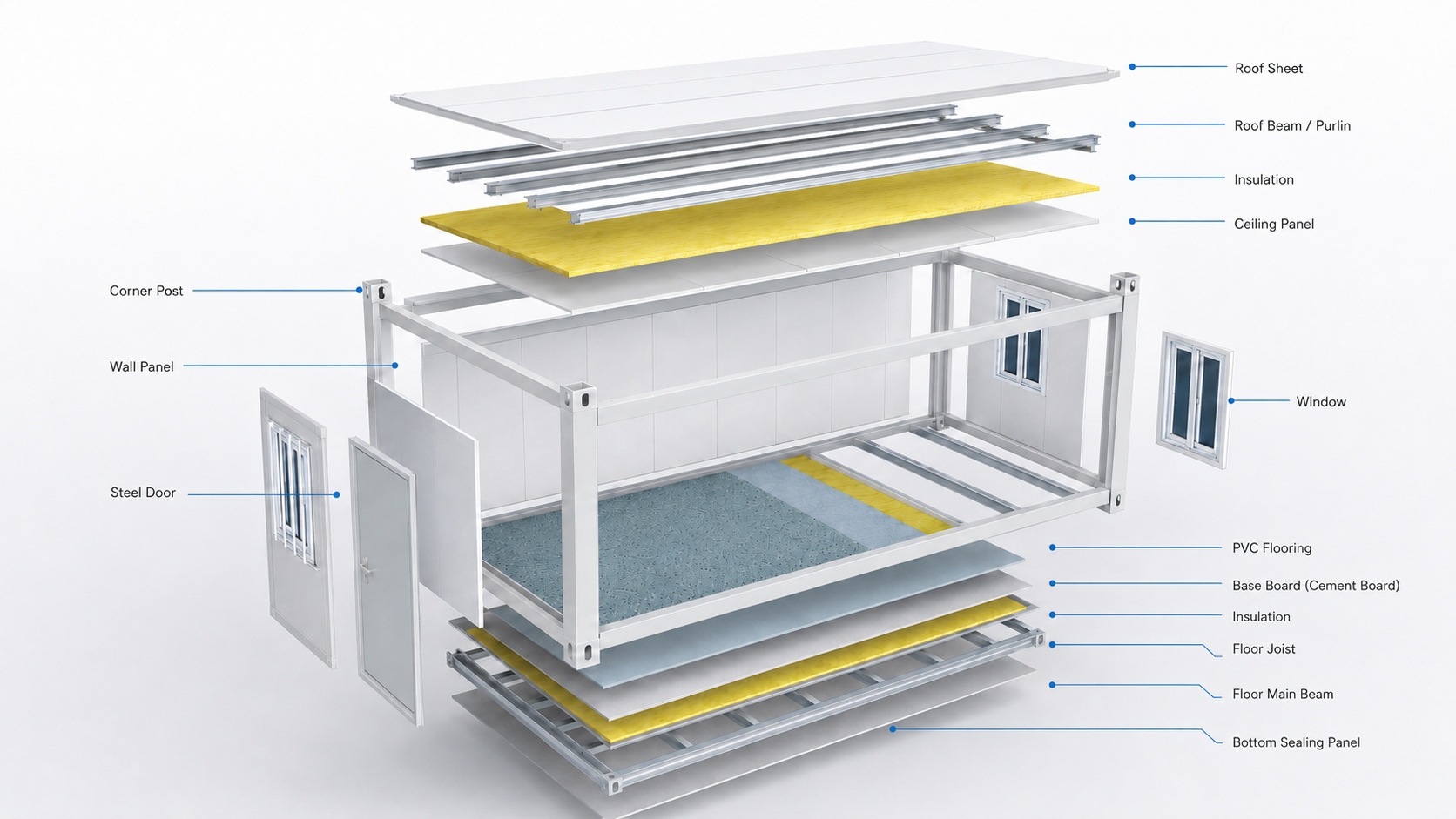
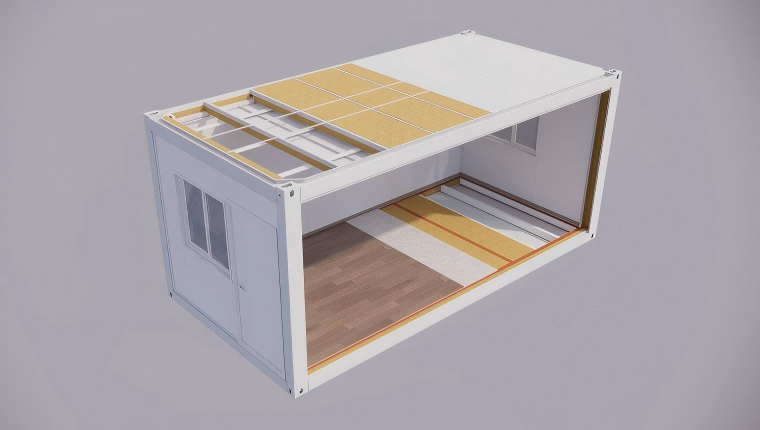
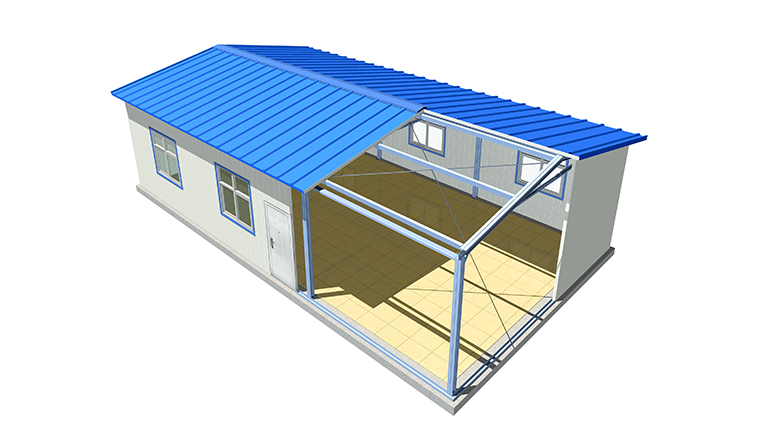
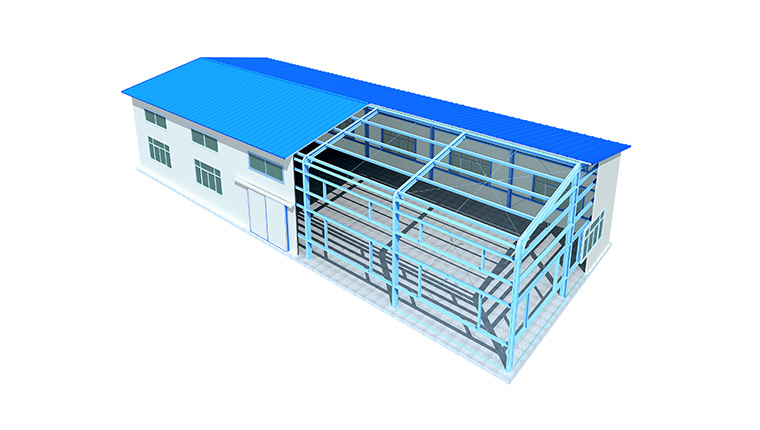
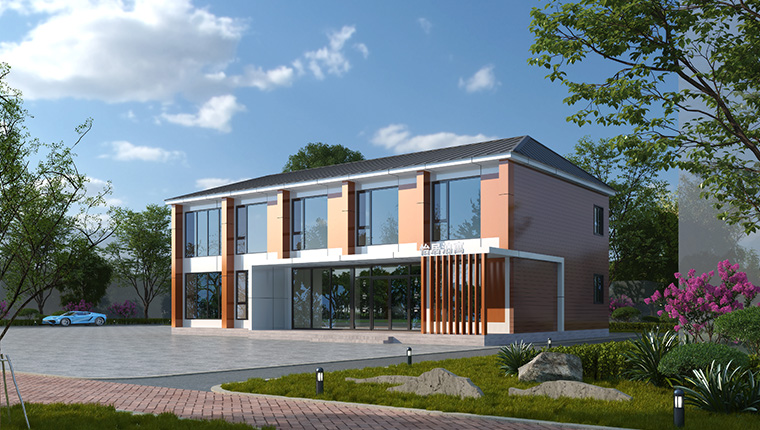
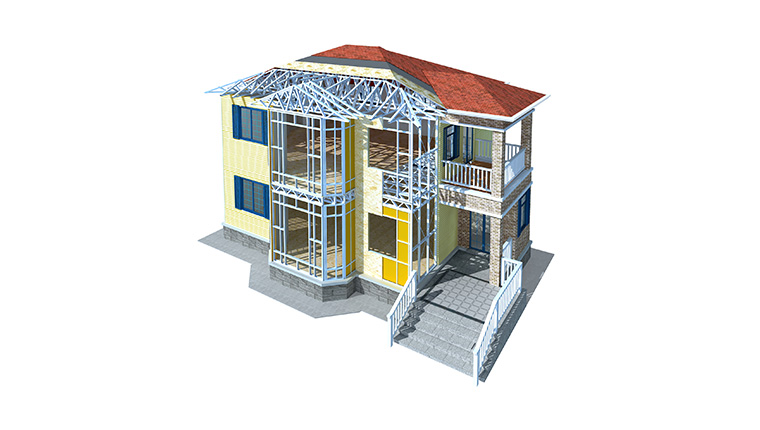
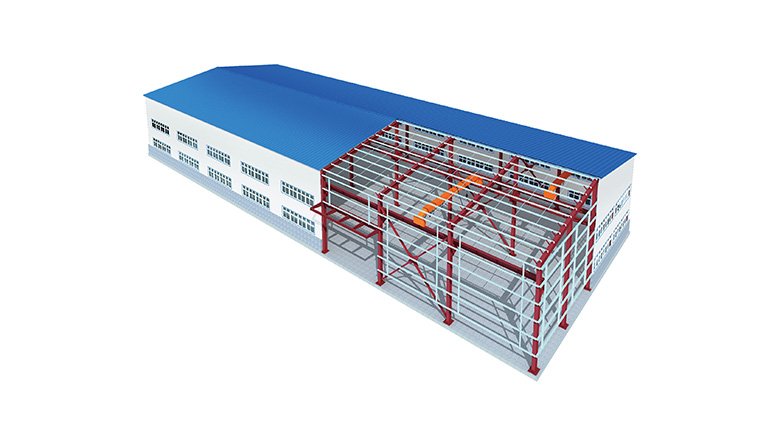
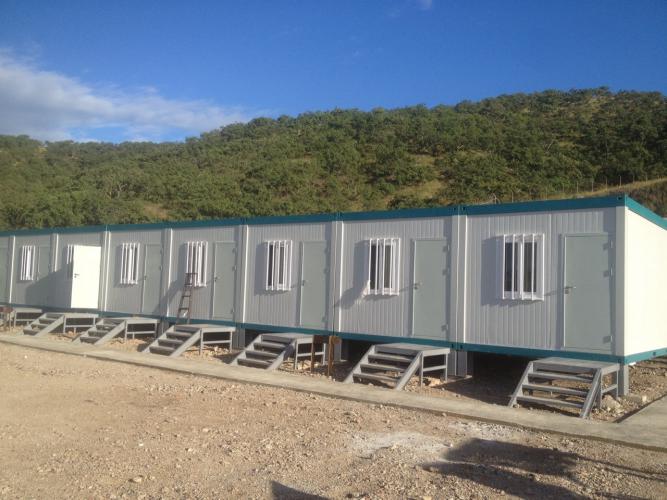
Multiple modular product systems High‑end manufacturers provide a full portfolio of modular solutions: container houses, box houses, K‑type and T‑type prefab houses, light steel villas, and steel structures that can be combined to form complex camps. Products are factory‑produced to standardised dimensions, allowing flexible combinations into single‑storey or multi‑storey buildings for dormitories, offices, dining halls, clinics, warehouses, and more.
Nine supporting systems for complete camps A mature camp solution is built around nine coordinated systems: building, water supply and drainage, power supply, weak‑current systems, fire protection, security, transportation and roads, environmental landscape, and environmental protection. This “menu” approach lets project owners select and configure all camp components as easily as ordering from a restaurant, while still meeting complex technical and regulatory requirements.
Industrialised production and quality control Large factories, automatic production lines, and strict quality management systems (such as ISO9001 and other international certifications) ensure consistent quality and fast delivery, even for urgent or large‑scale projects. Advanced coating, anti‑corrosion treatments, and structural testing are applied to meet demanding climates and long service lives while remaining cost‑effective.
For project owners, technical standards are a decisive factor when selecting a worker accommodation camp manufacturer. Top manufacturers design and produce according to international and regional norms to guarantee safety, comfort, and durability.
Important technical aspects include:
Structural safety and durability Box houses and container modules are typically constructed using high‑strength, hot‑dip galvanized steel sections, combined with flooring, wall, and roof systems designed to resist wind, snow, and seismic loads. Load‑bearing capacities and wind‑resistance are verified through national standards and third‑party testing, ensuring buildings remain safe in long‑term, high‑load operation.
Thermal insulation and climate adaptation Camps may be located in deserts, plateaus, tropical regions, or extremely cold climates. Insulation systems are therefore tailored with different thicknesses and materials to achieve required heat transfer coefficients across temperature ranges from about −50−50 to above freezing. Special cold‑resistant box houses use combinations of thick insulation layers, high‑performance glazing, and airtight detailing to ensure comfortable indoor temperatures and reduced energy consumption in ultra‑low ambient temperatures.
Fire safety and fire‑fighting systems Materials for walls, ceilings, and insulation are selected and tested for fire resistance in accordance with relevant standards, and buildings are equipped with fire alarm systems, emergency lighting, extinguishing devices, and clear evacuation routes. Wireless fire alarm systems can be applied in camps to reduce wiring workloads and enable flexible layout changes, while still substantially improving fire safety.
Environmental and health protection Domestic wastewater generated by camp residents must be treated before discharge to protect the surrounding environment. Integrated wastewater treatment equipment offers factory‑made, movable treatment modules that are easier to install and relocate than traditional systems. Drinking water safety is addressed with purification equipment that reflects a human‑centred approach to camp design, ensuring that staff in remote regions have stable access to safe water.
Modern worker accommodation camps are no longer simple barracks. Leading manufacturers emphasise humanity, quality, and green development as guiding principles.
A human‑centred camp typically includes:
Comfortable living units Modular accommodation is designed with reasonable room sizes, ventilation, daylighting, and acoustic performance. Different layouts can be provided, such as single rooms, double rooms, suites, and dormitories, to fit various project budgets and worker categories. Integrated bathrooms, packaged in a single industrial unit including walls, floor, ceiling, and sanitary fittings, save space and can be moved and reused with minimal loss.
Healthy and attractive environment Camp design incorporates landscaping, sports fields, recreation areas, and company image elements, creating a more pleasant living environment for workers who may be stationed far from cities for extended periods. Efficient, eco‑friendly LED lighting reduces energy use while improving visibility and safety across the camp.
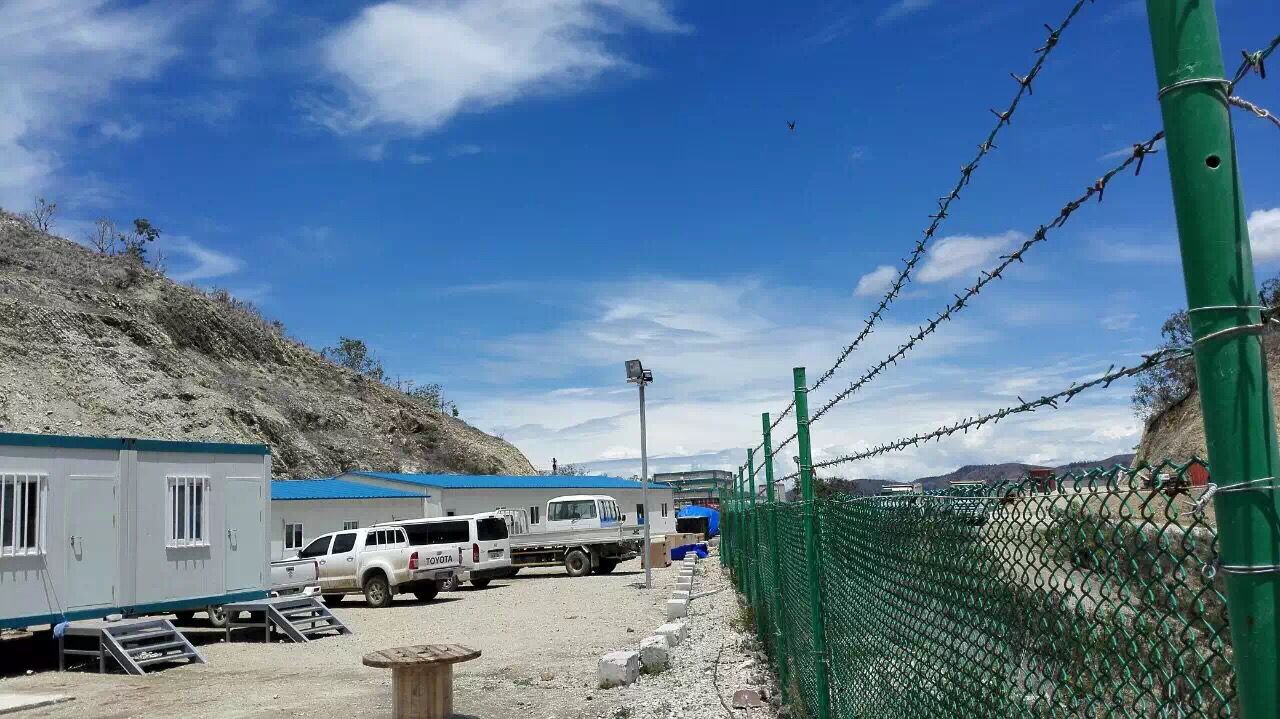
Security and smart systems Intelligent security systems combine fences, CCTV monitoring, access control, and emergency medical equipment to protect residents and assets. Smart wireless fire alarms and other digital monitoring systems enable faster response in emergencies and better management of risks within the camp.
When choosing a worker accommodation camp manufacturer, global project experience and logistics capability are crucial. Engineering camps are frequently located in countries with challenging infrastructure and complex regulatory environments.
A strong manufacturer will offer:
Extensive international footprint For example, Chengdong Housing (CDPH) has delivered more than a thousand camp projects across over one hundred countries, serving contractors listed in international engineering rankings. Camps have been built for ports, airports, hydropower projects, mining operations, power plants, roads, and other infrastructure in South America, Africa, Asia, and other regions.
Local partnerships and construction management Experienced management teams understand the construction regulations and labour requirements of various countries, allowing effective coordination with local workers and subcontractors. In regions with strict labour laws, professional management ensures that local employees are organised quickly and construction progresses smoothly, reducing schedule risk for the project owner.
Optimised logistics and transportation Manufacturers with dedicated logistics planning teams and strong relationships with shipping companies can design the most efficient transport方案 for each project, from factory to site. Coordinated logistics for the “nine systems” of camp equipment ensures materials arrive on time and in the right sequence for quick assembly, even in remote or landlocked areas.
Many project owners initially focus on the purchase price of camp buildings, but lifecycle value is more important. A high‑quality modular camp has a longer service life, lower operating costs, and better reusability than a low‑end alternative.
Key lifecycle aspects include:
Energy efficiency and operating costs Better insulation, high‑quality windows, efficient HVAC, and LED lighting mean reduced energy consumption over years of operation. This significantly lowers operating costs, especially in extreme climates where heating or cooling loads are high. Factory‑finished, durable surface treatments and corrosion‑resistant materials cut down future maintenance expenses and prolong the building’s useful life.
Mobility and reusability Many modular buildings from top manufacturers are designed for multiple assembly and disassembly cycles, preserving a high residual value. After one project ends, the camp can be relocated for another project with minimal loss of materials. Prefabricated integrated equipment such as bathrooms and wastewater treatment systems can be moved as a whole, unlike traditional fixed installations that cannot be reused once in operation.
Sustainable and green development Modular construction reduces building waste on site, shortens construction time, and lowers disturbance to the surrounding environment. When combined with advanced sewage treatment, waste management, and energy‑saving devices, a worker camp becomes a model of green engineering rather than a burden on the local ecosystem.
Selecting the right partner requires a clear, systematic evaluation. The following criteria help project owners identify a reliable worker accommodation camp manufacturer.
Technical qualifications and certifications
Confirm the manufacturer holds recognised quality, environmental, and occupational health and safety management system certificates, along with relevant CE or structural certifications where required.
Review technical documents for structural design, thermal performance, and fire resistance to ensure alignment with local codes and project specifications.
Project portfolio and references
Examine similar projects in terms of scale, climate, and region. Ports, airports, hydropower dams, LNG plants, and mine camps are all strong indicators of experience in complex environments.
Ask for reference clients or case studies that show how the manufacturer handled tight schedules, difficult logistics, or extreme climates.
Production capacity and delivery speed
Check factory size, annual output, automation level, and standard production lead times to ensure the manufacturer can meet your schedule, even for large orders.
Confirm whether parallel production and phased delivery can be arranged to match staged construction or mobilisation plans.
Integrated solutions and service scope
Prioritise manufacturers that offer planning, design, production, transport, on‑site installation, and after‑sales service as a one‑stop solution.
Confirm the ability to provide complete “nine systems” solutions rather than only supplying buildings, so that infrastructure, utilities, and safety systems are all properly coordinated.
Cost transparency and lifecycle guidance
Request detailed technical and commercial proposals that break down building types, specifications, accessories, and service contents, not just a lump‑sum figure.
Discuss lifecycle cost with the manufacturer, including expected service life, maintenance needs, and relocation potential, so decision‑makers can look beyond initial price.
Beijing Chengdong International Modular Housing (CDPH) positions itself as an expert constructor of camps for global projects, offering integrated solutions from planning to operational support.
Distinctive advantages include:
Deep experience and global footprint CDPH has focused on engineering camps and modular housing for more than two decades and has delivered over a thousand camp projects across more than one hundred countries and regions. Its solutions have supported contractors from multiple countries on projects such as hydropower, ports, airports, power plants, and industrial facilities.
Integrated “nine systems” camp solutions CDPH provides a complete menu of products covering the building system, water supply and drainage, power system, weak‑current system, fire‑fighting, safety, roads and traffic, environmental landscaping, and environmental protection. This integrated approach simplifies coordination for project owners and ensures that all parts of the camp fit together into a safe, efficient whole.
Strong technical and R&D capabilities With both standard container/box houses and special cold‑resistant systems, CDPH can adapt designs to deserts, plateaus, tropical regions, and extremely cold environments. Continuous technical development in insulation, structural performance, and integrated equipment enables CDPH to provide durable, energy‑efficient, and comfortable worker accommodation for demanding projects.
For more information on CDPH’s products and solutions, you can explore the official website at https://www.cdph.net/.
Scan the QR code to follow