
Tel / Whatsapp:+86 18001125785

Email:chengdong@cdph.com.cn

INQUIRY→

Home/

News/

Blog/

Modular Home vs Prefab: How Factory-Built Homes Deliver Better Value for Your Ideal Living Space/

Modular Home vs Prefab: How Factory-Built Homes Deliver Better Value for Your Ideal Living Space

Blog

Release date:Mar 30, 2026

Share:


Modular Home vs Prefab: What Is the Real Difference?


When people search “modular home vs prefab”, they are usually planning a new build and want to know which option gives them the best value, quality, and speed. They have heard that both are factory-built, but they are not sure how they differ or which one will work better for their land, budget, and long‑term plans.


This article explains what modular homes and prefab homes really are, how they are built, and how they compare on cost, quality, building codes, and real‑world use cases. It also shows how specialized prefab systems such as container houses and modular camp buildings from Chengdong Housing (CDPH) fit into the picture for worker housing, remote projects, and harsh climates.


modular home vs prefab


Prefab vs Modular: Getting the Definitions Right


Before comparing, it is essential to clarify the language, because “prefab” and “modular” are often used loosely in marketing and media.

  • Prefab (prefabricated) home “Prefab” is an umbrella term that covers any building where major components are manufactured off‑site in a factory and then transported to the project location for assembly. Under this umbrella you find:

    • Modular homes

    • Panelized houses

    • Manufactured/mobile homes

    • Container houses and box-type houses

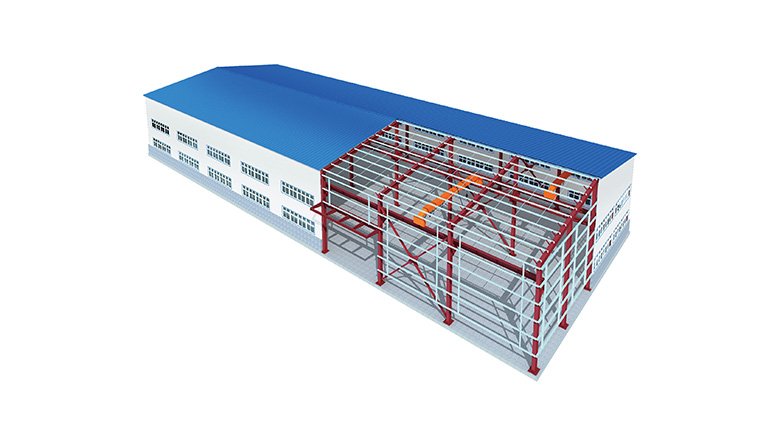
    • Light steel villas and other steel‑structure systems.

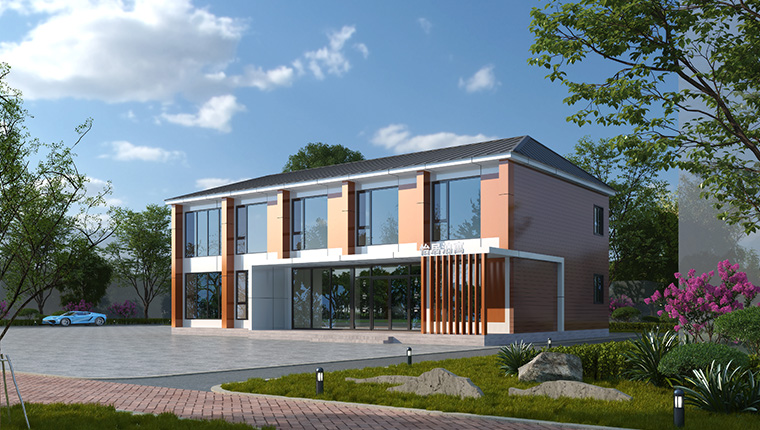
  • Modular home A modular home is a specific type of prefab building produced in volumetric modules. Each module is built in a factory with floors, walls, and roofs already integrated, then shipped and assembled on a permanent foundation. In many markets, modular homes are designed to meet local building codes similar to site‑built housing, which is important for long‑term use, financing, and resale.

In other words, every modular home is prefab, but not every prefab home is a modular home.


How Modular Homes and Other Prefab Systems Are Built


Both modular and other prefab systems rely on off‑site manufacturing, but the way they are produced and assembled can be quite different.


Modular home process


A typical modular home project follows these steps:

  1. Design and engineering The home is designed as a series of modules that can be transported, lifted, and joined on site while meeting structural and energy‑efficiency requirements.

  2. Factory production In the factory, floors, walls, and roofs are built with high levels of integration; structure, insulation, finishes, windows, doors, and basic MEP systems are installed under controlled conditions.

  3. Transport and lifting Finished modules are transported to site and positioned with cranes onto a prepared foundation or structural base.

  4. On‑site assembly and connections Modules are connected structurally and weather‑sealed; final MEP connections and interior finishing are completed.

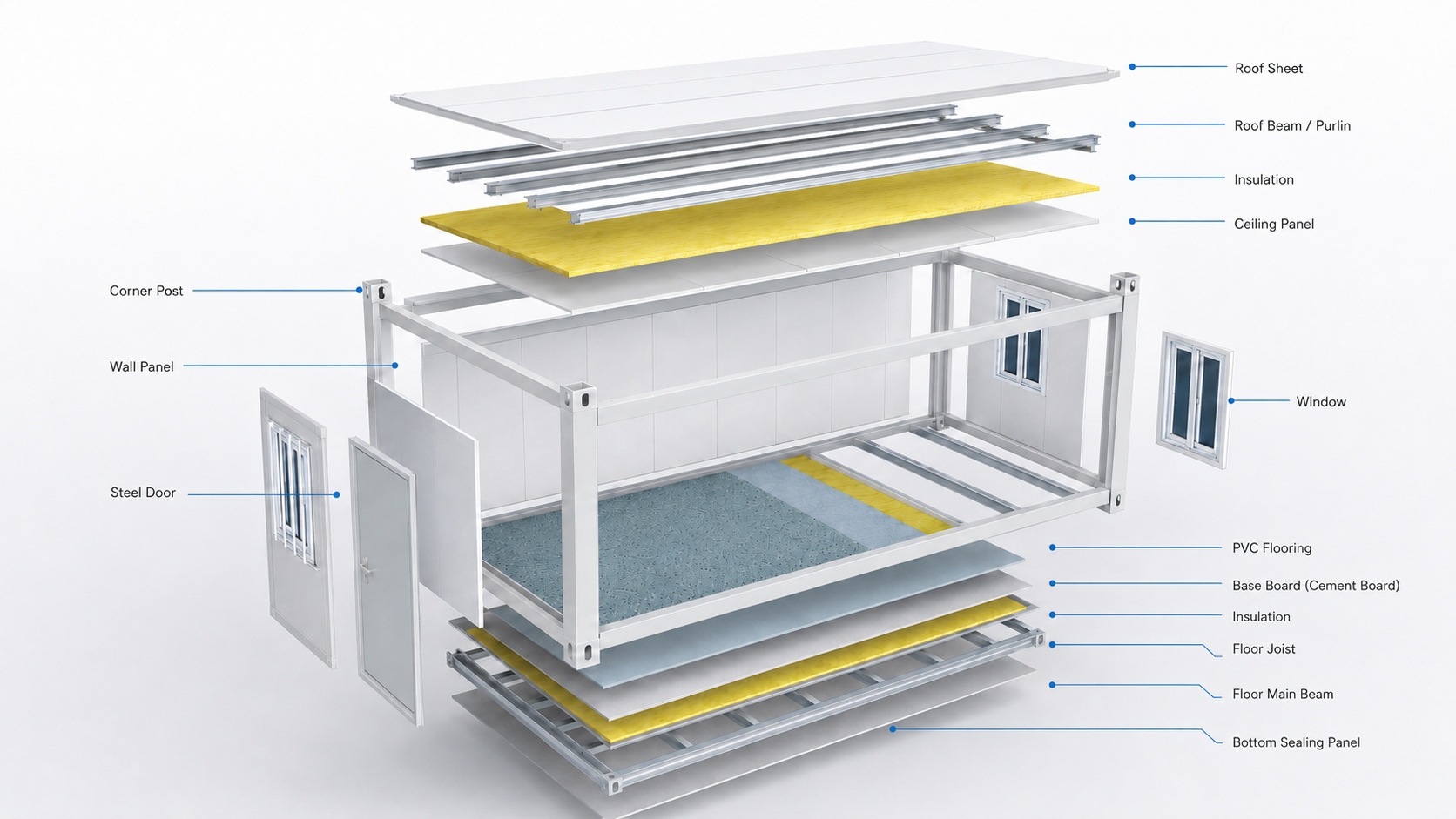
For example, Chengdong’s modular and box‑type products are factory‑produced with hot‑dip galvanized steel frames, integrated floors and roofs, and sandwich wall panels that allow rapid on‑site installation and later relocation or recycling when needed.


Other prefab systems (panelized, container, light steel, etc.)


Other prefab solutions under the same “prefab” umbrella can be quite different:

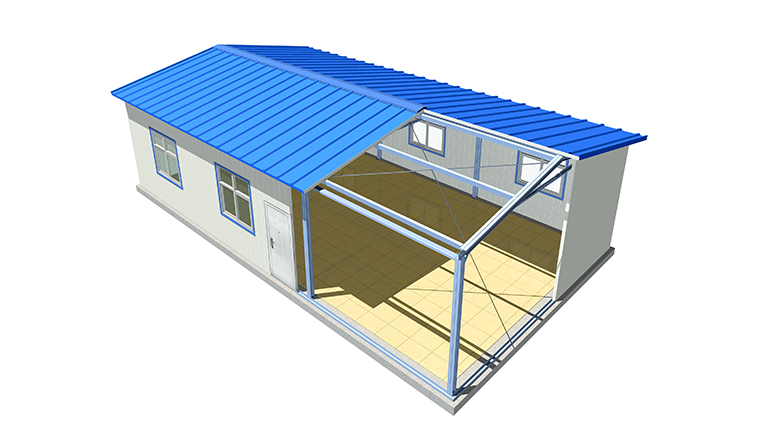
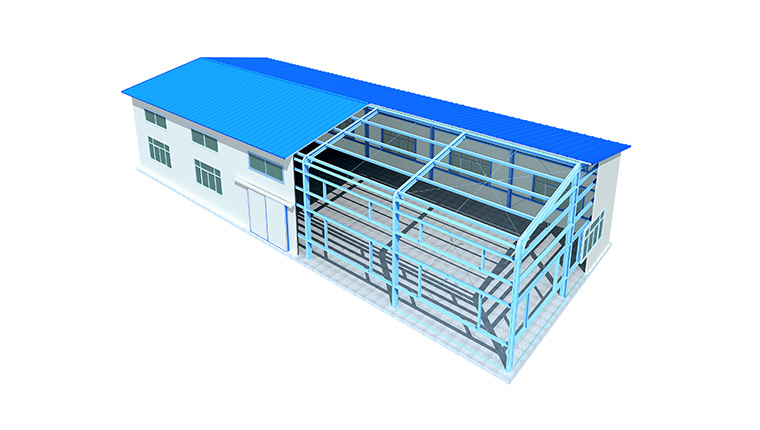
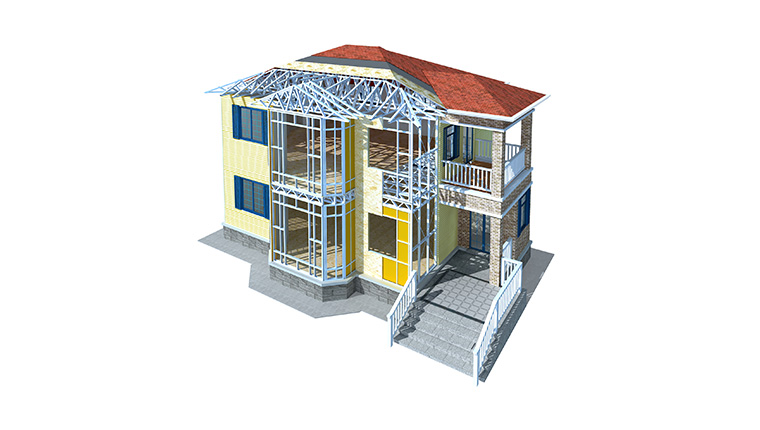
  • Panelized houses and light steel villas Walls, floors, and roof panels are prefabricated and shipped flat, then assembled on site like a kit using steel or light‑gauge frames.

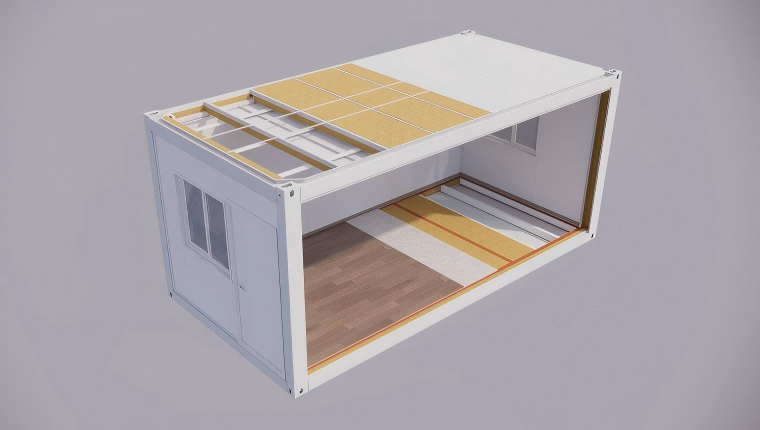
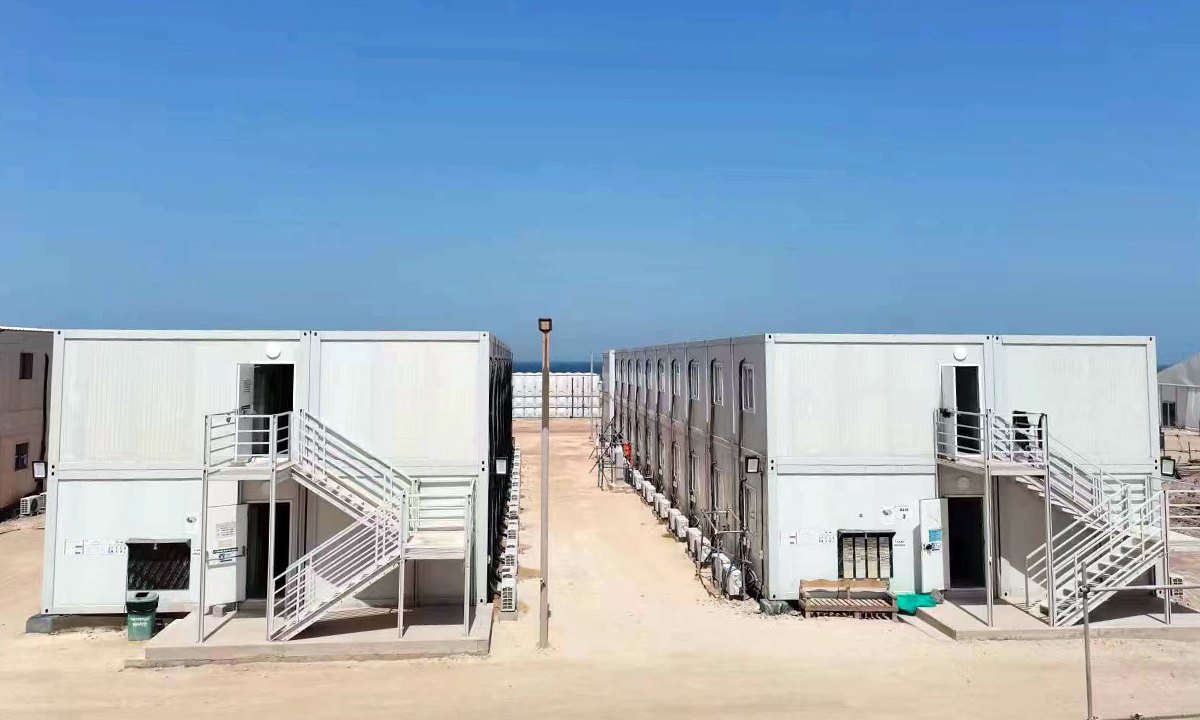
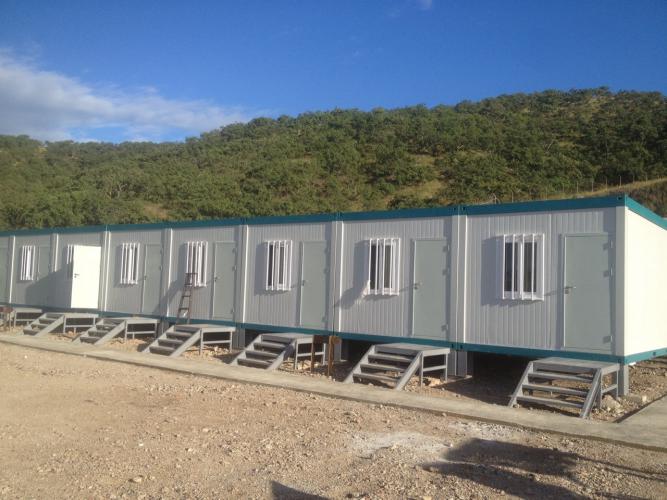
  • Container houses / box houses These use fully integrated box modules (often based on ISO container dimensions or custom box frames) with structural frames, insulation, and finishes already built in. Chengdong’s container/box houses are designed to be quickly assembled, stacked, relocated, and reused, making them ideal for camps and temporary or semi‑permanent housing.

  • Manufactured/mobile homes In some markets, manufactured homes are built on a non‑removable chassis and regulated under different codes than site‑built or modular housing. These are still prefab but not the same as modular homes.

Because of these differences, a “prefab home” could range from a high‑end modular villa to a basic temporary camp unit. Understanding the specific system behind the marketing label is crucial.


Cost: Modular Home vs Other Prefab Options


Cost is one of the main reasons buyers consider “modular home vs prefab”, but it is important to compare total project cost, not just the module or unit price.


What drives the cost of a modular home


Modular homes typically sit in the mid‑to‑upper tier of prefab pricing because they combine:

  • A robust structural system designed for transport, lifting, and long‑term occupation

  • Higher levels of finish and comfort closer to conventional housing

  • Compliance with residential building codes, which adds engineering and inspection costs.

Costs include:

  • Design and engineering

  • Factory materials and labor (structure, insulation, finishes, MEP)

  • Transport and crane work

  • Foundations and on‑site works (land prep, utilities)


What can make other prefab cheaper or more expensive


Other prefab solutions can appear cheaper at first glance but may target different use cases:

  • Simple container houses or basic camp units can be more cost‑effective for large‑scale worker housing or temporary projects, especially when speed and reusability matter more than long‑term resale value.

  • Light steel villas and panelized houses can be optimized for specific climates or markets, sometimes lowering cost per square meter compared with complex modular homes, but may require more on‑site work.

Chengdong’s portfolio shows how container house, prefab house, steel structure, and modular house each occupy different positions in terms of quantity, search demand, and applications, reflecting varied cost–value profiles.


Hidden and project‑specific costs


Whichever system you choose, do not forget:

  • Site preparation, foundations, and drainage

  • Transport distance and customs (for imported solutions)

  • Cranes and equipment hire

  • Utility connections and permits

For serious budgeting, requesting itemized proposals from suppliers such as Chengdong Housing through its official site (https://www.cdph.net/) allows you to compare complete solutions rather than just unit prices.


Quality, Durability, and Performance


Quality is another key dimension behind the “modular home vs prefab” question. Many people want factory‑built efficiency but worry about strength, comfort, and lifespan.

Structural safety and materials


Well‑designed modular homes and advanced prefab systems often outperform ad‑hoc site‑built structures because they use engineered steel frames and standardized connections tested at scale.

  • Chengdong’s container and modular systems use hot‑dip galvanized structural members, corrosion‑resistant coatings, and standardized fasteners designed for repeated assembly.

  • Structural designs are checked for wind loads, seismic performance, and lifting forces to ensure safety during transport and operation.

Lower‑end prefab products that cut corners on steel quality, protective coatings, or connection design may not offer the same level of stability or longevity.


Thermal and climate performance


Climate suitability is a major differentiator between generic, low‑cost prefab and advanced modular solutions.

  • Chengdong’s cold‑resistant box house technology includes detailed insulation packages, wall and roof thickness options, and low‑e glazing configurations tailored to temperature bands from around minus 10 to minus 50 degrees.

  • Different wall thicknesses, insulation densities, and thermal transfer coefficients are specified so that the same modular concept can adapt to Russian regions, plateaus, deserts, and tropical zones.

Modular homes aimed at permanent housing typically offer similar or higher insulation than local code minimums, which improves comfort and reduces operating cost. More basic prefab or temporary units might use thinner panels and simpler windows, which are appropriate for short‑term camps but not ideal for long‑term living in extreme climates.


Lifespan, maintenance, and recyclability


Modular and higher‑end prefab systems are designed for long service life and multiple reuses:

  • Modular box structures can be dismantled, relocated and reassembled without significant loss of performance, which improves lifecycle value and reduces construction waste.

  • Factory application of coatings and finishes ensures more consistent quality than on‑site spraying or brushing, reducing corrosion risk and maintenance frequency.

Traditional low‑end prefab that does not follow rigorous standards may deteriorate faster, especially in harsh environments.


Building Codes, Permits, and Financing


Beyond physical performance, buyers must also consider regulatory classification, which affects permits, mortgages, insurance, and resale.


Modular homes and codes


In many countries, modular homes are engineered to comply with the same or equivalent building codes as conventional housing. This can make:

  • Permitting more straightforward

  • Financing easier, as lenders can treat them similar to site‑built properties

  • Resale values more stable, because appraisers can compare them to conventional homes.


Other prefab classifications


Prefab systems used for camps, worker housing, or remote sites may be approved under different classifications:

  • Temporary buildings or relocatable structures

  • Industrial or project camp facilities

  • Specialized solutions for energy, mining, or infrastructure projects.

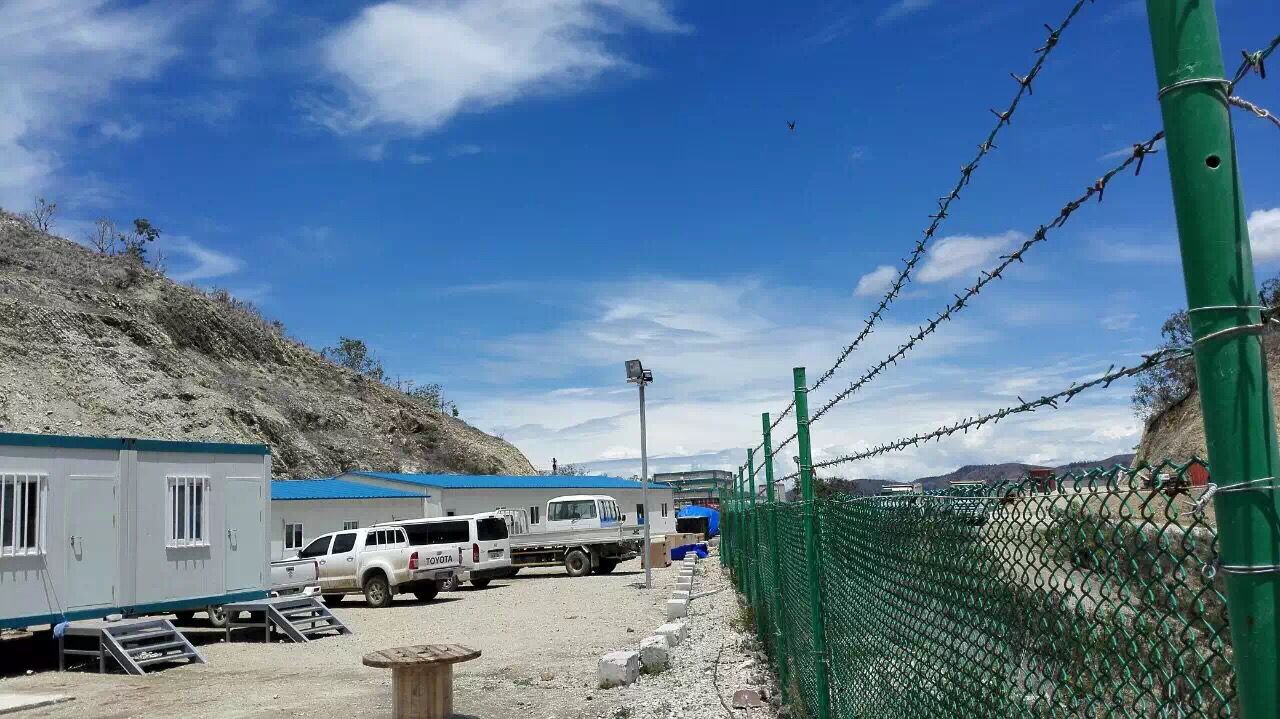
Chengdong’s integrated camp solutions, for example, are specifically designed for project camps with supporting systems such as power, water, sewage, security, and fire protection, rather than for private residential subdivisions.

This does not mean the buildings are lower quality, but they may not fit standard residential financing or zoning categories. Always check with local authorities and lenders to understand how a particular system is treated.


Design Flexibility and Customization


A frequent misconception is that all prefab and modular homes look the same. In reality, both categories can offer a high degree of customization—within certain technical limits.


Modular homes


Modular homes typically allow:

  • Multiple floor plan options and combinations of modules

  • Choices of façade, colors, cladding, and roof forms within transportable dimensions

  • Interior customization for layouts, finishes, and fixtures.

However, modules must respect road, port, or rail transport limits on width, height, and weight, which influences the maximum span and overall geometry.


Prefab camps, container houses, and steel villas


Advanced prefab producers like Chengdong use a menu of standard modules and components that can be configured into:

  • Accommodation blocks, offices, dining halls, medical buildings, religious spaces, recreation facilities, and storage buildings inside a unified camp layout.

  • Light steel villas and eco‑homes tuned to different regional climates with flexible layouts and façade options.

This configuration approach gives significant design flexibility at the project level (for example an entire workers’ village or engineering camp), even if individual units follow highly standardized dimensions to keep costs and logistics efficient.

For private homeowners, modular homes from residential specialists may offer more traditional “house‑like” aesthetics, while container or camp solutions emphasize speed, density, and functional layouts.


Use Cases: Which Option Fits Your Situation?


When comparing “modular home vs prefab”, the most important question is not which is absolutely better, but which is better for your specific use case.


When a modular home is usually the better fit


Modular homes are often the best choice when:

  • You want a permanent family residence that feels and behaves like a conventional home.

  • You need long‑term durability, comfort, and strong thermal performance.

  • You plan to use standard residential financing and care about future resale potential.

In these scenarios, the code compliance, higher finish quality, and design options of modular housing make the higher initial investment worthwhile.


When other prefab systems make more sense


Other prefab solutions may be the smarter choice when:

  • You are building project camps, worker accommodations, site offices, classrooms, clinics, or dining halls for construction, mining, oil and gas, or infrastructure projects.

  • Speed, scalability, and ease of relocation are more important than long‑term resale as residential property.

  • The site is remote, in an extreme climate, or in a region where conventional construction is slow or expensive.

Chengdong Housing specializes in exactly this type of integrated camp solution, combining container houses, modular units, steel structures, and nine supporting systems (water, power, roads, security, environmental protection, and more) to deliver turnkey camps in over 100 countries.

In short, modular homes are ideal when you are building “your home”, while other prefab systems shine when you are building “your project”.


Pros and Cons at a Glance


The table below summarizes the main differences many buyers care about.

FactorModular home (as prefab)Other prefab solutions (container, camp, panelized, etc.)
Primary usePermanent housing, villas, small residential projectsWorker camps, remote projects, temporary or semi‑permanent buildings
Codes & financingOften aligned with residential building codes, easier for standard mortgagesMay fall under temporary or special classifications, financing varies
Cost levelMedium to high per m², strong value for permanent useCan be very cost‑effective at scale; wide range of specifications
Build speedFast compared with site‑built, requires foundation and coordinationExtremely fast for camps; modules can be installed in days
Design flexibilityGood within transport limits and housing typologiesHigh at camp/master‑plan level; unit shapes more standardized
RelocationPossible but usually not the main intentOften designed for multiple moves and reuse
Climate targetingConfigurable, usually tuned to residential standardsWide range, including specialized cold‑resistant, desert, plateau units


How to Choose Between Modular Home and Prefab Systems


If you are still deciding between a modular home and other prefab options, use these questions as a simple decision framework:

  1. What is the primary purpose?

    1. A long‑term home for a family → modular home or high‑spec residential prefab.

    2. A project camp, dormitory, or site office → container houses and integrated camp solutions.

  2. How long will the buildings be used on this site?

    1. Decades on the same plot → invest in modular or higher‑end prefab.

    2. A few years or tied to a single project → prioritize relocatable systems.

  3. What are the local regulations and financing conditions?

    1. If residential approval and standard mortgages matter, confirm that the product is treated like conventional housing.

    2. For industrial or project uses, focus on safety, performance, and compliance with occupational and fire standards.

  4. What is the climate and site context?

    1. Harsh climates (extreme cold, heat, wind, or desert) favor engineered systems with documented insulation and structural performance, such as Chengdong’s cold‑resistant boxes or regionalized container houses.

  5. Do you need a full camp solution or just buildings?

    1. If you need power, water, sewage, security, and roads planned and delivered together, look for integrated camp providers that can offer a complete nine‑system package rather than standalone units.


Once you have clear answers, you can approach suppliers, including Chengdong Housing via its official website (https://www.cdph.net/), to request concept designs and quotes that match your scenario, and then compare modular home offers against other prefab configurations on a truly like‑for‑like basis.


By understanding that “modular home vs prefab” is really a comparison between one specific prefab category and a much broader family of systems, you can make a more confident, informed decision and choose a solution that fits your project, budget, and long‑term plans.


whatsapp.png
+86 18001125785
zongubimgfz3.svg
chengdong@cdph.com.cn

Scan the QR code to follow