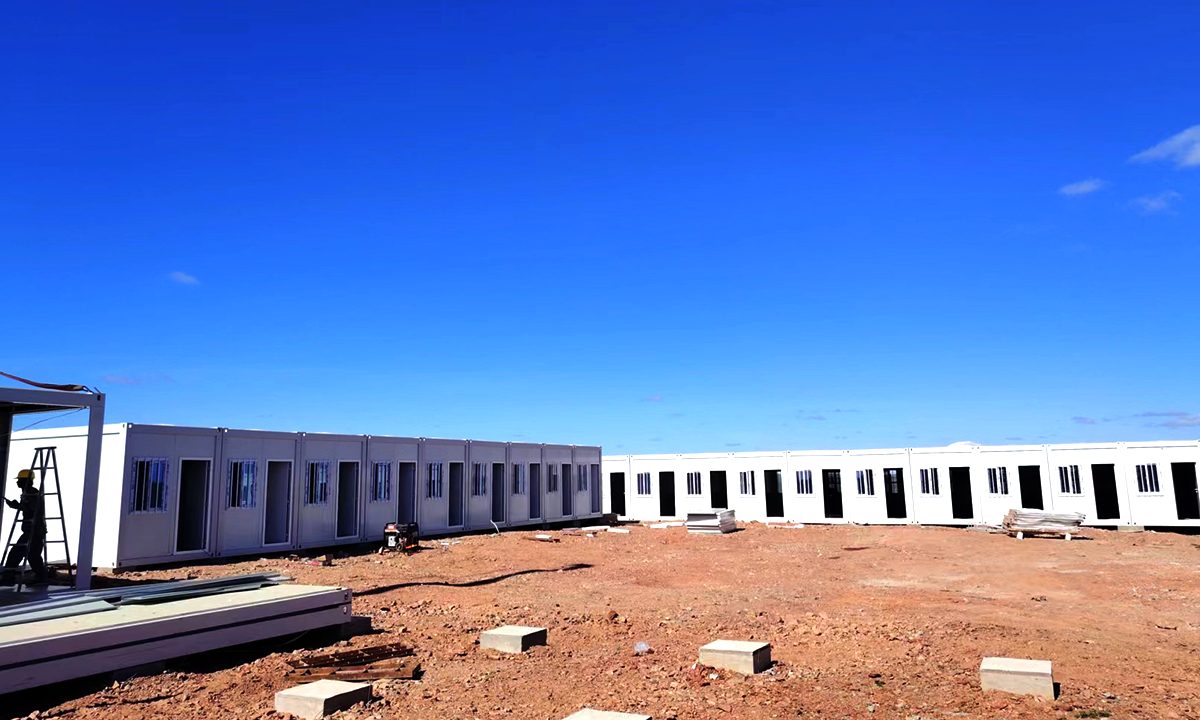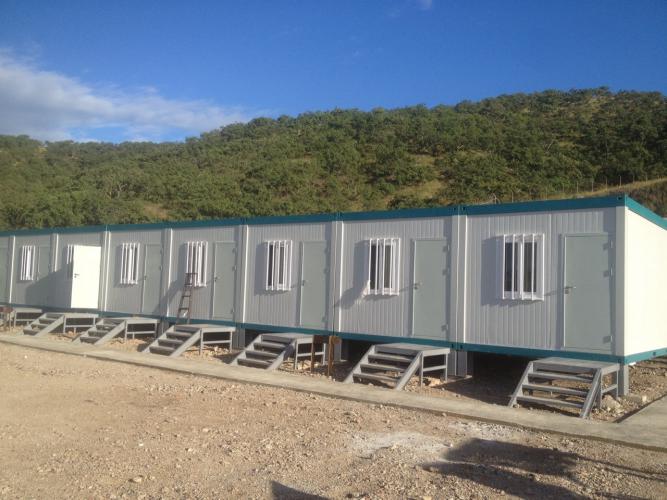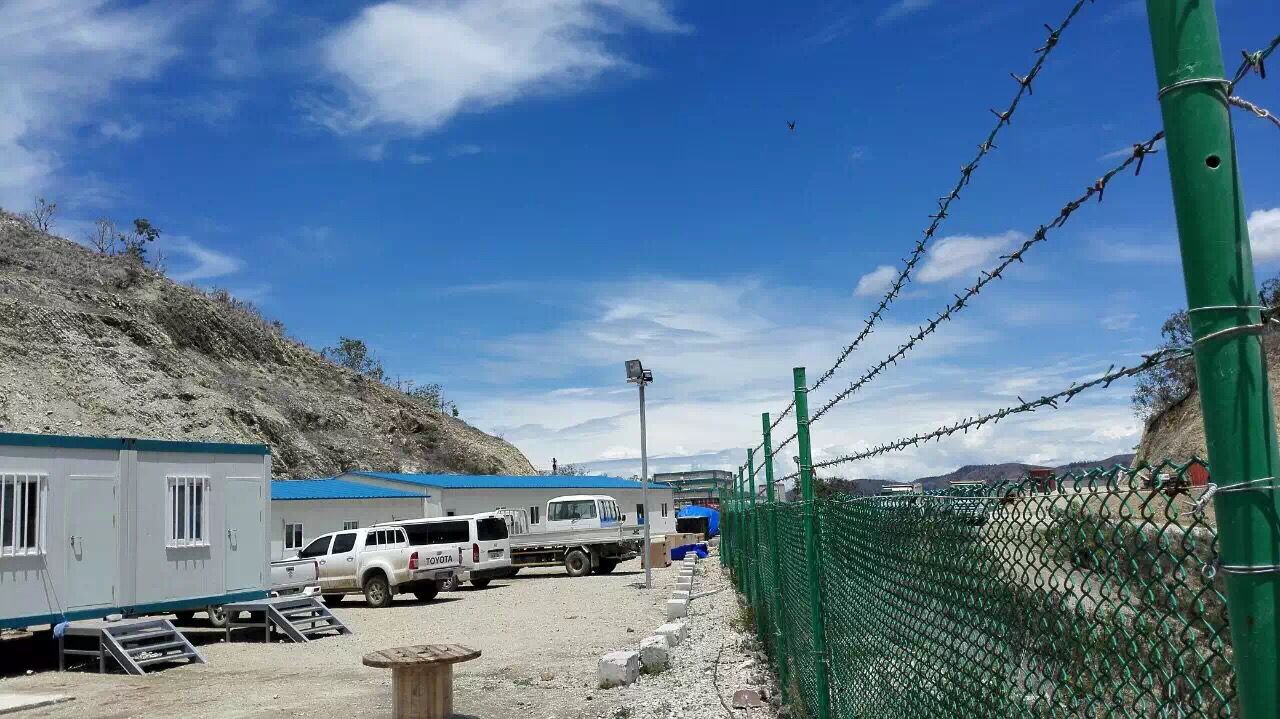

Blog
Release date:Mar 30, 2026
Share:
For global contractors, the success of an energy or mining project is often determined long before the first resource is extracted. It is determined in the pre-construction phase, where the logistics of housing a workforce in some of the planet's most unforgiving environments can make or break a timeline.
As a leading modular work camps manufacturer, CDPH (Beijing Chengdong International Modular Housing Co., Ltd.) understands that you are not just looking for shelter; you are looking for a strategic partner capable of delivering operational readiness. With over 4,000 projects delivered across 100 countries—from the permafrost of Siberia to the scorching sands of the Sahara—we provide the engineering backbone that ensures your workforce is safe, productive, and comfortable, regardless of the location.

Today's energy landscape—spanning oil and gas, LNG, and photovoltaic solar—presents three distinct challenges for international contractors:
Geographical Extremes: Projects are increasingly located in high-altitude mines, arctic circles, or desert hinterlands where standard construction fails.
Scale and Speed: Mega-projects require the rapid mobilization of thousands of workers, demanding logistical precision.
ESG Compliance: There is immense pressure to reduce carbon footprints, manage waste, and ensure worker welfare to meet international environmental, social, and governance standards.
CDPH addresses these pain points not as a supplier, but as an integrated solutions provider.
Our philosophy is simple: the camp must be as resilient as the workforce it houses. We do not offer a one-size-fits-all product; we offer region-specific engineering backed by a 70-plus patent portfolio and a manufacturing facility capable of producing 85,000 modular units annually. Every solution begins with a deep analysis of local climate data, geological conditions, regulatory frameworks, and client operational requirements. This data-driven approach ensures that each camp component—from structural framing to insulation layers to utility connections—is precisely calibrated to perform in its intended environment.
The Challenge:
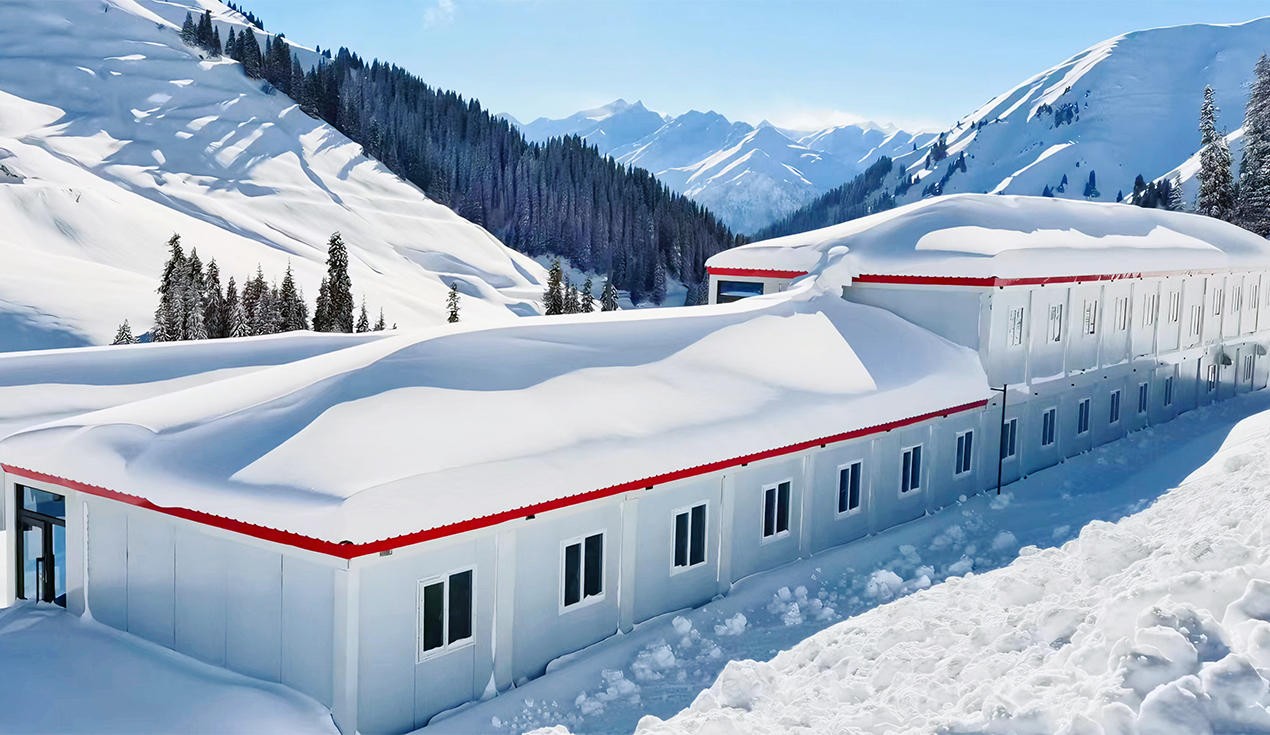
When temperatures drop to -50°C, conventional building materials become brittle, standard insulation fails catastrophically, and moisture management becomes a life-safety issue. In Russia's Far East and Siberian regions, winter lasts up to eight months, with permafrost depths exceeding ten meters. Condensation within wall cavities can freeze, leading to structural degradation and mold growth. Additionally, heavy snow loads—often exceeding 300 kilograms per square meter—pose collapse risks to poorly engineered structures.
Our Technology:
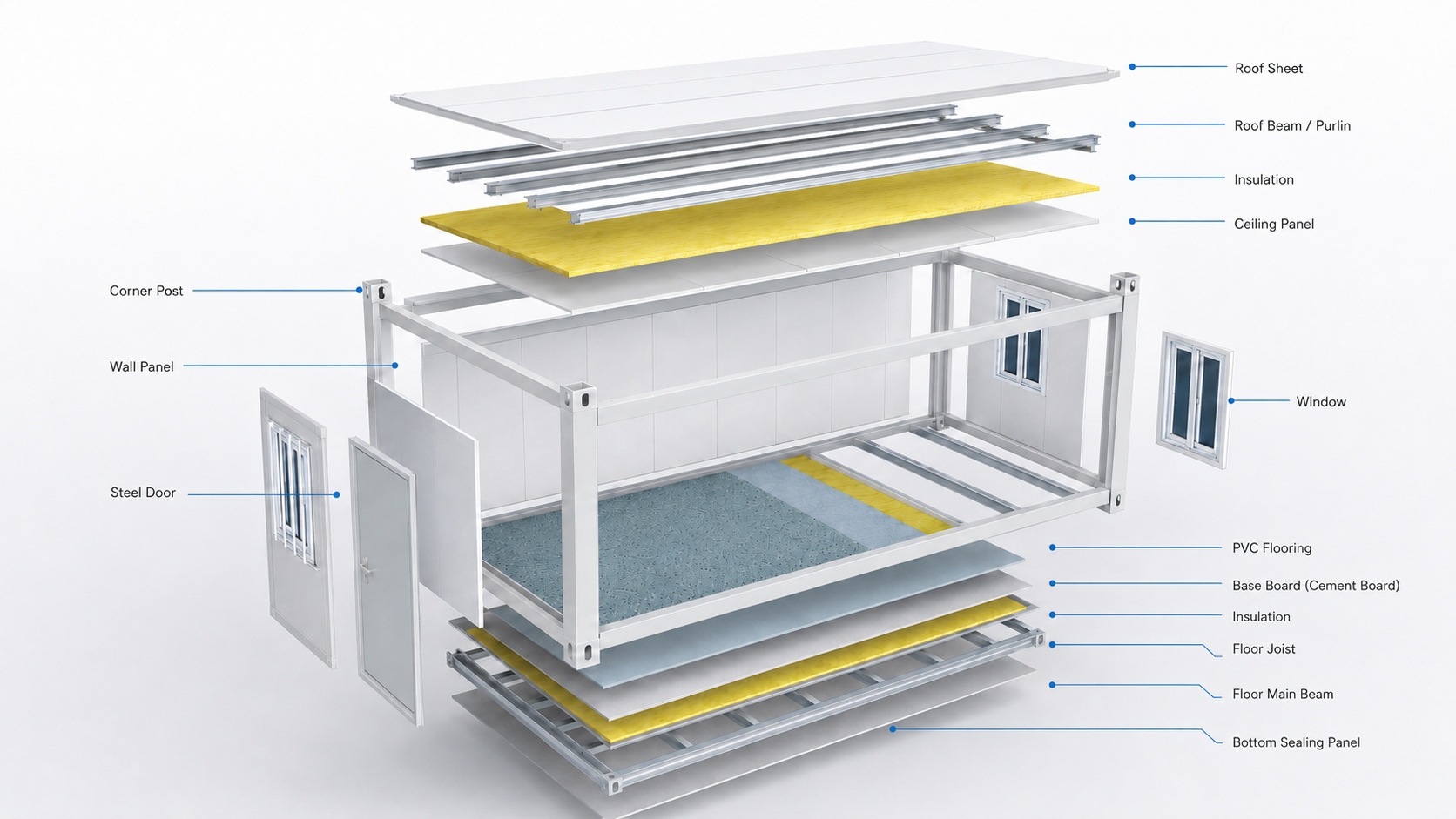
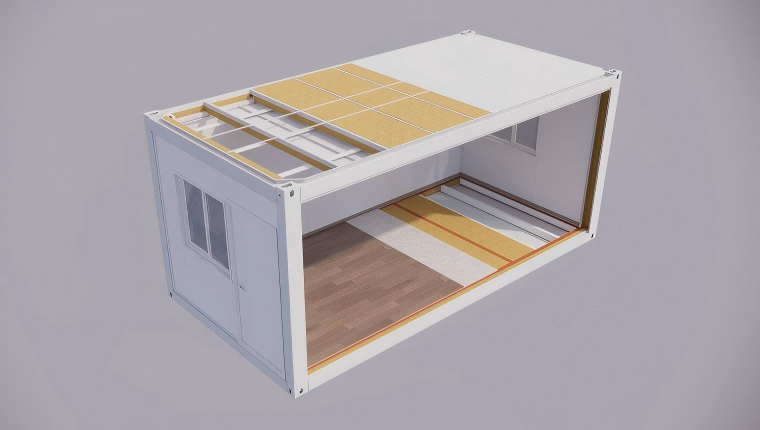
For our projects in Khabarovsk, Russia, we deployed specialized Cold-Resistant Container Houses engineered specifically for extreme sub-arctic conditions. The core innovation is our thermal bridge-free construction system, which eliminates steel-to-steel contact points between interior and exterior surfaces. Where standard containers suffer from "cold bridges" that conduct heat outward and create condensation zones, our design interposes high-density mineral wool insulation with thermal isolation gaskets at every connection point. Double-glazed windows with argon gas filling and thermally broken frames further reduce heat loss. For floor systems, we incorporate raised foundations with insulated subfloors to prevent ground freeze-thaw heaving from destabilizing the structure. Heating systems are pre-integrated with redundant circuits to ensure operational continuity during peak winter months.
Proven Results:
Our units have demonstrated reliable performance in some of the world's harshest inhabited environments. The client reported that after three years of continuous use in Khabarovsk—where winter temperatures routinely fall below -40°C—the units remained in excellent condition, with no structural degradation, no condensation issues, and heating costs significantly lower than comparable structures. This performance has led to multiple repeat orders, with the client standardizing on CDPH products across their Siberian operations.

The Challenge:
High-altitude projects—such as the Argentine Santa Cruz Hydroelectric Station in Patagonia and the Xinjiang Daxiashi Water Conservancy project in western China—present a unique convergence of hazards. Workers face reduced oxygen levels at elevations exceeding 3,000 meters, which exacerbates fatigue and health risks. Simultaneously, these regions are seismically active, with earthquake risks that demand structures capable of absorbing significant ground motion. Wind speeds in Patagonia regularly exceed 100 kilometers per hour, while high desert regions experience violent temperature swings and sudden storms.
Our Technology:
Our modular structures are engineered to resist 8-degree seismic intensity, validated through joint testing with Tianjin University. The structural system employs cold-formed thin-wall steel framing that offers inherent ductility—unlike rigid concrete structures, steel frames can flex under seismic loads, dissipating energy without catastrophic failure. For high-altitude locations, we integrate passive and active ventilation systems that maintain air exchange rates sufficient to offset reduced oxygen availability. In the Argentine project, our engineering team produced over 1,600 technical drawings to meet local regulatory requirements, demonstrating our capacity to navigate complex international compliance landscapes. Each building was reinforced to withstand Patagonia's high winds through a combination of structural bracing, enhanced connection points, and aerodynamic exterior profiling.
Proven Results:
The Argentine hydroelectric project has operated successfully since installation, with no structural issues despite the site's challenging wind and seismic conditions. The extensive approval process validated CDPH's ability to meet and exceed local building codes in South America, a region with some of the world's most stringent seismic standards. In Xinjiang, the camp has served as the primary workforce accommodation for a decade-long dam project, with structures remaining serviceable and comfortable through multiple freeze-thaw cycles and seismic events.

The Challenge:
Desert and tropical environments impose fundamentally different but equally severe demands on workforce housing. In the Middle East and West Africa, projects face relentless heat, humidity, and corrosion. Daytime temperatures routinely exceed 50°C, with solar radiation intense enough to degrade conventional roofing materials within months. Coastal locations combine high humidity—often exceeding 85 percent—with salt-laden air that accelerates corrosion of unprotected steel. Sandstorms in desert regions abrade exterior surfaces and infiltrate buildings through poorly sealed joints.
Our Technology:
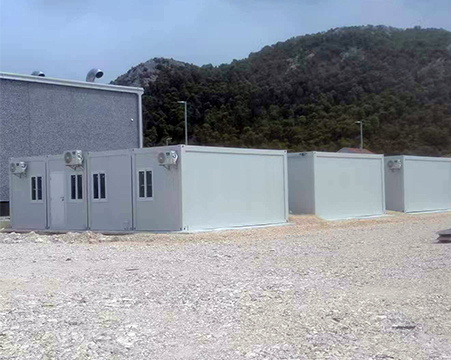
Our Desert Container Houses are engineered with a thermal transmittance coefficient as low as 0.36 watts per square meter per Kelvin—significantly outperforming standard containers. This is achieved through a multi-layer wall system: an external weather barrier resistant to UV and sand abrasion; a high-density core of non-combustible mineral wool insulation; and an interior vapor barrier that prevents condensation in humid conditions. Roofing systems incorporate reflective coatings and, for extreme cases, additional thermal insulation blankets installed above the structural ceiling to create a thermal break between the roof and occupied space. Corrosion protection begins at the material level: all steel components receive enhanced galvanized coatings, with salt-spray testing conducted to validate performance in coastal environments. Sealing systems are designed to maintain integrity under thermal expansion and contraction, preventing sand and moisture ingress.
Proven Results:
The Dangote Refinery camp—the largest modular workforce housing project in African energy history—has operated for over five years in one of the world's most corrosive environments. Post-occupancy inspections confirm that anti-corrosion treatments remain effective, thermal performance has not degraded, and all structural systems remain within design specifications. In the Middle East, our units have repeatedly passed the one-hour fire resistance tests required by local authorities—a critical safety requirement for energy sector camps. Clients consistently report that our desert units maintain comfortable interior temperatures with lower air conditioning loads than competing products.
| Environment | Key Hazards | CDPH Solution | Validating Project |
| Arctic/Sub-Arctic | -50°C temperatures; permafrost; heavy snow loads; condensation | Thermal bridge-free construction; high-density mineral wool; double-glazed windows | Khabarovsk, Russia |
| High-Altitude/Seismic | 8-degree seismic intensity; high winds; hypoxia; extreme temperature swings | Ductile steel framing; ventilation systems; full code compliance | Argentine hydroelectric; Xinjiang dam |
| Desert/Tropical | 50°C+ temperatures; salt corrosion; sandstorms; heavy rainfall | High-performance insulation; enhanced galvanized coatings; integrated drainage | Dangote Refinery; Nigerian LNG |
For international contractors, time is the most expensive currency. CDPH's value lies in our ability to scale rapidly without sacrificing quality.
Rapid Response: With a daily packing capacity of 300 standard modular units, we can fulfill an entire camp of 1,000 units in a single week.
Efficient Transport: Unlike traditional construction, our designs prioritize logistics. By flat-packing components or utilizing stackable modular units, we maximize container utilization, reducing shipping costs for remote sites.
Fast Installation: Our bolt-on structural systems require no on-site welding. A typical three-story office block can be erected and ready for use in a fraction of the time required for stick-built construction, allowing your project team to focus on core infrastructure from day one.
A modular asset is not a sunk cost; it is a long-term investment. CDPH offers a unique 5S Service Model covering sales, storage, service, rental, and recycling, along with a national network of 360 Service Centers to ensure your assets retain value.
Our recent project with a major technology company demonstrates the economic power of this model. We successfully relocated a 36-unit modular office complex from Shanghai to Guangzhou—a distance of 1,200 kilometers. This relocation saved the client the cost of building a new facility and reduced carbon emissions by 152.28 tons of carbon dioxide equivalent, comparable to planting 684 trees. This circular economy model proves that for global contractors, modular assets can follow the work, reducing capital expenditure and embodied carbon simultaneously.
Challenge: Located on coastal Bonny Island, this mega-project required a workforce camp for 10,000 workers in a tropical environment with year-round humidity, saline corrosion, and temperatures exceeding 40°C. The client demanded high thermal comfort, structural durability, and integration of diverse facilities including dormitories, medical clinics, and large-scale dining halls.
Solution: CDPH deployed 4,392 container units totaling over 81,000 square meters, supplemented by 18,708 square meters of ZH-type steel structures for dining and warehouse facilities. All units received enhanced galvanized coatings validated through salt-spray testing to resist corrosion. To address thermal challenges, double-skin partition walls with air gaps were installed in sleeping quarters, significantly reducing heat transfer while improving acoustic insulation. Additional thermal insulation blankets were integrated into roofing systems to meet European comfort standards. The camp was delivered in phases with centralized water, power, and fire safety systems fully integrated.
Outcome: This became the largest modular workforce housing project in African energy history, supporting peak construction of a world-top-ten refinery. Post-occupancy inspections after five years confirmed structural integrity despite harsh coastal conditions. The client commended the rapid deployment and reliable housing that contributed to workforce productivity, establishing a benchmark for large-scale energy camps across West Africa.
Challenge: An international EPC contractor needed a workforce camp for a utility-scale solar installation in the Saudi desert with an exceptionally compressed timeline: design, manufacture, and delivery to port within 35 days. The units required custom 11.8-meter dimensions, compliance with one-hour fire resistance ratings, and the ability to withstand extreme heat, sandstorms, and intense UV exposure.
Solution: CDPH compressed a typical 60-day development cycle into just 35 days through dedicated production lines and shift operations. Fire resistance was achieved using A-grade non-combustible core materials with certified fire-rated sealants and door assemblies. High-performance thermal insulation and corrosion-resistant coatings were applied to combat desert conditions. All units were flat-packed for shipping, with dedicated logistics ensuring consolidated delivery.
Outcome: All units passed Saudi safety inspections without modification. The 35-day delivery commitment was met, enabling the contractor to establish site facilities before main workforce arrival. The client reported excellent thermal performance, reducing air conditioning demand during peak summer conditions, and has since engaged CDPH for subsequent renewable energy projects.
| Project | Key Challenge | CDPH Solution | Outcome |
| Nigeria Dangote Refinery | Coastal corrosion; tropical heat; 10,000-person capacity | 4,392 anti-corrosion units; double-skin walls; thermal blankets | Largest modular camp in African energy; five years operational integrity |
| Saudi Arabia Solar PV | 35-day delivery; one-hour fire rating; custom dimensions | Dedicated production lines; certified fire-resistant materials; consolidated logistics | On-time delivery; full compliance; repeat client engagement |
As the only privately listed modular manufacturer in China with a Class II General Contracting qualification, CDPH bridges the gap between manufacturing efficiency and construction execution. We are not just a supplier; we are a strategic ally dedicated to helping you win bids and execute projects with confidence.
Compliance: We navigate multi-national standards including ISO, CE, and INTERTEK, as well as local fire codes, so you do not have to.
Sustainability: Our units boast a 95 percent reuse rate, with carbon emissions only 30 percent of fixed buildings, helping you achieve your corporate ESG goals.
Global Reach: With subsidiaries in Russia, the United Arab Emirates, Mozambique, Argentina, and Indonesia, we offer localized support with global manufacturing scale.
Whether you are tendering for an arctic LNG facility or a desert solar farm, your workforce deserves a home that matches the engineering quality of your heavy machinery.
Visit our website to explore our full portfolio: https://www.cdph.net/
Take the next step:
Download our Energy and Mining Camp Whitepaper
Book a Factory or Showroom Visit to inspect our cold-resistant and desert units before your next tender submission.
Scan the QR code to follow