
Blog
Release date:Mar 30, 2026
Share:
For EPC contractors and owners running large projects in South Africa, the pressure on camp delivery is intense: construction windows are short, sites are remote, and worker accommodation must be safe, comfortable and easy to maintain. CDPH focuses on integrated engineering camps built around modular container houses, giving project teams a way to standardize camp quality while compressing schedule and logistics risk. A flat pack container house South Africa solution lets EPC teams transport more units in each shipment, assemble quickly on site, and later relocate or expand capacity as project phases evolve.
Compared with ad‑hoc local structures, a standardized flat pack container system ensures predictable structural performance, clear technical data, and repeatable quality across multiple sites. CDPH container houses are designed as part of complete camp solutions, not as stand‑alone boxes, so they integrate naturally with utilities, roads, and support systems that an EPC project requires.

CDPH (Chengdong) has been engaged in integrated housing since the late 1990s and gradually positioned itself as a global engineering camp expert rather than a simple building material supplier. The company focuses on container house, prefab house, light steel villa and other modular products, all organized around the needs of large‑scale camps for energy, mining, power, infrastructure and emergency fields.
This specialization is backed by strong production capacity and project experience. CDPH operates self‑owned factories with multiple automated production lines, supporting annual output in the tens of thousands of modular units. The company has delivered camp systems in more than one hundred countries and regions, covering Russian cold regions, Middle East deserts, Central Asian plateaus, South American markets and other challenging environments. For EPC clients searching “flat pack container house South Africa”, this combination of capacity and global experience translates into reliable supply, mature standards, and smooth coordination with international project teams.
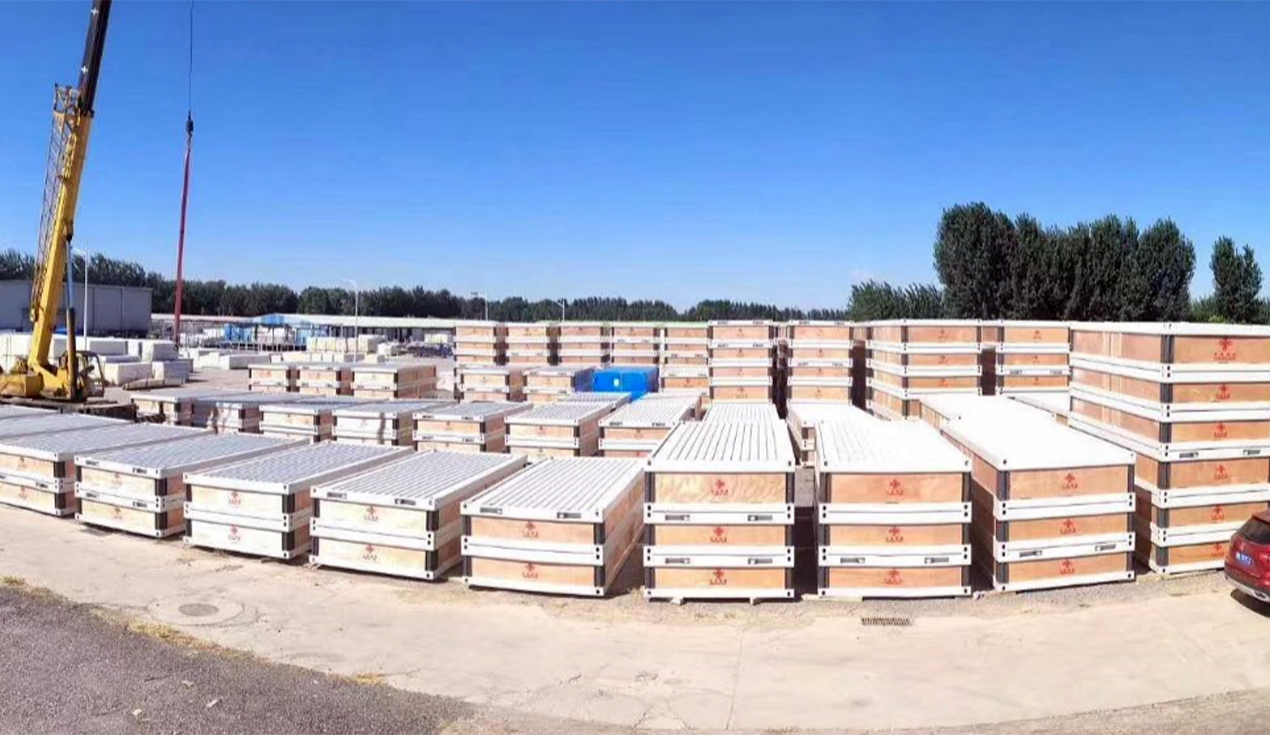
A flat pack container house South Africa solution directly addresses the three major challenges of engineering camps: logistics, construction speed and lifecycle flexibility. CDPH container houses are designed as standardized box‑type modules that can be collapsed or efficiently packed for transport, allowing high packing density in standard shipping containers. For remote South African mines, power plants or pipeline projects, this means lower logistics cost per bed and fewer shipments through constrained ports and roads.
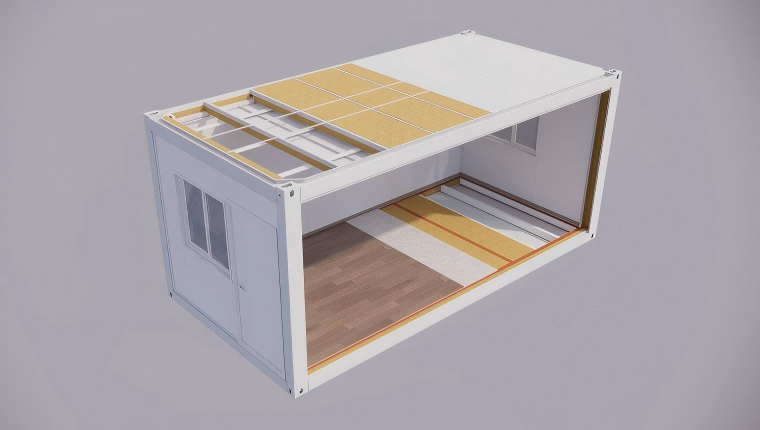
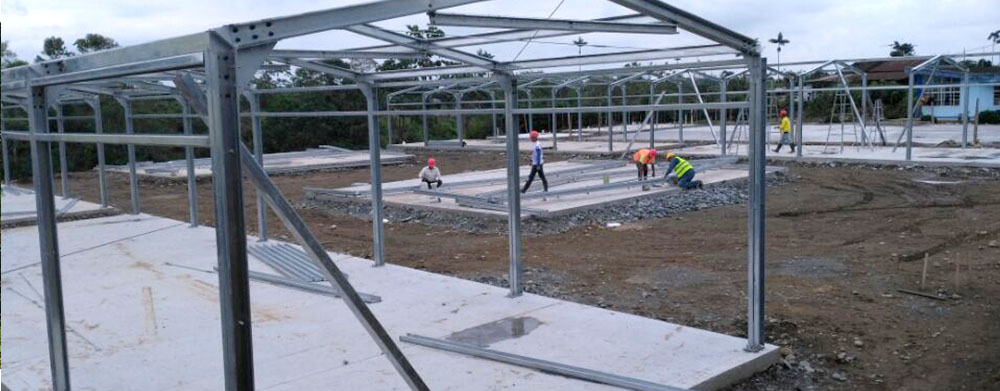
On site, flat pack container houses can be assembled rapidly using standardized components and connection details. The modular design supports stacking and combination into single or multi‑storey buildings, which simplifies camp planning for accommodation blocks, offices, canteens and clinics. When project phases change, the same units can be disassembled, relocated and reconfigured, extending the service life across multiple sites instead of being abandoned after one project.
For EPC contracts, technical reliability often matters more than appearance. CDPH’s box‑type house technical manual provides detailed specifications for structure, materials, coatings and performance tests, giving EPC engineers the data they need for internal approval and risk assessment. This technical depth is a key advantage when choosing a flat pack container house South Africa supplier.
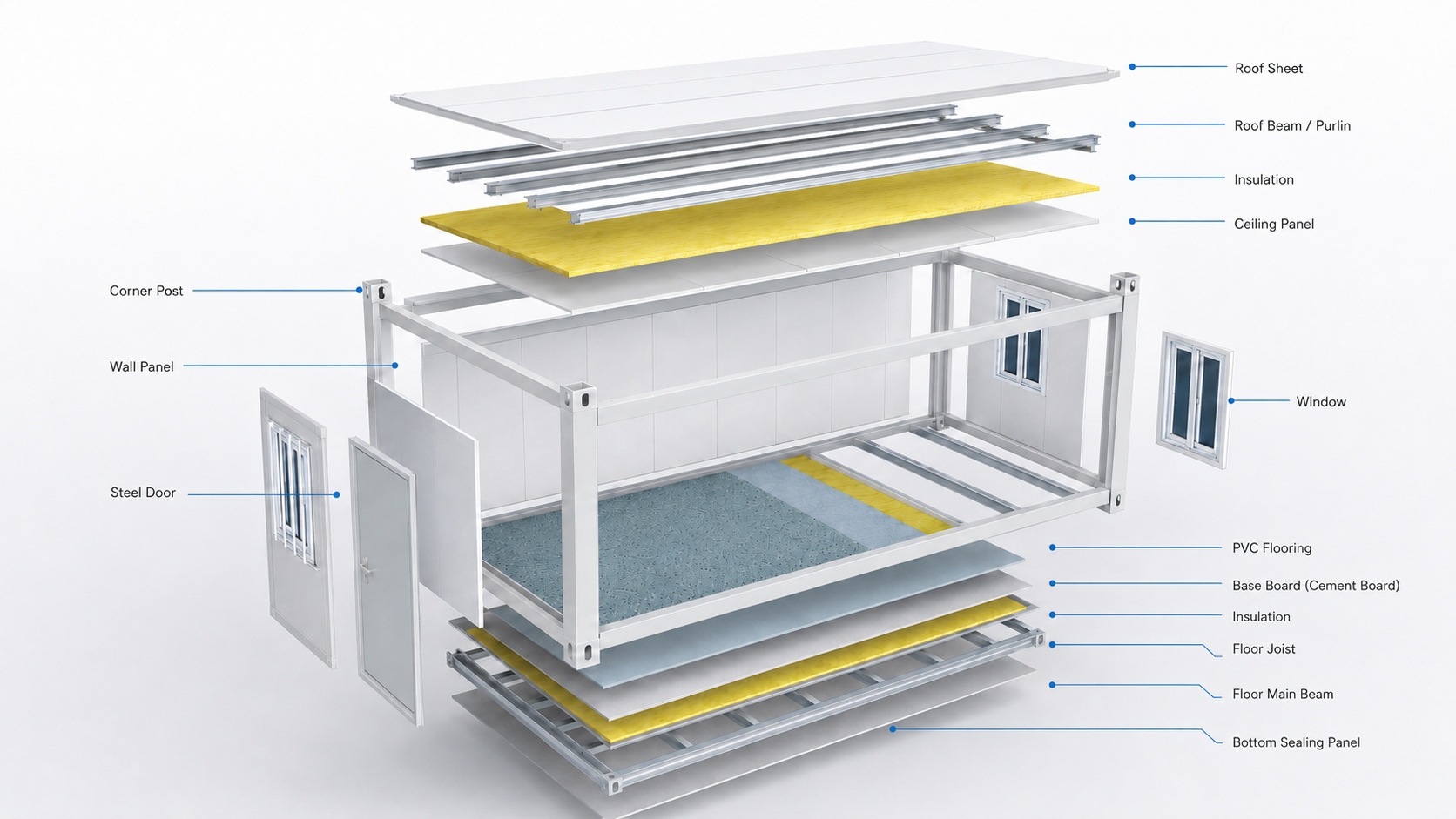
CDPH container houses use a robust steel structure with carefully defined material grades and thicknesses. Typical features include:
Main columns and beams made of hot‑dip galvanized steel such as SGH340 or SGC440, with thickness around 2.5 mm and zinc coating mass complying with GB/T standards for long‑term corrosion protection.
Cold‑formed steel components and purlins designed to ensure overall stability and to support roof and wall panels under wind and live loads.
Structural design that considers roof live load (for example around 0.5 kN/m²) and floor load, with deflection control to maintain safety and comfort.
These parameters help EPC structural engineers evaluate suitability against local codes and site conditions in South Africa, especially for high wind or coastal regions.
The technical documentation for the flat pack container house system defines wall and roof insulation schemes for temperature ranges from about −40−40 to 4040 degrees Celsius, using insulation thicknesses such as 50, 75, 100, 150 and 200 mm. For South African highlands and hot inland regions, this allows selection of appropriate thermal resistance without over‑specifying cold‑region levels. The insulation boards adopt specified density and thickness according to GB/T standards, ensuring stable performance over time.
For corrosion protection, CDPH adopts coating systems aligned with ISO 12944 corrosion categories from C1 to CX, specifying surface preparation, coating types and total dry film thickness for different environments. This is particularly relevant to South African coastal sites and industrial zones where container houses face higher corrosion risk. Tests such as salt‑spray and UV exposure (e.g., up to 960 hours UVB for PVDF coating systems) are used to verify durability.

South Africa and the wider African region feature diverse climates: coastal humidity, dry inland heat, high‑altitude cold and strong solar radiation. CDPH has developed climate‑targeted container house series that can be directly applied or adapted to these conditions. This is a strong selling point for a flat pack container house South Africa solution that must work across multiple sites and climate zones.
CDPH’s core product documentation also describes specialized series for plateau, desert and Gobi regions. These series focus on:
Plateau container houses that handle low air pressure, strong solar radiation and significant day‑night temperature differences with enhanced insulation and ventilation design.
Desert container houses for Middle Eastern climates, emphasizing solar protection, low U‑value envelopes, dust control and thermal comfort under intense heat.
Gobi container houses with reinforced wind resistance, sand protection and insulation to support harsh continental climates.
These proven regional solutions can be mapped to South African high‑altitude, semi‑desert and coastal‑desert zones. EPC teams can therefore rely on existing design logic rather than starting from scratch when developing a flat pack container house South Africa camp concept.
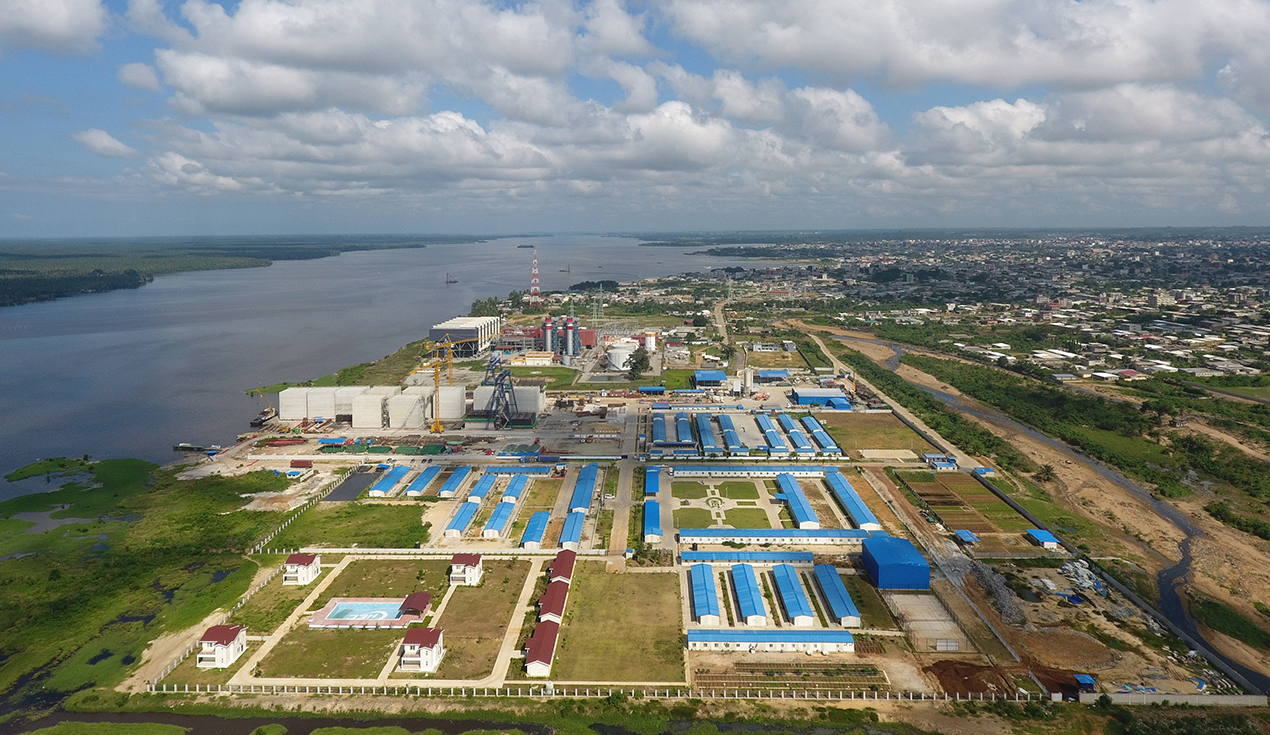
A flat pack container house South Africa unit becomes truly valuable only when integrated into a complete camp. CDPH views an engineering camp as a combination of nine major systems, built around container houses and other modular products. This systems thinking is especially important for EPC projects that must deliver turnkey camps to owners.
Typical systems include:
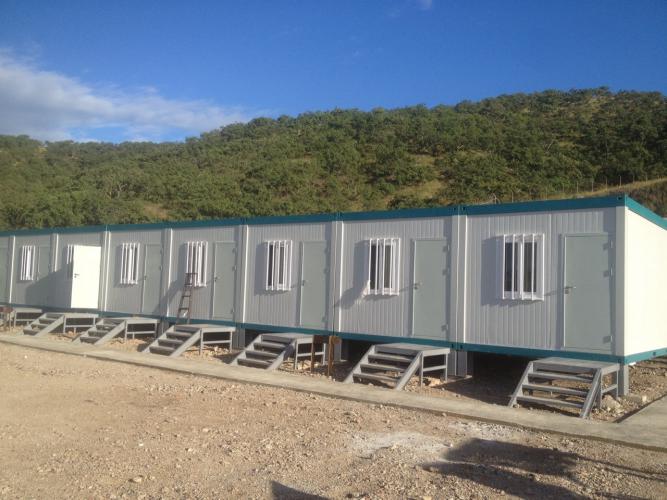
Residential and office system: Container house dormitories, managers’ accommodation, office buildings, meeting rooms and control rooms, configured by stacking and combining standardized box units.
Catering and sanitary system: Containerized canteens, kitchens, cold storage, toilets, showers and laundry facilities that match camp population and cultural needs.
Infrastructure and utilities system: Power generation or connection, water supply, drainage, fire‑fighting, HVAC and communication networks, all coordinated with container layouts.
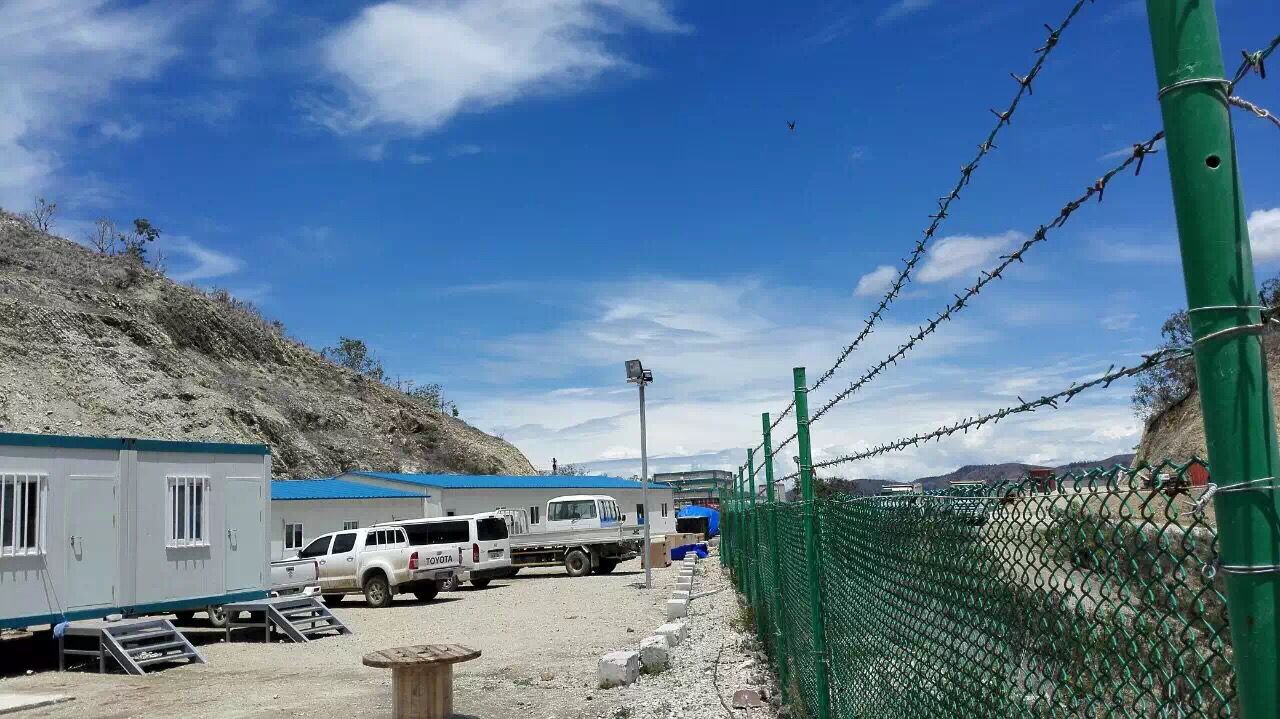
Roads and outdoor works system: Internal roads, parking, walkways, security fencing, lighting and landscape elements to support safe and efficient daily operation.
By designing these subsystems together, CDPH ensures that container houses are not isolated boxes but components of a functional, comfortable and maintainable camp. For EPC clients, this reduces the need to coordinate many small suppliers and lowers the risk of interface problems during construction and operation.
EPC projects in South Africa must satisfy strict owner requirements, lender due‑diligence and sometimes international standards for safety and quality. CDPH container houses are produced under a certified quality management system and backed by detailed testing records, allowing EPC clients to document compliance and manage risk more effectively.

According to the technical documentation, CDPH’s container house production follows GB/T 19001‑2016 / ISO 9001:2015 quality management standards. This system covers:
Incoming inspection of steel, coatings, insulation materials and accessories based on related national and industry standards.
Process control for cutting, forming, welding, galvanizing, coating, foaming, and panel assembly, using sampling rules such as GB/T 2828.1‑2012 / ISO 2859‑1.
Final inspection of container modules for geometry, appearance, structural performance, electrical safety, water tightness and other functional indicators.
Some products have also passed third‑party verification such as Intertek and CE‑related assessments mentioned in the corporate materials, which adds confidence for international owners and consultants.
The box‑type house technical description references structural load checks for roof and floor, ensuring that deflection and stress remain within allowable limits under design loads. The documentation also addresses:
Performance of enclosure systems according to GB/T 7019 and JCT 412.1, covering aspects such as airtightness, water tightness and thermal performance.
Electrical system design in accordance with JGJ 16, including cable selection, breaker configuration and protection devices for safe use in modular buildings.
Coating durability verified through salt‑spray and UV exposure tests for different coating systems (PE, HDP, PVDF), matched with corrosion categories.
For EPC engineers responsible for technical reviews, such data simplifies internal approval of flat pack container house South Africa solutions and provides a clear basis for technical clarifications with owners.
A key difference between CDPH and a simple box supplier is the service model. CDPH positions itself as a one‑stop engineering camp solution provider with 360° service across the camp lifecycle. This matches the way EPC contractors prefer to work: one responsible partner handling design, products, logistics and technical support.
Typical service stages include:
Planning and concept design: CDPH collaborates with owners and EPC teams to understand site location, climate, headcount, cultural requirements and contract duration, then proposes camp master plans and modular layouts based on container houses and related systems.
Technical configuration and optimization: The company selects container house types, insulation options, finishing levels and system interfaces aligned with budget and schedule constraints in South African projects.
Manufacturing and logistics: Using standardized flat pack modules and high packing density, CDPH organizes production and sea transport, optimizing container loading and delivery schedule to South African ports and inland destinations.
Site installation guidance: CDPH can provide supervisors or teams to guide local labor in assembling the flat pack container house South Africa units into complete buildings, ensuring structural reliability and a clean, consistent finish.
Operation support and after‑sales: During camp operation, CDPH offers technical advice, spare parts and necessary training to help clients maintain the modular facilities over their service life.
In some regions, CDPH also promotes container house rental and operation models, allowing clients to lease modular buildings for specific project periods and return them afterward. This concept suits temporary camps and short‑cycle projects where capital expenditure must be minimized.
For EPC contractors, owners and camp operators searching “flat pack container house south africa”, CDPH offers a combination of engineering‑grade products, climate‑adapted solutions and full‑cycle services. The company’s English website provides access to more information about container houses, case studies and productivity data.
To discuss an upcoming South African or African project, EPC teams can visit the official website at https://www.cdph.net/ and contact CDPH’s international project team for tailored camp solutions, layout proposals and technical communication. By leveraging CDPH’s standardized flat pack container house South Africa solutions, engineering projects can reduce camp risk, accelerate delivery and provide safer, more comfortable living and working environments for their teams.
Scan the QR code to follow