
Tel / Whatsapp:+86 18001125785

Email:chengdong@cdph.com.cn

INQUIRY→

Home/

News/

Blog/

Modular Home vs Prefab: What Oil & Gas Projects Need to Know/

Modular Home vs Prefab: What Oil & Gas Projects Need to Know

Blog

Release date:Jun 18, 2026

Share:

Modular Home vs Prefab: Why the Difference Matters for Oil & Gas Camps


For remote oil and gas projects, the choice between modular and broader prefab construction directly affects camp speed, safety, lifecycle cost and worker comfort. In challenging climates like the Niger Delta, desert fields in the Middle East or cold, high‑altitude blocks, an EPC modular camp solution often offers more control and predictability than generic prefab approaches.

In practice, all modular homes are prefabricated, but not all prefabricated buildings are modular. Understanding this distinction helps project owners choose the right camp technology and the right partner for engineering, procurement and construction (EPC) delivery.

You can explore more global engineering camp solutions on the CDPH homepage and solutions hub:https://www.cdph.net


What Do “Modular Home” and “Prefab” Really Mean?


Prefab: An Umbrella Concept

  • Prefabricated (prefab) construction means major building components are manufactured in a factory and transported to site for assembly.

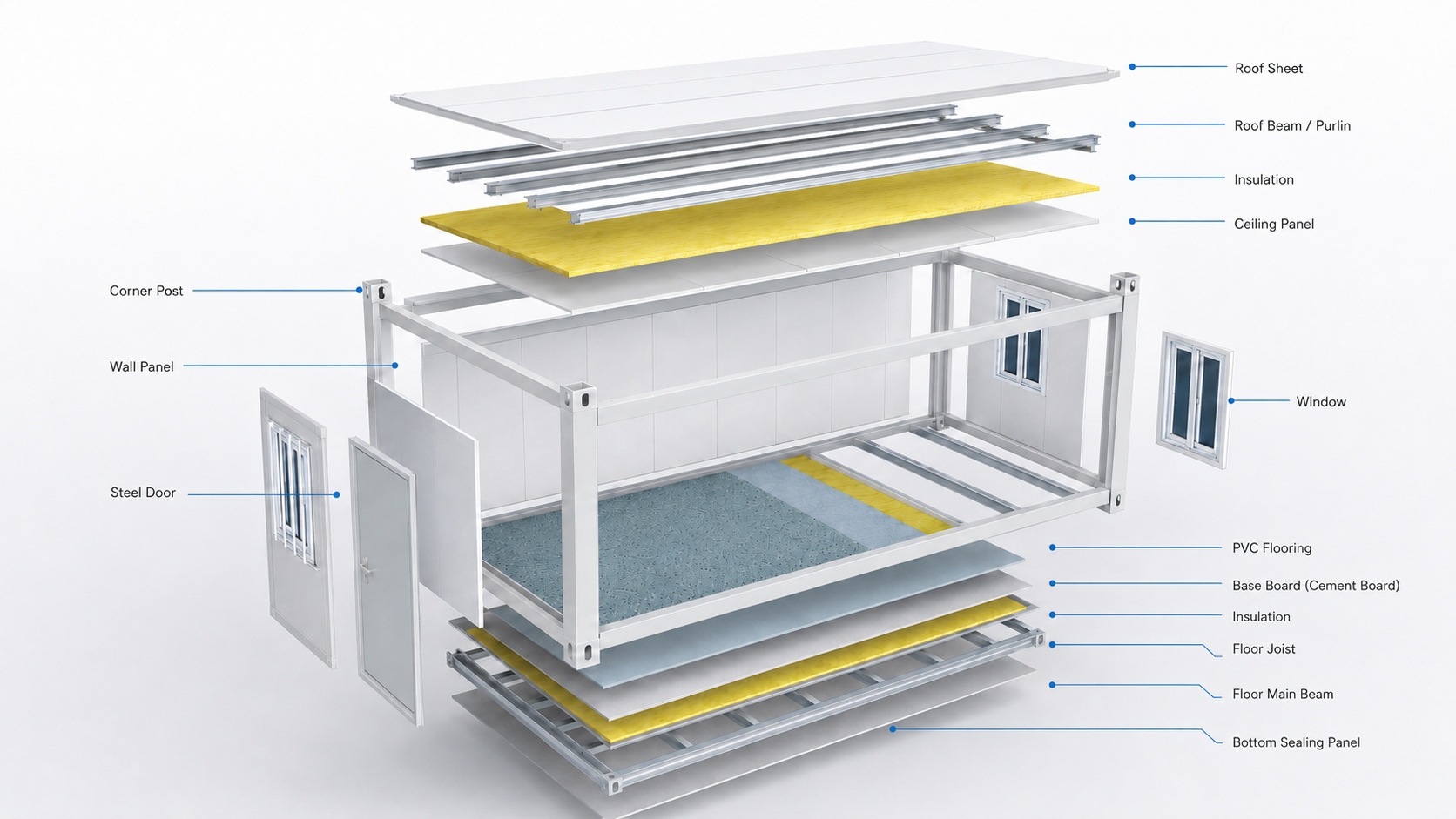
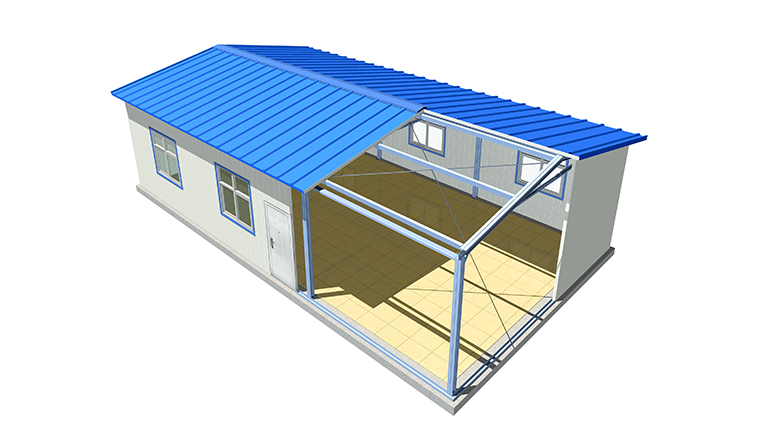
  • Prefab can include panelized systems, light steel frame buildings, container houses and fully volumetric modules.

  • For engineering camps, prefab might cover everything from flat‑pack container houses for fast deployment to light steel villas for higher‑end management accommodation.


Modular Home: A Specific Type of Prefab

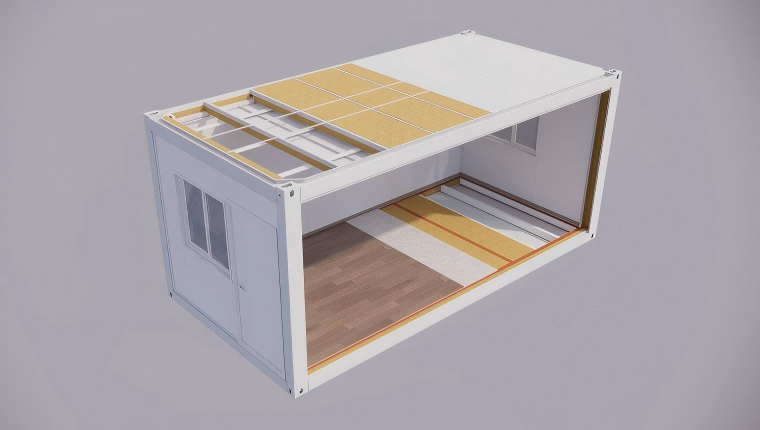
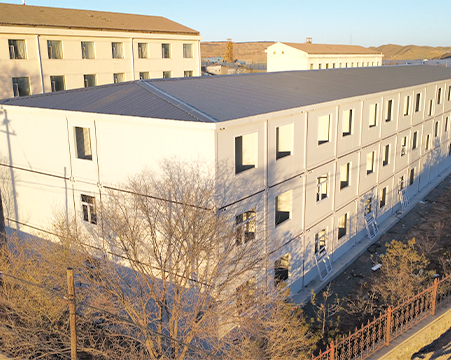
  • A modular home is a building composed of volumetric “modules” that are at least about 70% completed in the factory, including structure, insulation, finishes and often MEP rough‑in.

  • Modules are transported to the project site and assembled like building blocks on prepared foundations or steel podiums.

  • Because modular homes follow local building codes similar to conventional buildings, they can achieve comparable performance and service life while reducing schedule and site disruption.

In other words, prefab is the broad category, while modular is the focused solution many oil and gas EPCs prefer for repeatable, scalable worker camps.


How Climate and Environment Shape Oil & Gas Worker Camp Design


Oil and gas projects typically sit in some of the world’s most demanding environments, where the wrong camp technology can lead to condensation, corrosion, high energy bills and poor worker morale. When deciding modular vs other prefab options, climate is one of the first filters.


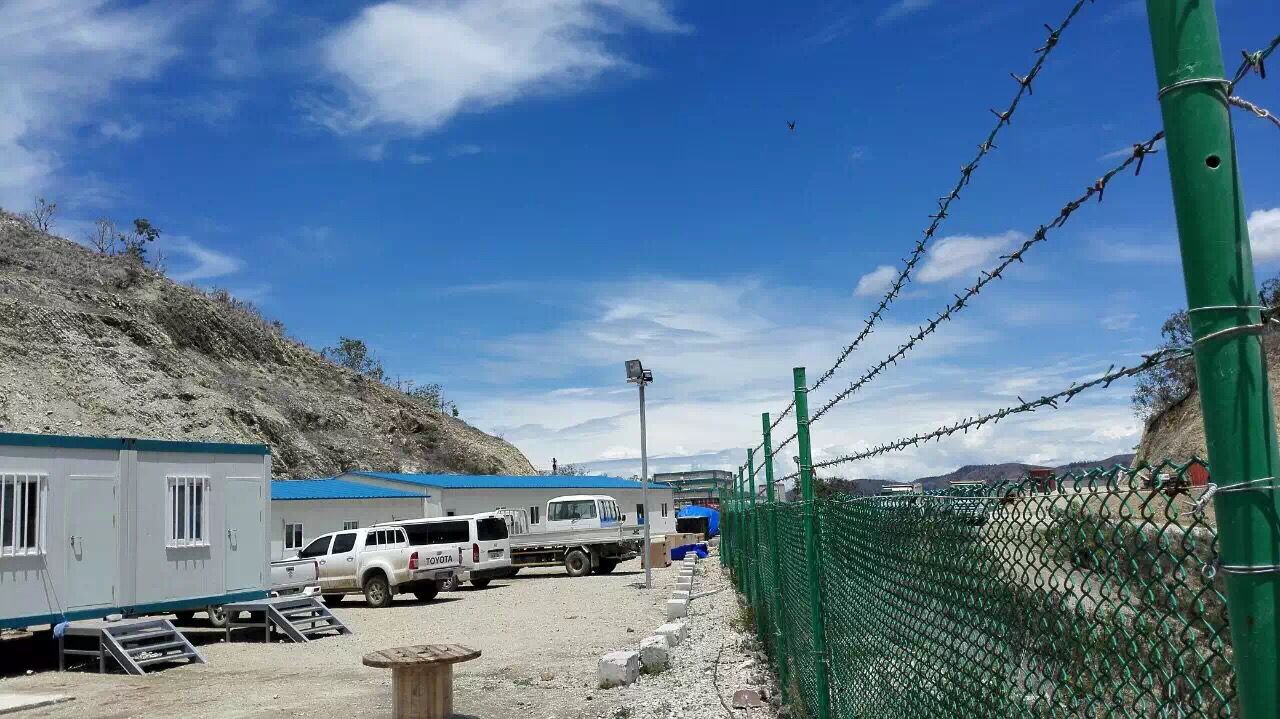
modular home vs prefab


Tropical and Coastal LNG Regions


In tropical coastal regions such as Nigeria’s LNG developments, camps must handle high humidity, heavy rainfall, corrosion from salt‑laden air and sometimes unstable soil conditions. These factors push designers toward:

  • Robust steel structures treated against corrosion

  • Enhanced roof drainage and waterproofing

  • High‑performance building envelopes to control condensation and indoor humidity

The Nigeria LNG worker camp, delivered with oil and gas modular construction, is a good example of how modular EPC camps can deliver durable accommodation and facilities in this environment while keeping construction time under control.


Desert Oil Fields


In Middle Eastern and North African deserts, summer daytime temperatures frequently climb above 45°C while nights cool sharply, creating extreme thermal stresses on buildings. Sandstorms, UV exposure and limited water availability further complicate camp operations. Here, cold‑resistant or desert‑optimized container houses and modular buildings with high‑performance insulation, sun‑shading and dust‑tight detailing are typically preferred.


Cold and High‑Altitude Gas Fields


In high‑latitude or high‑altitude oil and gas fields, winter temperatures can fall below −30°C or even −50°C, and snow or ice loading becomes critical. Cold‑resistant modular units with thicker insulation, thermally broken windows and proven snow‑load capacity are essential to maintaining safe, comfortable worker housing.

These examples show why EPC camp contractors such as Chengdong/CDPH design different modular and prefab product configurations for specific climate zones instead of offering one generic “prefab” solution.


Modular Camp vs Generic Prefab Camp for Oil & Gas


For an oil or gas operator, the practical decision is not between a single modular home or single prefab home; it is between a coordinated modular camp system and a looser collection of prefabricated components.


Key Differences at Project Level

AspectModular camp (volumetric)Generic prefab camp (mixed systems)
Technical definitionCamp made from factory‑finished volumetric modules, often 70%+ complete before shippingCamp assembled from various prefab components: panels, light steel, containers, etc.
Design integrationSingle, coordinated design for buildings plus nine supporting systems (power, water, sewage, etc.)Systems sometimes designed and procured separately, higher interface risk
ScheduleFast, predictable; building and civil works proceed in parallelOften slower; more work and coordination required onsite
Quality controlFactory QA/QC, repeatable modules, testable samplesQuality varies between suppliers and components
Lifecycle costOptimizable cost per bed per year with standard modules and 5S lifecycle serviceHarder to benchmark lifecycle cost; more variation in O&M
FlexibilityModules relocatable, stackable, extendable as project phases changeFlexibility depends on mix of prefab systems and connections

For remote oil and gas fields, modular camps delivered by an EPC camp contractor often offer the best balance of speed, quality and lifecycle cost, particularly for 500–3,000‑person worker populations.

For more background on modular construction in general, see Modular construction meaning: https://www.cdph.net/blog/modular-construction-meaning


What Products Typically Appear in an Oil & Gas Modular Camp?


A modern oil and gas worker camp is not only rows of dormitories; it is a small, fully engineered town. In modular and prefab terms, that usually includes:

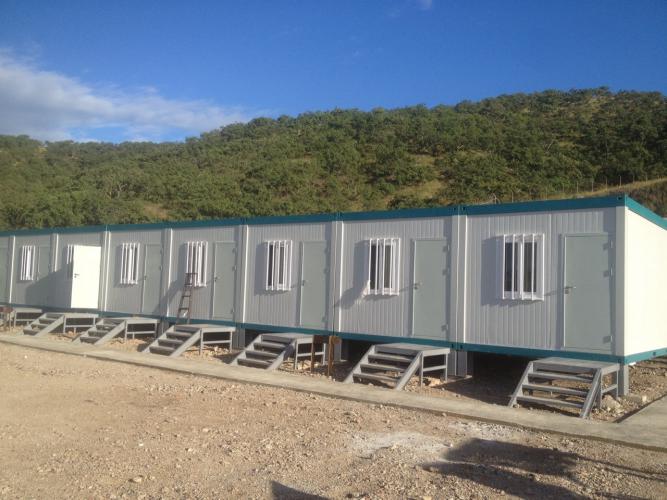
  • Container house systems for dormitories, canteens, offices and clinics, optimized for the project climate and service life

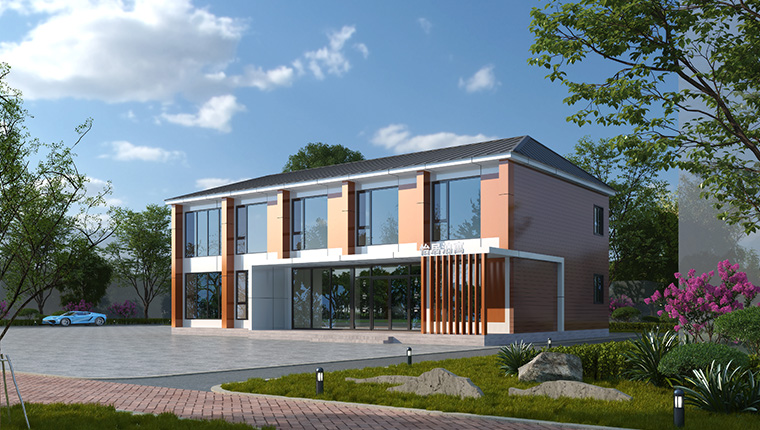
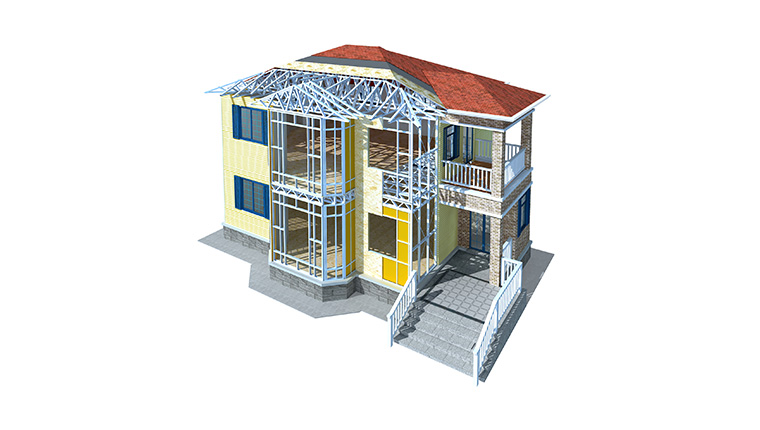
  • Light steel villas or modular villas for senior management accommodation or longer‑term base camps

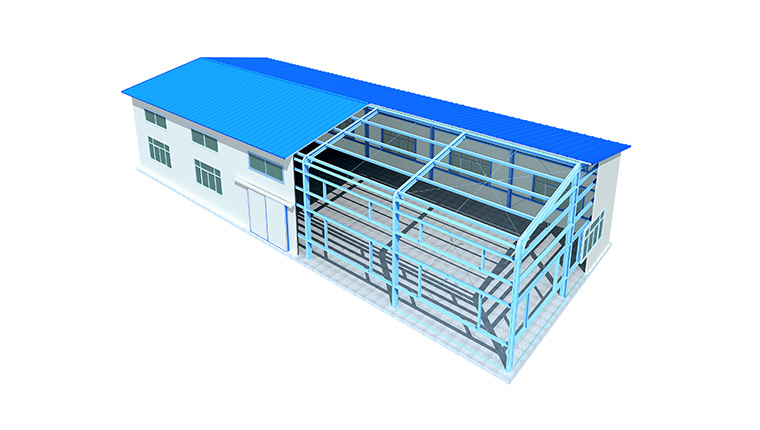
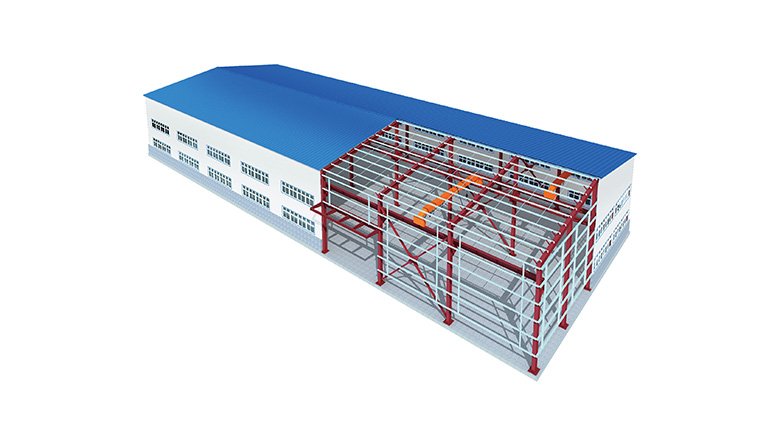
  • Steel structure buildings for central canteens, recreation, maintenance workshops or warehouses

You can explore representative product solutions on CDPH’s product pages:

CDPH’s cold‑resistant and desert container house configurations, for example, are engineered with climate‑specific insulation, structural loads and fire performance validated by testing organizations to ensure safe use in temperatures down to −50°C or in high‑heat desert regions.


Nigeria LNG Worker Camp: A Modular EPC Case Study


The Nigeria LNG worker camp is a representative case that shows how a modular EPC camp solution performs in an oil and gas context. The project required fast deployment of durable accommodation and working facilities to support LNG construction activities in a tropical coastal environment with high humidity and heavy rainfall.

By using modular construction, the camp delivered:

  • Rapid installation and early availability of worker housing and offices, helping the EPC contractor stabilize the workforce and reduce schedule risk

  • Climate‑adapted building envelopes and corrosion‑resistant details that withstand local conditions and minimize maintenance

  • A coordinated layout that integrates living, dining, office and support functions in a compact, walkable plan

You can review the full Nigeria LNG modular camp case here:


How an EPC Modular Camp Partner Adds Value


Choosing between modular vs other prefab options is only one part of the decision; selecting the right EPC camp contractor is equally important. A specialist like Chengdong/CDPH offers a single point of responsibility from concept through operation, reducing interface risk and freeing the owner’s team to focus on core production.


Typical EPC Modular Camp Process


  1. Project brief and feasibilityThe client shares project location, climate data, workforce curves, HSE and ESG targets, required functions, and lease or operation period. The EPC camp partner then recommends modular vs other prefab technologies and preliminary unit mixes.

  2. Concept design and master planningThe partner prepares a master plan covering camp zoning, traffic, separation from process units, and arrangement of accommodation, offices and service buildings. At this stage, climate‑specific product types (cold‑resistant containers, desert units, light steel villas) are locked in.

  3. Integrated eight‑ or nine‑system engineeringA complete EPC camp design integrates buildings, power, water, sewage, low‑voltage, fire protection, security, roads and landscaping under one coordinated model. This systems integration is easier with modular camps than with fragmented prefab sourcing.

  4. Factory manufacturing and logisticsModules and prefab components are manufactured in controlled factory conditions, while foundations and site works proceed in parallel. Logistics planning covers shipping routes, customs, inland transport and staging for rapid on‑site assembly.

  5. On‑site installation, commissioning and 5S360 lifecycle serviceThe EPC camp partner supervises installation, testing, commissioning and hand‑over, and can provide lifecycle services such as maintenance, unit relocation and upgrades based on the client’s long‑term plans.

This one‑stop EPC model is particularly valuable for energy operators who manage multiple simultaneous projects and need repeatable, standardized camp solutions across different countries and climates.


When to Choose Modular vs Other Prefab for Oil & Gas


From an oil and gas decision‑maker’s perspective, the modular vs prefab choice is usually driven by four main questions: schedule, scale, climate and lifecycle strategy.

  • For fast‑track projects with large headcounts, modular camps with standardized container units and an experienced EPC partner are usually the safest choice.

  • For small satellite sites, early‑phase exploration or temporary drill camps, simpler prefab solutions may be sufficient, especially when relocation frequency is high.

  • In extreme climates (tropical rainforest, desert, Arctic or high‑plateau), climate‑engineered modular or containerized solutions are strongly recommended due to performance and safety requirements.

  • For long‑term base camps or integrated operations centers, a hybrid of modular and higher‑spec prefab (for example, light steel villas for certain functions) can optimize both comfort and budget.

If you are planning a new oil and gas worker camp, sharing your project brief with a modular camp specialist like CDPH can help you quickly evaluate the best technology route, cost per bed per year, and phased delivery plan.

whatsapp.png
+86 18001125785
zongubimgfz3.svg
chengdong@cdph.com.cn

Scan the QR code to follow