
Tel / Whatsapp:+86 18001125785

Email:chengdong@cdph.com.cn

INQUIRY→

Home/

News/

Blog/

How Long Can a Container House Last in Real Engineering Camps?/

How Long Can a Container House Last in Real Engineering Camps?

Blog

Release date:Jun 18, 2026

Share:

How Long Can a Container House Really Last?


For most modern projects, a well‑built container house typically offers a service life of around 15–25 years, and can reach 30–50 years or more with the right design and maintenance. CDPH’s own technical guidance notes that container houses in low‑corrosion environments usually start from at least 10–15 years of reliable use, with higher figures achievable under favorable conditions.

The wide range comes from differences in environment, materials, coatings, structural design, and day‑to‑day operation. In harsh engineering camps—such as desert, alpine, or coastal projects—container houses are often designed as 8–15+ year assets per deployment, but can be redeployed across multiple projects to extend their total economic life. In milder climates and residential settings, container modular houses with enhanced steel protection and building‑grade finishes can reach 30–50 years of service, comparable to many conventional buildings.

To understand what you can expect from your own project, it helps to look at the climate and environment first, then match that to container house specifications and EPC camp experience.


Why Climate and Environment Matter for Container House Lifespan


Typical Climate Zones for Engineering Camps


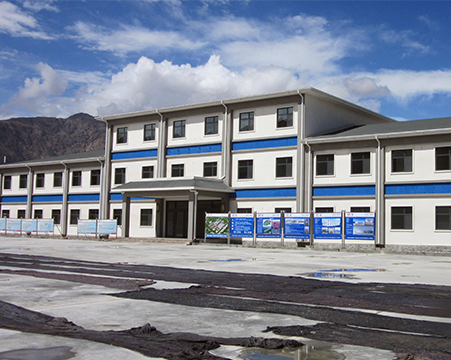
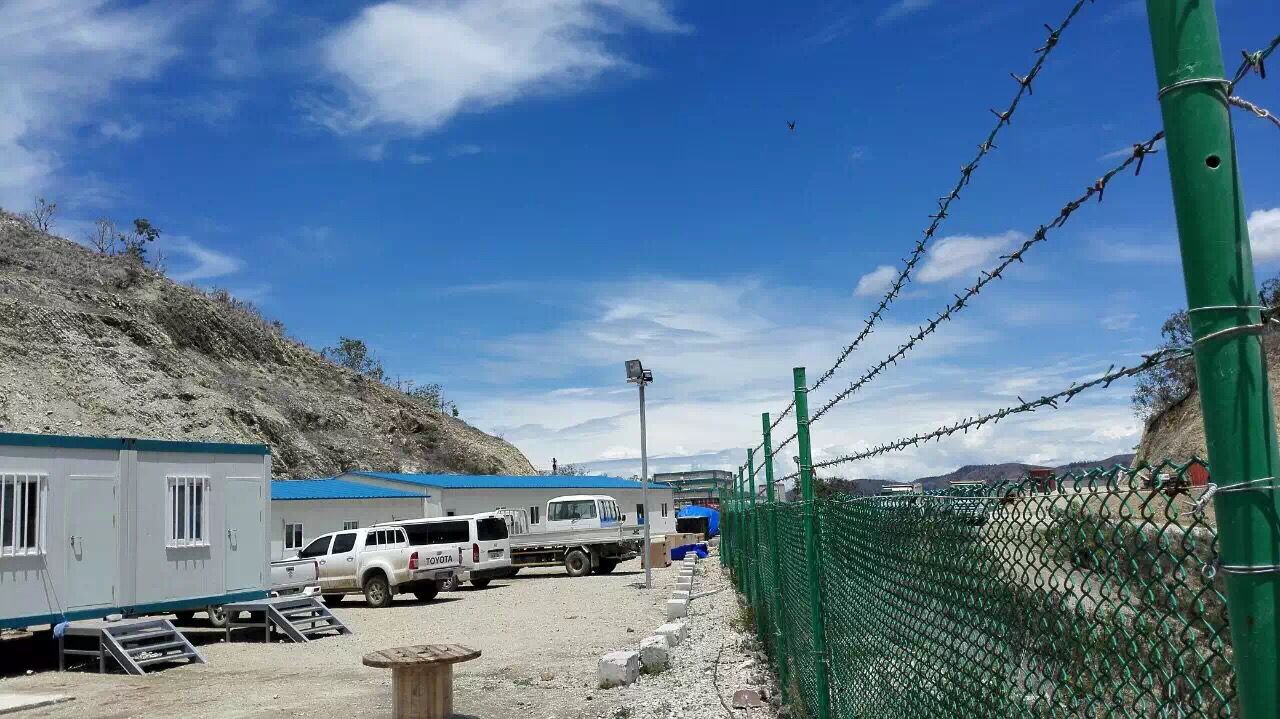
Engineering camps are often located in some of the toughest environments: deserts, plateaus, alpine regions, tropical coasts, and remote inland sites. CDPH has delivered thousands of modular and container house units for such camps in South America, Africa, Central Asia, the Middle East and other regions, each with distinct durability challenges.

Common environmental categories include:

  • C2 low‑corrosion environments – Mild inland climates with limited pollution or salt exposure, where container houses can reliably achieve at least 15 years of service life under appropriate coating systems.

  • C3–C5 higher‑corrosion environments – Coastal, industrial, or desert environments with higher humidity, salt, dust, or temperature swings, where materials and coatings must be upgraded to maintain similar lifespans.


Environmental Factors That Shorten or Extend Life


Several external conditions have a direct impact on how long a container house can last:

  • Corrosion exposure – Salt‑laden coastal air, industrial pollutants, or constant humidity accelerate steel corrosion if coatings are not optimized.

  • UV and temperature cycles – Strong solar radiation and wide day–night temperature differences stress coatings, sealants, and insulation.

  • Wind and sand – High winds and sandstorms in desert or Gobi regions erode exterior finishes and can cause mechanical wear on joints and details.

  • Snow and ice – Alpine regions require structural design for snow loads, as well as detailing to manage freeze–thaw cycles around joints, fasteners, and foundations.

When a container house is engineered with an accurate understanding of local climate—correct steel grade, coating system, insulation, sealing, and drainage—the structure can achieve service lives of 20–30 years or more even under relatively demanding conditions.

For an overview of CDPH’s global engineering camp experience in different climate zones, you can refer to the company homepage: https://www.cdph.net.


Container House Structure and Materials: The Basis for Service Life


Steel Structure and Protective Coatings


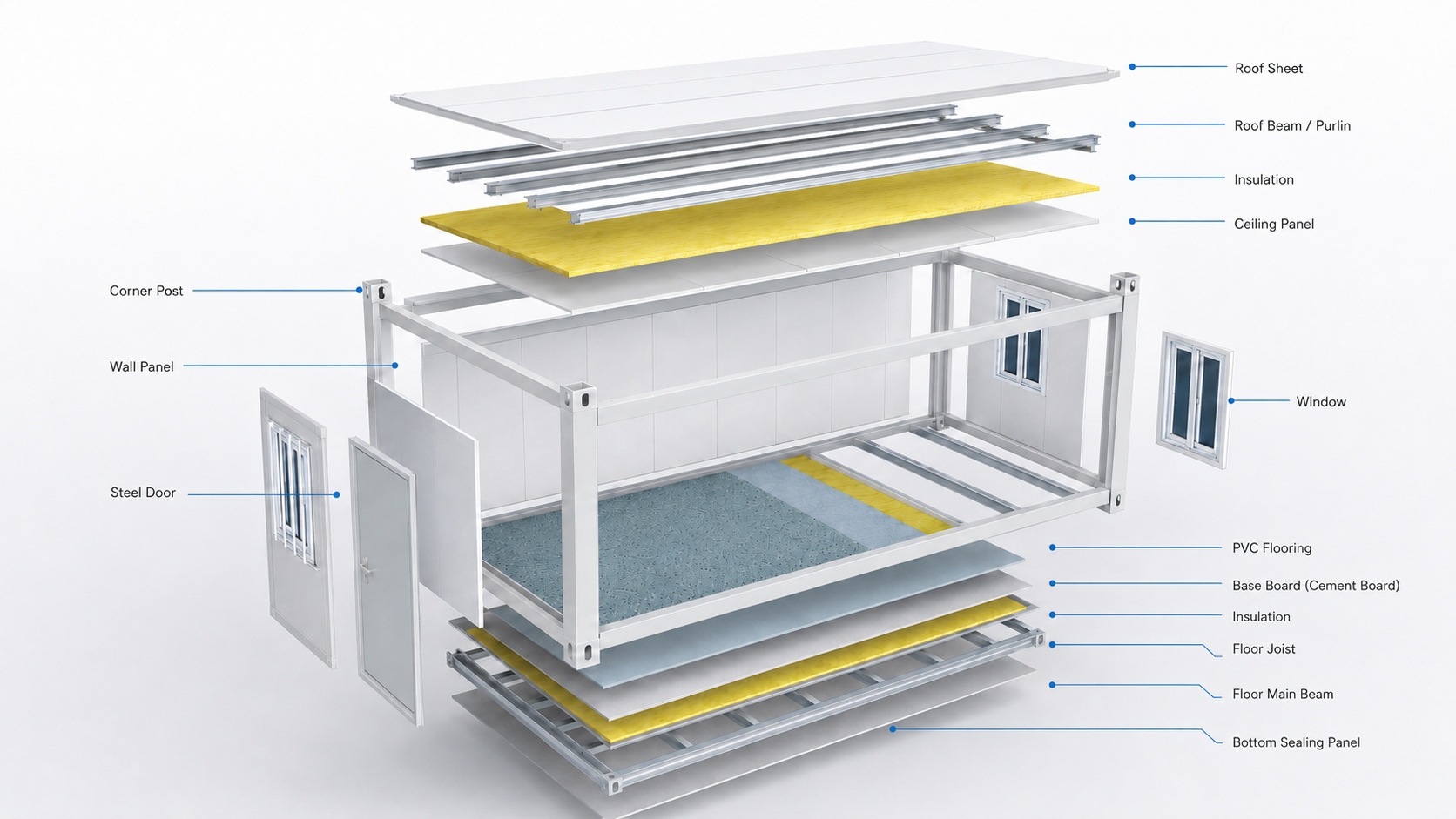
A container house relies on its steel frame and panels as the primary durability backbone. CDPH’s container house technical standards use structural steels and galvanized components designed to meet specific load and corrosion classes, combined with multilayer coating systems tested to international benchmarks. Properly applied, these coatings can protect the steel substrate for 10–15 years or more before major recoating, depending on the environment.

Key structural and material features that support a long service life include:

  • Hot‑dip galvanized structural members with sufficient zinc coating thickness to resist corrosion.

  • Exterior color steel sheets and sandwich panels tested for UV and salt‑spray resistance, meeting ISO and GB standards for long‑term exposure.

  • High‑performance sealants and gaskets at joints to prevent moisture ingress and hidden corrosion.

With these measures in place, CDPH states that container and modular houses can offer 10–15 years of service life as baseline products, while optimized container modular houses reach 30–50 years or more under proper maintenance.


Insulation, Fire, and Interior Systems


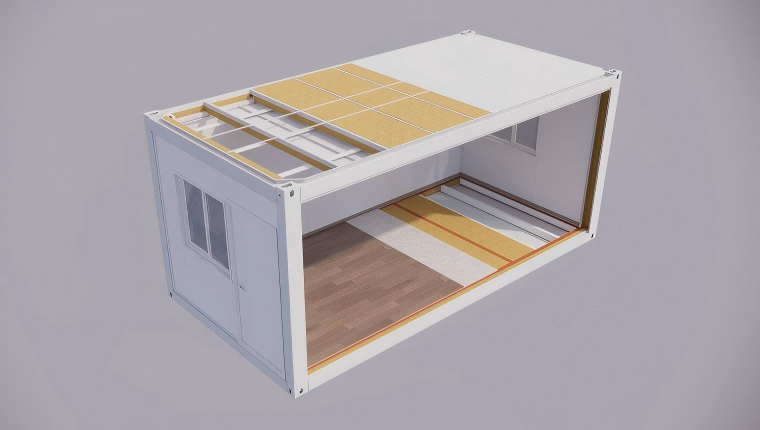
Beyond structure, insulation and interior systems also influence how long a container house stays functional and comfortable. Proper insulation prevents condensation that can damage both steel and interior finishes, while fire‑safe materials protect the structure in emergencies.

CDPH container houses typically use:

  • Mineral wool, glass wool, EPS, or PU sandwich panels tailored to the project’s temperature range and fire requirements.

  • Fire‑rated wall and ceiling panels, along with smoke detectors and fire‑fighting systems where required.

  • Ventilation and HVAC solutions adapted from remote camps, which help manage humidity and indoor air quality, especially in tropical or cold regions.

These technical choices not only support comfort and safety, but also help prevent premature deterioration, extending the effective life of the container house. For a broader look at CDPH’s container modular solutions, visit: https://www.cdph.net/blog/container-modular-house.


EPC Camp Experience: Real Lifespan in Harsh Projects


Engineering Camps: Repeated Deployment Over 8–15+ Years


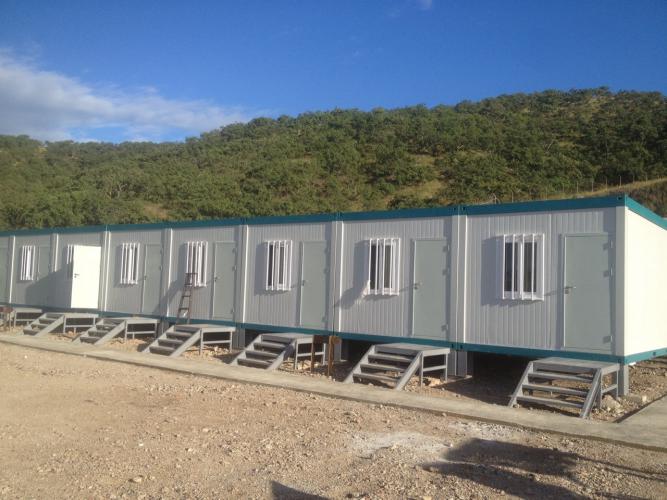
In real engineering‑camp practice, container houses must balance durability with mobility and investment return. CDPH modular flat‑pack and container units for camps are typically engineered for 15–20 years of design service life under normal use, and can be reused across multiple project cycles.

In many remote camps, a single deployment may last 3–7+ years, after which the same container houses are dismantled, transported, and reinstalled at a new project. This multi‑cycle reuse allows contractors to benefit from 10–20 years or more of cumulative use, even in harsh environments.

CDPH’s EPC‑style delivery—covering planning, nine‑system integration, logistics, construction management, and camp operation—ensures that container houses are designed from the outset for safe assembly, disassembly, and redeployment without significant structural fatigue.

For a portfolio of engineering‑camp projects where container houses have been deployed under different climates, see: https://www.cdph.net/case-center?application_area=1.


Case Study – Container Camp in a Challenging Region


One representative example of container house durability in a real project is CDPH’s rapid‑deployment container housing for an aid and engineering camp in Afghanistan, featured in Case Center entry 99. In this project, CDPH delivered a container‑based camp under tight timelines and complex local conditions, combining structural robustness with fast assembly and future relocatability.

The camp used standardized steel‑framed container modules with coordinated water, power, fire, and security systems, creating safe and comfortable accommodation in a remote, high‑risk environment. Designed for repeated relocation, these container houses can serve multiple project cycles, extending their total service life well beyond a single deployment. This case demonstrates how EPC camp experience informs practical lifespan planning—not just for the steel boxes themselves, but for the entire camp system over many years.

You can review the full details of this project here: https://www.cdph.net/case-center/99.


how long can a container house last


How Long Can a Container House Last in Different Regions?


Expected Lifespan by Climate (Engineering‑Camp Perspective)


The table below summarizes typical expectations for container house lifespan in different project environments, assuming CDPH‑level design and regular maintenance.


Environment typeTypical use caseIndicative lifespan*Notes
Mild inland (C2)City‑edge camps, storage15–25+ yearsMinimum 15‑year service life; longer with recoating and good maintenance.
Coastal / humidPorts, marine projects10–20+ yearsUpgraded coatings and careful detailing needed to manage salt and humidity.
Desert / GobiOil & gas, mining camps10–20 yearsSand, UV, and temperature swings considered in structural and coating design.
Alpine / coldHydropower, plateau camps10–20 yearsCold‑resistant insulation and detailing protect structure and interiors.
Residential / mildLong‑term container housing25–50+ yearsEnhanced finishing and maintenance bring lifespans close to conventional homes.

In all regions, the EPC mindset—correct siting, drainage, ventilation, and integrated utilities—has a strong impact on whether a container house actually reaches its design life. Poor foundations, standing water, or unventilated interiors can cut service life significantly, even if the steel and coatings are theoretically adequate.


Key Actions to Maximize Container House Lifespan


From an owner or contractor perspective, extending the life of container houses comes down to a few critical practices. CDPH’s engineering‑camp projects highlight several best‑practice steps:

  • Choose the right specification for your climateMatch steel grades, coating systems, and insulation packages to local corrosion and temperature conditions rather than relying on generic designs.

  • Invest in proper foundations and drainageEnsure elevated, well‑drained foundations so that water does not pool under or around the container house, reducing corrosion and structural risk.

  • Plan for maintenance cyclesSchedule periodic inspections for rust spots, joint failures, sealant aging, and roof wear, with recoating and repairs as needed to prevent small issues becoming structural problems.

  • Protect high‑wear areasUse additional cladding or protection in zones exposed to impact, frequent movement, or severe weather (e.g., sand‑blasted façades in deserts or windward sides on coasts).

  • Leverage EPC support where possibleWorking with an EPC‑experienced supplier like CDPH allows you to integrate structure, utilities, and site planning, which helps container houses achieve their full design life across multiple projects.

For more detail on CDPH container house solutions for camps and projects, you can refer to their dedicated container house overview: https://www.cdph.net/blog/china-container-house-solutions-for-global-projects.

whatsapp.png
+86 18001125785
zongubimgfz3.svg
chengdong@cdph.com.cn

Scan the QR code to follow