
Tel / Whatsapp:+86 18001125785

Email:chengdong@cdph.com.cn

INQUIRY→

Home/

News/

Blog/

Benefits of Modular Construction for Global Engineering Camps/

Benefits of Modular Construction for Global Engineering Camps

Blog

Release date:Jun 18, 2026

Share:

What Is Modular Construction and Why It Matters for Camps


Modular construction is a building method where most of the work happens off‑site in a factory, using pre‑fabricated modules that are transported to the site for fast assembly. Foundations and utilities are prepared in parallel, so when modules arrive, they are lifted into place, connected structurally and mechanically, and quickly finished into complete buildings. For global engineering camps—often in remote or harsh environments—this model dramatically reduces risk from weather, labor shortages, and logistics, while delivering predictable quality.

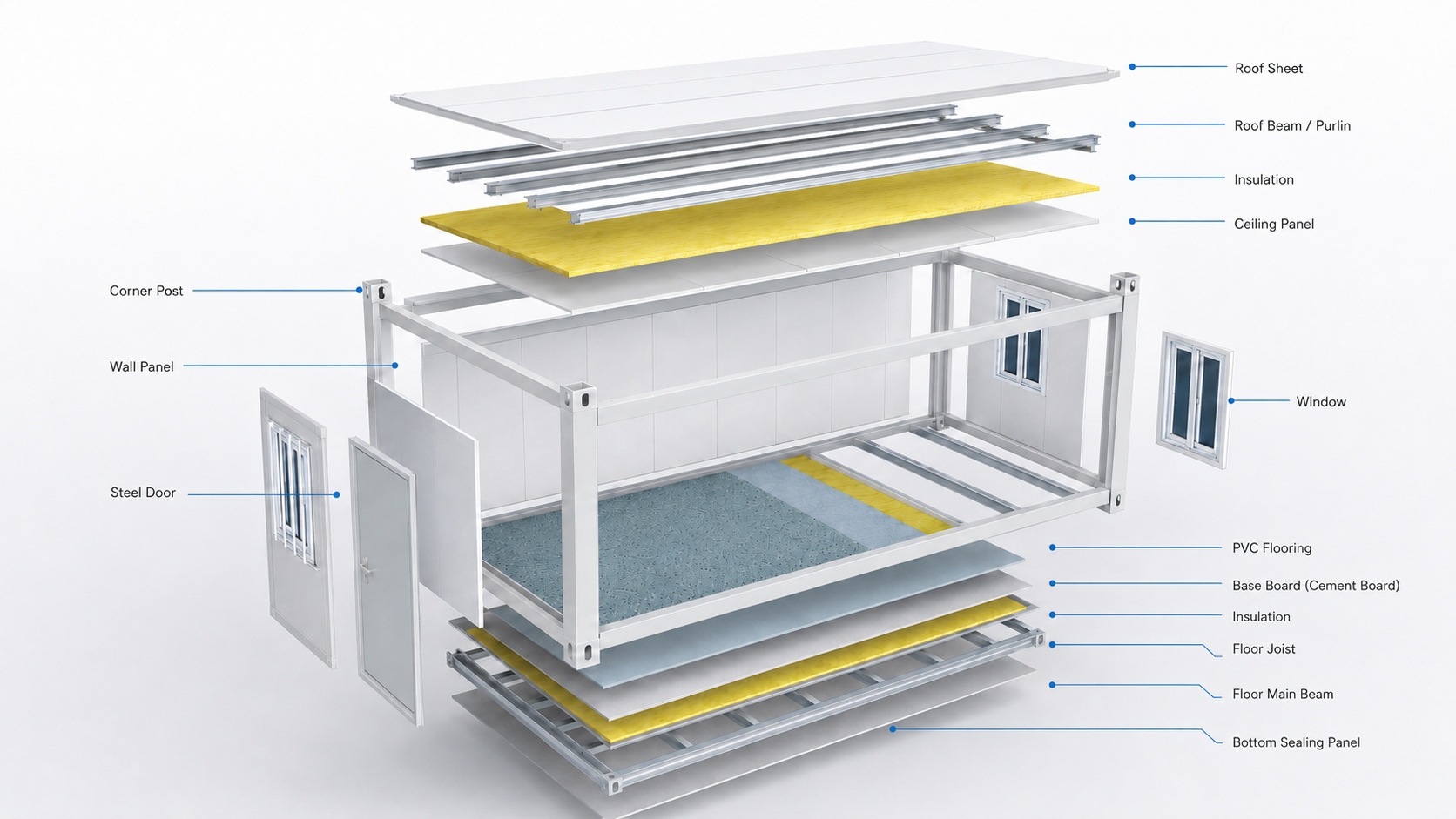
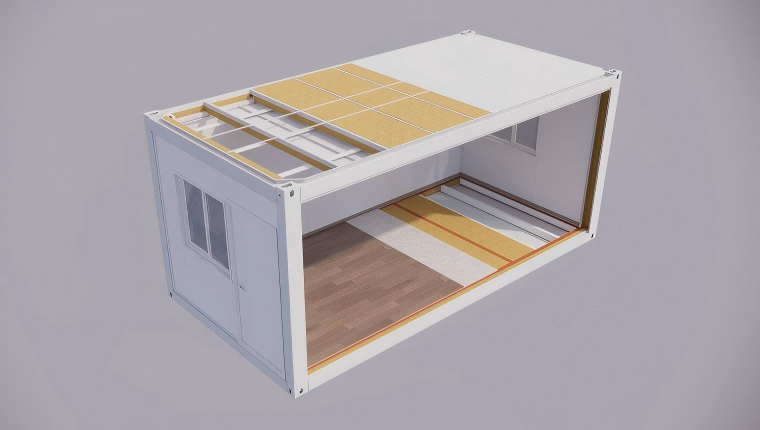
CDPH (Chengdong Modular House) applies modular construction to container houses, prefab houses, and steel‑structure systems for engineering camps, housing, schools, and offices in more than 100 countries. Its flat pack container houses and modular buildings are designed as integrated systems, combining structural frames, insulation, finishing, and building services into repeatable modules optimized for speed and reliability on complex sites.

To see CDPH’s global modular solutions, visit the homepage: https://www.cdph.net.


Climate Challenges in Global Engineering Camps


Harsh Regions Where Modular Construction Excels


Engineering camps are rarely built on easy sites. They are often located in:

  • Desert and Gobi regions – Very high daytime temperatures, cold nights, sandstorms, and intense UV exposure, typical for oil & gas and mining projects.

  • Plateau and alpine regions – Low temperatures, snow loads, and strong winds, common in hydropower, transmission, and infrastructure projects.

  • Tropical coastal zones – High humidity, heavy rainfall, and salt‑laden air that accelerate corrosion and mold risks for conventional buildings.

CDPH has delivered modular camps across South America, Africa, Central Asia, and the Middle East, tailoring designs to these specific climates. The company’s product system includes cold‑resistant container houses for −50°C, Gobi and desert houses with enhanced thermal and dust resistance, and coastal solutions with corrosion‑resistant coatings.


Environmental Problems Camps Must Solve


In such environments, traditional stick‑built construction faces multiple problems:

  • Unpredictable schedules due to weather and access constraints

  • Poor quality control under on‑site, open‑air conditions

  • High material waste and logistics complexity

  • Difficulty meeting modern comfort, safety, and environmental standards

Modular construction directly addresses these pain points by moving most work into controlled factories, optimizing transport, and standardizing components that perform reliably across diverse climate zones.


Core Benefits of Modular Construction


Faster Delivery and Earlier Camp Operation


One of the most important benefits of modular construction is speed. Because modules are produced in a factory while the site is being prepared, overall schedules can be shortened by around 30–50% compared with traditional construction. CDPH’s modular housing and flat pack container solutions follow this model, allowing engineering camps to become operational much earlier—critical for projects where every day of delay has a high financial cost.

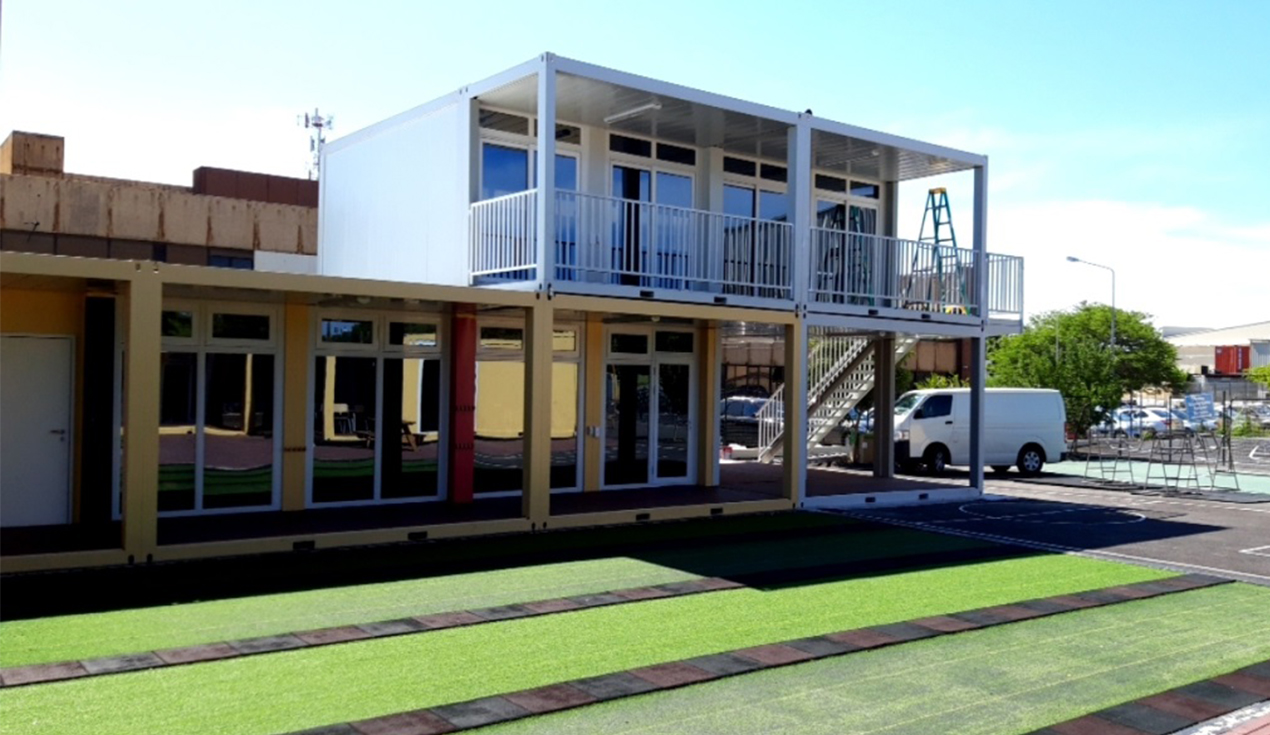
Factory production also reduces weather‑related downtime, so timelines are more predictable even in rainy seasons, deserts, or alpine regions. For example, CDPH modular classrooms and offices can be installed in weeks rather than months once the foundations and utilities are ready, minimizing disruption and accelerating revenue or production.


Cost Savings and Predictable Budgets


Modular construction consistently delivers cost advantages across the project lifecycle. Factory‑controlled production reduces material waste, leverages bulk purchasing, and improves labor efficiency, which translates into lower cost per square meter. Industry data shows that modular buildings can be 20–50% cheaper than traditional construction on a total cost basis, especially when schedule savings are included.

CDPH’s flat pack container houses and modular offices illustrate this advantage: standardized structural and finishing systems, combined with centralized procurement, allow competitive, transparent pricing for global clients. At the same time, predictable factory outputs help minimize on‑site rework and change orders, giving EPC contractors and owners much better budget control.


High and Consistent Quality


Because modules are fabricated in controlled indoor environments, modular construction achieves more consistent quality than conventional on‑site building. Components are protected from rain, dust, and temperature extremes during assembly, and quality checks can be standardized for every unit.

CDPH’s container and modular house systems are built using standardized steel structures, tested insulation assemblies, and electrical and plumbing systems compliant with relevant codes. Factory testing of structure, waterproofing, and fire performance ensures that each module meets design standards before leaving the plant, which is especially valuable when installing camps far from urban centers.


Flexibility, Scalability, and Relocation


Modular construction is inherently flexible. Modules can be stacked or arranged side‑by‑side to form accommodation blocks, offices, schools, clinics, or dining halls, and can be extended or reduced as the project evolves. This flexibility is crucial for engineering camps, where workforce numbers and functional needs change over the project lifecycle.

CDPH container houses and flat pack systems are designed for rapid installation and disassembly, allowing units to be relocated to new projects or reconfigured for different uses. This multi‑project reuse significantly improves the return on investment and aligns with modern sustainability goals.


Sustainability and Reduced Environmental Impact


Modular construction produces significantly less waste than traditional building methods—studies and industry data show material waste reductions of up to 50–67% in some cases. Factory precision cutting and standardization minimize off‑cuts, while site disturbances (dust, noise, and debris) are reduced because less work is performed on the project site.

CDPH’s modular and container house solutions emphasize recyclable materials (such as steel structures and panels), energy‑efficient insulation, and integrated environmental systems like wastewater treatment and smart lighting in camps. These features help owners meet green building requirements and reduce operating costs, particularly in long‑term camps and housing projects.


CDPH Modular Products Used in Engineering Camps


Flat Pack Container Houses and Modular Housing Systems


CDPH provides a range of modular products tailored to engineering camps, including:

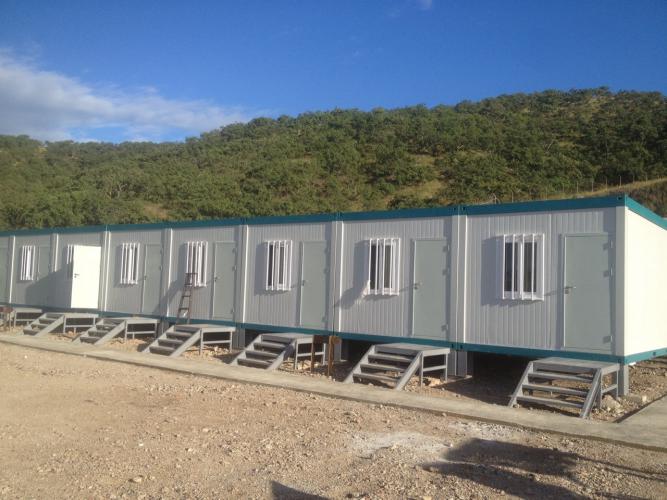
  • Flat pack container houses – High‑integration modules where roofs and floors do not require secondary decoration, making them easy to assemble, stack, and relocate.

  • Cold‑resistant container houses – Systems engineered for temperatures down to −50°C, with optimized insulation and glazing packages for different cold zones.

  • Desert and Gobi container houses – Solutions with enhanced thermal insulation, dust protection, and wind resistance for arid regions.

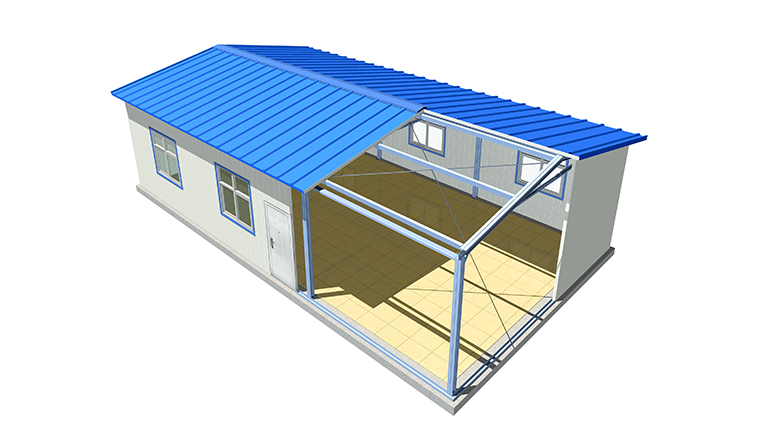
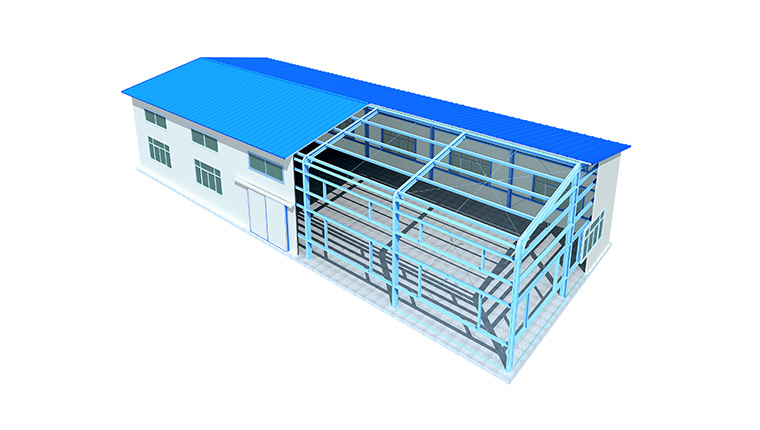
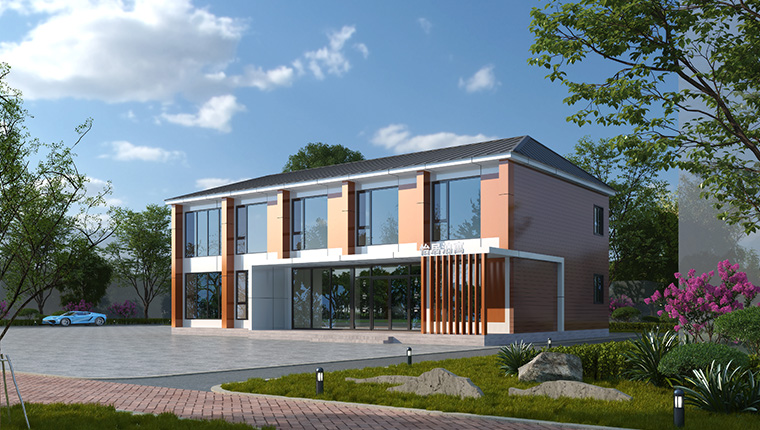
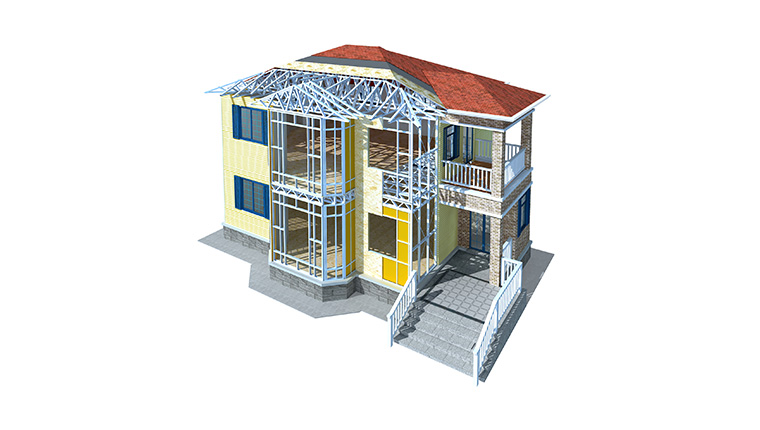
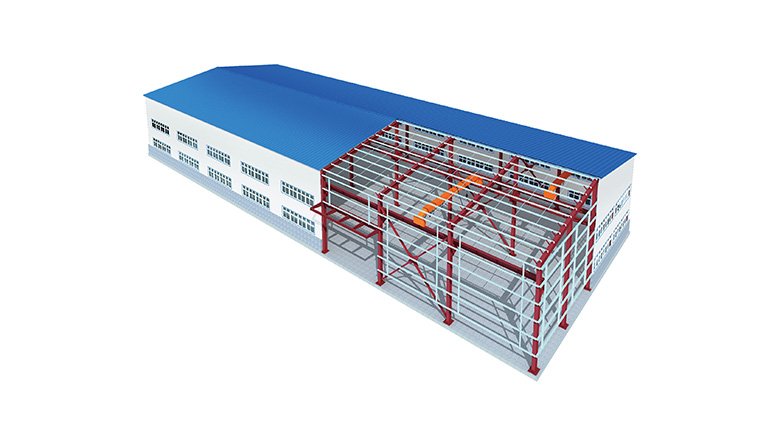
  • Light steel modular buildings – Larger modular complexes for offices, accommodation, or public buildings that integrate with the same nine‑system camp platform.

You can explore CDPH’s broader modular and container house offerings for global projects here: https://www.cdphhouse.com.


Integrated Nine‑System Solutions


Beyond the modules themselves, CDPH integrates nine major systems into its modular camp solutions: building, water supply and drainage, power, low‑voltage, fire protection, security, roads and traffic, environmental landscaping, and environmental protection. This integrated design ensures that modular buildings are immediately functional and compliant once installed, without fragmented coordination between multiple suppliers.

In practical terms, this means container houses and flat pack modules arrive with pre‑designed interfaces for power, water, fire detection, and data, so EPC teams can connect them quickly and reliably on site.


EPC Camp Experience: Benefits in Real Projects


Why EPC Matters for Modular Construction


CDPH operates as an EPC‑style camp solution provider: it supports clients from early planning and design through logistics, on‑site installation, and camp operation. This approach multiplies the benefits of modular construction because design decisions, module specifications, and logistics are all aligned with project realities from the start.

Key advantages of combining EPC and modular construction include:

  • Optimized site master planning, including building layout, traffic flows, and future expansion.

  • Coordinated design of modules and infrastructure, reducing clashes and rework.

  • Streamlined logistics and packaging to reduce shipping volume and on‑site handling.

  • Professional site management teams familiar with local regulations and labor management in multiple countries.


benefits of modular construction


Rapid Modular Camp for Afghanistan Aid


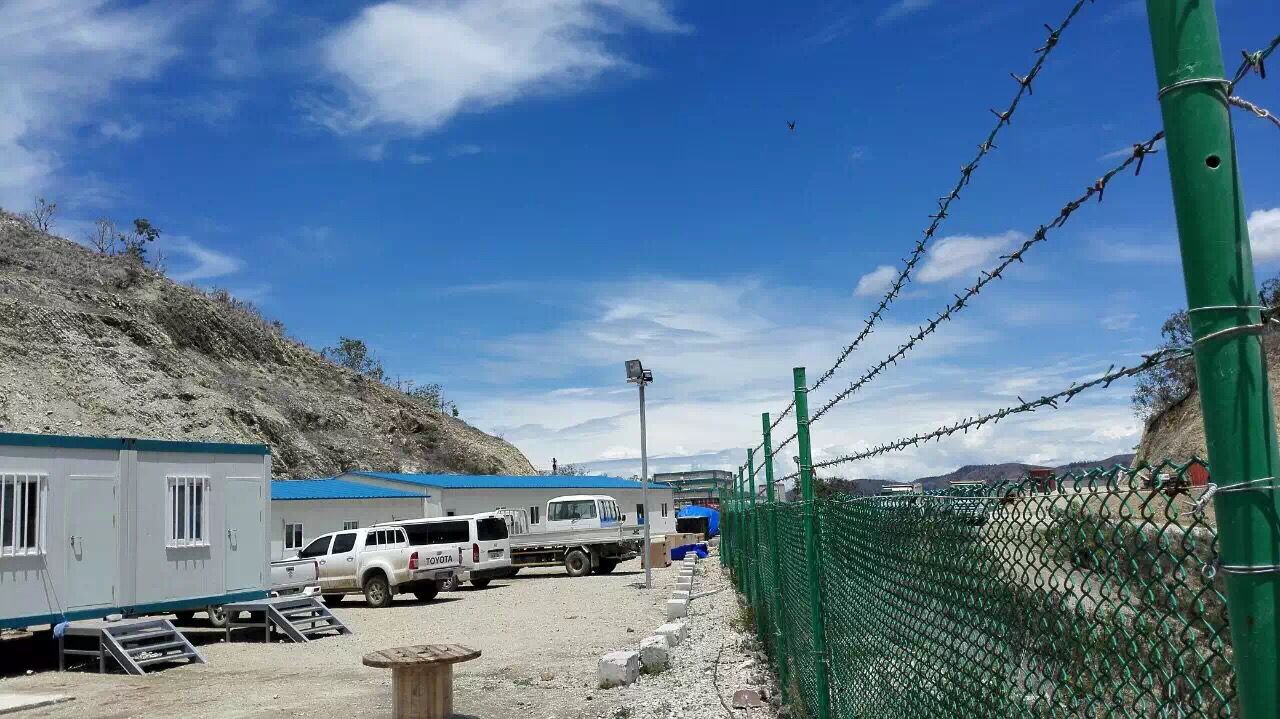
A strong illustration of the benefits of modular construction in an EPC camp context is CDPH’s rapid‑deployment container housing project for an Afghanistan aid and engineering camp, featured as Case Center entry 99. In this project, CDPH supplied modular container housing under intense time pressure and complex local conditions, providing a safe, functional camp in a challenging environment.

Using standardized container modules, CDPH delivered accommodation and supporting facilities with integrated water, power, and security systems, enabling fast on‑site assembly and future relocation potential. The modular approach allowed most of the work to be completed in factories and logistics hubs, minimizing on‑site labor in a risk‑sensitive area while still meeting the client’s comfort and safety requirements.

You can read more about this project here: https://www.cdph.net/case-center/99.


Benefits of Modular Construction by Climate and Region


How Modular Construction Performs in Different Environments


From CDPH’s global engineering‑camp practice and industry research, the benefits of modular construction vary slightly by region but remain compelling everywhere.


Region / climateTypical camp challengesModular construction benefits
Desert / Middle EastHeat, sandstorms, labor scarcityFactory work avoids heat and dust, modules optimized for thermal and dust performance, fewer workers needed on site.
Plateau / cold regionsSnow, low temps, short build seasonCold‑resistant modules built off‑season, rapid summer installation, reliable insulation and structure.
Tropical coastalCorrosion, humidity, heavy rainCoating systems and materials tuned for corrosion classes, minimized on‑site wet trades, improved waterproofing and ventilation.
Remote inlandLogistics, skilled labor shortageFlat pack modules reduce shipping volume; standardized assembly; less demand for highly skilled local labor.

In each case, modular construction shortens the time that EPC teams must spend in difficult environments and provides a controlled, repeatable way to achieve performance and compliance.


Why Choose CDPH for Modular Construction in Engineering Camps?


CDPH combines the general benefits of modular construction—speed, cost savings, sustainability, quality, and flexibility—with decades of specialized EPC camp experience in complex climates. Its product lines (flat pack container houses, container modular houses, and modular steel buildings) are deeply integrated with nine‑system camp engineering and logistics design, making them especially well suited to large‑scale, time‑critical projects.

For owners and EPC contractors, this means:

  • Faster, safer deployment of camps in harsh or remote regions

  • Predictable budgets and high‑quality outcomes

  • Scalable and relocatable assets that serve multiple projects

  • Easier compliance with safety and environmental requirements

whatsapp.png
+86 18001125785
zongubimgfz3.svg
chengdong@cdph.com.cn

Scan the QR code to follow