
Blog
Release date:Jun 18, 2026
Share:
Across fast‑growing regions, many schools face the same challenge: enrollments are rising faster than permanent buildings can be financed, designed, and constructed. At the same time, stricter safety codes, changing curricula, and extreme weather events make it harder to rely on aging school blocks or temporary makeshift structures. In this context, modular classroom buildings for sale offer a way to add high‑quality learning space in months instead of years—without compromising safety or comfort.
Modular classrooms are prefabricated, standardized units produced in factory‑controlled environments and then transported to the site for rapid installation. Because critical work happens indoors, weather delays are reduced, quality control is tighter, and construction waste is significantly lower than traditional on‑site building. For school owners, this translates into predictable budgets, shorter schedules, and the flexibility to scale up or relocate classrooms as needs change.
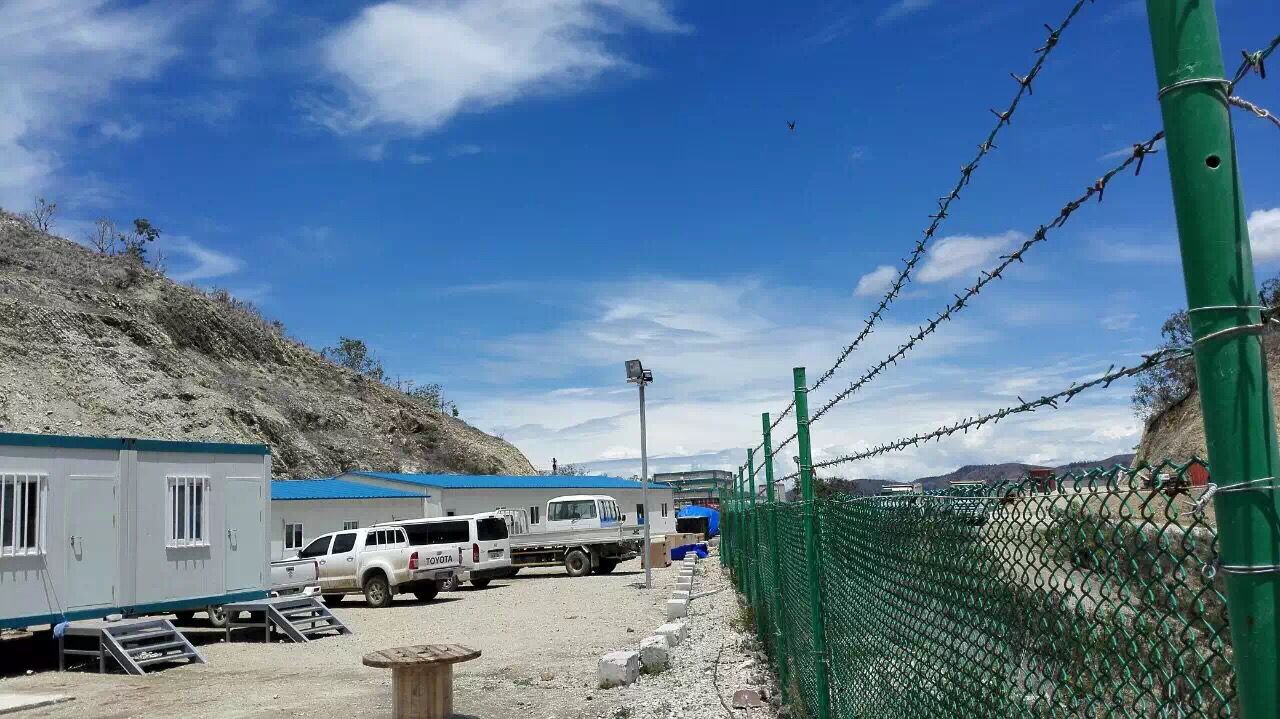
When considering modular classroom buildings for sale, climate and environment should be at the top of the design brief. Engineering‑camp experience shows that classrooms built for tropical coasts, high plateaus, or desert interiors face very different technical demands. CDPH (Chengdong) has delivered more than a thousand camp projects across over 100 countries, including severe cold regions, hot deserts, and humid coastal zones. This experience directly benefits education clients who need robust, climate‑adapted school buildings rather than generic “boxes.”
Key regional challenges often include:
Tropical and humid climates
High rainfall and humidity accelerate corrosion and mold in poorly designed buildings.
Temperatures and solar gain drive cooling loads, making insulation, shading, and efficient HVAC essential for student comfort.
Arid and desert climates
Large day–night temperature swings require wall and roof systems with strong thermal performance to maintain classroom comfort.
Wind‑blown dust and sand demand durable exterior finishes and window/door designs that maintain indoor air quality.
Cold and alpine regions
Deep winter temperatures and snow loads must be addressed through enhanced insulation, structural design, and cold‑resistant detailing.
Proper heating and airtightness directly affect both learning conditions and energy costs.
Because CDPH originally developed many of its modular systems for rigorous engineering camps in extreme environments, the same structural, thermal, and safety standards can be applied to modular school buildings. This reduces lifecycle risk for owners while giving students a comfortable, modern environment that is competitive with permanent construction.
For more background on CDPH’s global modular capabilities, you can visit the official homepage: https://www.cdph.net.
Many of the world’s most complex modular projects are large‑scale engineering camps for energy, mining, and infrastructure developments. These camps require integrated housing, offices, clinics, canteens, and sometimes schools, all delivered under tight schedules and in remote or challenging conditions. CDPH has developed a full EPC‑style camp delivery model—covering planning, design, nine‑system integration, logistics, construction management, and camp operation support.
When modular classroom buildings for sale are planned using this EPC camp mindset, schools benefit from:
Integrated planning and designCDPH starts from campus‑level layouts, traffic flows, utilities, safety zoning, and expansion paths, not just isolated classroom units. This mirrors the master‑planning approach used in large global camps.
Nine‑system integrationThe modular classroom is not just a shell; it is delivered with coordinated building, water supply and drainage, electrical, low‑voltage, fire protection, security, roads, environment, and environmental protection systems. This holistic engineering approach, refined in international camp projects, ensures that modular schools operate smoothly from day one.
Global project management capabilityCDPH project teams are familiar with foreign standards, local labor organization, and multi‑stakeholder coordination, having worked with ENR‑listed contractors and owners in South America, Africa, Asia, and beyond. The same methodology helps education clients reduce schedule risk and ensure on‑time school openings.
A concrete illustration of this approach can be seen in CDPH’s education case center, where modular school buildings have been delivered under demanding deadlines while meeting strict safety and green building requirements. One typical case involved delivering a sizeable modular teaching complex in about a month, including demolition of unsafe structures, new foundation work, and installation of fully equipped teaching units.
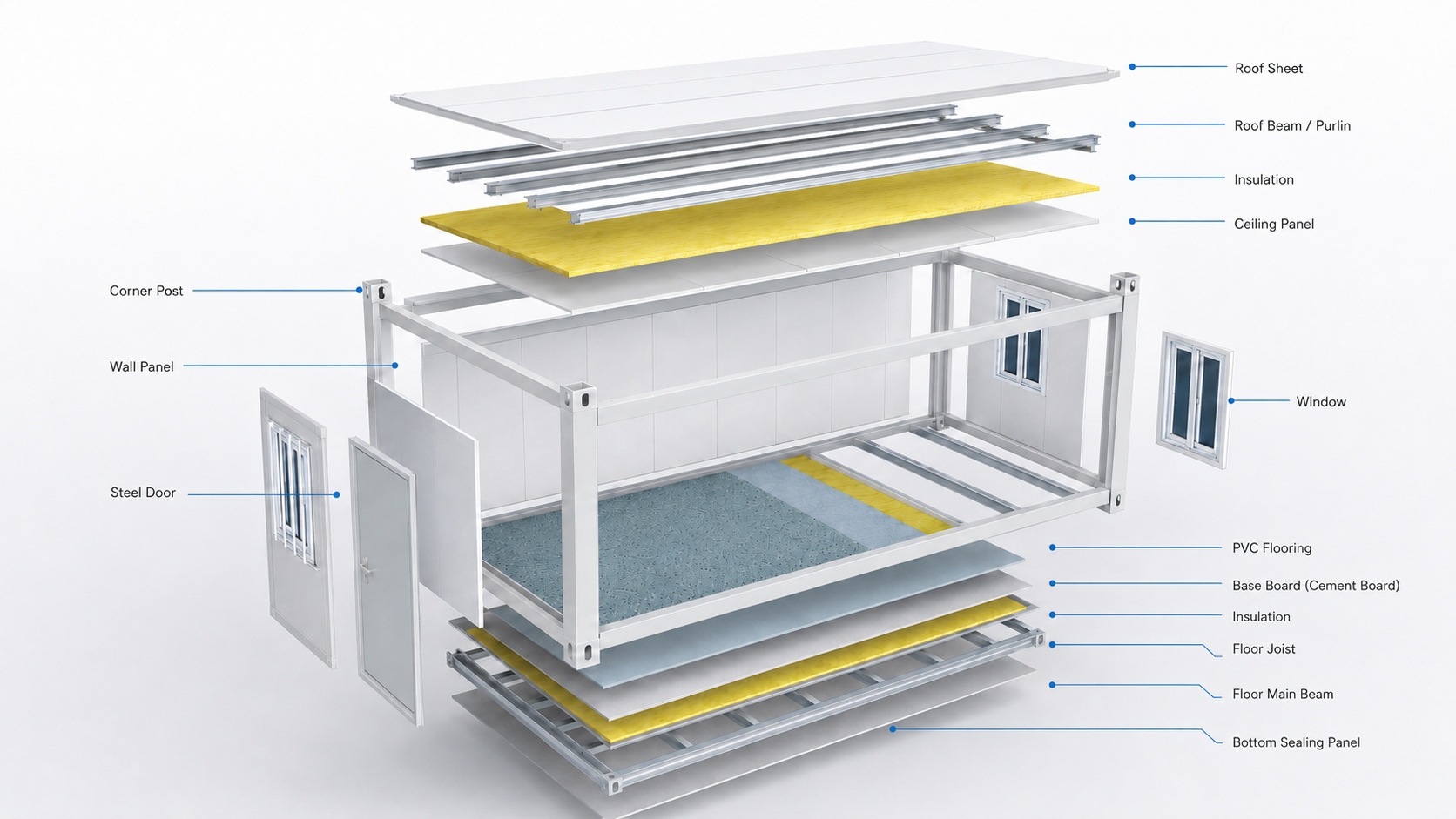
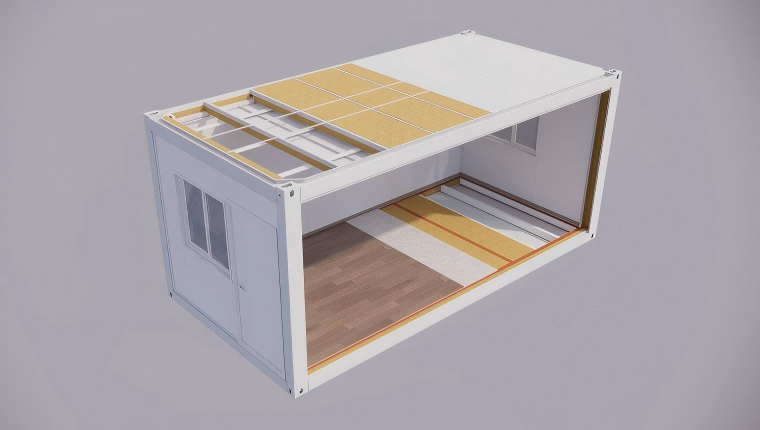
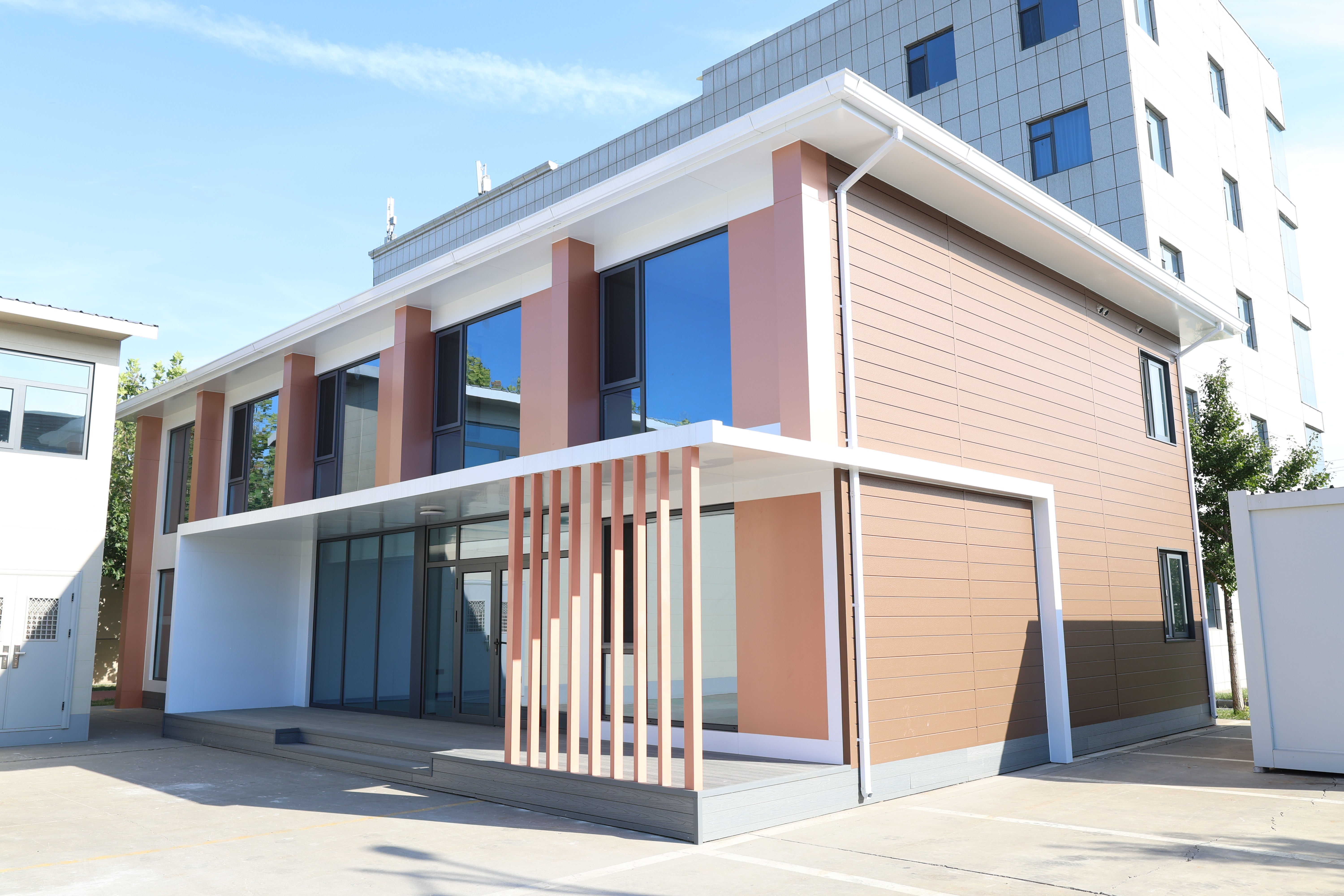
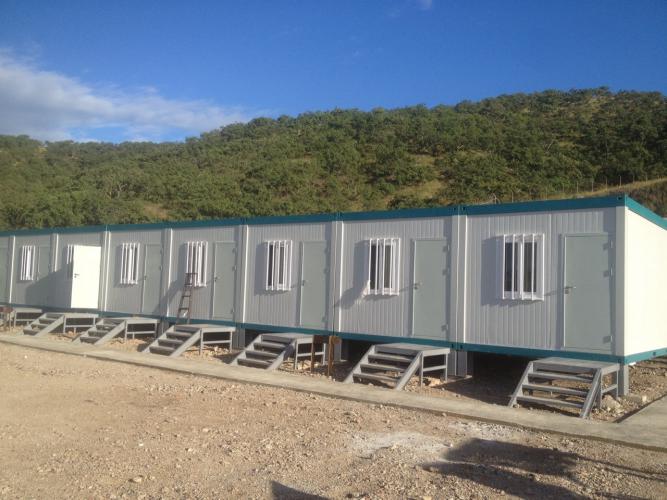
Modular classroom buildings for sale are complete, relocatable school facilities that can range from single teaching rooms to multi‑story blocks with corridors, offices, and specialized labs. The core building blocks are typically flat‑pack or box‑type modular units assembled using standardized steel structures and insulated wall panels.
CDPH’s modular and container house systems for education feature:
High‑integration frameworksFloor and roof modules are pre‑engineered, with integrated insulation, waterproofing, and finishing, so no secondary decoration is needed on site.
Flexible internal layoutsBy combining 20‑, 27‑, 38‑, and 45‑foot modules, CDPH can configure standard classrooms, open learning areas, laboratories, libraries, and teacher offices.
Strong structural performanceHot‑dip galvanized steel frames, engineered for wind and seismic loads, provide long‑term durability comparable to conventional school buildings.
Comfort and energy efficiencyWall and roof systems are designed with appropriate insulation thicknesses and materials for the target climate, balancing comfort, energy use, and cost.
For detailed product features and education‑focused building types, see the dedicated product page: https://www.cdphhouse.com/portable-classrooms-and-modular-school-buildings-for-education.
Budget and schedule are usually the biggest drivers behind decisions to buy modular classroom buildings. Modular construction allows schools to decouple most of the building process from the constraints of the site, compressing timelines and making costs more predictable.
Key advantages include:
Shorter delivery cyclesFactory production and site preparation can run in parallel, cutting overall schedules significantly compared with traditional builds. Many modular school projects can be delivered in weeks or a few months, which is especially valuable when opening deadlines are tied to academic terms.
Predictable budgetsWith standardized modules and controlled manufacturing, cost per square meter is easier to estimate, and change orders are reduced. CDPH’s global camp experience helps in creating realistic budgets that include not just buildings but logistics, utilities, and installation.
Scalable investmentSchools can start with a core set of classrooms and expand the campus by adding more modules as enrollment grows. The same modules can often be dismantled and moved to a different site if the student population shifts.
Industry data shows that modular construction can be roughly 10–25% more cost‑effective than traditional building, while maintaining comparable quality and significantly accelerating delivery. Depending on configuration and fit‑out, modular classrooms typically fall within a broad range from entry‑level teaching units to larger complexes with specialized spaces such as science labs or libraries.
Drawing on its engineering‑camp background, CDPH tailors modular classroom buildings for sale to specific climate zones and project environments. This climate‑responsive engineering improves long‑term performance, comfort, and safety for students and staff.
Important climate‑ready features include:
Optimized thermal envelopesIn hot regions, CDPH uses enhanced roof insulation, reflective coatings, shading devices, and efficient HVAC designs to reduce cooling loads. In cold regions, cold‑resistant modular units with thicker insulation and careful detailing minimize heat loss and condensation risk.
Ventilation and indoor air qualityModular classrooms can be equipped with mechanical ventilation systems and air‑filtering strategies adapted from remote camps, where fresh‑air control is essential. This supports healthier learning environments and helps comply with local standards.
Durability and corrosion resistanceFor coastal or humid climates, hot‑dip galvanizing, appropriate coatings, and moisture‑resistant interior finishes extend service life and reduce maintenance needs.
By applying EPC camp methodologies—master planning, nine‑system coordination, logistics optimization, and robust construction management—CDPH ensures that modular school buildings are not short‑term stopgaps but reliable long‑term assets.
One of CDPH’s representative education projects shows how modular classroom buildings for sale can quickly transform learning environments. In this case, older school buildings presented structural safety risks and could not meet modern teaching or safety requirements. The client needed a fast, safe replacement solution that would minimize disruption to students and comply with strict building and environmental standards.
CDPH delivered a modular school building of around 1,600–1,700 square meters in roughly 30 days from on‑site start to completion, covering demolition, civil works, installation of modular units, and commissioning of all support systems. The new campus provided bright, well‑ventilated classrooms, supporting spaces, and upgraded fire, security, and accessibility systems, significantly improving overall teaching conditions. This project showcases how an EPC‑style modular approach allows school owners to replace unsafe blocks with modern modular classrooms within a single vacation period.
You can review this and other modular education cases here: https://www.cdph.net/case-center/35.
When evaluating modular classroom buildings for sale, it helps to start with a clear project profile—location, climate, target student capacity, and timeframe. CDPH typically guides clients through several key decisions:
Project scopeIdentify whether you need a single classroom block, a full teaching building with offices and support rooms, or an entire modular campus with dormitories, canteens, and sports areas.
Usage durationDecide whether the modular classrooms are a long‑term campus component or a temporary solution during renovation, as this will influence specifications and investment levels.
Performance and standardsConfirm local structural, fire, accessibility, and energy standards, then align modular specifications accordingly. CDPH’s international project record helps in coordinating with local design institutes and regulatory authorities.
Future expansion and relocationPlan for how the campus might grow or be re‑configured over the next 5–10 years, so modules can be added, relocated, or repurposed efficiently.
By combining modular classroom systems with integrated EPC camp expertise, CDPH can support school owners from early planning through to completed, operational campuses—helping ensure that new space is delivered quickly while protecting safety, comfort, and long‑term value.
Scan the QR code to follow