
Tel / Whatsapp:+86 18001125785

Email:chengdong@cdph.com.cn

INQUIRY→

Home/

News/

Blog/

Climate-Resilient Modular Camp Buildings for Oil & Gas Projects in Tropical Africa/

Climate-Resilient Modular Camp Buildings for Oil & Gas Projects in Tropical Africa

Blog

Release date:Jun 18, 2026

Share:

Modular camp buildings have become a strategic asset for oil and gas companies developing projects in Africa’s hot, humid and logistically complex environments. In regions such as southern Nigeria’s tropical rainforest belt, conventional site-built camps struggle with corrosion, water ingress, construction delays and poor living comfort for workers. By contrast, factory-built modular systems allow EPC contractors to deliver large-scale worker villages faster, with predictable quality and climate-specific performance.

Among recent projects, the Nigeria LNG worker camp stands out as a benchmark example of oil and gas modular construction in a challenging tropical environment, providing integrated living and working spaces for several thousand personnel on a major LNG train development. This case helps illustrate how modern modular camp buildings, led by experienced EPC camp partners like Chengdong (CDPH), solve climate, logistics and operational pain points for energy projects across Africa.


Climate and environment challenges in tropical Africa


Many of Africa’s oil and gas resources are located in coastal lowlands or rainforest belts with year‑round high temperatures, heavy rainfall and extreme humidity. In southern Nigeria, for example, LNG and related energy developments near Bonny Island face persistent heat, strong UV exposure, frequent storms and high air moisture levels. These conditions accelerate corrosion in traditional structures, increase risks of leakage and condensation, and make on‑site civil works difficult—especially during the rainy season.

For engineering camps, these environmental factors translate into very practical problems:

  • Rapid deterioration of roofs, cladding and steel members if anti‑corrosion protection is inadequate.

  • Mold, damp rooms and poor indoor air quality due to water ingress and insufficient moisture control.

  • Construction delays caused by heavy rainfall interrupting concrete, masonry and finishing works.

  • Higher safety and QHSE risks when extended site work is carried out in stormy, waterlogged conditions.

In remote or semi‑remote oil and gas locations, logistics add another layer of complexity. Long transport routes, limited port capacity and constrained local labor make it difficult to rely on traditional building methods. Projects need camp solutions that reduce on‑site work, shorten schedules and still achieve high comfort and safety standards for multinational workforces.


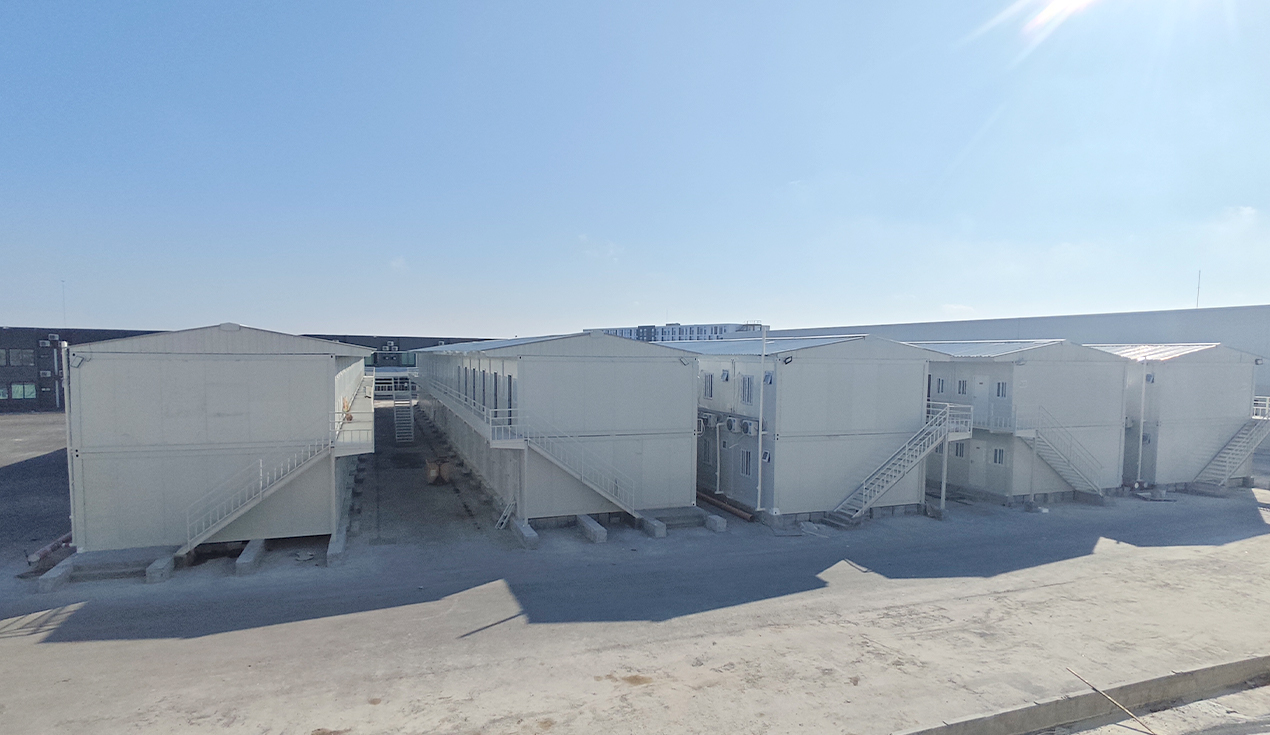
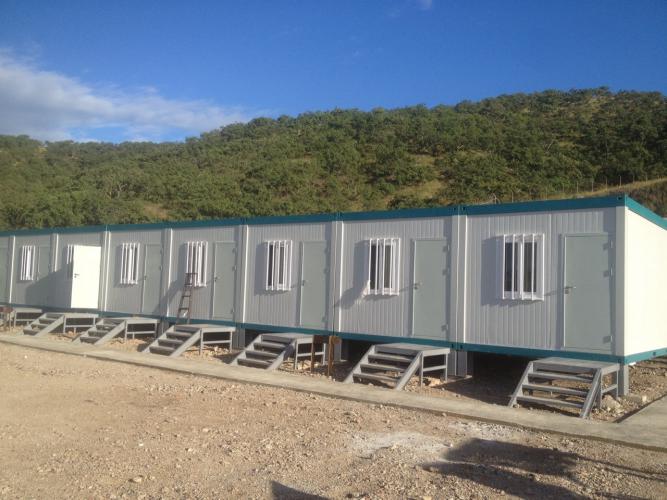
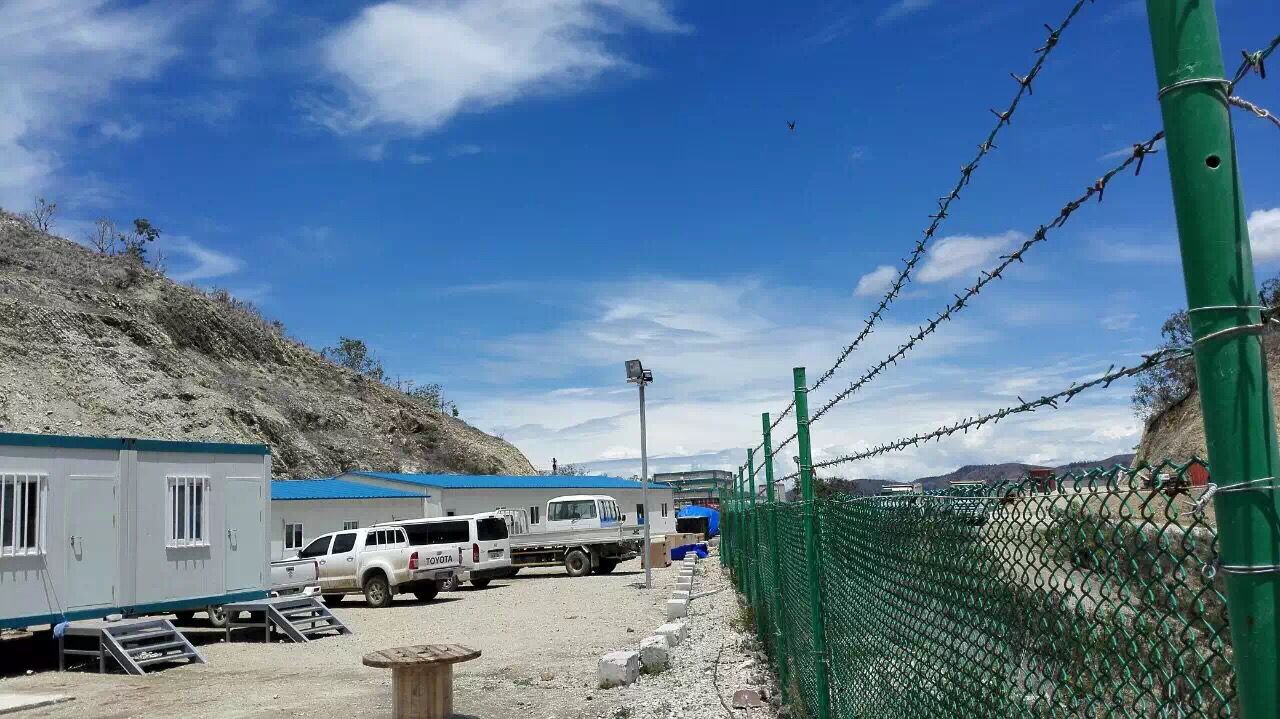
modular camp buildings


Oil & gas project requirements for modular camps


Oil and gas EPC projects typically pass through exploration, construction and operations phases, each with different camp demands. During peak construction, thousands of workers may need to be accommodated near the process area, while later the camp may transition to a smaller, more permanent operations base.

Key requirements for modular camp buildings in this context include:

  • Capacity and scalability: Ability to support several thousand beds, with clear zoning for accommodation, offices, storage and support facilities, and the option to expand or reconfigure over time.

  • QHSE compliance: Layouts must separate living areas from hazardous process zones, provide safe traffic and evacuation routes, and meet international quality, health, safety and environmental expectations.

  • Climate‑resilient design: Building envelopes must control moisture, manage rainwater, resist corrosion and maintain stable interior conditions in tropical rainforest climates.

  • Fast delivery and predictable schedule: Factory prefabrication plus efficient on‑site assembly help align camp completion with critical project milestones, reducing schedule risk.

  • Comfortable daily living: Workers require functional bedrooms, canteens, medical facilities, prayer areas and leisure spaces to maintain morale and productivity during long rotations.

An experienced modular camp EPC partner can integrate these requirements into a coherent master plan and technical solution—from concept design through manufacturing, logistics, installation and commissioning.


Nigeria LNG worker camp: a benchmark modular camp project


The Nigeria LNG project camp is a representative oil & gas modular construction case located in southern Nigeria’s tropical rainforest zone. Supporting a major LNG train development near Bonny, the camp provides integrated living and working spaces for several thousand personnel in a coastal, high‑humidity environment.

Within a total site area of about 100,199 m², Chengdong (CDPH) supplied 4,392 modular box units, delivering a total building area of approximately 81,014 m². The camp’s functional zones include offices, accommodation blocks, canteens, leisure and recreation facilities, medical and first‑aid buildings, prayer spaces and warehouses, all laid out according to the daily routines of oil and gas construction and operations workers.

Operating in a tropical rainforest climate, the camp had to cope with year‑round high temperatures, heavy rainfall and extremely high humidity. To address these pain points, Chengdong’s modular box buildings used enhanced moisture and leakage control, anti‑corrosion and pest‑resistant solutions, as well as optimized roof and wall assemblies to deliver stable temperature and humidity performance.

Since commissioning, the camp has been recognized by the client and main contractor as an internal benchmark for large‑scale modular camps, achieving a “zero‑complaint” record in terms of building quality and operational performance. This track record demonstrates how climate‑resilient modular camp buildings can support complex LNG and oil and gas projects in Africa’s most challenging environments.

To review the full case details, see the Nigeria LNG worker camp project on Chengdong’s official site: Nigeria LNG Project Camp – Oil & Gas Modular Construction Case.


Modular camp building systems for oil & gas


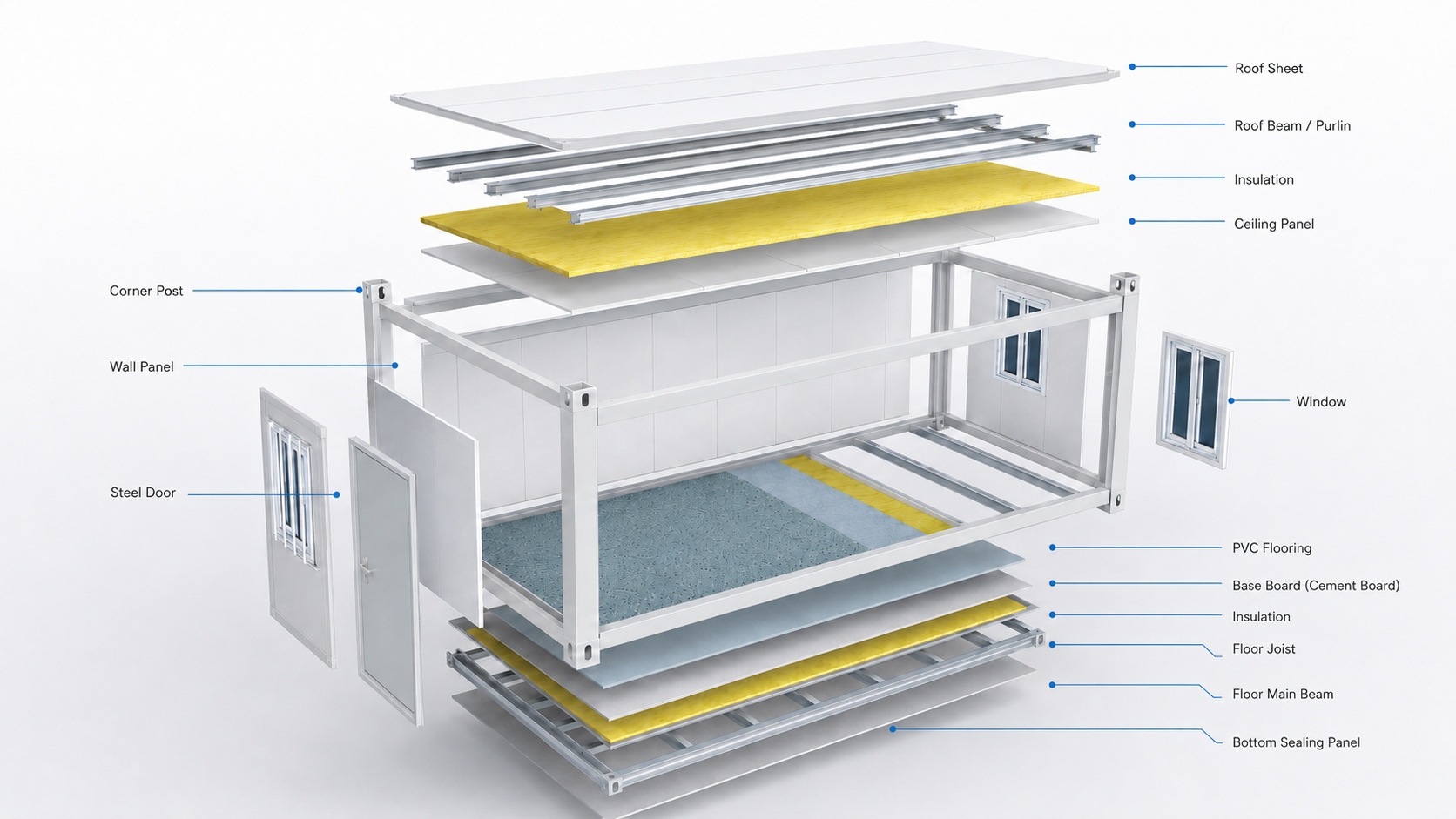
Modern modular camp buildings for oil and gas projects use a combination of standard box units, combined modules and steel structures to create a complete camp ecosystem. At Chengdong, the main product lines include modular houses (container‑type box units), prefab houses and light steel structures, which can be flexibly combined according to project needs.

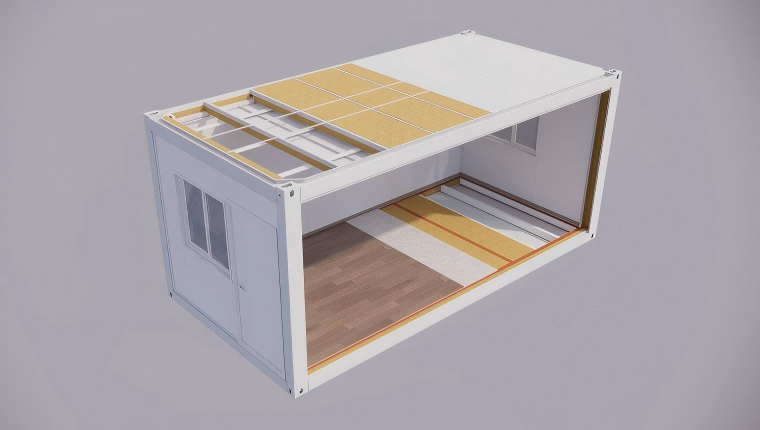
  • Modular House (container‑type box units): These factory‑built modules form the core of worker bedrooms, small offices and meeting rooms, and can be stacked up to three levels for efficient land use. Learn more on the product page: Modular House.

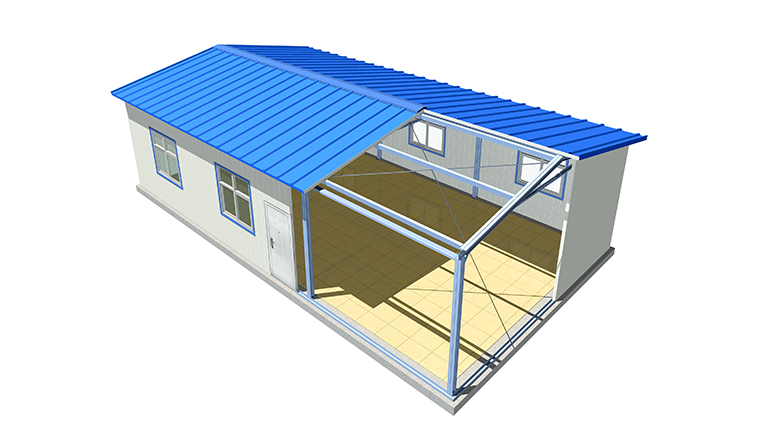
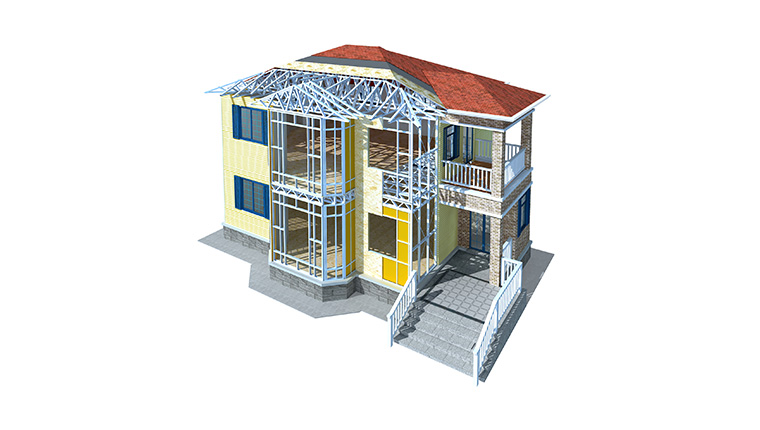
  • Prefab House: Highly prefabricated light‑steel systems connect frames and maintenance boards into stable buildings with good anti‑corrosion, sealing and thermal performance, suitable for offices, canteens and auxiliary buildings. See the prefab house solutions here: Prefab House.

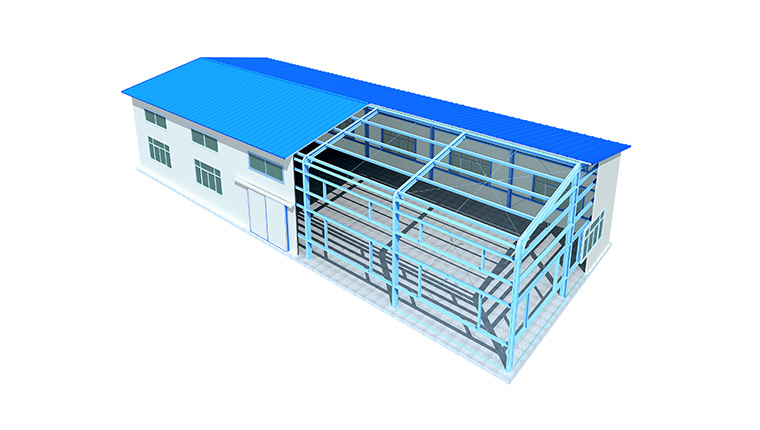
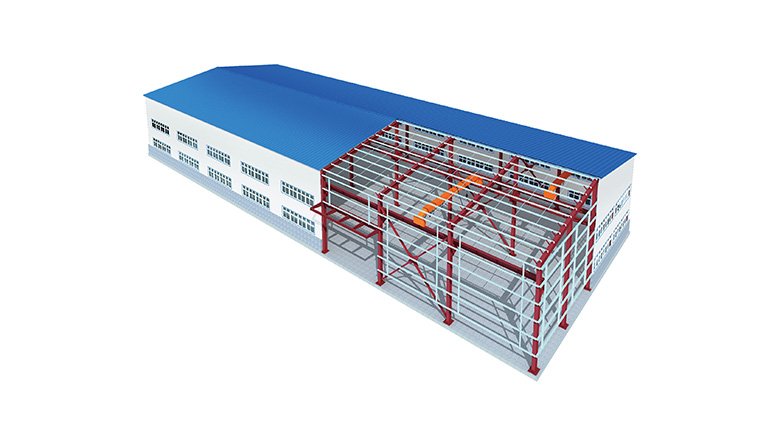
  • Steel Structure: Light steel structures derived from portal frame systems are used for large functional buildings such as workshops, storerooms and large restaurants within engineering camps.

In the Nigeria LNG camp, standard modular box units provided the main blocks for bedrooms, offices and small meeting rooms, while combined modules and H‑steel structures formed larger canteens, briefing rooms and high‑occupancy spaces. Extended‑length and increased‑height modules were used where additional clear height or wider internal spans were required.

By standardizing these building blocks and integrating them into one coordinated design, EPC teams can deploy very large camps while maintaining predictable quality and simplified maintenance across thousands of units.


Climate‑resilient design solutions for tropical camps


For oil and gas camps in tropical rainforest belts, climate‑resilient design is not optional; it is essential for long‑term performance and worker comfort. The Nigeria LNG modular camp provides a concrete example of how these principles can be implemented.

Key design strategies include:

  • Moisture and leakage control: Optimized roof and wall build‑ups, reinforced waterproofing details and carefully designed overhangs and shading reduce the risk of water ingress and condensation inside rooms.

  • Corrosion protection: Anti‑corrosion treatment of main steel components, combined with appropriate material selection for cladding and fixings, slows down degradation in hot, humid, salty coastal air.

  • Stable thermal performance: Insulated envelopes, controlled ventilation and shading help maintain comfortable indoor temperatures despite high external heat and solar radiation.

  • Waterlogging resistance: Site planning and foundation design incorporate drainage and elevation measures to keep camp buildings functional during heavy rain and localized flooding.

Inside the buildings, reasonable room sizes, adequate storage, practical sanitary facilities, suitable lighting and well‑planned communal areas support comfortable daily living for long‑stay personnel. Clear separation of work, rest and leisure zones improves rest quality and reduces fatigue, which is critical for safe oil and gas operations.

These climate‑adapted design choices help EPC owners reduce life‑cycle costs, extend service life and avoid operational disruptions caused by building failures or poor living conditions.


EPC modular camp delivery and lifecycle performance


A successful oil and gas worker camp is not only about building systems; it also depends on the EPC delivery process and lifecycle management. As a specialized modular housing provider, Chengdong offers an integrated service model covering R&D, design, manufacturing, logistics and on‑site construction under one roof.

In the Nigeria LNG case, a large proportion of structural works, enclosure fabrication and basic interior fit‑out were completed in Chengdong’s factories, with modules shipped to site for installation in a controlled sequence. On site, activities focused on foundations, lifting, connection and commissioning, reducing exposure to adverse weather and improving safety. This approach helped align camp delivery with critical path milestones of the LNG project and minimized schedule risks associated with rainy‑season construction.

During operation, the modular camp benefited from:

  • Standardized components and repeatable building types that simplify maintenance and spare part management.

  • Clear access routes and technical spaces designed for inspection, repair and upgrades.

  • A scalable framework that can be adjusted as workforce numbers change across project phases.

Thanks to these factors, the Nigeria LNG worker camp achieved stable performance and a “zero‑complaint” record from the client and main contractor, becoming an internal reference for future large‑scale modular camps. For owners and EPCs planning new oil and gas plants, this demonstrates the value of working with an experienced modular camp builder that combines technical strength with global project experience in more than 100 countries.

whatsapp.png
+86 18001125785
zongubimgfz3.svg
chengdong@cdph.com.cn

Scan the QR code to follow