Complete Guide to Workforce Housing for Sale: Modern Solutions for Industrial Projects
The demand for efficient, cost-effective workforce housing has never been more critical. Whether supporting large-scale mining operations, infrastructure development, or industrial expansion projects, the workforce housing market has evolved to offer sophisticated solutions that balance affordability, durability, and rapid deployment. This comprehensive guide explores the latest offerings in workforce housing for sale, with particular focus on innovative modular and prefabricated systems that are transforming how industries house their personnel.
Understanding the Workforce Housing Market
Workforce housing represents a critical component of successful industrial and construction projects, particularly in remote locations where traditional housing infrastructure is insufficient. Unlike conventional residential housing, workforce accommodation must prioritize functionality, cost efficiency, and the ability to scale rapidly as project demands fluctuate. The modern market offers diverse solutions ranging from simple container-based units to sophisticated light steel villas capable of serving as semi-permanent installations.
The global workforce housing market has undergone significant transformation over the past two decades. Advanced manufacturing techniques, improved insulation technologies, and modular design principles have enabled providers to offer housing solutions that rival traditional construction in quality while delivering superior deployment speed and cost advantages. For companies managing large-scale operations across multiple continents, having access to standardized workforce housing products eliminates logistical bottlenecks and ensures consistent living standards for personnel regardless of geographic location.
Categories of Workforce Housing for Sale
Container Houses: The Foundation of Modern Camp Housing
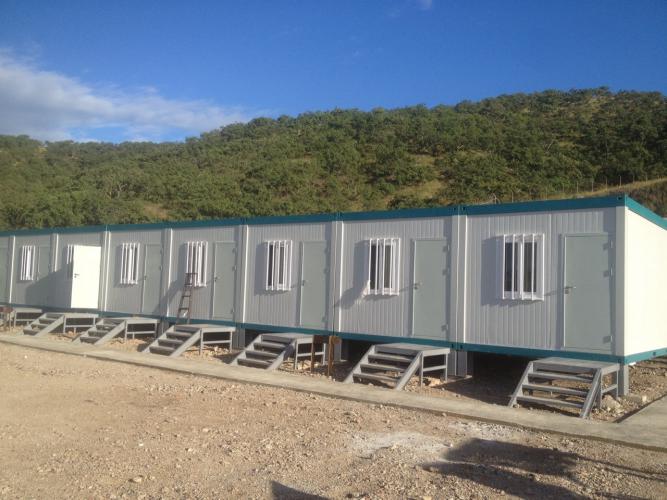
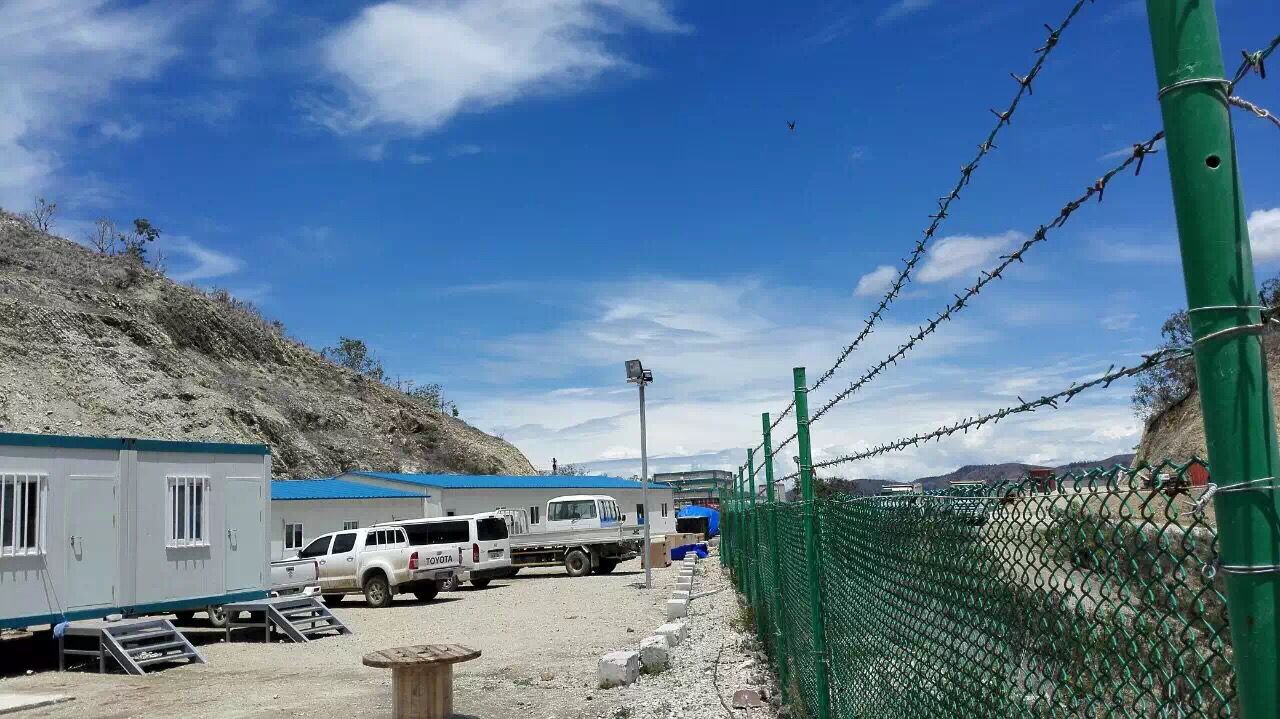
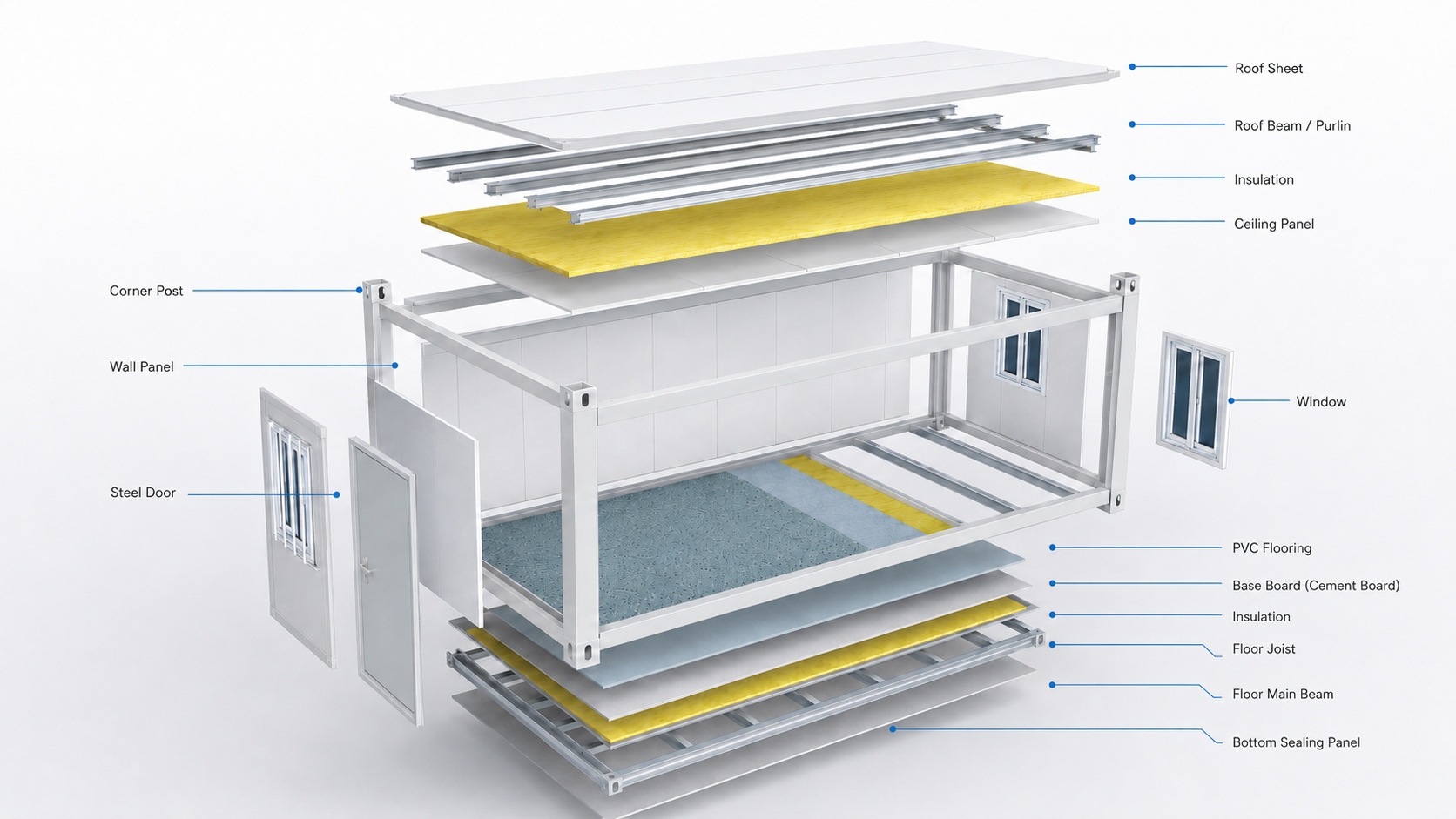
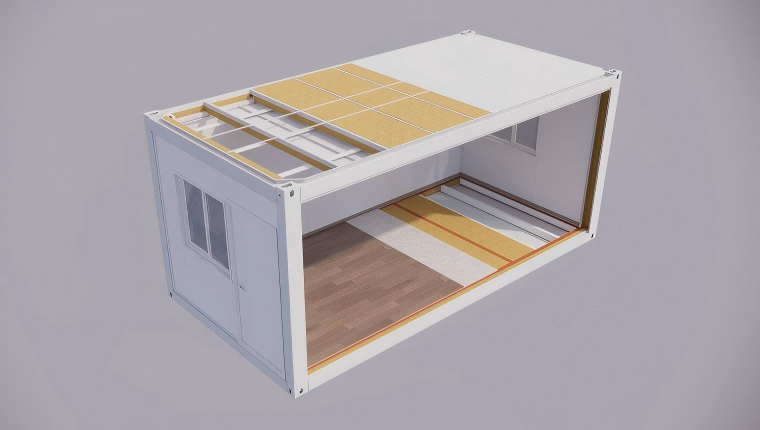
Container houses represent the most versatile category of workforce housing available for purchase. These units employ a standardized modular framework that allows organizations to combine multiple units into complex residential ecosystems. The basic design uses container frames as structural foundations, with dimensions typically standardized at 6055mm in length, 2990-2435mm in width, and 2896mm in height. The standardized measurements facilitate easy stacking—typically three layers maximum—and enable flexible horizontal and vertical combinations to create office spaces, dormitories, recreational facilities, or specialized functional rooms.
The key advantage of container housing lies in its integrated design philosophy. Units arrive at project sites with complete interior installations, eliminating the need for secondary decoration or extensive on-site customization. All electrical systems, water supply networks, and drainage infrastructure are factory-prefabricated, allowing for immediate occupancy following rapid bolted assembly. This approach dramatically reduces the construction timeline—a critical factor when projects face strict workforce mobilization schedules.
Container houses feature standard insulation specifications including 100mm glass fiber wool or rock wool in roofing and flooring, color steel sandwich board walls ranging from 50-100mm thickness, and plastic steel or aluminum windows with insulating glass. The complete thermal envelope ensures workforce comfort across diverse climates, from tropical regions requiring efficient heat dissipation to cold climates demanding thermal retention. Hot-dip galvanized steel construction throughout provides superior corrosion resistance, extending operational lifespan and reducing maintenance costs over multi-year deployments.
Prefab Houses: Adaptive Solutions for Varied Environments
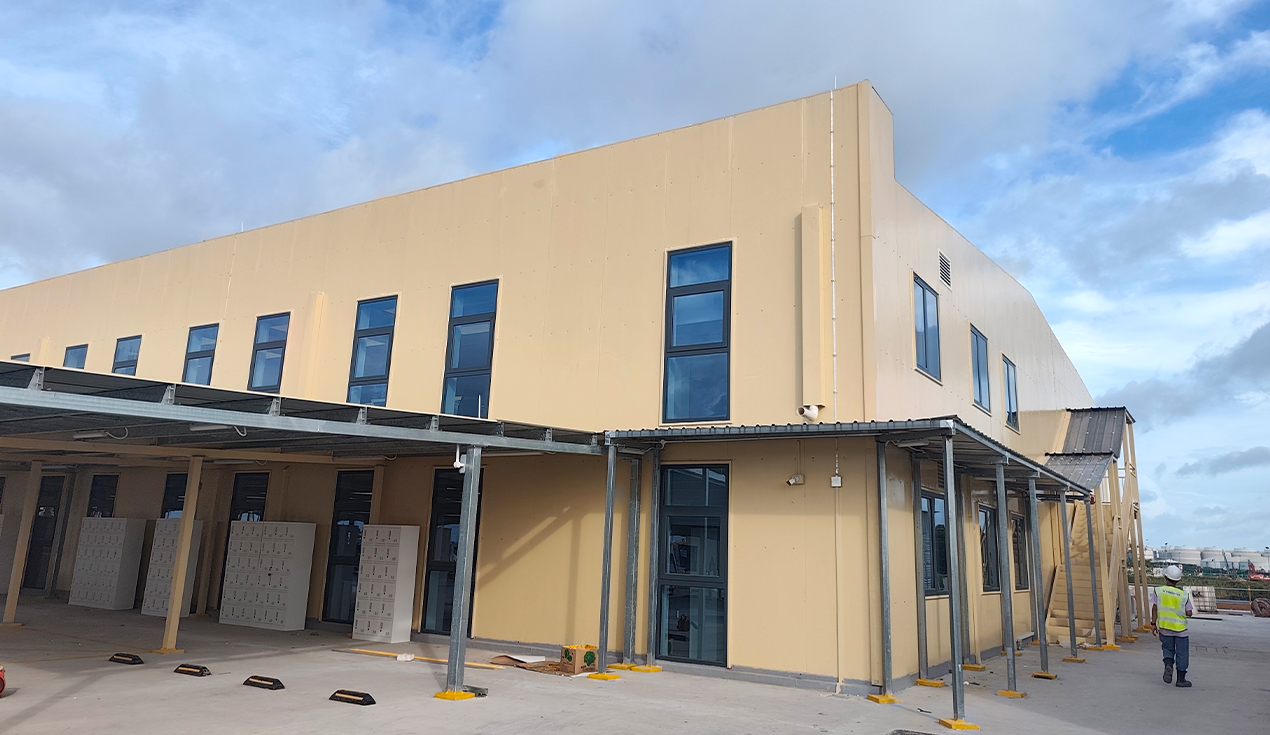
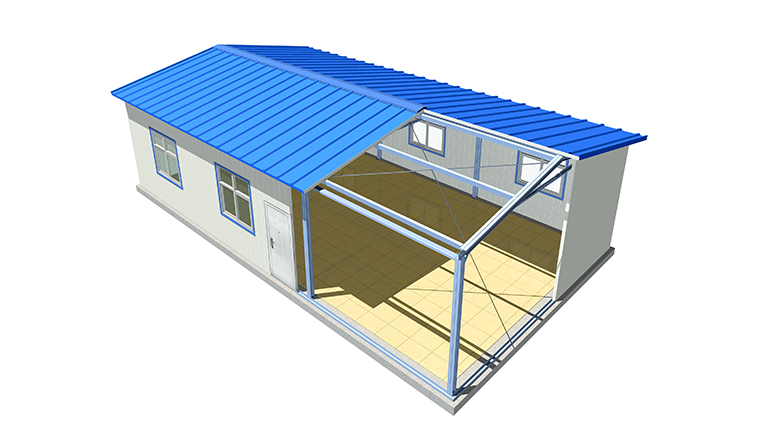
Prefab houses represent an evolutionary advancement in workforce housing design, employing cold-formed, hot-dip galvanized steel frames integrated with composite maintenance boards to create highly stable building systems. Unlike container units with fixed dimensions, prefab housing allows for customized layout design and flexible interior decoration tailored to specific environmental and operational requirements. This adaptability makes prefab solutions ideal for projects with unique accommodation needs or demanding environmental specifications.
The manufacturing process for prefab housing emphasizes mechanical mass production on cold-formed profiles, reducing processing cycles and enabling economical production at scale. The construction approach—fully bolted without on-site welding—further accelerates installation while improving structural reliability. Standard prefab units accommodate roof live loads of 0.5KN/m², floor loads of 2.0KN/m², and wind pressures of 0.45KN/m², providing structural resilience suitable for demanding operational environments.
Prefab housing excels in applications requiring extended service life and semi-permanent installations. Educational institutions, commercial facilities, and long-term industrial operations frequently employ prefab solutions due to their superior aesthetic qualities and customization potential. Building specifications accommodate eaves heights up to 5 meters and spans up to 11 meters maximum, enabling creation of spacious communal facilities beyond simple dormitory configurations.
Light Steel Villas: Premium Workforce Accommodation
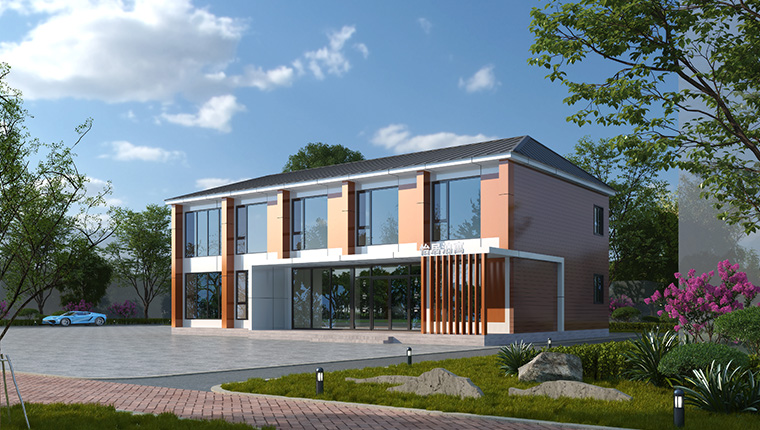
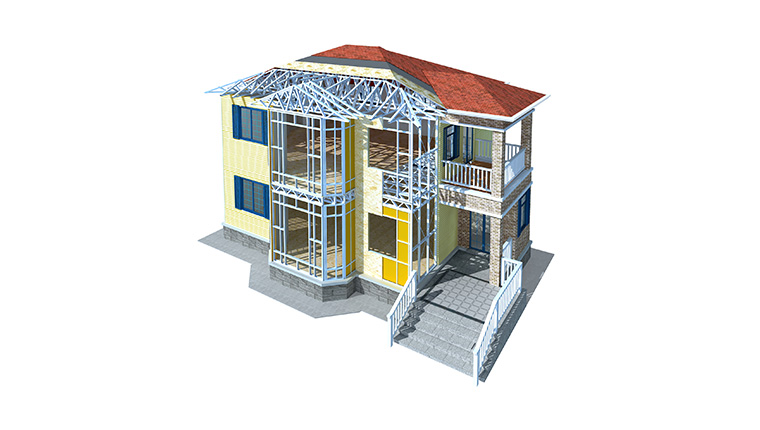
Light steel villas represent the premium segment of workforce housing for sale, offering semi-permanent residential standards suitable for extended expatriate deployments. These facilities feature sophisticated architectural design capabilities, customizable layouts, and material selections optimized for specific climate regions. Unlike temporary accommodation solutions, light steel villas provide living environments comparable to conventional residential developments, significantly improving workforce retention and satisfaction during extended overseas assignments.
These structures maintain 25+ year service lifespans, enabling their repurposing beyond initial project completion or conversion to permanent facilities as development projects mature. The engineering approach utilizes light gauge steel frames combined with architectural finishing systems, dramatically reducing construction timelines compared to traditional villa development while maintaining aesthetic sophistication. Building material specifications vary by climate zone—tropical installations employ different wall and roofing systems compared to arctic or desert environments—reflecting comprehensive environmental adaptation strategies.
Light steel villas find increasing application in high-value projects where workforce retention and operational efficiency justify premium accommodation investments. Oil and gas operations, multinational infrastructure projects, and mining developments frequently implement light steel villa solutions for supervisory personnel and long-term technical staff, creating stable residential communities that support sustained productivity and project success.
Steel Structure Buildings: Industrial Support Infrastructure
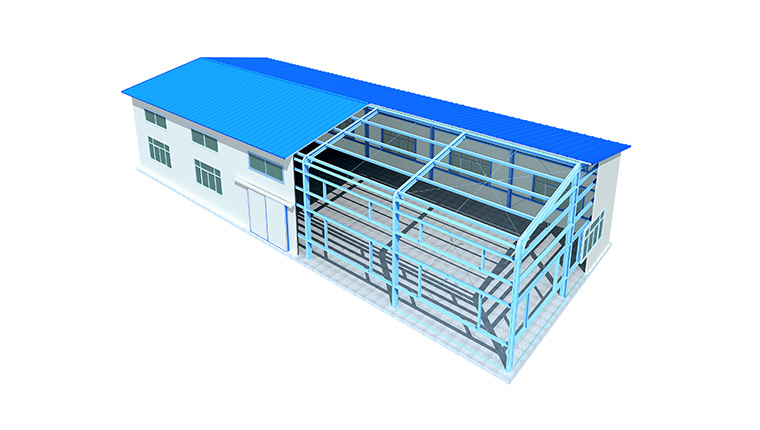
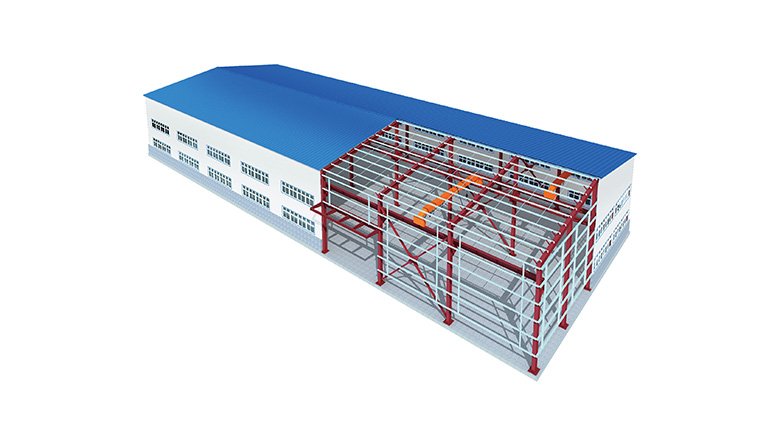
Comprehensive workforce housing solutions require supporting infrastructure beyond residential accommodation. Steel structure buildings—including workshops, storage facilities, dining halls, and recreational spaces—form essential components of complete engineering camps. The R&D teams at leading manufacturers have developed light cold-formed steel structures addressing the limitations of traditional H-shaped steel frameworks, which suffer from excessive weight, extended processing cycles, and elevated long-distance transportation costs.
Modern steel structure products employ mechanical mass production techniques to deliver cold-formed components suitable for factory-prefabricated assembly. These structures accommodate large functional spaces with minimal on-site assembly, supporting industrial-scale camp operations. Current products are extensively deployed in workshops, warehouses, and canteen facilities across major engineering camp projects globally, validating their reliability and cost-efficiency.
Key Advantages of Modern Workforce Housing for Sale
Rapid Deployment Capability
The standardized, factory-prefabricated nature of modern workforce housing enables dramatically accelerated mobilization compared to traditional construction methodologies. Complete units arrive at project sites ready for occupancy following rapid bolted assembly. This capability proves invaluable when projects face strict personnel mobilization schedules or unexpected workforce expansion requirements. Manufacturers maintaining standing inventory can facilitate emergency delivery of standard products, supporting projects requiring immediate accommodation scaling.
Cost Optimization Across Project Lifecycle
Workforce housing solutions deliver comprehensive cost advantages extending beyond initial purchase pricing. Factory-produced standardized components reduce manufacturing expenses through mechanical mass production. The modular design philosophy eliminates secondary decoration expenses while reducing overall material consumption. Transportation efficiency—exemplified by five container units collapsing into single 20-foot shipping containers—dramatically reduces logistics costs for international deployments. Most significantly, the reusable nature of these products enables cost amortization across multiple project cycles, with individual units supporting sequential projects over 15+ year operational horizons.
Environmental and Climate Adaptability
Modern workforce housing incorporates environmental design strategies accommodating extreme climate conditions. Desert installations incorporate specialized air conditioning systems optimized for thermal efficiency in high-temperature environments. Arctic applications employ enhanced insulation specifications and thermal bridging mitigation strategies. Tropical coastal facilities incorporate elevated ventilation systems and enhanced corrosion-resistant material specifications. This comprehensive climate adaptation capability enables standardized product deployment across diverse geographic regions without compromising performance or workforce comfort.
Structural Resilience and Durability
Advanced manufacturing specifications ensure workforce housing withstands demanding operational environments. Container houses maintain structural integrity under Category 11 wind conditions, with specialized configurations supporting Category 17 hurricane exposure. Prefab housing employs fully bolted connections eliminating on-site welding, reducing structural vulnerability and accelerating assembly. The hot-dip galvanized steel construction throughout creates superior corrosion resistance, extending serviceable life in coastal, high-humidity, and chemically aggressive environments. These specifications ensure workforce housing investments maintain value and performance over extended service periods.
Operational Flexibility and Scalability
The modular design philosophy enables organizations to scale accommodation capacity dynamically in response to project requirements. Individual units operate independently or integrate seamlessly into larger configurations, supporting workforce expansion or contraction without requiring facility redesign. Combined layouts accommodate diverse functional requirements—residential dormitories, office facilities, meeting spaces, dining facilities, and recreational areas—within unified cohesive camps. This flexibility minimizes inefficient space utilization while supporting complex project organizational structures.
Applications Across Industrial Sectors
Mining and Energy Extraction
Remote mining operations frequently house hundreds or thousands of personnel in locations lacking conventional residential infrastructure. Modern workforce housing solutions enable rapid establishment of complete residential communities supporting sustained mining productivity. Large-scale coal mining projects employ dormitory-type accommodations featuring individual beds, desks, chairs, and private sanitary facilities, providing comfortable resting environments supporting worker health and productivity. Energy extraction facilities in remote locations similarly depend on robust accommodation infrastructure enabling long-term personnel deployments.
Infrastructure and Construction Projects
Major infrastructure development projects—including highway construction, railway electrification, airport expansion, and utility infrastructure—require temporary or semi-permanent workforce accommodation. Projects frequently involve 3,000-10,000+ personnel distributed across multiple construction phases, necessitating flexible accommodation solutions supporting variable workforce levels. Modern workforce housing enables rapid camp establishment at project commencement, supporting workforce mobilization while maintaining tight project schedules and budget constraints.
Military and Government Operations
Government agencies increasingly employ modular housing solutions for military assistance, peacekeeping deployments, and humanitarian relief operations. The standardized, integrated design enables rapid deployment to emergency situations while the modular configuration facilitates efficient transportation—critical in remote or logistically constrained environments. The structural resilience and comfort specifications support sustained personnel deployments supporting complex government objectives.
Educational and Commercial Facilities
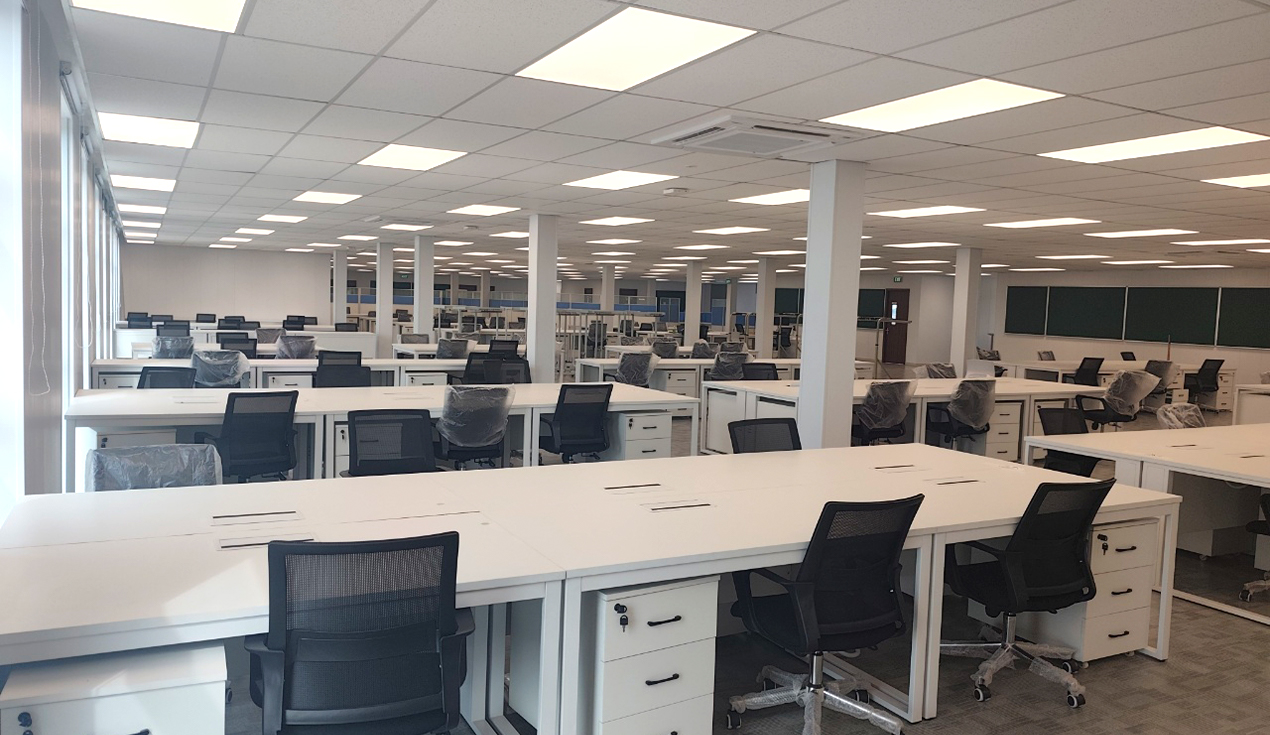
Educational institutions and commercial entities employ modular housing solutions for campus expansion, corporate accommodation, and specialized facility development. Superior sound insulation, controlled lighting systems, and environmentally sustainable material specifications create comfortable learning and working environments. The customization capabilities enable architectural integration with existing facilities, creating aesthetically cohesive developments supporting long-term operational requirements.
Selecting Workforce Housing Solutions: Key Considerations
Project Duration and Permanence Requirements
Short-term projects spanning months typically employ cost-optimized container solutions emphasizing rapid deployment and flexible configuration. Extended projects exceeding 3-5 years often justify investment in prefab housing or light steel villas, which offer superior comfort and amenities justifying premium initial investment through improved workforce retention and operational efficiency. Projects transitioning from temporary to permanent status benefit from semi-permanent light steel villa solutions supporting long-term occupancy and community development.
Environmental and Geographic Factors
Project location fundamentally influences housing selection. Tropical coastal environments demand enhanced ventilation, corrosion protection, and elevated floor systems addressing humidity and moisture exposure. Arctic and high-altitude regions require superior insulation, thermal bridging mitigation, and heating system specifications. Desert installations prioritize efficient cooling systems and UV-resistant material selections. Comprehensive pre-deployment environmental analysis ensures housing specifications optimize performance and personnel comfort.
Workforce Composition and Accommodation Standards
Project personnel mix—including manual laborers, technicians, supervisory staff, and management—necessitates diverse accommodation configurations. Labor-intensive projects employ efficient dormitory modules maximizing capacity while controlling unit costs. Professional and management personnel increasingly expect private or semi-private accommodation with enhanced amenities, justifying investment in more sophisticated housing solutions. Mixed-role projects typically employ modular solutions supporting diverse accommodation types within unified camps, simplifying logistics and administration.
Transportation and Logistics Constraints
Geographic isolation, limited port access, or challenging overland transport conditions significantly influence housing selection. Container solutions' exceptional transportation efficiency—five units collapsing into single 20-foot containers—enables deployment to constrained logistical environments. Modular design ensures individual components fit standard transportation containers, addressing weight and dimensional constraints limiting alternative solutions. Projects in extremely remote locations benefit from consulting with manufacturers regarding transportation optimization strategies.
Sourcing Workforce Housing: Industry Leaders and Capabilities
Leading manufacturers offer comprehensive sourcing capabilities supporting complete engineering camp development. Providers combine planning and design expertise, factory production facilities, global logistics networks, and on-site installation services. Manufacturing capabilities encompass container houses, prefab solutions, light steel structures, and premium light steel villas, enabling coordinated procurement supporting unified project development timelines.
Manufacturers maintain production facilities in strategic global locations—including facilities in Beijing, Sichuan, Xinjiang, Wuhan, and other major manufacturing hubs—supporting efficient regional supply chains. Multi-year international project experience translates into comprehensive understanding of climate adaptation requirements, cultural considerations, and regulatory compliance across diverse geographic markets. Partnership with established manufacturers ensures access to proven technologies, quality assurance processes, and reliable delivery capabilities critical for project success.
Investment Considerations for Workforce Housing
Organizations evaluating workforce housing investments should emphasize total cost of ownership rather than initial unit pricing. Modular housing's reusability extends cost amortization across multiple sequential projects, often achieving unit economics superior to traditional construction despite higher initial capital requirements. Organizations managing recurring industrial operations—including mining companies, major infrastructure contractors, and industrial operators—frequently implement workforce housing assets supporting multiple project cycles, achieving exceptional returns on invested capital.
The standardized nature of modern workforce housing solutions creates secondary markets supporting asset liquidity. Used units suitable for subsequent projects enable recovery of meaningful capital value following initial deployment, further improving investment returns. Organizations managing portfolio approaches to workforce housing—coordinating accommodation assets across multiple simultaneous and sequential projects—achieve superior capital efficiency through asset optimization strategies unavailable to single-project operators.
Future Trends in Workforce Housing Solutions
The workforce housing market continues evolving toward increasingly sophisticated solutions integrating advanced technologies and sustainability practices. Smart building management systems monitor energy consumption, environmental conditions, and facility utilization, enabling data-driven optimization of camp operations. Renewable energy integration—including solar power systems and advanced thermal management—reduces operational carbon footprints while improving operational cost efficiency in locations with high energy costs.
Sustainability practices are becoming increasingly important as multinational corporations implement corporate environmental objectives. Modern workforce housing manufactured from recycled materials and designed for end-of-life recyclability addresses environmental commitments. The inherent sustainability of modular housing—enabling extended service life through multiple project cycles and eventual material recycling—positions these solutions favorably against conventional construction methodologies.
The integration of connectivity infrastructure—including reliable internet systems and communication networks—addresses workforce expectations for maintained contact with family and access to entertainment and educational resources during extended deployments. Manufacturers are increasingly incorporating technology infrastructure within housing unit designs, supporting modern workforce preferences and improving retention rates for extended assignments.
Conclusion
Workforce housing for sale has evolved from temporary, utilitarian accommodations into sophisticated integrated systems supporting complex industrial and infrastructure operations worldwide. Modern solutions—encompassing container houses, prefab housing, light steel structures, and premium light steel villas—deliver superior cost efficiency, rapid deployment capability, and environmental adaptability compared to traditional construction methodologies. Organizations managing large-scale operations in remote locations, extended project deployments, or variable workforce requirements benefit substantially from accessing standardized, proven solutions enabling rapid scaling and consistent quality standards.
The selection of appropriate workforce housing solutions requires thoughtful analysis of project requirements, environmental conditions, personnel composition, and operational timelines. Partnership with experienced manufacturers offering comprehensive design, production, logistics, and installation services ensures successful implementation supporting project timelines and personnel satisfaction objectives. As global infrastructure development continues and industrial operations expand into increasingly remote locations, the role of innovative workforce housing solutions in supporting economic development and operational excellence will continue expanding.
For organizations requiring workforce housing solutions across diverse geographic markets and project types, accessing established manufacturers with proven track records, global manufacturing capabilities, and comprehensive service offerings represents a strategic investment in project success and operational excellence.
Contact CDPH for Workforce Housing Solutions:




 More
More









![Top Advantages of Modular Construction Explained [2025]](/uploads/upload/images/20250424/0fb390068474145a09a8c0504c73b1d2.png)
 May 09, 2025