
Tel / Whatsapp:+86 18001125785

Email:chengdong@cdph.com.cn

INQUIRY→

Home/

News/

Blog/

Structural Steel Fabricators: The Complete Guide to Steel Structure Buildings for Engineering & Modular Camp Projects/

Structural Steel Fabricators: The Complete Guide to Steel Structure Buildings for Engineering & Modular Camp Projects

Blog

Release date:Mar 16, 2026

Share:

Structural steel fabricators are the backbone of modern construction — transforming raw steel into high-performance building frameworks used in engineering camps, warehouses, industrial facilities, and modular housing worldwide. Whether you are managing a remote mining operation, an oil and gas field, or a large-scale infrastructure project, working with the right structural steel fabricator ensures your project gets off the ground faster, safer, and more cost-efficiently.

This guide covers everything you need to know about structural steel fabricators, the types of steel structures they produce, their applications across industries, and how companies like Chengdong Modular House (CDPH) are redefining steel fabrication for global engineering camps.

What Are Structural Steel Fabricators?

Structural steel fabricators are manufacturers and contractors who cut, bend, weld, and assemble raw steel components into finished structural frameworks. These frameworks serve as the skeleton of buildings, bridges, industrial halls, workshops, warehouses, and modular accommodations.

Unlike traditional brick-and-mortar construction, steel fabrication happens largely off-site in controlled factory environments. The finished components — beams, columns, purlins, trusses, and connecting plates — are then transported to the project site and assembled rapidly. This off-site manufacturing model drastically reduces on-site labor, shortens construction timelines, and improves quality control.

The best structural steel fabricators combine engineering expertise, precision machining, strict quality inspection, and reliable logistics to deliver complete building solutions — especially for projects in remote or challenging environments.


Types of Steel Structures Fabricated

Understanding the main categories of steel structures helps project managers choose the right solution for their needs.

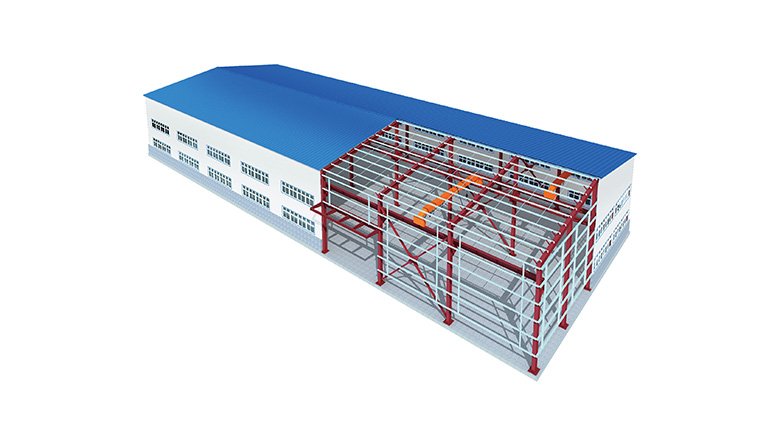
H-Type Steel Structure

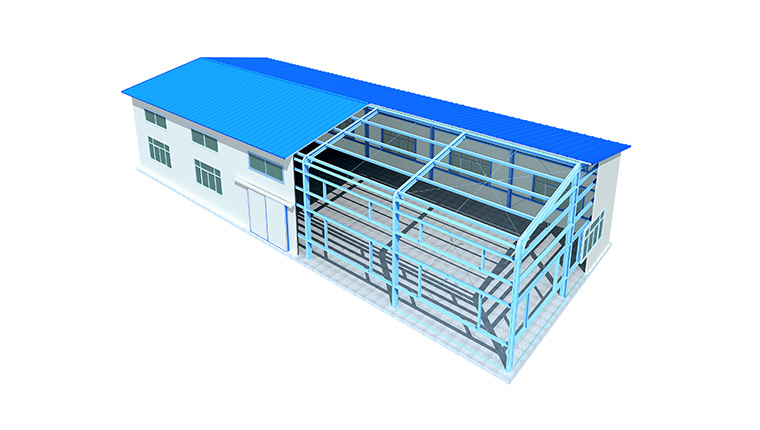
H-type (or H-beam) steel structures use equal-section or variable-section H-shaped steel as the primary load-bearing element, supported by C-type purlins and column braces. Connections are made by bolts or welding, with roofing and wall cladding provided by color-coated steel plates or sandwich composite panels.

H-type steel is the preferred choice for projects requiring:

  • Large-span spaces — workshops with overhead cranes, aircraft hangars, large dining halls

  • High load capacity — industrial processing facilities, heavy storage warehouses

  • Design flexibility — variable section sizes to handle irregular spans and loads

M-Type (Light Steel / ZM) Steel Structure

The M-type steel structure was developed by Chengdong Camp's R&D team as an evolution of the traditional portal frame. Instead of heavy H-sections, M-type structures use cold-formed, mechanically mass-produced steel profiles. This innovation reduces self-weight, shortens the processing cycle, and dramatically cuts the comprehensive transportation cost — a critical factor for overseas engineering camp projects.

M-type structures are ideal for:

  • Workshops, storerooms, and large canteens in overseas engineering camps

  • Projects where fast logistics and low freight cost matter

  • Environments where traditional H-steel delivery lead times are prohibitive

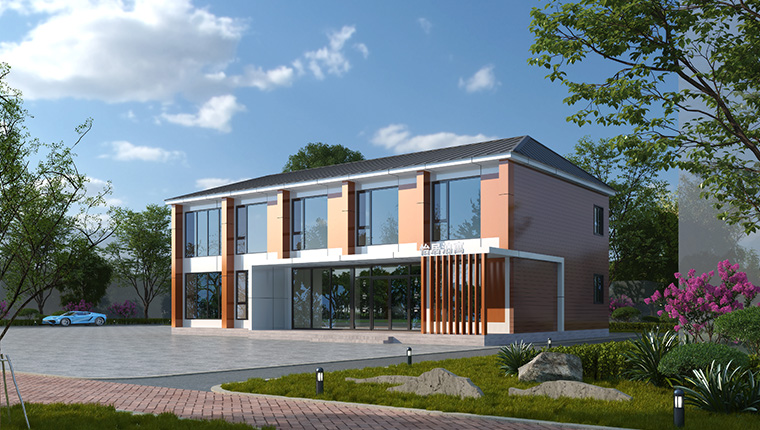
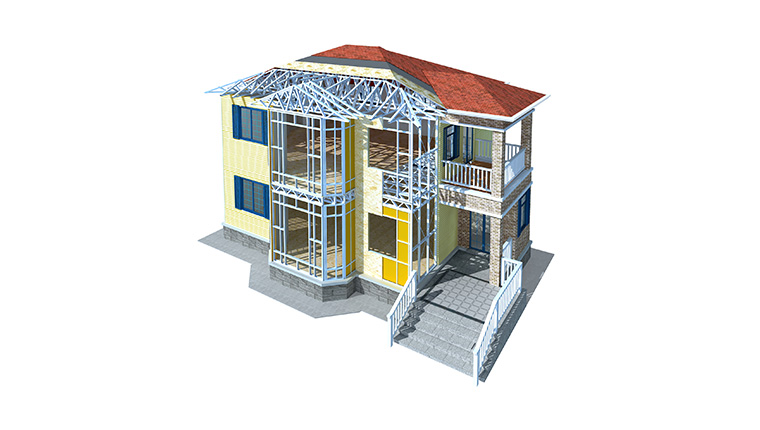
Light Steel Villa & Semi-Permanent Structures

Light steel villa systems represent the premium end of the structural steel fabrication spectrum. With a service life exceeding 25 years, these semi-permanent buildings are designed for long-duration projects where workers' quality of life needs to meet near-residential standards. Hot-dip galvanized cold-formed profiles provide excellent corrosion resistance, while the fully bolted structural system eliminates any need for on-site welding — a major advantage in remote or high-risk environments.

Steel Structure Building Types at a Glance

Structure TypePrimary MaterialSpan CapabilityBest ApplicationConnection Method
H-Type Steel StructureH-section hot-rolled steelLarge span (unlimited)Crane workshops, large hallsBolt + welding
M-Type Light Steel StructureCold-formed galvanized profilesMedium spanCamp workshops, warehouses, canteensFully bolted
Light Steel VillaThin-wall hot-dip galvanized steelResidential spansSemi-permanent housing, officer quartersFully bolted
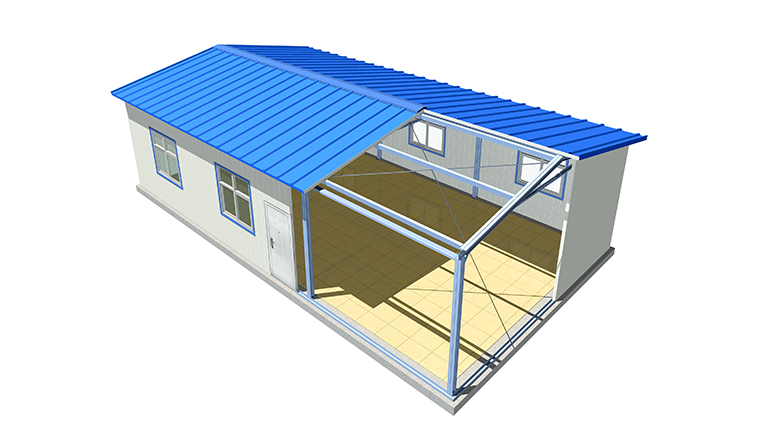
ZA Prefab House FrameCold-formed galvanized steel stripUp to 11m spanDormitories, offices, restaurantsFully bolted
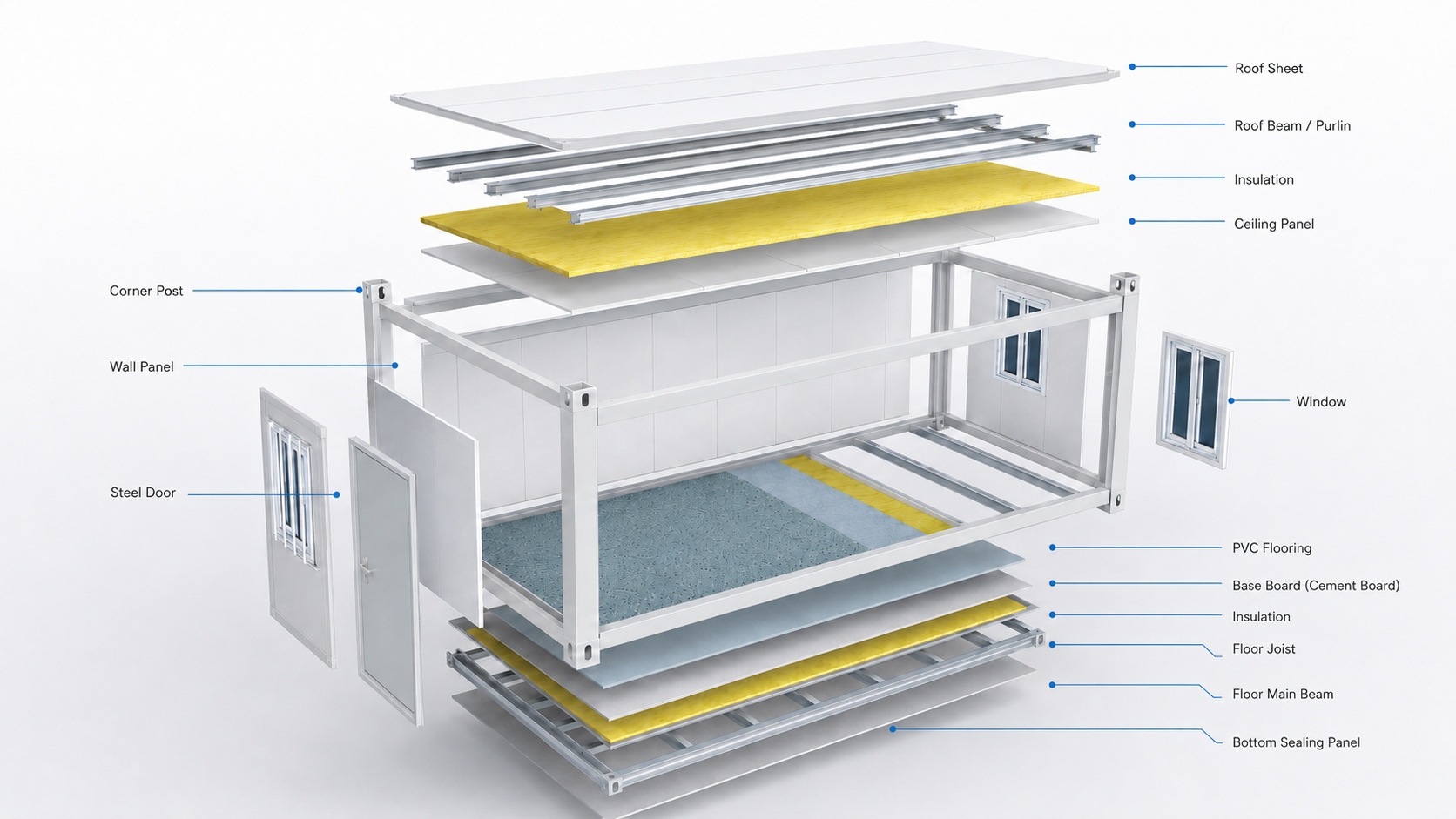
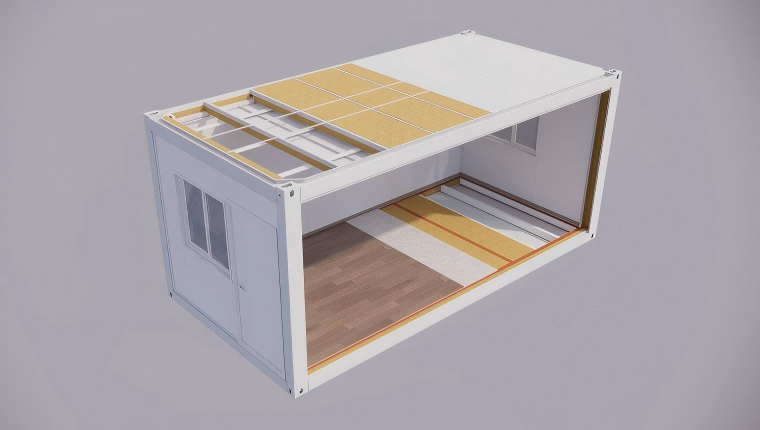
Container House FrameSpecial welded steelModular (6m units)Worker accommodation, mobile officesBolted modules


Key Benefits of Working With Expert Structural Steel Fabricators

1. Speed of Fabrication and Erection

Factory-based steel fabrication compresses project timelines dramatically. Because structural components are manufactured in parallel with site preparation, overall project duration is shortened. CDPH has demonstrated this capability repeatedly — completing a 10,000-person engineering camp within 120 days on complex overseas projects.

2. Superior Strength-to-Weight Ratio

Steel offers one of the highest strength-to-weight ratios of any construction material. Cold-formed light steel structures, in particular, achieve excellent structural performance at a fraction of the weight of traditional concrete or heavy steel, reducing foundation requirements and transportation costs.

3. Full Factory Prefabrication

Top-tier structural steel fabricators produce complete building systems in the factory — structure, wall panels, roof cladding, doors, windows, and electrical conduits — before shipping to the site. This means minimal on-site labor, consistent quality, and faster handover.

4. Durability and Corrosion Resistance

Hot-dip galvanized structural profiles provide corrosion protection far superior to standard painted steel. This is especially critical for projects in coastal, tropical, desert, or high-humidity environments. Chengdong's main structural components use hot-dip galvanized construction throughout, meeting the demands of challenging overseas deployments.

5. Reusability and Sustainability

Unlike poured concrete structures, steel-framed buildings can be disassembled, relocated, and re-erected. This makes structural steel an excellent choice for temporary-to-permanent construction scenarios — aligning with modern ESG (Environmental, Social, Governance) goals on large infrastructure and energy projects.

6. Versatile Design Flexibility

Structural steel can accommodate almost any architectural requirement — from simple single-span warehouses to multi-story composite buildings. The first floor of CDPH's Venezuela Central Power Plant camp used traditional H steel as the primary structure, while the second floor employed thin-wall steel, solving large-span challenges while maintaining structural safety.


Structural Steel in Engineering Camp Construction

Engineering camps for mining, oil and gas, infrastructure, and energy sectors demand more than just accommodation. They require a full ecosystem of functional buildings: workshops, warehouses, canteens, laundry facilities, medical rooms, recreation halls, and office blocks. Structural steel fabricators who specialize in modular camp construction — like CDPH — deliver complete steel structure packages engineered for each specific environment.

Industry Applications

IndustryTypical Steel Structures RequiredSpecific Challenges
Mining & ResourcesLarge workshops, ore storage, accommodation hallsRemote location, seismic risk, extreme temperatures
Oil & Gas / LNGProcess buildings, pipe racks, worker campsCorrosive environments, explosion-proof requirements
Infrastructure / RoadsSite offices, labor camps, equipment shedsRapid mobilization, temporary-to-permanent transition
Power GenerationGenerator halls, control rooms, maintenance workshopsHigh load requirements, large spans
Emergency & MilitaryRapid-deploy accommodation, command postsSpeed of erection, portability, durability


How Structural Steel Fabricators Deliver Global Projects

The best structural steel fabricators operate as full-cycle EPC (Engineering, Procurement, and Construction) partners. Here's how the process typically works:

  1. Project Brief & Needs Assessment — Define scope, site conditions, climate, worker population, and functional requirements

  2. Engineering Design — Structural calculations, architectural plans, and materials specification; CDPH provides customized design within 48 hours of brief submission

  3. Factory Fabrication — Steel components are cut, formed, galvanized, and pre-assembled in the factory under strict quality control

  4. Quality Inspection & Certification — Products tested to international standards (CE certification, INTERTEK, ISO)

  5. Packing & Logistics — Components are optimized for container shipping to minimize freight costs globally

  6. On-Site Installation — Bolted assembly by skilled installation teams; no on-site welding required for most systems

  7. Handover & After-Sales Support — Comprehensive maintenance services and warranty coverage

CDPH has executed over 4,000 projects across more than 100 countries, maintaining a production capacity of 85,000 container house units per year and a factory footprint exceeding 70,000 m².


Structural Steel Design Parameters to Know

When evaluating structural steel fabricators and their products, you should understand the key engineering parameters:

ParameterTypical Value (Light Steel Structures)Notes
Roof Live Load0.5 kN/m²Standard engineering camp requirement
Floor Live Load2.0 kN/m²For dormitories and office floors
Wind Load Resistance0.45–0.5 kN/m²Category 11 standard; Category 17 with special treatment
Maximum Eave HeightUp to 5mFor ZA-type prefab house systems
Maximum SpanUp to 11mZA/ZM systems; H-steel unlimited
Design Service Life25+ yearsLight steel villa and semi-permanent systems
Galvanized Steel ProfilesQ235 hot-dip galvanizedStandard structural specification


Choosing the Right Structural Steel Fabricator: Key Criteria

Not all steel fabricators are created equal. When selecting a partner for your project, evaluate them across these dimensions:

  • Factory capacity and automation level — Can they scale production to meet your project timeline?

  • Material standards — Do they use hot-dip galvanized profiles (not just spray-painted) for corrosion-critical projects?

  • International project experience — Have they delivered in your target region, climate, and regulatory environment?

  • Certifications — Look for CE marking, ISO certifications, and third-party inspection reports (INTERTEK, SGS)

  • Logistics capability — Can they handle sea freight, customs, and last-mile delivery to remote locations?

  • After-sales support — Do they provide installation supervision, maintenance, and spare parts?

  • Sustainability credentials — ESG alignment, recyclable materials, low-waste manufacturing

CDPH checks all these boxes, having served ENR Top 500 contractors globally across energy, mining, infrastructure, pharmaceutical, and emergency relief projects.


CDPH Steel Structure Solutions

Beijing Chengdong International Modular Housing Corporation (CDPH), founded in 1998, is one of China's largest and most experienced structural steel fabricators and modular camp construction specialists. Their steel structure product line includes:

  • H-type steel structures for large-span workshops and facilities requiring crane installations

  • M-type (ZM) light steel structures for workshops, warehouses, and canteens in overseas engineering camps

  • ZA prefab house systems with cold-formed galvanized steel frames for dormitories, offices, and multi-function buildings

  • Light steel villas for semi-permanent high-end camp accommodation with 25+ year design life

CDPH operates a super-factory in Tangshan's Lutai Economic Development Zone, with over 40,000 m² of manufacturing floor space and multiple automated production lines. Their global footprint includes subsidiaries and branches in Argentina, Mozambique, UAE, South Korea, Nigeria, and more.

Explore their full range at https://www.cdph.net/.


Frequently Asked Questions (FAQs)

Q1: What is the difference between H-type and M-type steel structures?

A: H-type steel structures use heavy hot-rolled H-beam sections and are suitable for large-span buildings requiring crane support or extremely high loads. M-type (light steel / ZM) structures use cold-formed galvanized profiles, are lighter, faster to produce, and cost less to transport — making them ideal for overseas engineering camp workshops and warehouses where freight cost is a major consideration.

Q2: How long does it take to fabricate and erect a structural steel building?

A: Factory fabrication typically takes 2–4 weeks for standard steel structure buildings, depending on size and complexity. On-site installation with a trained crew can be completed in days to a few weeks. For large-scale camp projects, CDPH has completed full 10,000-person camps — including steel structure buildings — within 120 days from contract to handover.

Q3: Can steel structure buildings withstand extreme climates?

A: Yes. Leading structural steel fabricators engineer climate-specific solutions. Cold-resistant versions handle temperatures as low as -50°C; desert versions are optimized for heat insulation and sand resistance; coastal versions use enhanced galvanization for salt-spray corrosion protection. CDPH designs and manufactures all of these variants.

Q4: Are structural steel buildings reusable and relocatable?

A: Yes, especially bolt-assembled light steel and modular systems. Since on-site welding is eliminated, buildings can be disassembled, shipped, and re-erected at a new location — a major advantage for mining and oil & gas projects that follow resource extraction to new sites.

Q5: What certifications should I look for in a structural steel fabricator?

A: Key certifications include CE marking (for European market compliance), ISO 9001 (quality management), INTERTEK or SGS third-party inspection reports, and local building code compliance for the destination country. CDPH holds CE certification and works with INTERTEK for third-party quality verification.

Q6: How do I get a quote for a steel structure building?

A: Provide the fabricator with your project location, site conditions, required building dimensions and functions, target move-in date, and any specific environmental requirements (extreme temperature, seismic zone, etc.). CDPH commits to delivering customized camp design proposals within 48 hours of receiving a project brief. Visit https://www.cdph.net/ to submit your inquiry.

Q7: What is the typical wind resistance rating of a structural steel building?

A: Standard light steel structures are designed to withstand Category 11 winds (wind load of 0.45–0.5 kN/m²). With special structural treatment, systems can be upgraded to withstand Category 17 hurricanes — important for projects in typhoon-prone or tropical regions.

Q8: How is quality controlled during steel fabrication?

A: Quality control in structural steel fabrication includes material certification at intake, dimensional inspection during cutting and forming, weld inspection (for welded components), hot-dip galvanizing thickness testing, and final assembly checks before shipping. Third-party inspection by independent bodies like INTERTEK ensures compliance with agreed specifications.


Structural steel fabricators are essential partners for any serious engineering, mining, energy, or modular construction project. From standard workshops and warehouses to semi-permanent worker accommodation halls, the quality of your steel structure supplier directly impacts your project's speed, safety, cost, and long-term durability. Companies like Chengdong Modular House (CDPH) — with over 25 years of experience, a global footprint in 100+ countries, and a comprehensive product line from H-steel industrial halls to light steel villas — represent the gold standard in structural steel fabrication for engineering camp and modular construction applications.


Related articles

whatsapp.png
+86 18001125785
zongubimgfz3.svg
chengdong@cdph.com.cn

Scan the QR code to follow