Introduction
The modern workplace is evolving, and so are the buildings that house it. Traditional office construction typically demands months of planning, significant capital investment, and permanent infrastructure that cannot adapt to changing business needs. Shipping container offices represent a paradigm shift in workspace design, offering organizations a flexible, scalable, and cost-effective alternative to conventional brick-and-mortar facilities. These innovative modular structures have transformed from their origins in logistics and temporary housing into sophisticated office environments that meet the demands of contemporary enterprise.
The concept of converting shipping containers into functional office spaces emerged from the need for rapid, adaptable workspaces in challenging environments. Today, forward-thinking organizations across industries—from construction and engineering to corporate enterprises—are recognizing the strategic advantages that container-based offices provide. This comprehensive guide explores the practical applications, technical specifications, benefits, and implementation considerations that make shipping container offices an increasingly popular choice for businesses seeking operational flexibility and cost optimization.
What Are Shipping Container Offices?
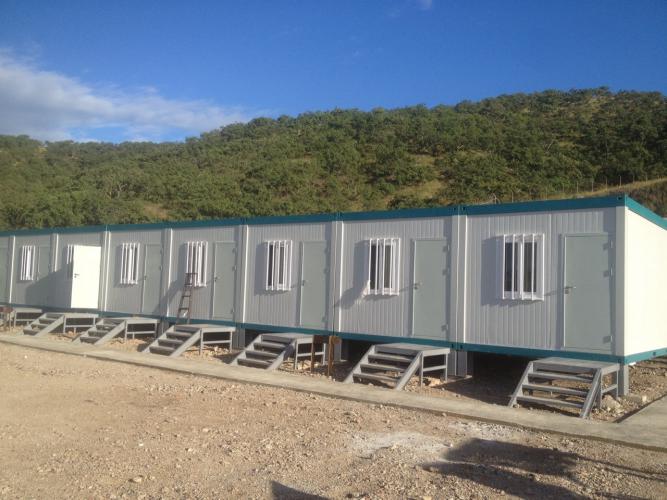
A shipping container office is a prefabricated workspace constructed within the structural framework of a standard ISO shipping container or modular unit designed to container specifications. Unlike temporary job-site trailers, modern container offices are engineered solutions that combine the structural integrity of containers with commercial-grade interior finishes, climate control systems, and professional aesthetics.
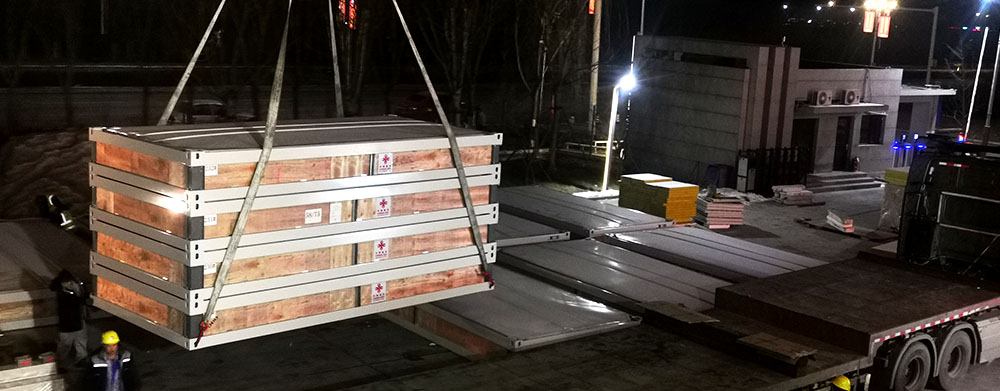
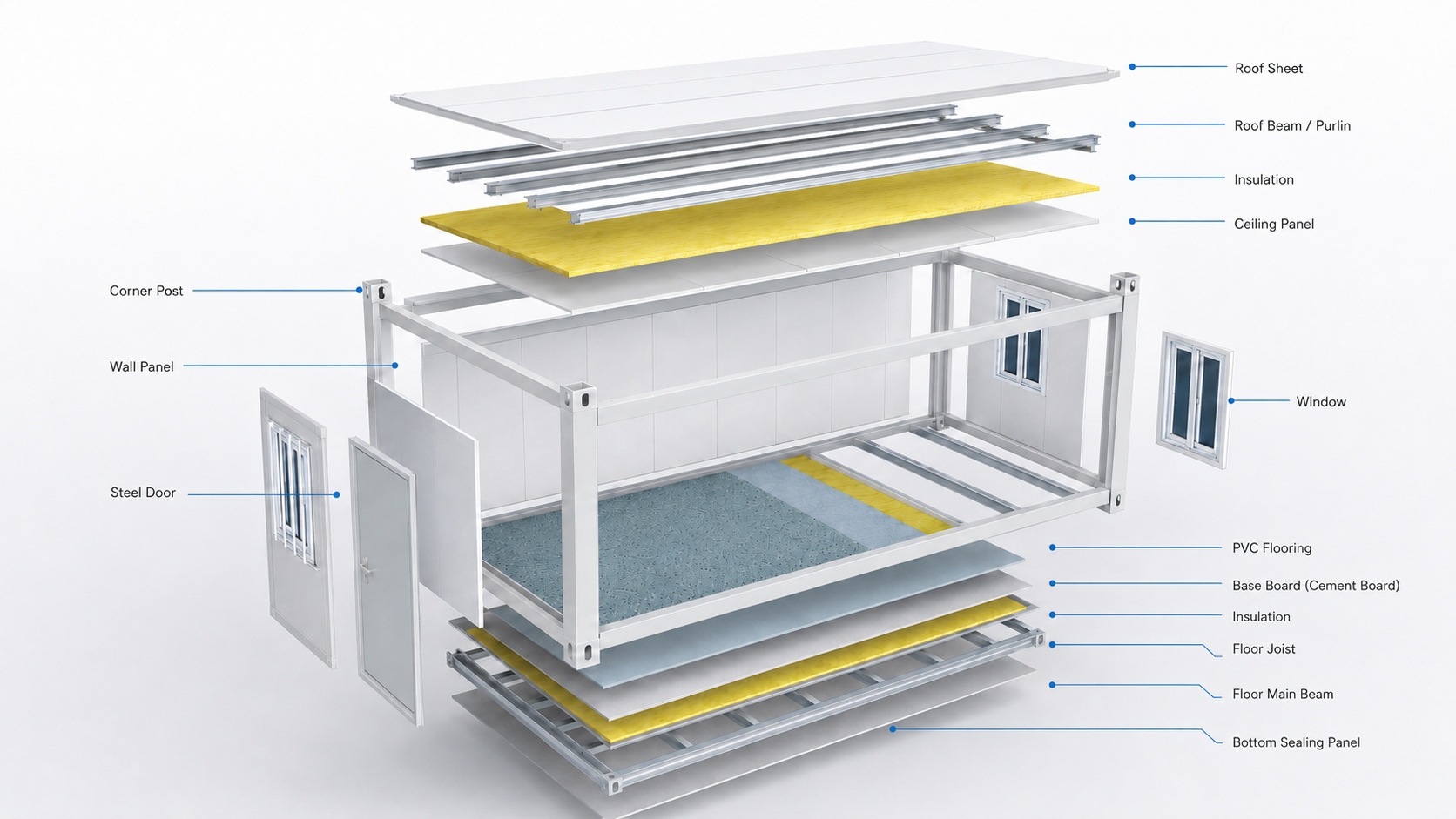
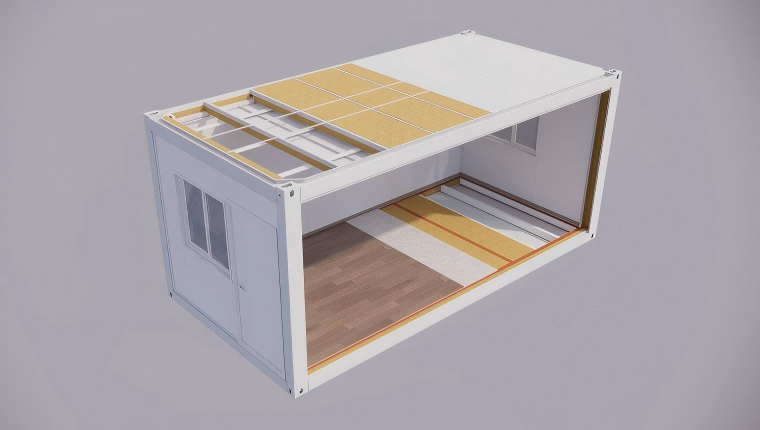
Container offices utilize standardized modular design principles that allow for flexible configuration and rapid deployment. The basic container dimensions—typically 20 feet or 40 feet in length—provide a standardized foundation that simplifies manufacturing, transportation, and on-site installation. The container frame itself serves as the primary load-bearing structure, while insulation, wall panels, flooring, electrical systems, and plumbing are integrated during factory production.
Unlike traditional office construction, which requires on-site assembly of multiple components, shipping container offices arrive substantially complete and ready for immediate occupancy. This factory-prefabrication approach ensures consistent quality control, reduces on-site labor requirements, and dramatically accelerates project timelines.
Technical Specifications and Design Standards
Modern shipping container offices adhere to rigorous technical specifications developed through decades of engineering refinement. Understanding these specifications demonstrates the sophistication of contemporary container office design:
Structural Framework: Container offices typically feature hot-dip galvanized steel construction, which provides superior corrosion resistance compared to standard steel. The galvanization process creates a protective zinc coating that extends structural longevity, particularly in coastal, high-humidity, or chemically aggressive environments. This treatment is essential for long-term performance in demanding industrial or remote locations.
Insulation and Thermal Performance: Standard container offices incorporate 100mm (approximately 4 inches) of glass fiber wool or rock wool insulation in both roof and floor assemblies. Wall insulation typically ranges from 50mm to 100mm depending on climate requirements. These specifications achieve thermal transfer coefficients (U-values) ranging from 0.46 to 0.64 W/m²K, providing performance comparable to permanent office buildings.
Dimensional Specifications: Standard single-unit container offices offer external dimensions of 6055mm length × 2990mm width × 2896mm height, with interior net space of 5845mm × 2780mm × 2500mm. This translates to approximately 160 square feet of usable office space per 20-foot container unit. For larger workspace requirements, containers can be horizontally connected or vertically stacked up to three levels, creating flexible configurations ranging from 160 to 480+ square feet of connected office space.
Load Capacity and Environmental Performance: Container offices are engineered to withstand roof live loads of 0.5 kN/m² and floor loads of 2.0 kN/m². Wind resistance is typically rated for Category 10 conditions (approximately 88-102 mph sustained winds), with special structural treatments capable of withstanding Category 17 hurricane-force conditions. These specifications ensure performance in diverse geographic locations and extreme weather conditions.
Interior Systems and Utilities: Container offices incorporate complete electrical pre-wiring with lighting fixtures, multiple power outlets, and air-conditioning provisions. Water supply and drainage systems are installed within walls during factory production, eliminating on-site plumbing requirements. These integrated systems reduce installation time and ensure safety and code compliance.
Key Advantages of Shipping Container Offices
The adoption of container offices reflects several compelling operational and financial advantages:
Cost Efficiency: Container offices typically require 30-40% less capital investment compared to traditional permanent construction. Factory production at scale allows manufacturers to achieve economies that reduce per-unit costs significantly. Additionally, the rapid deployment timeline reduces financing costs, temporary office rental expenses, and construction management overhead. Over multi-year facility lifecycles, total cost of ownership is substantially lower than conventional alternatives.
Accelerated Deployment: Traditional office construction typically requires 6-12 months from design approval to occupancy. Container offices can be manufactured in 60-90 days and installed within days of arrival on-site. This compressed timeline provides critical advantages for organizations responding to project schedules, temporary operational needs, or seasonal workforce expansions. The factory-prefabrication approach eliminates weather dependencies and on-site construction delays common in traditional building.
Flexibility and Scalability: Container modular design allows organizations to adjust workspace configurations as operational requirements change. Individual units can be added or removed from service, reconfigured with different interior layouts, or relocated to new sites. This flexibility proves particularly valuable in industries with cyclical workforce demands, such as construction, mining, oil and gas operations, and infrastructure development.
Environmental Sustainability: Shipping container offices repurpose materials that would otherwise require disposal or recycling. The manufacturing process generates minimal construction waste compared to site-built facilities. Additionally, the reduced transportation footprint for materials and components, combined with the extended service life of container structures, creates lower overall environmental impact. Many organizations recognize container offices as consistent with corporate sustainability commitments.
Mobility and Relocation: Unlike permanent structures, container offices retain full mobility. Individual units can be relocated to new sites using standard transportation equipment. This capability proves essential for organizations managing multiple project sites, responding to changing operational geography, or seeking to maximize asset utilization across diverse locations. The ability to redeploy facilities reduces stranded capital and extends asset value.
Quality and Consistency: Factory production under controlled conditions ensures consistent build quality, materials sourcing, and compliance with design specifications. Every unit undergoes quality verification before shipment, eliminating the variability common in site-built construction where quality depends on local labor, weather conditions, and site management.
Real-World Applications
Shipping container offices have proven effective across diverse operational environments and industries:
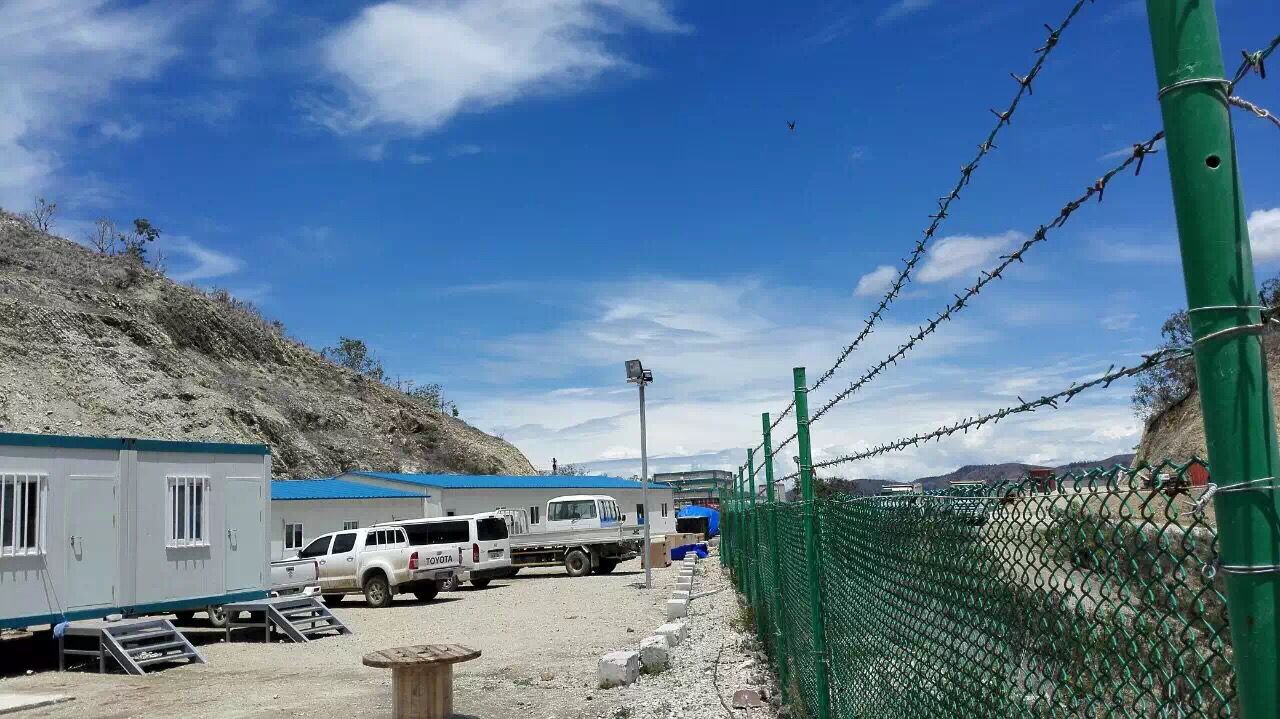
Mining and Extraction Operations: In remote mining locations, container offices provide essential administrative and supervisory facilities where ground conditions and logistics make traditional construction impractical. Observation point offices enable site managers to monitor operations while container-based canteens provide meal services for large workforces. Single and multi-story configurations accommodate varying operational requirements within confined site areas.
Engineering and Construction Projects: Large infrastructure projects—including highway construction, bridge building, railway development, and power generation facilities—depend on container offices to house project management teams, design engineers, and administrative staff. The rapid deployment of container offices enables project teams to establish operational control within days of site mobilization.
Port and Transportation Facilities: Container offices support expansion and upgrade projects at shipping ports, airports, and rail facilities. The existing familiarity with container logistics, combined with the structural capacity to support high-traffic operational environments, makes container offices ideal for transportation infrastructure applications. Specialized configurations support customs operations, security functions, and administrative oversight.
Commercial and Hospitality Applications: Beyond industrial applications, container offices support temporary retail operations, event management facilities, and hospitality infrastructure. The professional appearance of modern container offices eliminates aesthetic concerns that previously limited adoption in commercial settings.
Educational and Training Facilities: Schools and educational institutions have adopted container classrooms and administrative offices, particularly in developing regions with limited construction infrastructure. The modular design allows educational facilities to expand instructional capacity while maintaining quality learning environments.
Emergency Response and Temporary Administration: During emergency response operations, disaster recovery, or temporary administrative needs, container offices enable organizations to establish operational control rapidly without permanent capital investment.
Site Selection and Installation Considerations
Successful container office deployment requires attention to several site-specific factors:
Foundation and Ground Conditions: While container offices are less demanding than permanent structures, suitable foundation systems remain essential. Level, compacted ground with adequate drainage capacity supports optimal performance. In challenging soil conditions, concrete pad foundations or adjustable support systems accommodate grade variations and ensure structural stability.
Utility Infrastructure: Container offices require electrical supply (typically three-phase 100+ amperage for climate-controlled spaces), water connections for restroom and catering facilities, and adequate drainage systems. Site planning should account for utility routing, connection points, and future expansion needs. Well-designed utility infrastructure supports both initial installation and future modifications.
Climate Considerations: Container offices perform reliably in diverse climatic conditions. In tropical and high-temperature environments, additional insulation and specialized cooling systems maintain comfort levels. In cold climates, enhanced insulation and heating systems prove essential. Coastal or chemically aggressive environments require corrosion-resistant treatments to extend service life.
Transportation and Access: Site accessibility for standard shipping container dimensions (20 feet × 8 feet × 8.5 feet height) determines delivery logistics. On-site access roads and maneuvering space must accommodate container delivery vehicles. Organizations should confirm site access before finalizing container specifications and delivery schedules.
Regulatory and Compliance Requirements: Local building codes, zoning regulations, and occupancy permits may apply to container offices depending on jurisdiction and anticipated duration of use. Early consultation with local authorities ensures compliance and prevents deployment delays.
Customization and Interior Design
Modern container offices accommodate extensive interior customization, transforming basic shells into fully functional professional workspaces:
Layout Flexibility: Container interiors can be partitioned into private offices, open collaborative workspaces, conference facilities, and support functions. Modular wall systems allow rapid reconfiguration as operational needs change. Removable partitions enable quick transition between different configurations without structural modifications.
Interior Finishes: Professional-grade materials including mineral wool acoustic ceiling, color-coordinated wall panels, and commercial-grade flooring create attractive workspaces. Interior materials selections can reflect corporate branding and professional standards.
HVAC and Climate Control: Full heating, ventilation, and air-conditioning systems maintain comfortable operating conditions in diverse climates. Zoning systems allow independent temperature management in different interior zones, optimizing energy efficiency and comfort.
Lighting Design: Integrated LED lighting systems provide professional illumination throughout interior spaces. Daylighting can be incorporated through window installations, reducing daytime energy consumption and improving occupant well-being.
Technology Integration: Container offices support complete technology infrastructure including data cabling, internet connectivity, video conferencing capabilities, and telephone systems. Integration occurs during factory production, eliminating on-site technology installation requirements.
Comparative Analysis: Container Offices vs. Traditional Construction
Understanding how container offices compare to conventional alternatives helps inform selection decisions:
| Factor | Container Offices | Traditional Building | Temporary Trailers |
| Capital Cost | $25,000–$40,000 per unit | $75,000–$150,000+ per unit | $15,000–$25,000 per unit |
| Installation Timeline | 2–4 weeks | 6–12 months | 1–2 weeks |
| Service Life | 15–25+ years | 30–50+ years | 5–10 years |
| Relocation Capability | Full mobility | Permanent installation | Limited mobility |
| Interior Quality | Professional-grade finishes | Permanent construction standards | Basic temporary standards |
| Environmental Impact | Repurposed containers, low waste | Significant material consumption | Disposable materials |
| Scalability | Highly modular, flexible | Fixed configuration | Fixed unit size |
| Operating Costs | Competitive long-term | Competitive for permanent use | Higher per-month costs |
Container offices occupy a strategic middle position between temporary job-site trailers and permanent construction, combining advantages of cost efficiency and rapid deployment with professional-grade interior quality and extended service life.
Environmental and Sustainability Considerations
The sustainability case for container offices strengthens as environmental consciousness shapes business decisions:
Material Reuse and Circular Economy: Shipping containers represent decades-old assets that would otherwise enter disposal or low-value recycling streams. Conversion to office use extends productive asset life by 15–25 years, maximizing the value extraction from materials and manufacturing energy already invested in container production.
Construction Waste Reduction: Factory prefabrication minimizes construction waste compared to site-built facilities. Interior systems are pre-assembled in controlled conditions, eliminating field waste, material handling losses, and rework common in conventional construction.
Logistics and Transportation Efficiency: Container standardization provides efficient logistics. Containers return to normal shipping routes rather than requiring specialized transportation, reducing incremental transportation energy. The minimal additional shipping volume compared to traditional building materials creates measurable environmental advantages.
Extended Asset Life and Reducing Embodied Carbon: By extending productive use of manufactured containers across 15–25 year lifecycles, organizations distribute manufacturing emissions over longer periods, reducing annualized embodied carbon. This environmental efficiency compares favorably to permanent construction in scenarios involving temporary or intermediate-term needs.
Operational Energy Efficiency: Modern container offices incorporate insulation and HVAC systems meeting energy efficiency standards comparable to permanent buildings. Superior insulation—100mm in roofs and floors—controls operational energy consumption across diverse climates.
Implementation and Best Practices
Organizations considering container offices should follow these best practices to maximize value realization:
Comprehensive Needs Assessment: Define specific requirements including square footage, duration of use, number of occupants, functional requirements (offices, meeting spaces, utilities), and growth trajectory. Accurate requirements definition prevents over-specification and ensures appropriate facility selection.
Site Evaluation: Conduct thorough site assessments addressing utility infrastructure, ground conditions, access capabilities, and regulatory requirements. Early identification of site constraints prevents deployment delays and cost overruns.
Vendor Selection: Partner with established manufacturers with demonstrated experience, quality credentials, and responsive customer support. Established vendors provide technical guidance, design optimization, and reliable delivery performance.
Timeline Planning: Build realistic project timelines accounting for manufacturing lead times, shipping logistics, and on-site installation. Compressed timelines compared to traditional construction provide advantages, but manufacturing capacity must be confirmed before committing to deployment schedules.
Future Flexibility: Design container configurations with future modification and relocation in mind. Planning for eventual reconfiguration or redeployment to alternative sites extends facility utility and maximizes long-term value.
Quality Assurance: Verify quality standards during manufacturing and upon delivery. Pre-delivery inspection ensures compliance with specifications and prevents installation delays or rework.
Conclusion
Shipping container offices represent a mature, proven solution to the modern workspace challenge. By combining the structural reliability of ISO shipping containers with professional-grade interior systems, contemporary container offices deliver substantial advantages in cost efficiency, deployment speed, flexibility, and sustainability. Organizations across mining, construction, engineering, transportation, education, and commercial sectors have validated the practical value of this approach.
As traditional construction costs continue rising and organizations increasingly require flexible, rapidly deployable workspace solutions, shipping container offices occupy an expanding role in the commercial real estate landscape. The technology continues advancing, with innovations in insulation systems, interior finishes, modular connectivity, and sustainability features continuously improving performance and expanding application possibilities.
For organizations seeking to balance capital efficiency, operational flexibility, and professional workspace standards, shipping container offices provide a compelling alternative worthy of serious consideration. The combination of proven reliability, established manufacturing capabilities, declining costs through economies of scale, and demonstrated performance across diverse applications positions container offices as a strategic facility solution for the coming decade.
For comprehensive information about container office solutions and customization options, visit https://www.cdph.net/




 More
More











![Top Advantages of Modular Construction Explained [2025]](/uploads/upload/images/20250424/0fb390068474145a09a8c0504c73b1d2.png)
 May 09, 2025