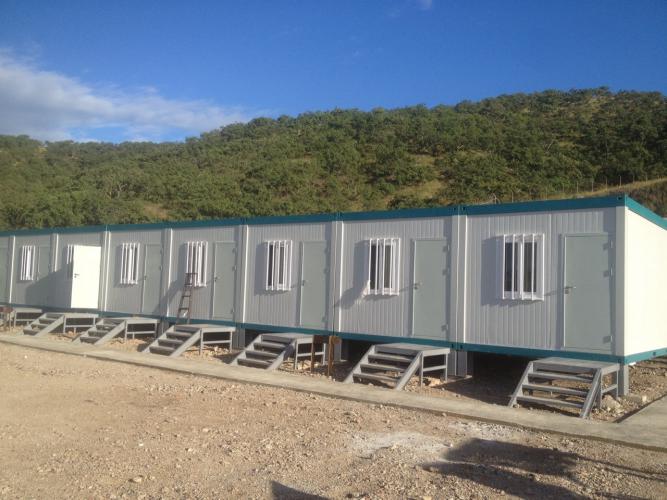
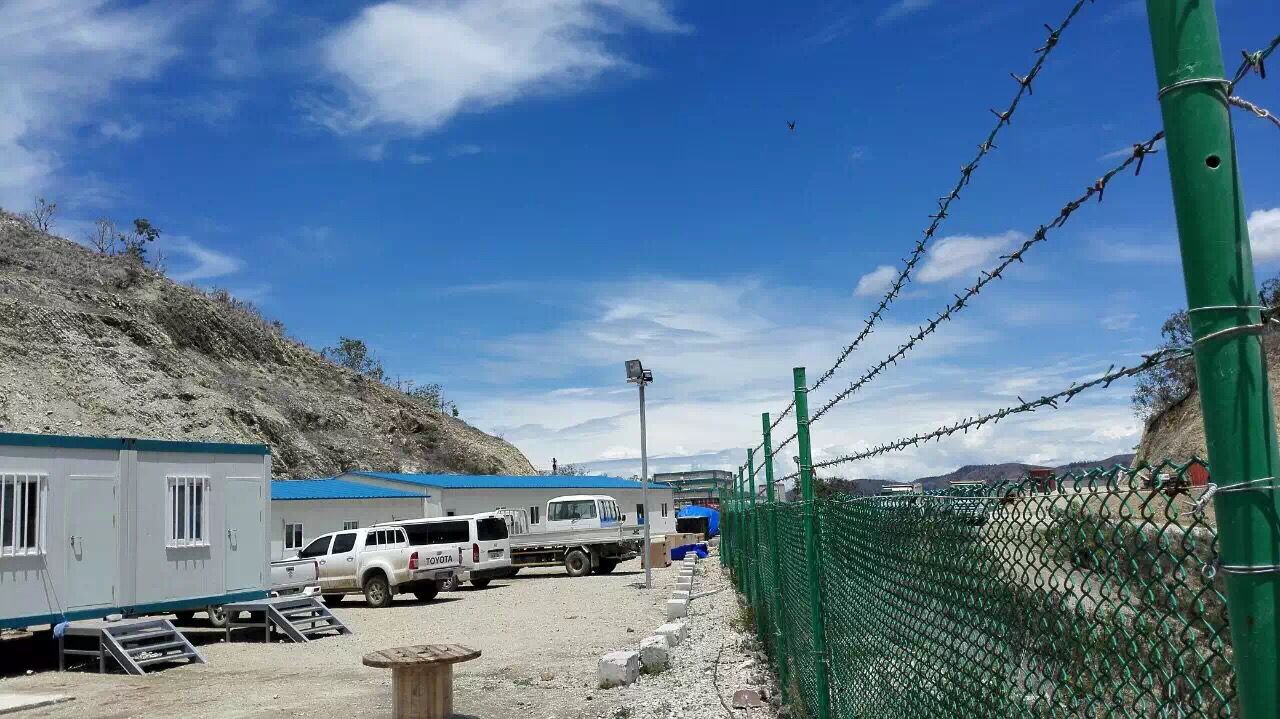
When disaster strikes or a large-scale emergency unfolds, safe shelter becomes the most urgent human need after medical care and clean water. Emergency container housing has emerged as one of the most effective ways to provide immediate, dignified living and working spaces in these critical moments.
Unlike tents or improvised structures, container-based modular housing offers a unique combination of speed, strength, comfort and scalability. Manufacturers such as CDPH (Chengdong), a global prefab, modular and container house provider, have turned decades of construction camp experience into refined emergency housing systems that can be deployed at scale, almost anywhere in the world.
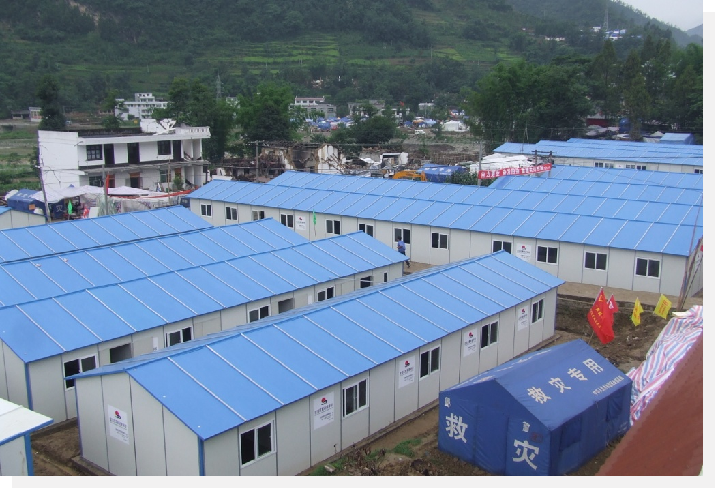
What Is Emergency Container Housing?
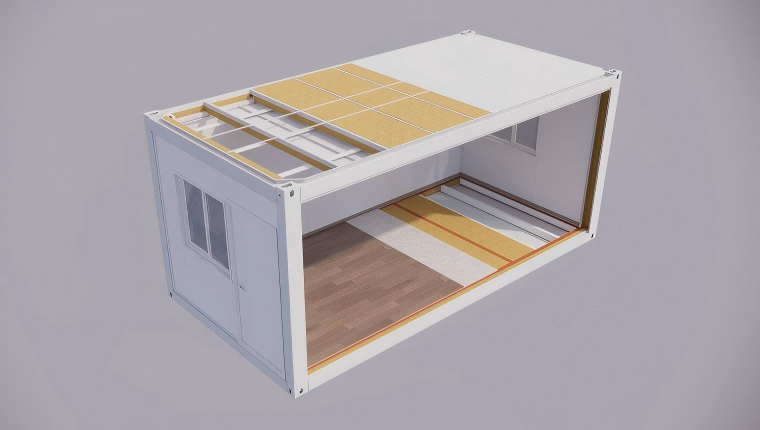
Emergency container housing refers to modular, factory-built units based on a steel frame “container” structure that can be transported, quickly assembled and reused to provide temporary or semi-permanent shelter.
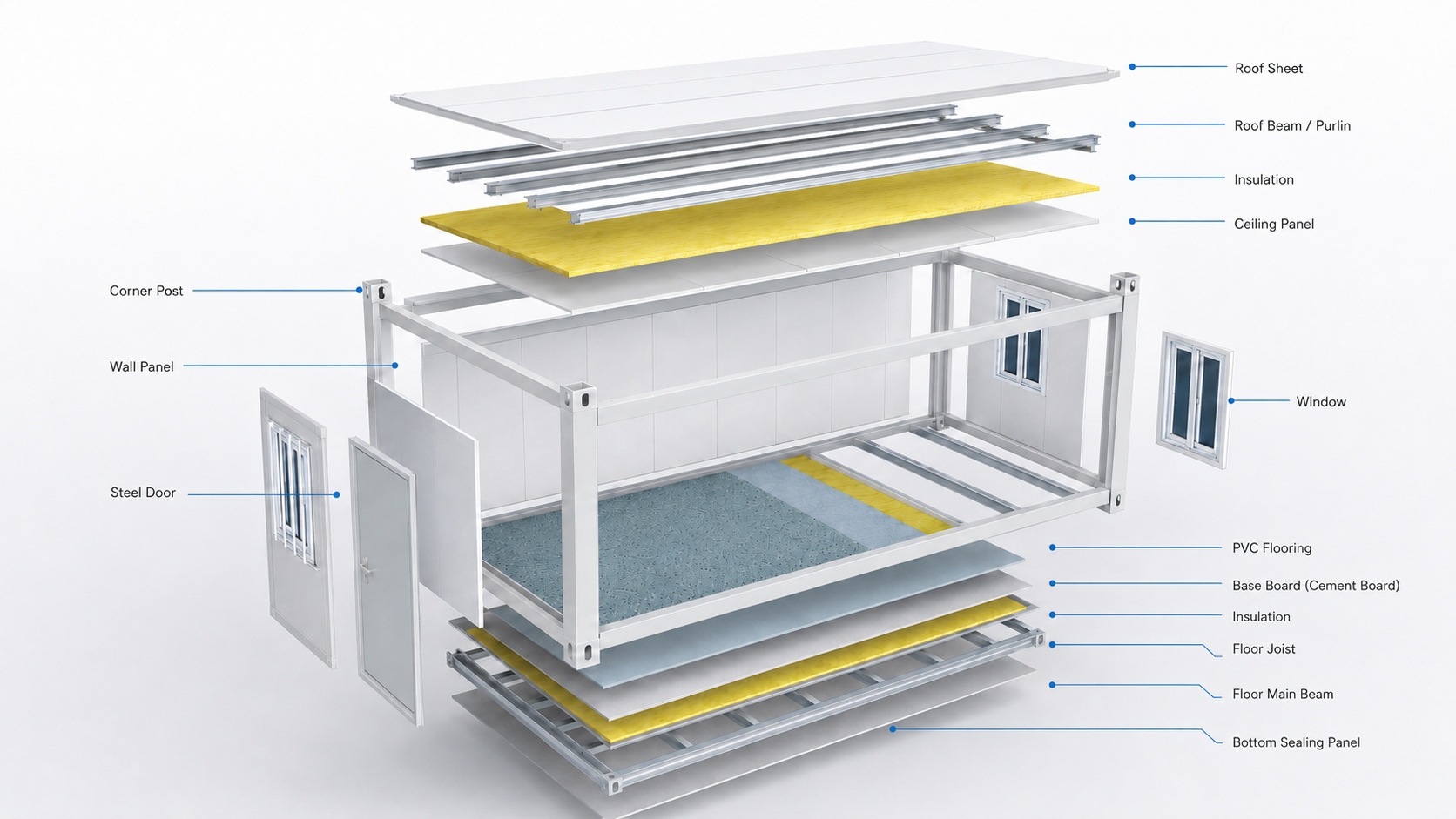
Although the word “container” recalls shipping containers, modern emergency container houses are purpose-designed building modules, not simply retrofitted cargo boxes. Key characteristics include:
Modular design: Each unit is a standardized structural module that can be used as a single room or joined horizontally and vertically to create larger buildings, corridors or multi-story complexes.
Steel frame structure: A robust structural steel frame provides high strength, wind resistance and seismic performance, while allowing stacking typically up to three stories for space-efficient camps.
Factory prefabrication: Walls, doors, windows, insulation, interior finishes, electrical and plumbing systems are produced and pre-assembled in a controlled factory environment for consistent quality.
Movable and reusable: Units can be disassembled, transported and reinstalled at another site, extending lifespan and reducing waste compared to one-off temporary buildings.
In emergency scenarios, these characteristics translate directly into faster deployment, safer accommodation and better living conditions for affected populations and frontline workers.
Why Container Housing Is Ideal for Emergencies
Emergency response environments are defined by uncertainty, time pressure and constrained resources. Container housing addresses these realities in several ways.
Speed of Deployment
Time is the critical variable after a disaster. Traditional brick-and-mortar construction is simply too slow and labor-intensive for large-scale emergency shelter.
Container housing accelerates the entire timeline:
Standardized modules are produced before an emergency or quickly ramped up from existing production lines.
On-site work is minimized to foundations, simple utility connections and assembly.
Installation is mechanical and repeatable: cranes or forklifts lift modules into place; workers connect them using pre-engineered bolt systems.
For large-scale emergencies, a mature manufacturer such as CDPH, with an annual container house production capacity on the order of tens of thousands of units, can support rapid rollout of entire camps housing thousands of people.
Structural Safety and Durability
Emergency environments are often harsh: aftershocks, typhoons, heavy rainfall, extreme cold or heat, and soft or uneven ground conditions.
Well-engineered emergency container houses address these risks through:
Rigid steel skeletons designed to resist wind and seismic loads.
Reliable connections between modules via high-strength bolts and standardized junction details.
Engineered stacking up to three stories, distributing loads safely while maximizing land utilization.
These features make container housing not only a short-term solution but also suitable for multi-year use where reconstruction is delayed or phased.
Thermal Comfort and Weather Protection
Large tent camps rapidly become uninhabitable in hot, cold or rainy climates. By contrast, modern modular container housing can include:
Insulated wall and roof panels to stabilize indoor temperatures.
High-performance doors and windows to reduce drafts and improve sound insulation.
Options for HVAC integration in regions with extreme temperatures.
Weatherproof roof and exterior systems to manage heavy rain or snow loads.
This is especially critical for vulnerable populations—children, the elderly and those recovering from illness or injury—who require stable indoor environments.
Hygiene, Safety and Dignity
Emergency container housing can be configured not only as dormitories, but also as:
Sanitary blocks with toilets and showers
Medical clinics and isolation wards
Canteens and kitchens
Classrooms and community spaces
Offices for relief agencies and site management
Compared with ad-hoc shelters, container-based solutions make it easier to maintain hygiene standards, control access and provide privacy. This directly improves public health outcomes and preserves dignity for displaced people.
Scalability and Flexibility
No two emergencies are identical. Some require a few dozen units for a remote operations base; others demand multi-thousand-person camps.
Modular design supports both:
Small, quickly assembled clusters for rapid response teams.
Comprehensive camps with dormitories, offices, clinics, storage, workshops and dining spaces, planned as coherent site layouts.
Reconfigurability: units can be added, relocated, stacked or repurposed as needs evolve.
Manufacturers like CDPH draw on extensive experience designing construction and mining camps, where similar scalability and functional diversity are required, and apply that knowledge directly to emergency housing scenarios.
Typical Applications of Emergency Container Housing
Emergency container housing is relevant to a wide range of scenarios beyond natural disasters alone. Common applications include:
Natural Disaster Relief and Reconstruction
Following earthquakes, floods, tsunamis, hurricanes or landslides, local housing stock can be destroyed or rendered unsafe.
Container housing enables:
Rapid temporary shelter in organized camps.
Transitional housing that bridges the multi-year gap until permanent reconstruction is complete.
Support facilities for government agencies, NGOs and community organizations involved in relief.
Because the units are relocatable and reusable, much of the infrastructure invested in early response can later be moved to other locations or repurposed.
Conflict and Displacement Camps
In conflict zones and regions facing internal displacement, container housing provides a more secure and durable alternative to tent camps.
Key advantages include:
Better climate protection and security for families.
Flexible layouts for family units, communal areas and service buildings.
Long-term durability when crises become protracted.
The ability to integrate perimeter walls, controlled access points, lighting and communication infrastructure makes container-based camps suitable for high-security contexts.
Emergency Medical Facilities and Isolation Wards
Health emergencies such as pandemics, disease outbreaks or mass casualty events often require rapid expansion of medical capacity.
Container housing can be configured as:
Isolation units with independent ventilation paths.
Mobile clinics for triage and basic treatment.
Field hospitals with wards, laboratories and staff housing.
The modular nature allows separation of clean and contaminated zones, controlled circulation of patients and staff, and later reconfiguration into non-medical uses once the crisis passes.
Remote Infrastructure and Energy Projects
While not always labelled “emergencies,” large-scale infrastructure, mining, energy and transportation projects frequently take place in remote regions lacking basic housing.
Container-based camps support:
Workers’ dormitories and family living units
Site offices and control rooms
Warehouses and workshops
Canteens, recreation areas and medical rooms
In many cases, these environments must be established quickly to meet project schedules and may need to respond to shifting construction fronts—challenges ideally suited to modular container solutions.
Education and Community Facilities After Crises
After disasters, schools and community buildings are often among the most damaged assets. Container housing systems can be adapted to create:
Temporary or semi-permanent schools
Training centers
Community halls and places of worship
Libraries and study rooms
By providing well-lit, acoustically controlled, thermally comfortable spaces, modular container classrooms allow children to return to safe learning environments sooner, which is critical for social stability and psychological recovery.
Key Design Features of High-Quality Emergency Container Housing
Not all container systems are equal. When evaluating solutions and suppliers, several design aspects are particularly important for emergency use.
Structural and Safety Design
Engineered steel frame with clear load paths for stacking and lateral loads.
Robust connections between modules and to foundations, resisting uplift and lateral forces.
Compliance with regional building codes for wind, seismic and fire performance.
Fire-resistant materials and properly designed escape routes for multi-story configurations.
Envelope and Interior Performance
Appropriate insulation thickness and materials based on climate.
Thermal-break detailing to reduce condensation and cold bridges, especially in cold regions.
Sound insulation to improve privacy and reduce noise in dense camps.
Durable interior finishes that withstand high occupancy and frequent cleaning.
Systems Integration
Pre-installed electrical wiring, lighting, and sockets.
Options for HVAC, heating or mechanical ventilation as required.
Plumbing systems integrated into sanitary modules for showers, toilets and handwashing.
Flexible provisions for data and communication infrastructure in offices and control rooms.
Installation and Logistics
Standardized module dimensions compatible with road, rail or sea transport.
Options for flat-pack solutions where modules are shipped as collapsed sets to save volume and assembled on site.
Clear installation manuals, standardized tooling and training support to enable local teams to assemble systems safely.
CDPH’s portfolio, for example, spans modular container houses, prefab houses, light steel structures, light steel villas and integrated light steel modules, allowing project owners to choose the right structural system for dormitories, offices, workshops or public service buildings within a single camp concept.
From Crisis to Camp: How an Emergency Container Housing Project Is Delivered
For decision-makers, understanding the process from first contact to an operational camp helps in planning and coordination.
Needs Assessment and Site Evaluation
Identify the number and type of occupants (families, workers, medical staff, patients, students).
Assess climate, terrain, access roads, utilities, and local regulations.
Define functional requirements: accommodation, offices, clinics, kitchens, sanitation, storage, recreation, security.
Concept Design and Layout Planning
Develop a camp master plan: circulation, zoning (living, working, service areas), emergency access.
Select appropriate module types (standard dorm rooms, sanitary blocks, offices, medical units, etc.).
Consider future expansion or reduction, ensuring modular layouts can adapt over time.
Experienced providers such as CDPH leverage a large portfolio of completed camps—ranging from airport expansion projects to railway lines, mining sites and humanitarian housing—to rapidly customize layouts to new sites while maintaining proven design principles.
Learn more about modular and prefab solutions at CDPH Chengdong Modular House.
Engineering and Prefabrication
Structural, architectural and MEP (mechanical, electrical, plumbing) engineers finalize designs.
Factory production begins for steel frames, panels and interior systems.
Quality control processes ensure dimensional accuracy, material compliance and safety.
Because most of the complexity is handled at the factory, on-site work becomes predictable and less dependent on local weather, labor skill levels or material availability—critical advantages in emergency contexts.
Logistics and On-Site Preparation
Modules or flat-pack components are shipped to the destination country or region.
Site work proceeds in parallel: foundations, access roads, utility connections, fencing, lighting.
Coordination with customs, local authorities and partners ensures smooth import and transport within the country.
Assembly, Commissioning and Handover
Installation teams assemble and stack modules according to the site plan.
Utility systems are connected and tested.
Final inspections confirm structural safety, fire safety, electrical integrity, sanitation and accessibility.
The camp is formally handed over to the client, relief agency or operating organization.
Operation, Maintenance and Future Reuse
Facilities management teams handle day-to-day operations, cleaning and minor repairs.
As needs change, modules can be relocated, reconfigured or upgraded (e.g., converting dormitories into classrooms or offices).
After the initial emergency phase, units can be moved to other locations experiencing housing shortages or integrated into long-term community infrastructure.
This life-cycle perspective is one of the key reasons container housing is considered more sustainable and cost-effective than building disposable temporary structures that are demolished after a few years.
How CDPH (Chengdong) Supports Emergency and Camp Projects
While the concept of container housing is widely known, the ability to deliver reliable, large-scale projects in challenging environments depends heavily on the expertise and capacity of the supplier.
CDPH (Chengdong) brings several strengths particularly relevant to emergency housing and remote camps:
Global project footprint: Decades of experience delivering camps and modular buildings across Asia, Africa, the Middle East, Europe and the Americas for infrastructure, mining, aviation, education and humanitarian support.
High production capacity: Industrial-scale manufacturing of container houses and modular units, enabling rapid response when thousands of units are required.
Diverse product systems:
Container-based modular houses for emergency accommodation, offices and service buildings.
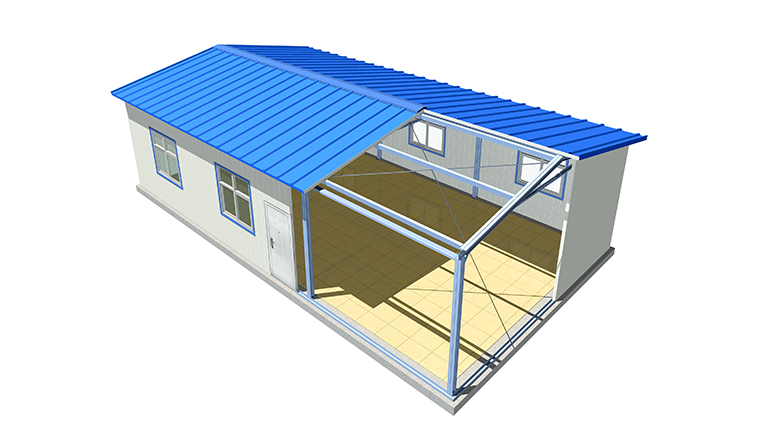
Prefab houses using steel frame and composite panels, offering high thermal performance and design flexibility.
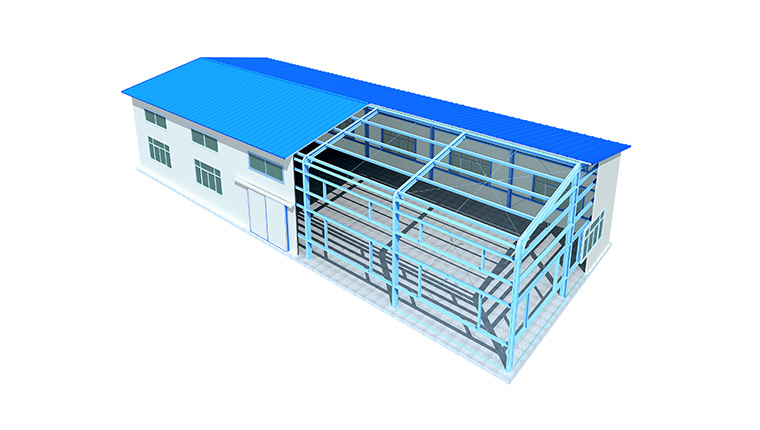
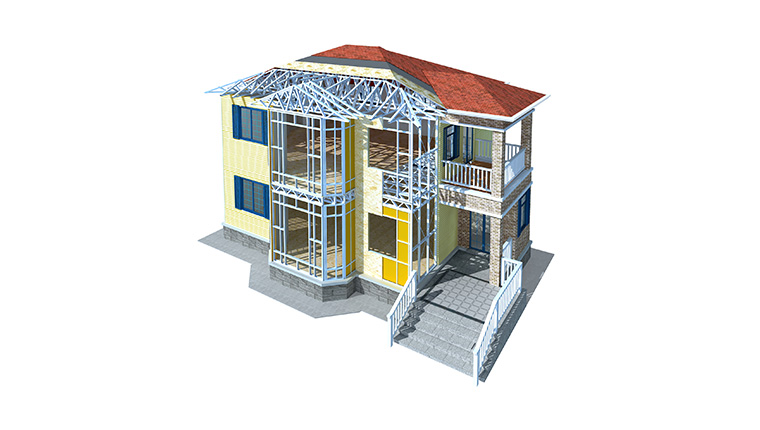
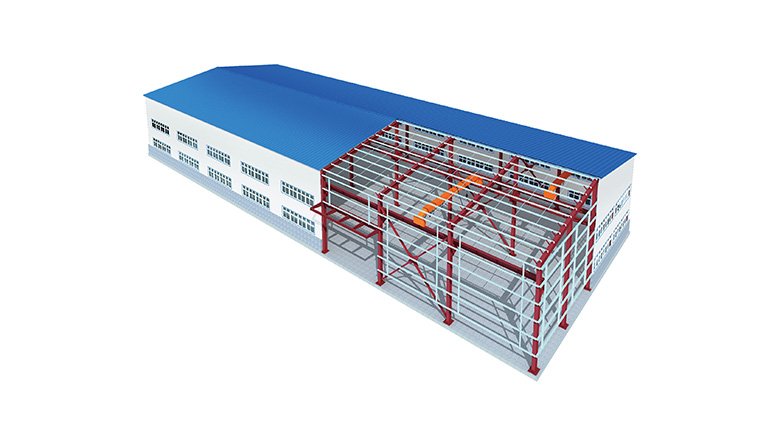
Light steel structures for workshops, warehouses, canteens and large-span spaces.
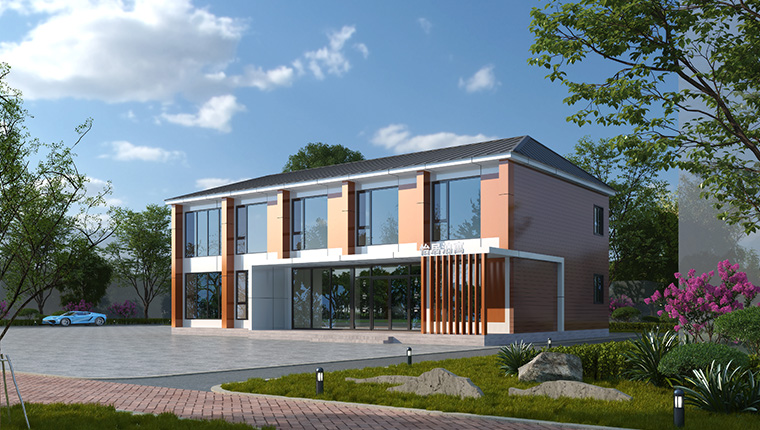
Light steel villas and integrated modules for higher-end or semi-permanent housing.
Integrated camp solutions: Ability to design and supply complete construction or emergency camps, including dormitories, offices, storage, catering, sanitation and recreation facilities.
For organisations planning large-scale emergency or remote housing projects, partnering with such a full-line modular building specialist greatly reduces technical and logistical risk.
Choosing the Right Emergency Container Housing Solution
When planning an emergency housing initiative or remote camp, decision-makers should consider the following checklist:
Response speed: Can the supplier demonstrate proven timelines from order to occupancy on comparable projects?
Production capacity: Is there enough manufacturing capacity to meet peak demand?
Experience in similar climates and contexts: Are there reference projects in regions with similar weather, regulatory and logistical conditions?
Design flexibility: Can the system accommodate different room types, building heights and functional needs?
Compliance and certification: Do materials and designs meet relevant building codes, fire standards and safety requirements?
Life-cycle costs: What is the expected lifespan, maintenance profile and potential for reuse or relocation?
Support services: Does the partner provide design assistance, on-site technical guidance and after-sales service?
Evaluating suppliers across these dimensions helps ensure that emergency container housing is not just fast, but also safe, comfortable and sustainable over its full service life.
Conclusion: A Strategic Tool for Resilient Response
Emergency container housing has evolved from a niche solution into a core tool in the global resilience toolkit. By combining modular design, industrial-scale prefabrication and flexible camp planning, it provides:
Rapid, scalable shelter in the immediate aftermath of disasters.
Safe, dignified living conditions for displaced populations and frontline workers.
Adaptable infrastructure that can transition from emergency response to long-term community assets.
Manufacturers like CDPH (Chengdong)—with broad experience in modular houses, prefab houses, light steel structures and integrated camp solutions—demonstrate how industrial expertise can be harnessed to save time, reduce risk and improve quality in some of the world’s toughest environments.
For governments, NGOs, EPC contractors and private developers planning ahead for resilience, understanding and integrating emergency container housing into contingency planning is no longer optional; it is a strategic necessity.
To explore modular and container housing solutions for your own emergency or camp projects, visit the official CDPH website:https://www.cdph.net/




 More
More











![Top Advantages of Modular Construction Explained [2025]](/uploads/upload/images/20250424/0fb390068474145a09a8c0504c73b1d2.png)
 May 09, 2025