
Tel / Whatsapp:+86 18001125785

Email:chengdong@cdph.com.cn

INQUIRY→

Home/

News/

Blog/

Integrated House: The Future of Modular Construction and Sustainable Living/

Integrated House: The Future of Modular Construction and Sustainable Living

Blog

Release date:Jan 25, 2026

Share:


Introduction to Integrated Houses


An integrated house represents a revolutionary approach to modern construction that combines advanced prefabrication techniques with modular design principles. Unlike traditional building methods that rely heavily on on-site labor and extended construction timelines, integrated houses are manufactured in controlled factory environments and assembled on-site with precision. This methodology has transformed the construction industry, offering unprecedented speed, cost efficiency, and quality control while maintaining structural integrity and aesthetic appeal.


The concept of an integrated house encompasses more than simply assembling prefabricated components—it represents a comprehensive building system where individual modules work harmoniously as a unified structure. From residential applications to large-scale industrial projects, integrated houses have proven their versatility across diverse sectors including mining camps, educational institutions, commercial facilities, and temporary shelters for emergency response situations.


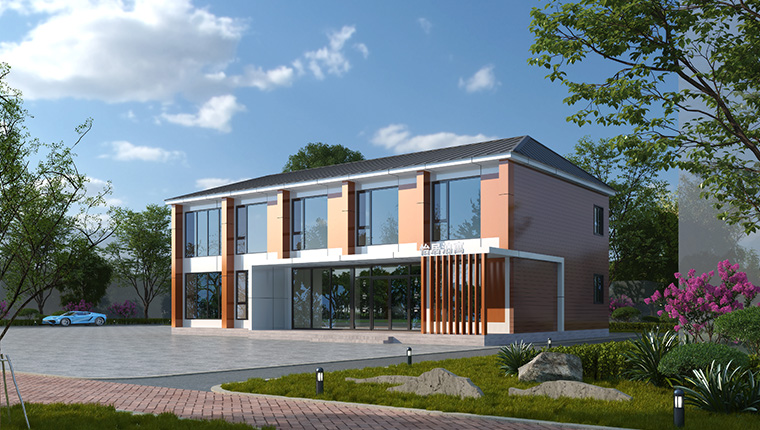
integrated house


Understanding Integrated House Construction Technology


An integrated house fundamentally differs from conventional construction in its manufacturing process and assembly methodology. The core principle involves prefabricating entire structural modules and finished components in factories before transporting them to project sites. This factory-controlled environment ensures consistent quality, precise tolerances, and adherence to strict building standards that may be difficult to maintain with traditional on-site construction methods.


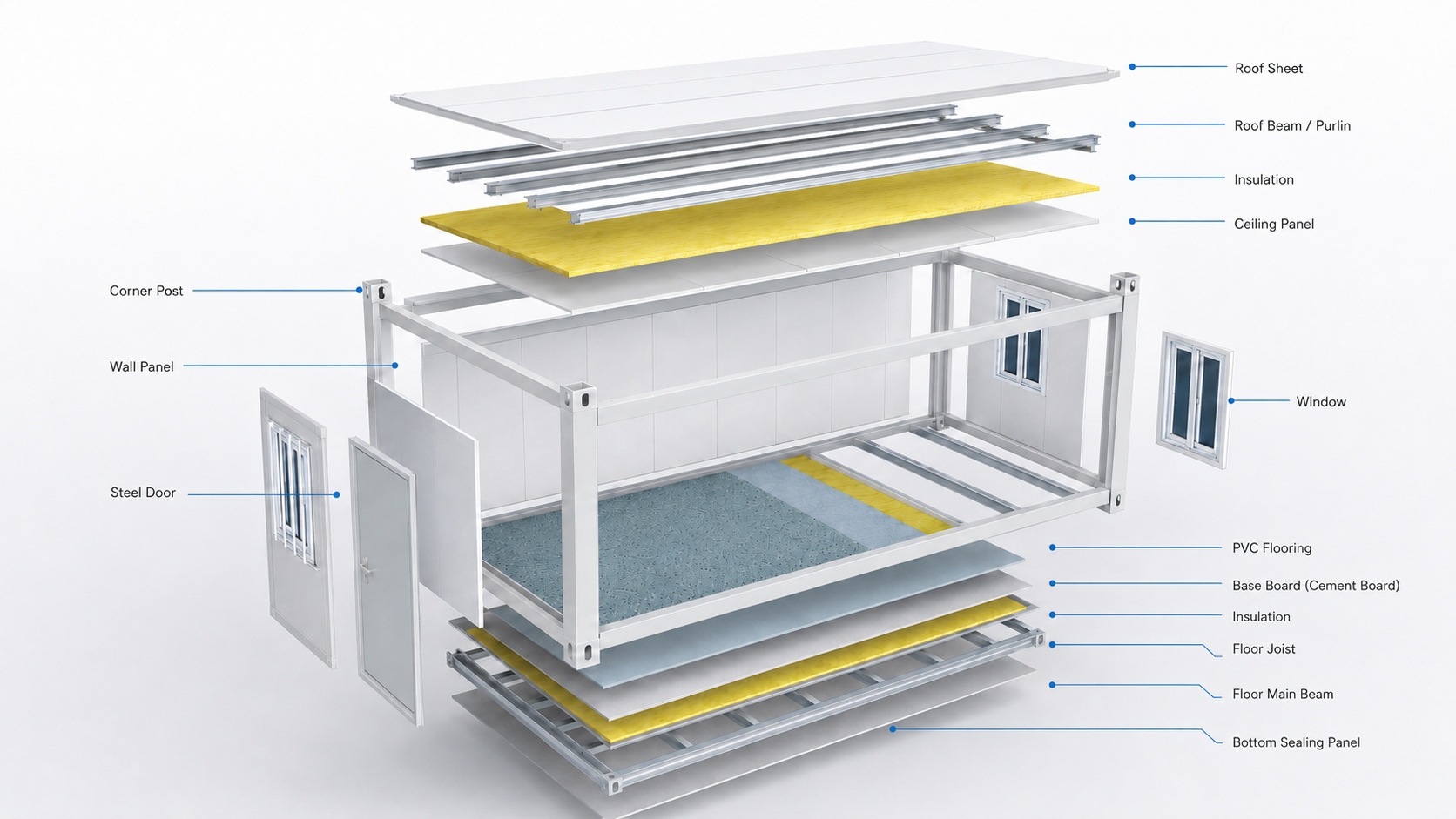
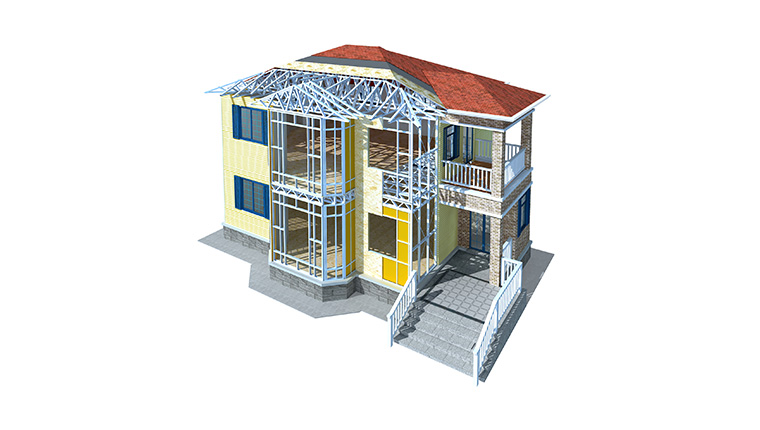
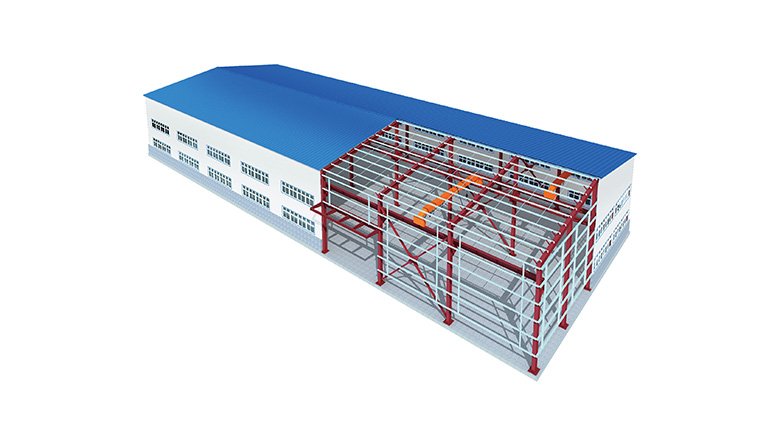
The structural foundation of most integrated houses relies on steel frame technology combined with composite maintenance boards. These materials are selected for their durability, environmental adaptability, and superior insulation properties. The steel frame—often featuring cold-formed, lightweight construction—provides the necessary structural support while minimizing overall weight, a critical advantage for transportation and installation on remote or challenging terrain.


The integration of structural and finishing systems distinguishes modern integrated houses from older modular concepts. Rather than treating the frame and exterior separately, contemporary integrated house design incorporates these elements into cohesive systems where walls, roofing, insulation, and finishing materials function as unified components. This integrated approach significantly reduces assembly time and improves building performance in areas including thermal regulation, moisture resistance, and structural stability.


Key Components and Design Elements


Modular Framework Architecture


The foundation of an integrated house system lies in its modular framework. Each module is designed as a standardized unit that can function independently or be combined with other modules through horizontal and vertical stacking. This flexibility enables builders to customize space requirements without redesigning structural components. For instance, vertical stacking can accommodate up to three layers, allowing developers to optimize land use in confined spaces while maintaining structural stability.


Steel Framework and Connection Systems


The integration of welded steel components using specialized bolting systems creates a rigid, reliable structure. These connections are engineered to withstand environmental stresses including wind, seismic activity, and thermal expansion. The standardized bolt connections enable rapid assembly by unskilled or semi-skilled labor, accelerating project timelines without compromising safety standards.


Thermal and Environmental Protection


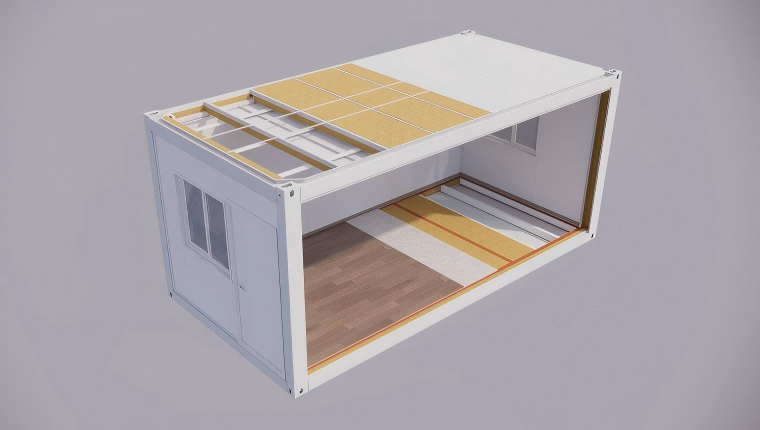
Integrated houses incorporate composite maintenance boards that provide superior insulation properties compared to traditional materials. These boards are engineered to maintain consistent internal temperatures across various climate zones, from extreme cold to tropical heat. The sealed board systems prevent moisture infiltration, addressing a primary cause of structural deterioration in conventional buildings. Anti-corrosion treatments protect structural elements even in corrosive environments such as coastal areas or chemical-intensive industrial sites.


Interior Design and Customization


The flexibility of integrated house systems allows for targeted layout design and interior customization according to client specifications. Partition walls, fixtures, and finishing materials can be selected and installed during the prefabrication phase, eliminating on-site finishing work. This approach ensures consistency across multiple units while allowing personalization to meet specific functional requirements.


Applications and Use Cases


Mining and Energy Sector Camps


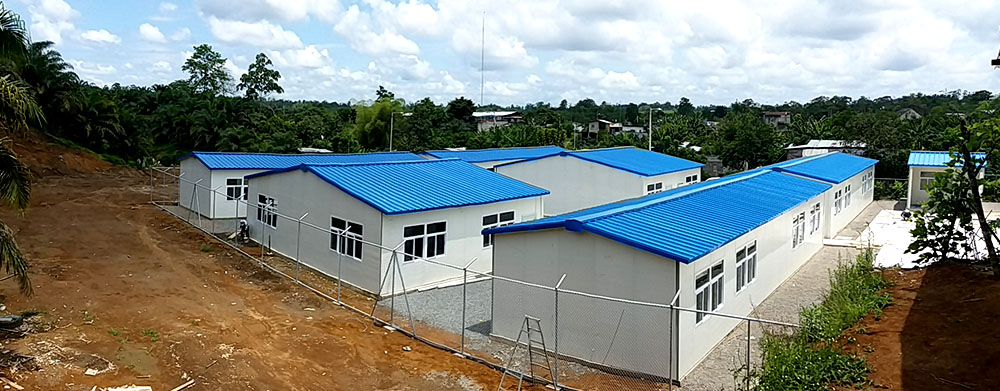
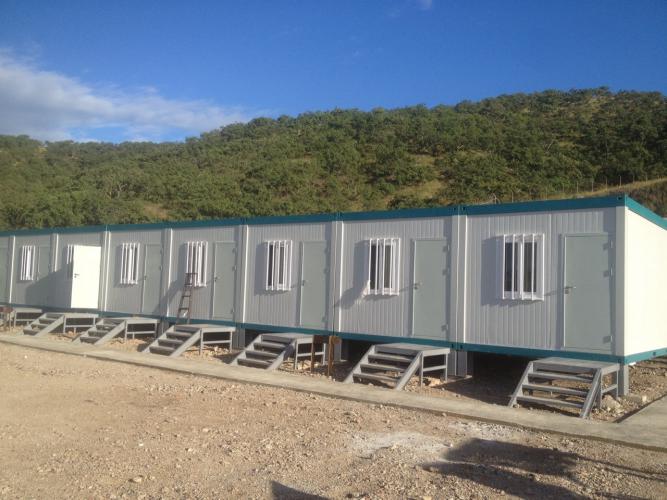
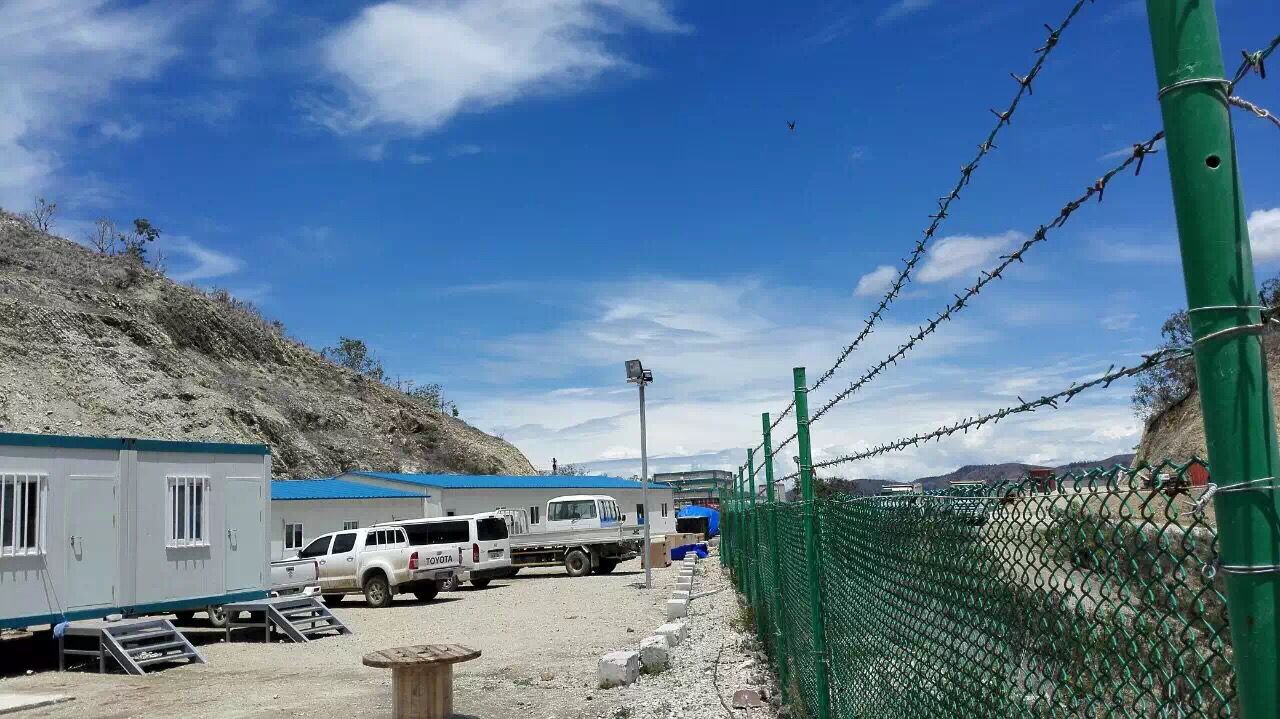
The mining industry represents one of the most critical applications for integrated houses. Mining operations frequently locate in geographically remote areas with minimal existing infrastructure, harsh environmental conditions, and high workforce populations. Integrated houses provide rapid deployment of accommodation facilities for hundreds of workers—miners, technicians, engineers, and administrative staff.


Traditional construction methods would require months or years to establish suitable housing, potentially delaying project commencement. Integrated house systems dramatically compress this timeline, with complete camps operational within weeks of component delivery. The modular design accommodates various room configurations, from shared dormitories equipped with basic furnishings to private quarters with independent bathrooms and amenities.


Educational Infrastructure


Schools and educational institutions increasingly adopt integrated house construction for classroom buildings, administrative facilities, and student accommodation. The systems deliver compelling advantages for educational settings: rapid deployment meets urgent capacity needs, sound insulation creates optimal learning environments, superior lighting design supports student well-being, and green material specifications align with environmental stewardship values that many institutions prioritize.


Integrated house structures can be designed with safety features appropriate for younger occupants, including controlled hazard profiles, secure mounting of fixtures, and non-toxic material selections. The standardized components enable rapid scaling as enrollment increases, allowing institutions to expand capacity without architectural inconsistency or construction disruption to ongoing educational activities.


Commercial and Hospitality Applications


The commercial sector leverages integrated house technology for office buildings, hotels, retail facilities, and mixed-use developments. The rapid construction timeline enables businesses to occupy new facilities within months rather than years, accelerating market entry and return-on-investment timelines. Office buildings benefit from flexible interior layouts that adapt to evolving organizational needs, while hospitality applications utilize modular room designs to standardize guest accommodations while maintaining individual customization.


Sports Venues and Temporary Facilities


Integrated houses excel in temporary and semi-permanent applications for sporting events, festivals, and public gatherings. The standardized rectangular modular design facilitates creative combinations—modules can be arranged in linear configurations, clustered in quadrangles, or configured with specialized viewing corridors and broadcast facilities. This flexibility transforms a single modular component library into infrastructure serving accommodation, hospitality, media operations, and spectator amenities.


Military and Humanitarian Assistance


The military and humanitarian sectors have recognized exceptional value in integrated house systems for rapid deployment of personnel and resource support infrastructure. The ability to disassemble and reassemble units enables strategic repositioning, while the standardized 20-foot containerized packaging dramatically reduces transportation costs. Five complete housing units consolidate into a single standard shipping container, optimizing logistics efficiency while maintaining installation capability.


School Construction and Classroom Expansion


Educational institutions facing enrollment growth or temporary capacity constraints benefit from integrated house flexibility. Classroom buildings constructed using these systems maintain academic integrity through superior acoustic performance, while design flexibility accommodates various pedagogical approaches—traditional classrooms, open learning spaces, specialized laboratories, or combination facilities.


Technical Advantages and Performance Characteristics


Rapid Deployment


The factory-based manufacturing and standardized assembly processes enable integrated houses to be deployed within weeks rather than months or years. This acceleration occurs because on-site construction duration compresses dramatically—complex finishing work occurs in controlled factory environments where workers employ specialized tools and expertise continuously, rather than managing weather delays, scheduling coordination challenges, and skill variability inherent to traditional on-site construction.


Cost Efficiency


Multiple cost advantages emerge from integrated house construction methodology. Factory-based production reduces material waste through optimized cutting and assembly processes. Bulk purchasing of standardized components generates economies of scale. Reduced on-site labor requirements lower payroll costs, while shortened project timelines minimize indirect expenses and financing costs. The standardized design eliminates custom architectural and engineering fees associated with unique traditional buildings.


Quality and Consistency


Factory-controlled manufacturing environments enforce consistent quality standards across all units. Unlike traditional construction where quality varies based on individual worker expertise and site conditions, integrated house components emerge from mechanized production processes where tolerances remain consistent. This consistency directly translates to reduced maintenance requirements, extended structural lifespan, and improved occupant satisfaction.


Structural Resilience


Integrated houses are engineered to withstand environmental stresses that challenge conventional buildings. The redundant structural systems, high-quality materials, and superior construction methods create buildings demonstrating exceptional performance in earthquake-prone regions, high-wind zones, and extreme temperature environments. Historical project performance documents sustained operational capability following severe environmental events.


Environmental Sustainability


The integrated house manufacturing model inherently generates environmental benefits compared to traditional construction. Factory production minimizes construction site waste through precision manufacturing and recycling programs. Reduced on-site labor and shortened project duration minimize environmental disruption. Superior insulation properties reduce operational energy consumption, generating long-term environmental benefits throughout the building lifecycle.


Transportation Efficiency


The containerized design optimizes logistics, enabling efficient transportation by ocean freight, rail, or road. Components standardized to container dimensions eliminate custom packaging and reduce dimensional constraints that plague traditional building materials. This efficiency extends to remote locations with limited infrastructure—standard shipping containers reach virtually any destination with established port, rail, or road connectivity.


Variants and Product Lines


Container Houses

Container houses represent the foundational integrated house category, utilizing standardized shipping container frames as the structural basis. These units can operate independently or combine in various configurations to create larger structures. The rectangular standardized form simplifies manufacturing, transportation, and installation while providing familiar, proven structural performance based on decades of container engineering optimization.


Prefab Houses

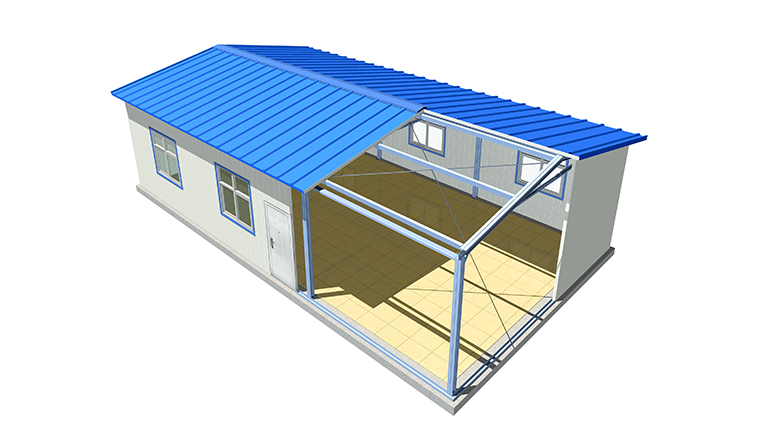
Prefab houses offer expanded customization compared to container-based alternatives, incorporating varied architectural styles, larger floor plans, and premium finishing options. The steel frame and composite board construction delivers superior environmental performance and aesthetic flexibility. This category attracts residential markets and applications requiring distinctive architectural character while maintaining modular advantages.


Light Steel Villas

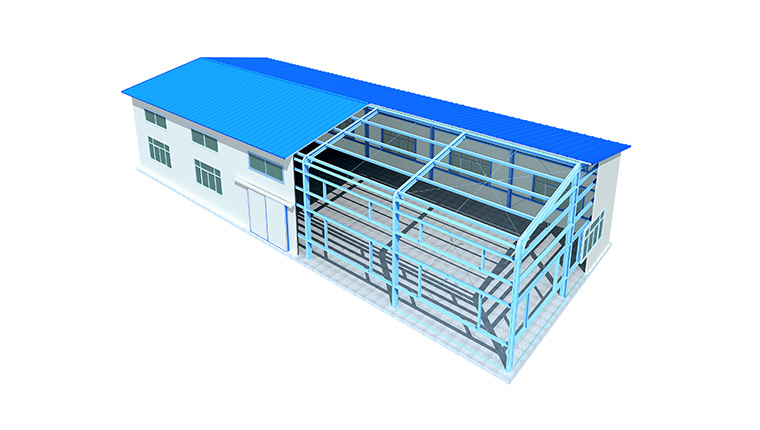
Light steel villas represent the premium integrated house category, offering semi-permanent to permanent residential quality. These structures leverage advanced light steel technology to minimize material weight while maintaining structural capacity, reducing foundations requirements and enabling deployment in environmentally sensitive locations. Customizable layouts and decorative finishes accommodate high-end residential expectations while retaining modular manufacturing efficiency.


Light Steel Module Products

These specialized components employ integrated modular systems featuring through-column design and integrated wall modules. Applications include multi-story residential buildings, hospitality facilities, and commercial structures. The modular design delivers advantages in earthquake resistance, wind resistance, fire resistance, thermal insulation, and rapid construction—addressing critical performance requirements for modern buildings in challenging environments.


Selection Criteria and Implementation Considerations


Organizations evaluating integrated houses should assess project-specific factors including occupancy duration, environmental conditions, customization requirements, and budget constraints. Temporary or semi-permanent applications favor container houses and basic prefab models maximizing economy, while permanent installations may justify investment in premium light steel villas delivering superior aesthetics and longevity.


Climate considerations significantly influence material and design selection. Cold climate projects require enhanced insulation and thermal bridge mitigation, while tropical applications emphasize ventilation, moisture control, and corrosion resistance. Light steel module products excel in high-seismic regions where their flexibility and resilience provide superior safety performance compared to rigid structural alternatives.


Conclusion


Integrated houses represent a paradigm shift in construction methodology, combining factory efficiency with modular flexibility to deliver superior economic and performance outcomes. From mining camps supporting hundreds of workers to schools protecting educational environments to commercial facilities enabling rapid market entry, integrated house systems demonstrate versatility across diverse applications and geographic contexts.


The combination of rapid deployment, cost efficiency, consistent quality, structural resilience, and environmental sustainability positions integrated houses as increasingly essential infrastructure solutions for growing global needs. As construction markets continue evolving toward greater efficiency and sustainability, integrated house technology will likely expand beyond current applications, establishing itself as a standard methodology for diverse construction sectors.


For organizations seeking modern construction solutions combining speed, economy, and reliability, integrated house systems merit serious consideration. Their proven performance across thousands of global projects, combined with continued technological advancement, establishes integrated houses as proven solutions for contemporary construction challenges and future infrastructure development.

whatsapp.png
+86 18001125785
zongubimgfz3.svg
chengdong@cdph.com.cn

Scan the QR code to follow