
Blog
Release date:Feb 12, 2026
Share:
Major infrastructure and EPC projects—ports, bridges, water conservancy, airports and highways—share the same pressure: tight schedules, complex standards, multi‑trade coordination, and ever‑higher safety and environmental expectations. In this context, modular house solutions enable project owners and EPC contractors to build high‑standard construction camps in weeks instead of months, while keeping quality, safety and comfort under control.
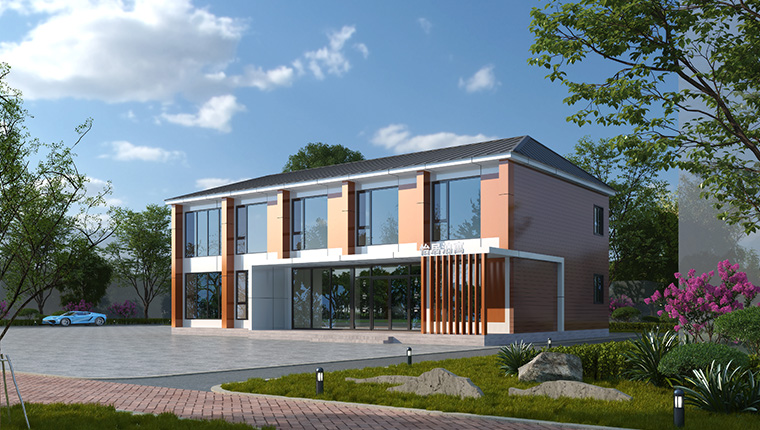
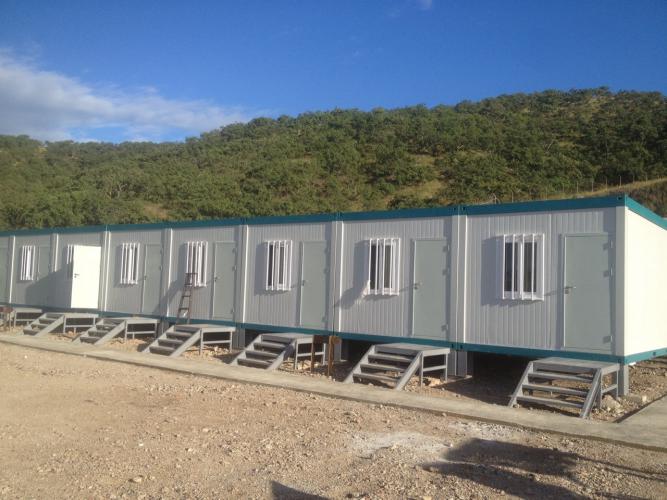
Modular camps use prefabricated units for offices, dormitories, canteens, warehouses and support facilities, combined with complete systems for power, water, drainage, security, fire safety and landscaping. This “EPC camp + multi‑system” approach turns the temporary construction camp into a standardized, repeatable product that can be quickly adapted to different site conditions—whether that is an African airport, a West African port or a remote water conservancy site in Northwest China.

Infrastructure projects often start in remote, underdeveloped locations where permanent buildings, utilities and social facilities are lacking. Without a well‑planned camp, construction teams face low efficiency, poor living conditions and safety risks that directly affect schedule and quality.
Modular house camps address several core pain points of EPC projects:
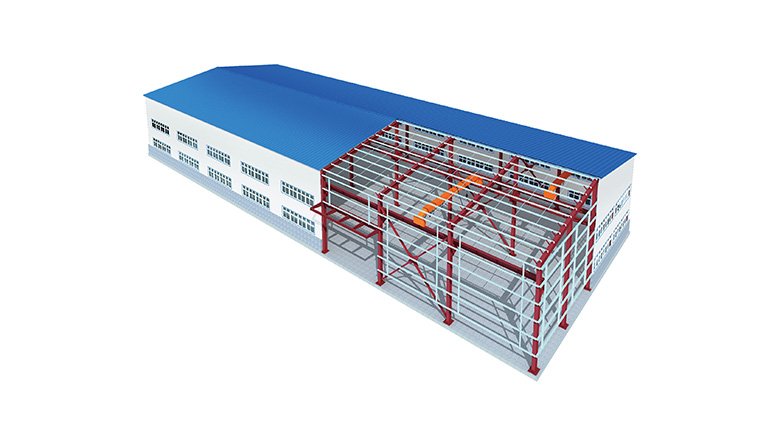
Tight timelines: Factory‑prefabricated steel structures and sandwich‑panel modular houses can be installed rapidly with standardized components and bolt connections, significantly shortening camp construction time.
Complex standards: Structural design, wind resistance, fire safety, drainage and environmental protection can be fully engineered in advance, using proven technical solutions and codes that are repeatable from project to project.
Multi‑trade coordination: Clear camp zoning (office, living, production, logistics, utility areas) and planned road, drainage and power networks make it easier for civil, MEP, telecom, security and other teams to work in parallel without conflict.
Safety and sustainability: Dedicated fire systems, independent sewage networks, LED lighting, green belts and security systems transform the camp into a safe, compliant and environmentally responsible base for long‑term operation.
For EPC contractors, the camp becomes an integral part of project management: a controllable, scalable “infrastructure behind the infrastructure” that supports thousands of workers and complex construction activities.
Port EPC projects, especially expansions of container terminals, demand large‑scale camps that serve both production and living needs while respecting strict safety and logistics requirements. At the Abidjan Port Expansion Project in Côte d’Ivoire, the modular camp is located several miles from the dock area but still closely integrated with port logistics.
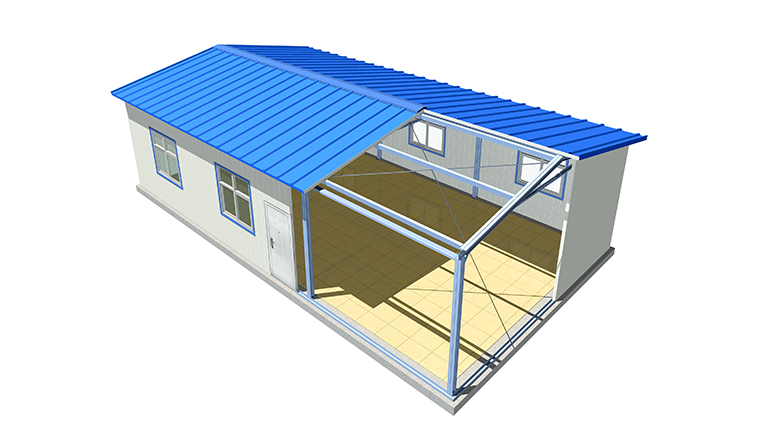
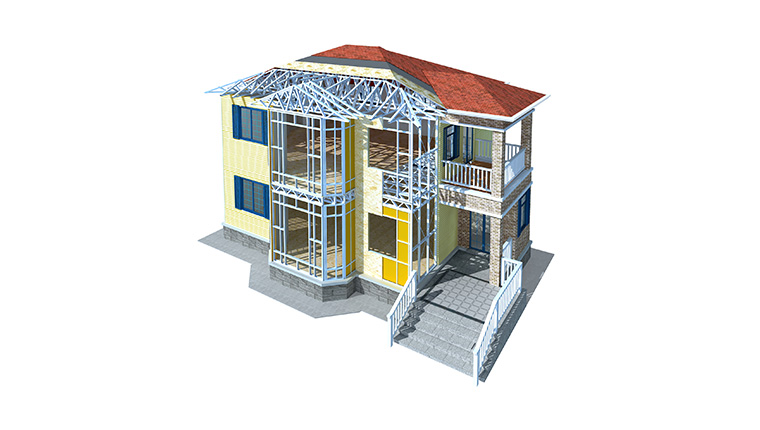
The Abidjan camp covers roughly 27 hectares with distinct zones for concrete production, offices, Chinese staff living area, local workers’ living area, reception, cultural and sports facilities, planting area and reserved space. Guest houses are built as light steel villa‑type modular houses, while most other buildings use standardized ZA model modular houses with cold‑formed light steel structures and sandwich panels, ensuring structural stability, corrosion resistance and reusability. A high brick fence with barbed wire, separate gates for production and living areas, and comprehensive video surveillance create a secure, controlled environment in line with port operations.
In terms of “multi‑system” support, the Abidjan camp integrates:
Structural safety systems designed for local wind loads and corrosion conditions.
Fire safety planning with one‑floor modular buildings, adequate fire separation distances and standardized fire extinguisher configuration.
Sports and recreation facilities such as basketball courts, tennis court, swimming pool, football field and indoor gyms to support morale and long‑term deployment.
For other port EPC projects, this model shows how modular houses can scale to a quasi‑permanent camp that matches the complexity of modern port infrastructure.
Airport EPC works are usually located on constrained land with high security requirements, strict airside/landside separation and clear environmental constraints. Modular house camps offer a way to build full‑function bases within these sensitive environments while respecting aviation safety and operational rules.
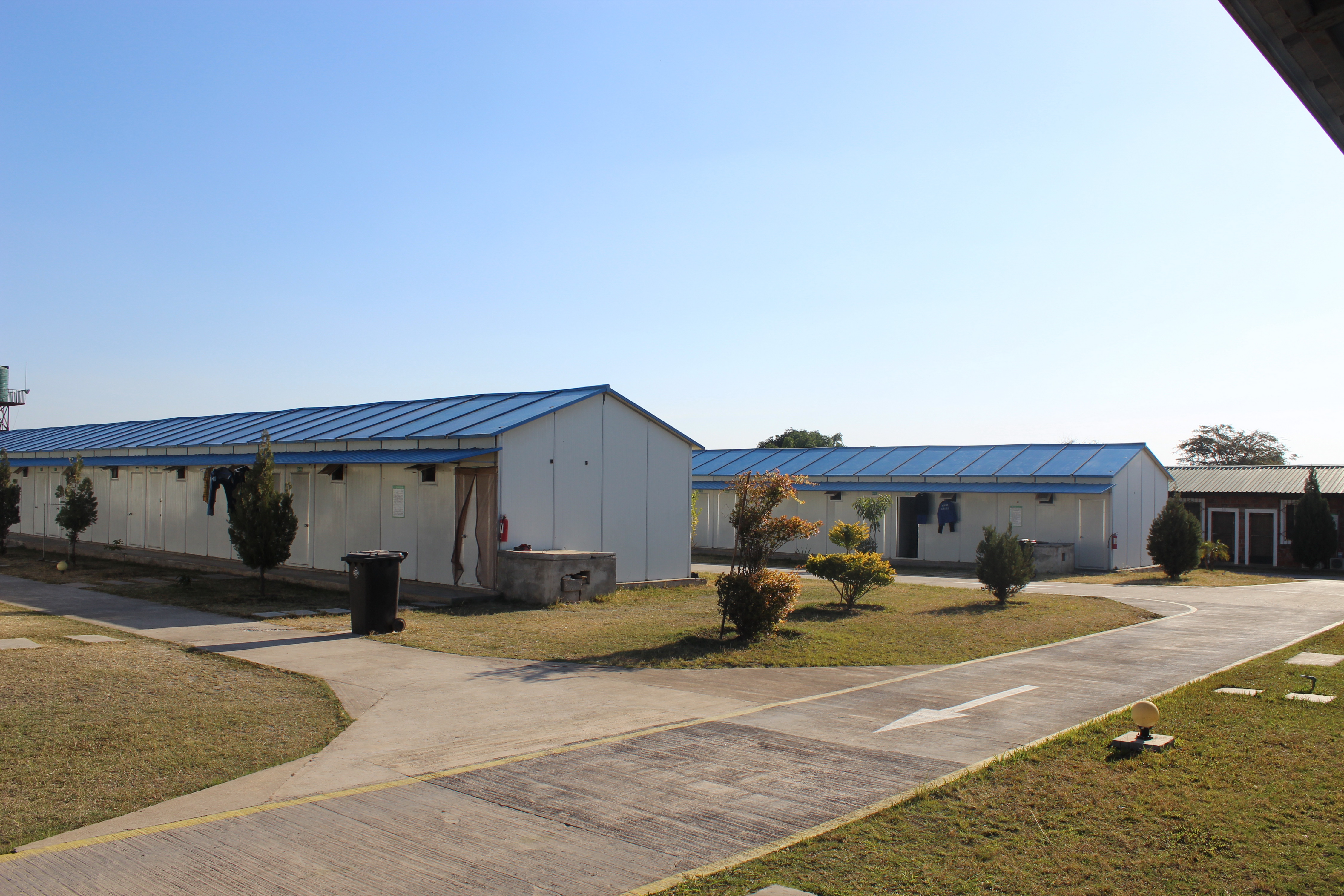
At the Zambia Kenneth Kaunda International Airport Upgrade and Expansion Project, the EPC camp sits near the airport, about 1.3 km from the new terminal and 15 km from the city center, on flat, open ground without flood or landslide risks. The camp covers around 12,000 m² with a total construction area of about 2,390 m², including dedicated office areas, dormitory buildings and canteen, plus nearly 4,915 m² of landscaping and an organized internal road system.
This airport modular camp highlights what “EPC camp + multi‑system” means in practice:
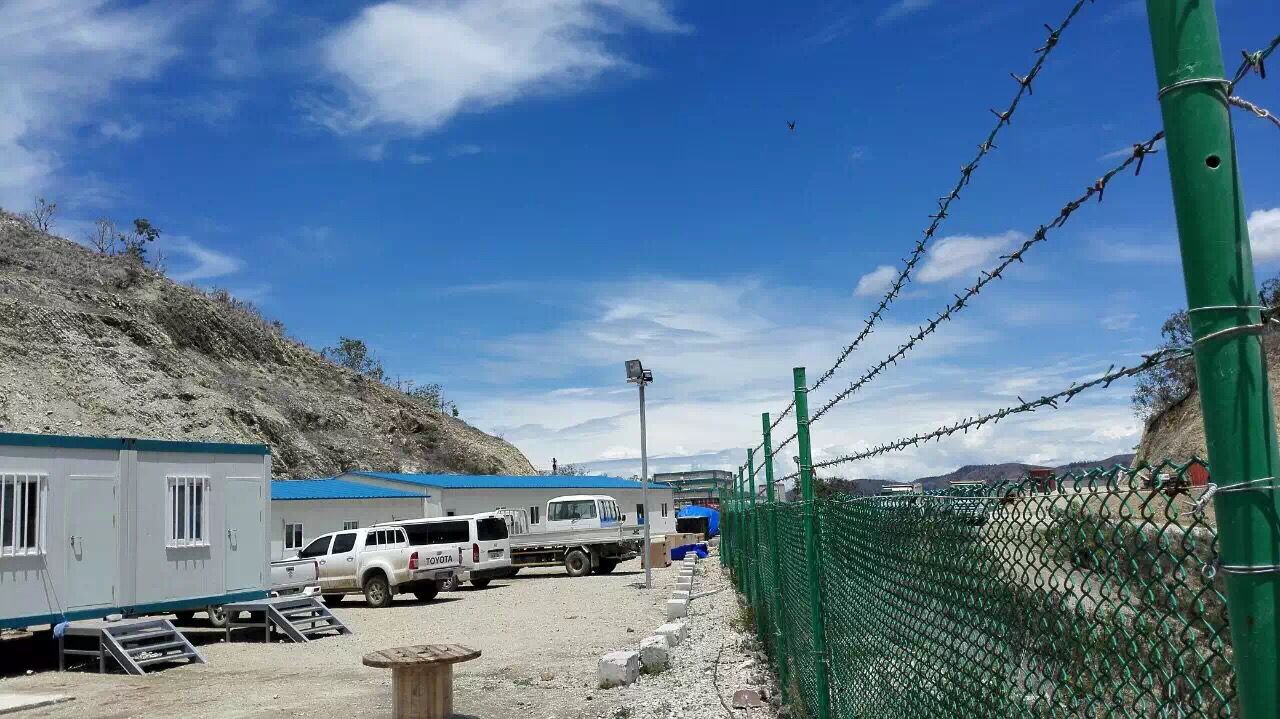
Security system: The entire camp is enclosed by a 2.8 m‑high fence topped with an electrified grid, with a solid iron gate, guard room and 24‑hour professional security personnel, plus a full‑coverage HD video surveillance system.
Fire protection system: Fire extinguishers are calculated and configured according to Chinese fire code GB50140‑2005, with additional water points on lawns that can be used directly in case of fire.
Drainage and environmental system: Rainwater, domestic sewage and kitchen wastewater use independent pipe networks and dedicated treatment tanks (including grease traps and sedimentation tanks) to meet local environmental regulations.
Lighting and energy system: The camp combines tower‑top high‑altitude lighting, wall‑mounted fixtures and lawn lamps with LED and energy‑saving technology to improve safety while reducing energy consumption.
Greening system: Local plants and planned grassed areas create a pleasant micro‑environment despite the camp’s temporary nature.
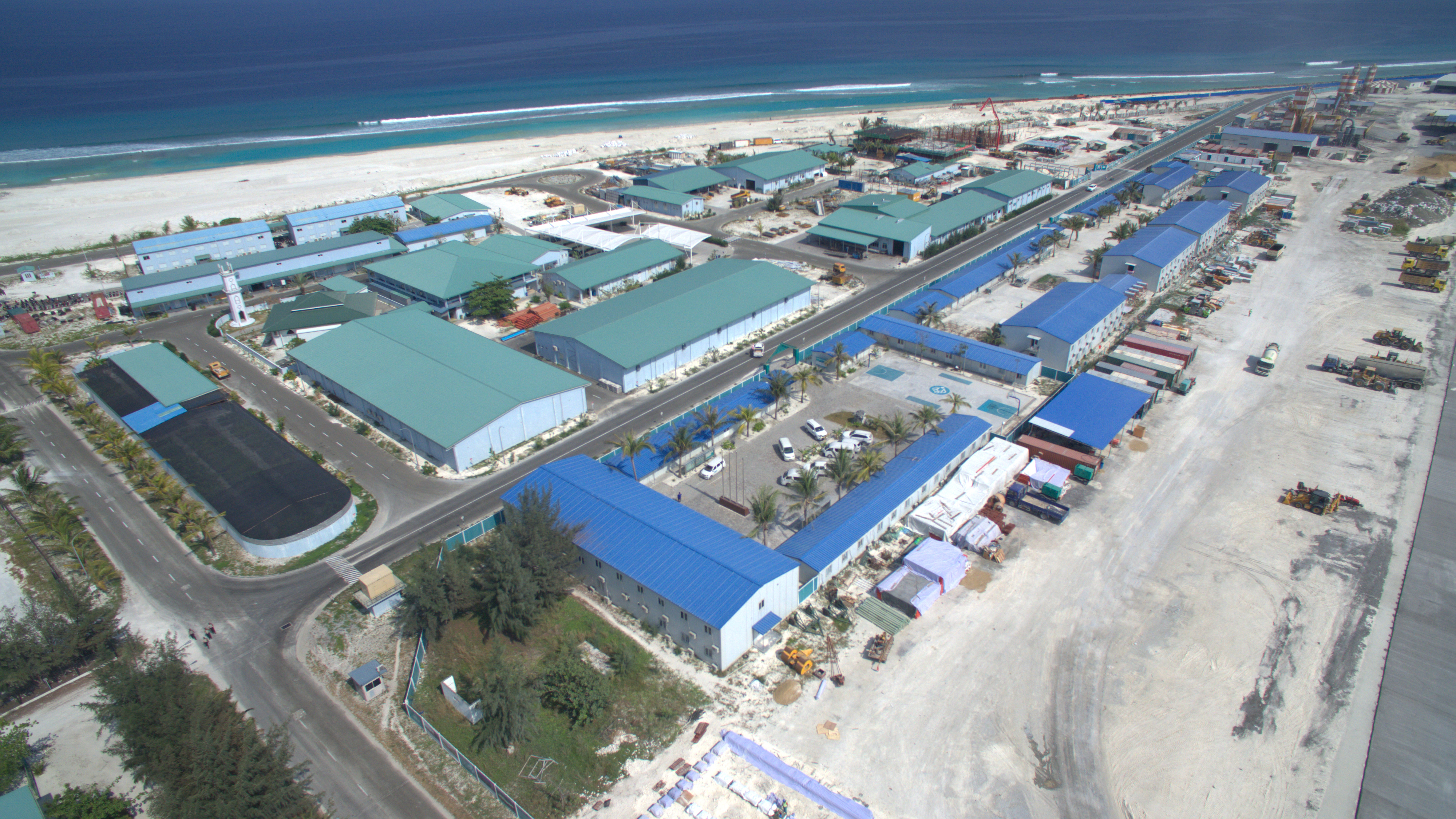
Similarly, the Velana International Airport expansion camp in the Maldives uses double‑layer modular barracks for offices and dormitories, designed for 3–5 years of use with emphasis on moisture‑proofing, corrosion resistance and thermal insulation in a marine climate. A modular house foundation solution using shallow concrete, backfill and coral sand balances durability with environmental protection.
Highway and bridge EPC projects often stretch across hundreds of kilometers, crossing mountains, rivers and cities, which makes distributed camp planning critical. Modular houses enable fast, repeatable camp nodes along the route that share a common design language while adapting to local terrain and climate.
For example, on the Tiébissou–Bouaké highway project in Côte d’Ivoire, the camp layout includes a clear separation of office, living and production areas alongside integrated security, drainage and environmental measures. On the Ethiopia Mota Highway project, modular house camps are positioned in locations with safe terrain and good drainage, and the design of roads and stormwater networks ensures that even in heavy rainy seasons, construction and living areas remain functional.
Key planning principles for “modular house + highway/bridge EPC camps” include:
Selecting high and safe ground, away from flood‑prone lowlands or slopes susceptible to landslides.
Using modular houses for offices, dormitories, medical rooms, warehouses, steel rebar processing sheds and equipment workshops, allowing easy expansion or relocation as the construction front moves.
Designing ring roads and branch roads within the camp to separate pedestrian and vehicle flows, avoiding conflicts between heavy construction vehicles and daily life.
Integrating temporary drainage ditches, culverts and sedimentation tanks to protect surrounding farmland and water bodies from construction runoff.
For long linear projects, modular camps effectively form a mobile infrastructure platform that moves with the project.
Water conservancy projects, such as dams and large irrigation systems, are usually located in mountainous or remote river valleys with complex geology and limited local facilities. In places like Xinjiang’s remote water conservancy sites or Nigeria’s Kano irrigation project, modular house camps make it possible to bring standardized housing, offices and life services into areas where conventional construction would be slow and costly.
On the Kano Irrigation Project in Nigeria, a modular camp solution includes:
Modular offices and dormitories with light steel structures suitable for local climate and construction conditions.
A comprehensive safety management setup, with trained security staff, perimeter fencing and access control to protect personnel and property in relatively isolated areas.
Basic infrastructure systems, including water supply, power, drainage and waste management, all designed under unified standards to reduce failure risk during long‑term operation.
For river‑valley water conservancy works, modular camps can also integrate geological and hydrological assessments into site selection, avoiding floodplains or unstable slopes and planning emergency access routes. The result is a safer, more resilient base for long‑cycle EPC projects.
Regardless of whether the project is a port, airport, highway or water conservancy facility, a high‑performing modular house camp shares a common “multi‑system” integration logic.
The main systems typically include:
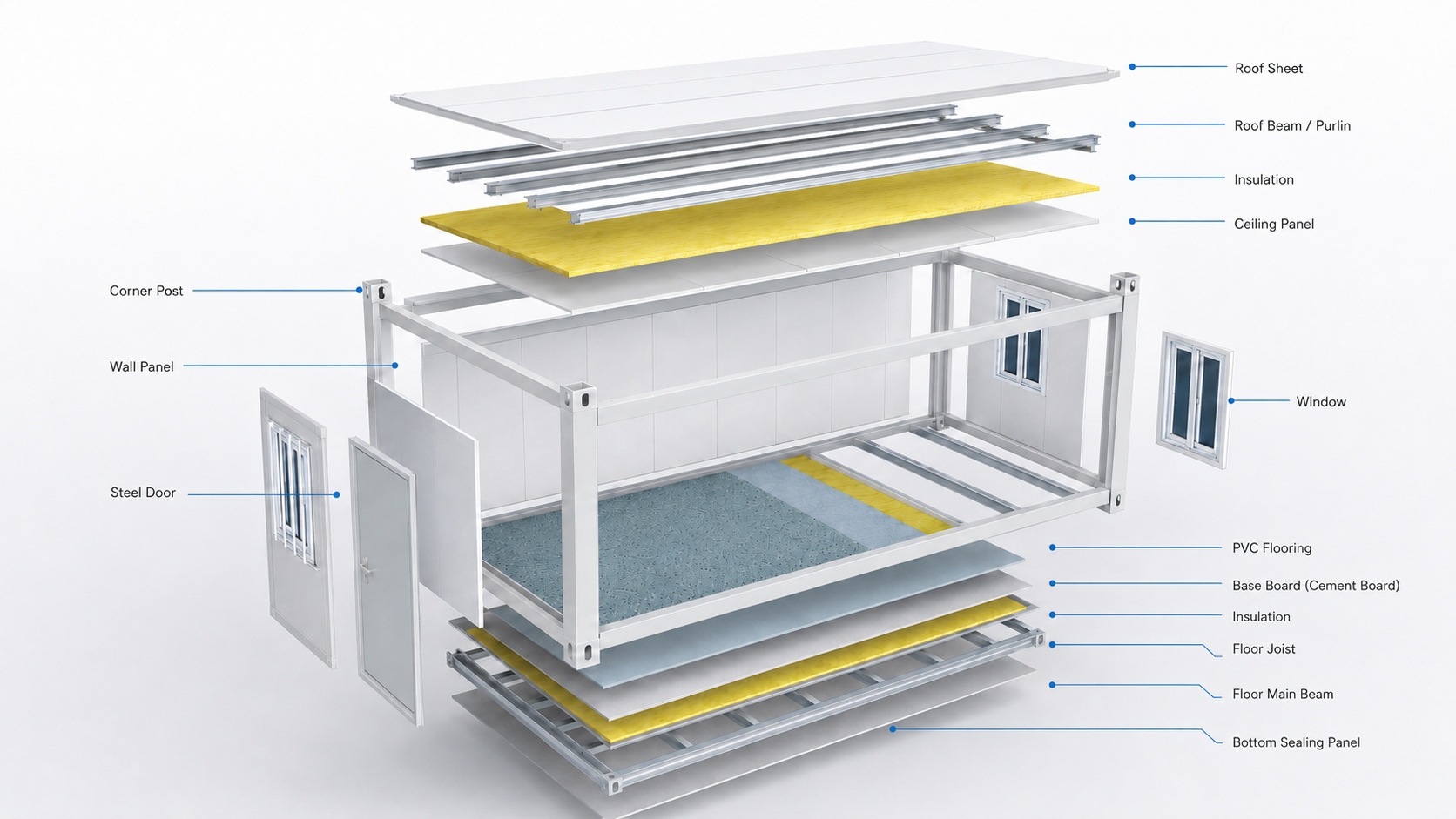
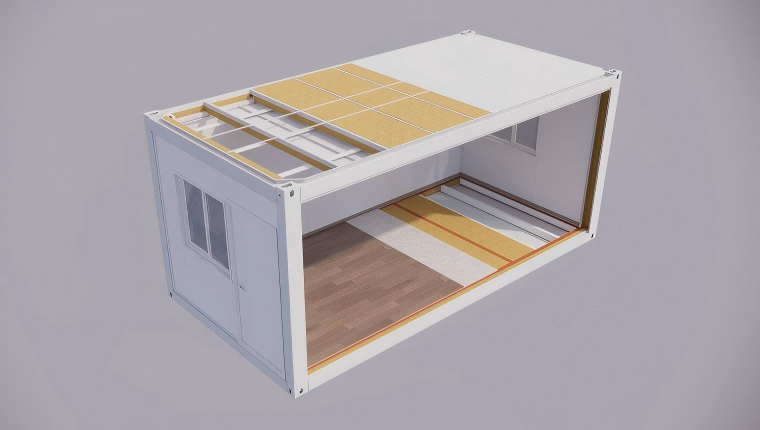
Architectural and structural system: Modular houses based on steel frames and sandwich panels, with standardized modules, connections and insulation solutions; capable of multiple disassembly and reassembly cycles.
Security system: Perimeter fences or walls, access control gates, guard rooms, professional security teams and 24‑hour video surveillance without blind spots.
Fire protection system: Fire‑safe building materials, adequate fire spacing, standardized fire extinguisher layouts and reserved fire lanes for emergency vehicles.
Water supply and drainage system: Overhead water towers or tanks, separated networks for domestic sewage and kitchen wastewater, sedimentation and grease separation, and compliant discharge to meet local environmental standards.
Electrical and lighting system: Stable power distribution, energy‑efficient lighting with mixed high‑mast, wall and landscape fixtures, emergency lighting in key areas.
Road and parking system: Well‑planned internal road networks, concrete or brick pavements, signages, speed bumps and dedicated parking spaces for vehicles and machinery.
Landscape and recreation system: Green belts with local plants, sports grounds, gyms and entertainment rooms that improve staff well‑being and support long‑term deployment.
When these systems are designed as a packaged solution around modular houses, the camp becomes a standardized product configurable for different industries and geographies, rather than a one‑off temporary project each time.
Several real‑world projects show how modular house technology supports complex EPC infrastructure works:
Zambia Kenneth Kaunda International Airport Camp: A near‑airport EPC camp integrating modular offices, dormitories and canteens with robust security, fire, drainage, lighting and landscaping systems, all designed to Chinese technical standards while complying with local regulations.
Côte d’Ivoire Abidjan Port Expansion Camp: A large‑scale modular camp spanning office, production and multi‑national living areas, featuring modular houses, light steel villas, complete sports and recreation facilities and high‑standard perimeter security.
Maldives Velana International Airport Camp: A coastal airport camp built with double‑layer modular barracks optimized for corrosion resistance and thermal performance, incorporating local plants, ring‑road logistics and integrated security monitoring connected to the airport operator.
In highway and remote water conservancy projects in Africa and Asia, similar modular house camps have been successfully deployed under harsh climates—including areas with extreme cold, high humidity or limited local infrastructure—validating the flexibility and durability of this approach.
For modern infrastructure and EPC projects, the construction camp is no longer a secondary afterthought but a strategic asset that influences schedule, cost, safety and workforce stability. Modular house solutions convert the camp into a repeatable, engineered product that can be rapidly deployed for ports, airports, highways and water conservancy projects, with integrated systems for security, fire safety, drainage and landscaping.
As global infrastructure investment grows and ESG requirements become stricter, high‑standard modular camps will increasingly be seen as part of the core EPC value proposition, not just temporary facilities. The contractors who master “EPC camp + multi‑system modular house” solutions will be better positioned to deliver complex infrastructure on time, safely and sustainably in any region of the world.
Scan the QR code to follow