
Blog
Release date:Jul 24, 2026
Share:
A prefabricated modular camp is a complete, engineered community built from factory-produced modules that are transported to site and quickly assembled into dormitories, offices, canteens and support facilities. For EPC contractors, these camps are no longer a temporary afterthought; they are a strategic asset that protects workforce productivity, safety and project schedules in challenging environments. When designed properly, a prefabricated modular camp integrates accommodation, utilities and logistics into one unified solution that can be expanded, relocated or reused across multiple projects.
In many global projects, the camp becomes the operational backbone of the site long before permanent structures are ready. EPC teams need reliable housing and workspace that can be deployed quickly, perform well under extreme climate conditions, and comply with local regulations. This is where experienced modular camp manufacturers like Chengdong Modular House (CDPH) add value, combining industrialized production with end‑to‑end EPC camp services for international engineering clients.
International EPC projects often take place in deserts, high plateaus, cold northern regions or coastal areas with high humidity, each posing different risks for workforce housing. In desert climates, construction camps must withstand sandstorms, high solar radiation, large day‑night temperature swings and limited water resources. In high‑altitude or plateau regions, low oxygen levels, strong winds and wide temperature variations demand well insulated and structurally robust camp buildings.
Cold regions present another set of challenges: if camp buildings are not properly insulated and air‑tight, heating costs soar and indoor comfort drops, directly affecting worker health and morale. Traditional temporary structures struggle to maintain stable indoor temperatures when outside conditions reach −20°C or even lower. By contrast, climate‑ready prefabricated modular units can be configured with enhanced insulation, double‑glazed windows, thermal bridges control and mechanical ventilation so camps remain safe and comfortable throughout long winter seasons.
Modern projects also face stricter environmental and regulatory requirements concerning energy efficiency, waste management, and land use. Governments and project owners increasingly expect EPC contractors to minimize the environmental footprint of their construction camps by using reusable modules, efficient insulation and smart utility systems, rather than ad‑hoc buildings that are demolished after one project. Prefabricated modular camps help address these expectations by standardizing building performance, simplifying compliance, and supporting reuse or relocation after project completion.
Because modules are produced in controlled factories, it is easier to implement consistent quality control, fire safety measures, and structural standards across all camp buildings. This reduces the risk of on‑site deviations, makes permitting more predictable, and ensures that workforce housing supports rather than delays project execution.
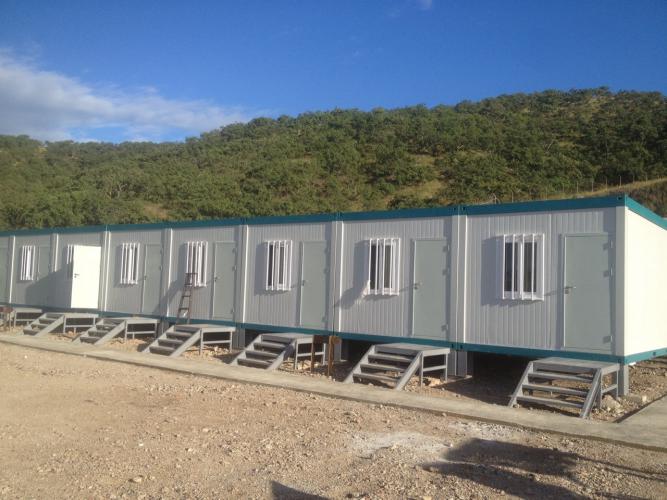
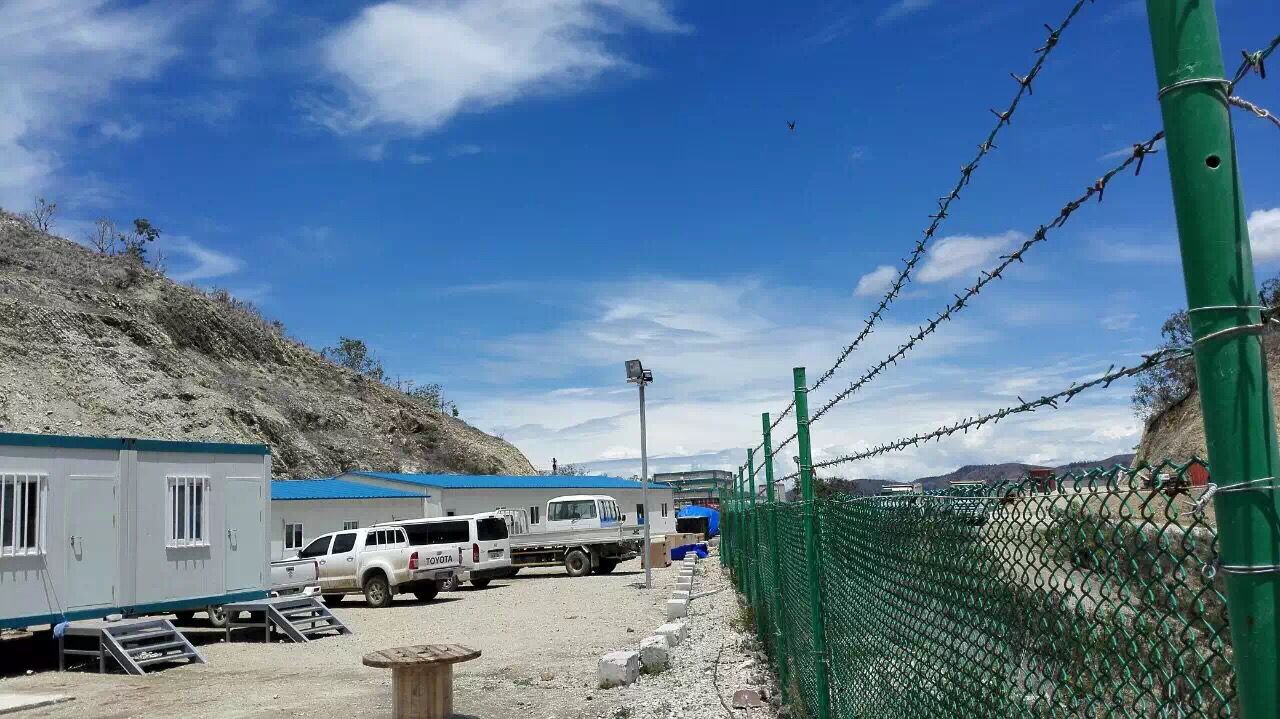
Many prefabricated modular camps are built to serve energy and mining projects in remote locations where access to materials and skilled labor is limited. In such projects, the camp must provide long‑term accommodation, office space, dining and recreation facilities for hundreds or even thousands of people, sometimes for years. Modular container houses and prefabricated dormitory buildings are well suited to these scenarios because they can be transported in bulk, stacked up to three stories, and quickly connected to power, water and communications systems.
For EPC contractors, this means the workforce can mobilize rapidly and focus on the core engineering works while the camp operates as a stable, predictable environment. Standardized modules simplify maintenance and spare parts management; damaged units can be replaced with minimal disruption. When the project ends, modules can be relocated to the next site, turning the prefabricated modular camp into a reusable investment instead of a one‑off cost.
Beyond energy and mining, prefabricated modular camps support infrastructure projects such as highways, ports, airports and water conservancy works, where construction teams move along linear sites or work within large industrial parks. In these cases, modular dormitories, site offices and logistics hubs can be redeployed section by section, keeping camp facilities aligned with changing work fronts.
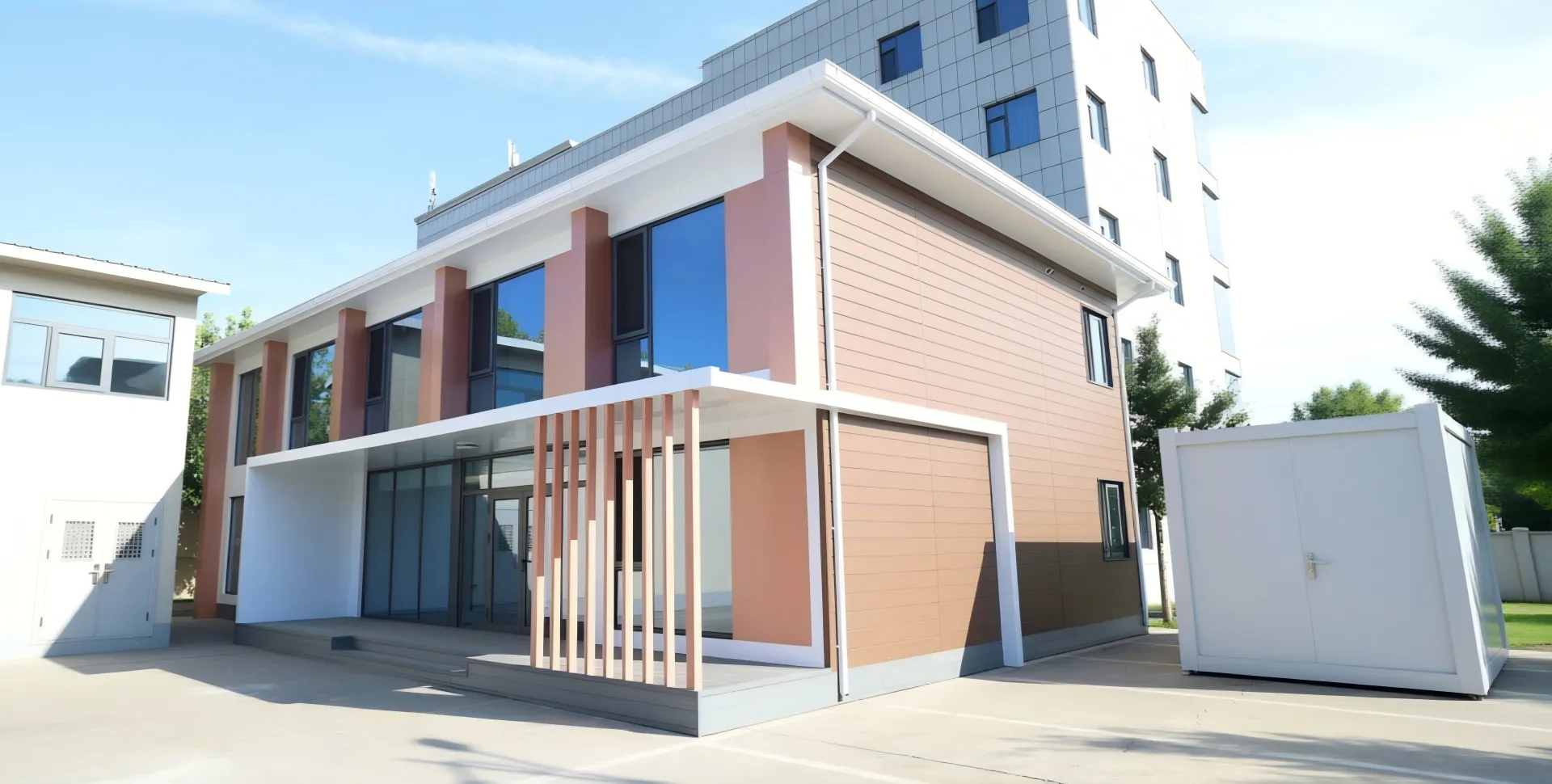
Industrial parks, manufacturing campuses and logistics hubs also adopt modular buildings for offices, laboratories and support functions because they combine fast construction with high performance and neat architectural lines. Chengdong’s project for Roche Diagnostics in Suzhou is a strong example: the client required custom modular office and canteen buildings inside a live pharmaceutical campus, with strict performance requirements and limited construction windows. A dedicated modular solution allowed the EPC team to deliver high‑quality spaces without disrupting sensitive operations.
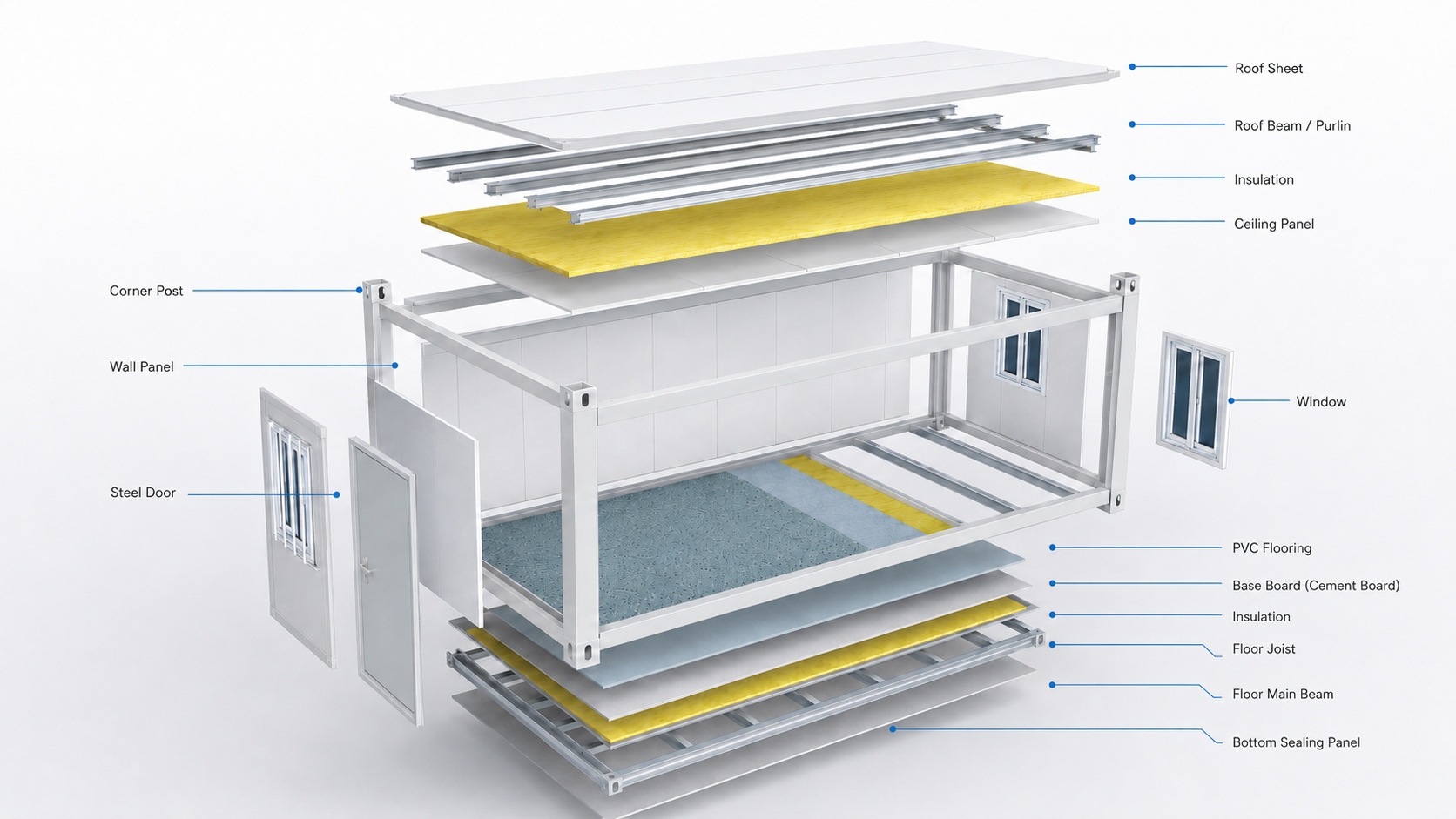
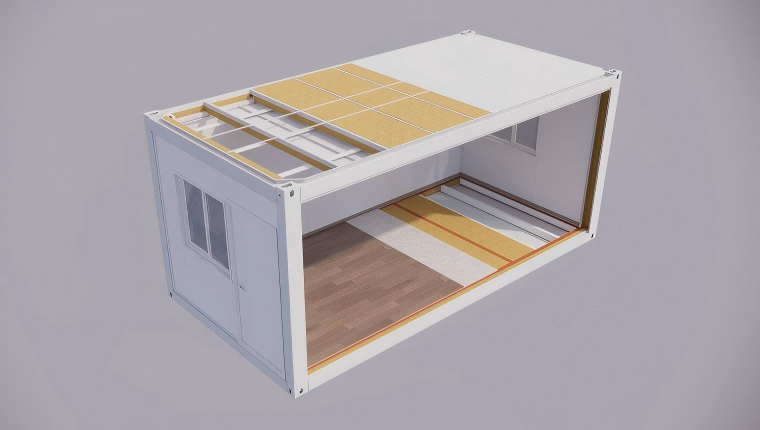
The container house is one of the core products for modern prefabricated modular camps, acting as the basic unit for dormitories, offices, sanitary blocks and service rooms. It uses a standardized steel frame and insulated wall panels to form a durable, movable and reusable building that can be stacked up to three stories and combined horizontally to create larger spaces. Because container houses are manufactured in factories, EPC contractors can specify structural loads, insulation performance and interior finishes ahead of time, ensuring each module arrives on site ready for rapid installation.
For buyers interested in the technical features, configurations and application scenarios of these modules, the dedicated product center page for container houses provides detailed specifications and options for different climates and use cases. This page is a useful starting point for planning camp dormitories, offices or support buildings based on standardized modular units.Learn more about container house modules here:https://www.cdph.net/product-center/container-house
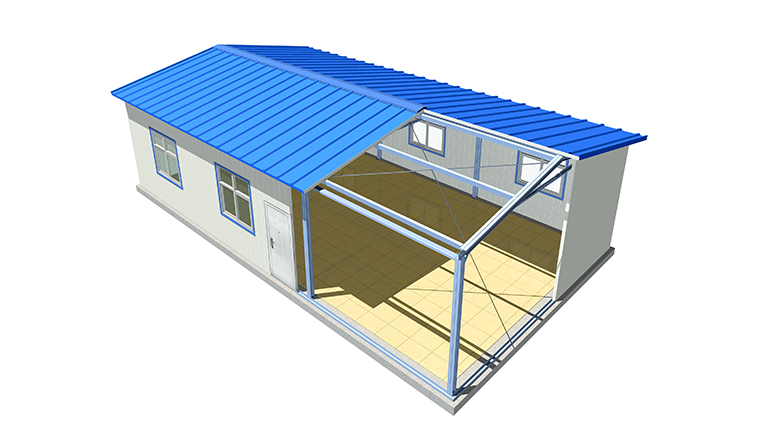
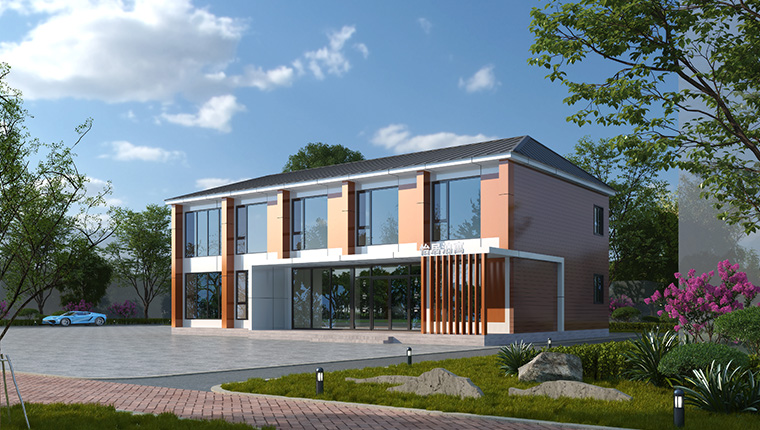
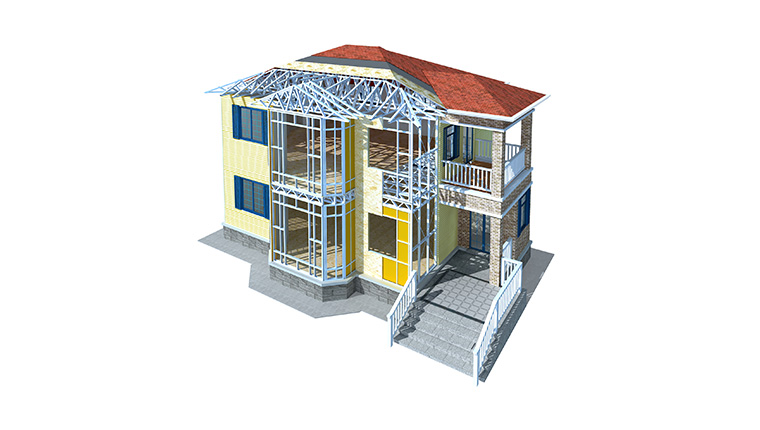
A prefabricated modular house is a highly engineered building system where steel frames and composite panels form a stable structure that can be tailored to different layouts and façade styles. These buildings are often used for larger offices, training centers or canteens inside a camp because they allow more flexible floor plans while maintaining fast installation and high performance.

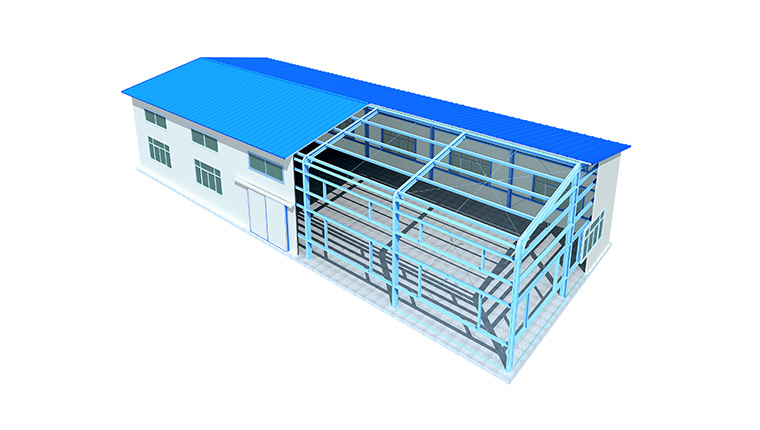
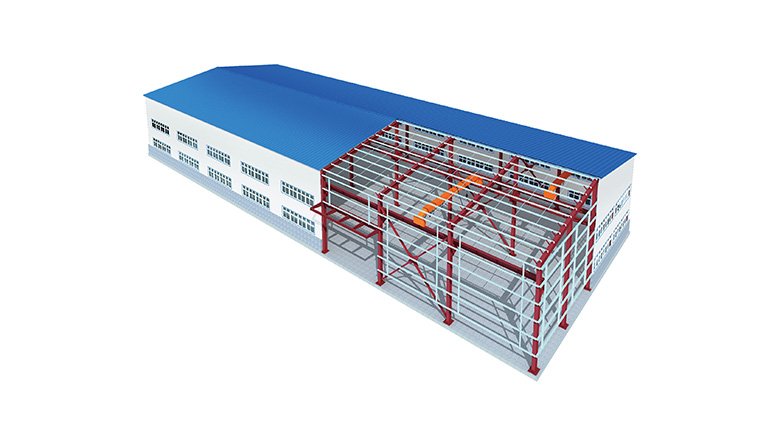
In some projects, prefab steel structures complement modular houses by providing wide‑span halls, warehouses, or workshop spaces that integrate seamlessly with adjacent modular dorms and offices. This combined approach creates a full ecosystem of camp buildings, all engineered for rapid deployment and long service life under demanding conditions.Explore more camp‑ready modular and prefab solutions from Chengdong on the Product Center:https://www.cdph.net/product-center
In an EPC (Engineering, Procurement and Construction) camp solution, a single specialist company takes responsibility for camp planning, product selection, logistics, on‑site installation and sometimes even operational support. For prefabricated modular camps, this integrated mode is particularly effective because it connects design decisions directly to modular product capabilities and factory capacity.
Chengdong Modular House (CDPH) has delivered thousands of camp construction services in many countries, focusing on integrated modular solutions for international engineering projects. Under the EPC mode, CDPH manages nine major camp systems—from accommodation and office buildings to power, water, sewage, storage and safety—so clients receive a complete, coordinated camp rather than a collection of disconnected structures. This reduces interface risk, shortens schedules and ensures the camp can be operated safely and efficiently from day one.
A successful prefabricated modular camp depends not only on high‑quality modules but also on detailed engineering and logistics planning that considers site access, foundation requirements, utility routes and local constraints. In CDPH’s EPC approach, engineering teams design camp layouts that separate living, operations and logistics zones, creating safe circulation paths and efficient workflows for daily operations.
Once the design is confirmed, procurement and production are coordinated across multiple factories to ensure timely delivery of modules, structural components and systems. Logistics specialists plan container loading, transport routes and customs procedures to match construction schedules, which is critical for remote or cross‑border projects. On‑site teams then carry out foundation works, module installation, mechanical and electrical connections, and final commissioning so the camp is ready for occupancy without delay.
The Roche Diagnostics Suzhou project is a representative example of how prefabricated modular buildings can support high‑value industrial and medical campuses. In this project, Chengdong provided 155 custom modular container buildings to create office and canteen spaces that met strict performance and safety requirements inside a live pharmaceutical environment.
The site area was approximately 4,500 square meters, and the project needed to provide open‑plan office areas, meeting rooms for 10–50 people, a canteen, printing zones, tea rooms, activity rooms, toilets and an electrical distribution room. Modular houses and prefab buildings were selected to deliver flexible layouts and high‑quality interior environments while keeping construction time under tight control.
Because the client operates in a regulated medical field, the modular solution had to comply with national standards for permanent steel structures and the specific requirements of the pharmaceutical industry. CDPH’s EPC project team handled design, manufacturing, logistics and on‑site installation, demonstrating how prefabricated modular buildings can achieve both rapid deployment and long‑term performance in demanding industrial settings.
You can see more details of this case and how custom modular buildings supported Roche’s operations here:https://www.cdph.net/case-center/roche-diagnostics-suzhou-custom-modular-buildings-for-office-and-canteen
For international EPC contractors, the reliability of a prefabricated modular camp supplier depends heavily on factory capacity, quality systems and delivery stability. Chengdong Modular House has built a strong manufacturing foundation in China, with three major domestic factories dedicated to modular houses, container houses and integrated camp systems for global projects.
These factories operate standardized production lines for steel frames, insulated panels, doors, windows and integrated bathroom or kitchen modules, ensuring consistent quality across large camp orders. Centralized quality control, structural testing and material inspection help guarantee that each module meets the agreed specifications for strength, durability, insulation and fire safety before shipping. With multiple factories, CDPH can scale up quickly for large EPC projects, provide backup capacity if one site is at full load, and coordinate production for different product types within the same camp.
This multi‑factory setup also improves lead times and logistics planning. Production can be scheduled to match project phases, and modules can be shipped from the most suitable plant based on destination and transport routes. The result is a more resilient supply chain that supports fast deployment of prefabricated modular camps in regions such as the Middle East, Africa, South America and Asia.
Prefabricated modular camps offer EPC contractors several practical advantages across the project lifecycle. First, fast deployment reduces the time between contract award and workforce mobilization, allowing core construction activities to start earlier and stay on schedule. Second, standardized modules simplify design, procurement and compliance, lowering technical risk and improving predictability.
Third, climate‑ready modular solutions improve health, safety and productivity by providing comfortable indoor environments under extreme conditions, which is essential for remote sites. Fourth, reusable modules and efficient insulation reduce long‑term costs and environmental impact, supporting ESG and sustainability goals that many project owners now prioritize. Finally, working with an experienced EPC camp specialist like Chengdong ensures that camp planning, nine‑system integration, logistics and on‑site construction are handled by one coordinated team rather than multiple fragmented suppliers.
For organizations planning large energy, mining, infrastructure or industrial projects, partnering with a manufacturer that combines strong factory capacity, global project experience and integrated EPC camp services is the most effective way to turn a prefabricated modular camp into a reliable, high‑performing asset from day one.
Scan the QR code to follow