
Tel / Whatsapp:+86 18001125785

Email:chengdong@cdph.com.cn

INQUIRY→

Home/

News/

Blog/

Modular Emergency Housing Solutions for Challenging Climates and Remote Camps/

Modular Emergency Housing Solutions for Challenging Climates and Remote Camps

Blog

Release date:Jul 03, 2026

Share:

Why Modular Emergency Housing Matters


Modular emergency housing is becoming a critical tool for governments, NGOs, and engineering contractors that must respond quickly to crises or rapidly deploy camps in harsh environments. Unlike ad‑hoc shelters, modern modular units are engineered buildings with predictable performance, allowing safe, comfortable living even in extreme climates and remote locations. For project owners facing tight schedules and complex logistics, choosing an EPC partner that can deliver complete modular camps—not just individual units—is often the key to success.


Climate and Environmental Challenges


Emergency and project camps must perform reliably across very different climate zones, from freezing plateaus to hot deserts and humid coastal regions.

  • In cold regions, poor insulation and air leakage can make temporary housing unsafe and extremely costly to heat, especially when temperatures fall to below -30°C or even -50°C.

  • In desert environments, intense solar radiation, large day–night temperature swings, and sandstorms challenge the durability of building envelopes and mechanical systems.

  • In tropical and coastal areas, heavy rainfall, high humidity, and potential flooding require careful attention to drainage, corrosion resistance, and indoor air quality.

Modular emergency housing must therefore be more than simple shelter; it has to be a robust, climate‑responsive system designed around local environmental constraints.


Prefabricated Modular Houses for Emergencies


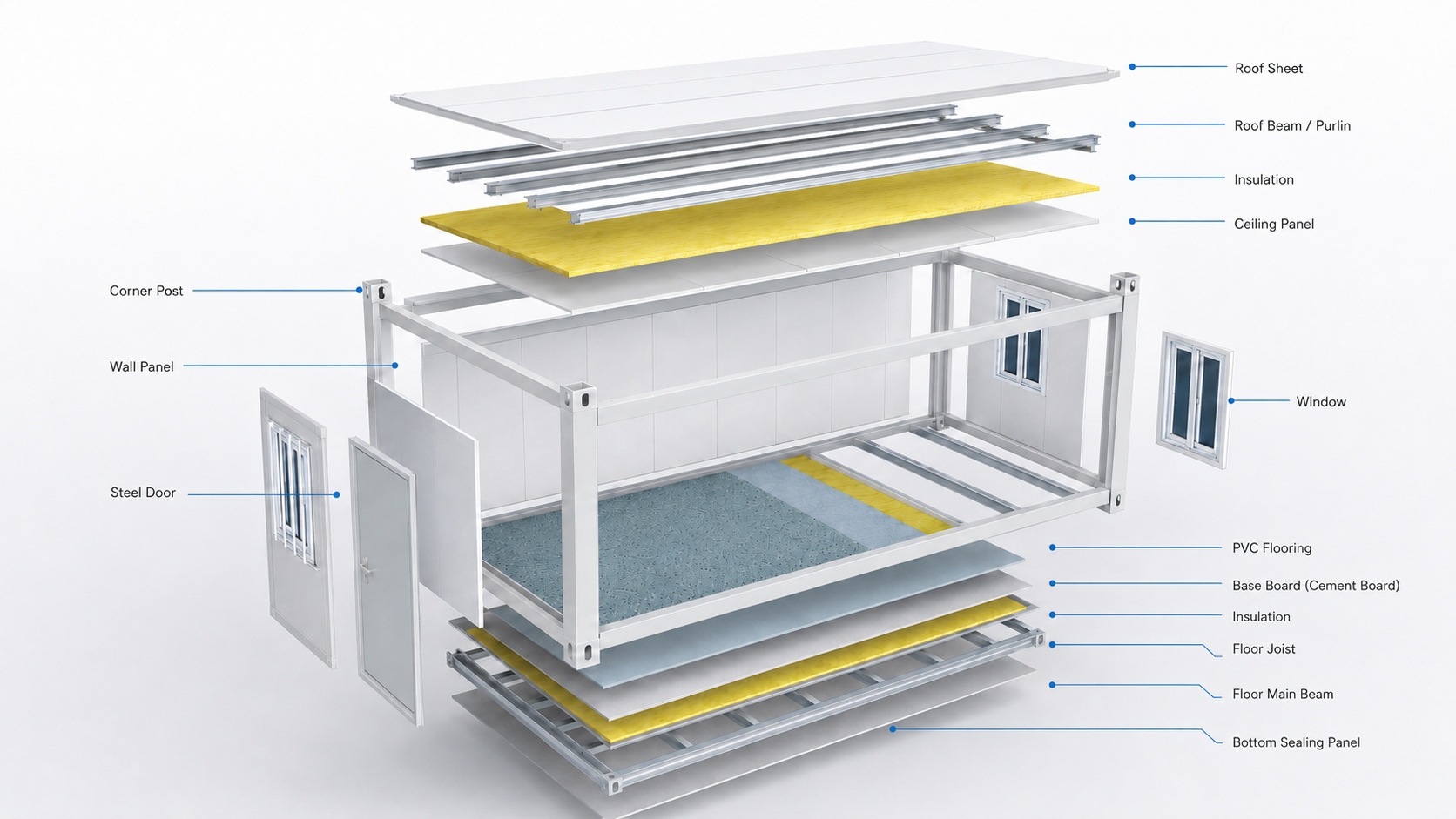
Prefabricated modular houses—especially container‑based and panelized units—have become the core product category for modern emergency housing and engineering camps. These units are manufactured in factories using standardized steel frames, insulated wall panels, pre‑installed wiring, doors, and windows, and then transported to the site for fast assembly.

Typical modular emergency housing formats include:

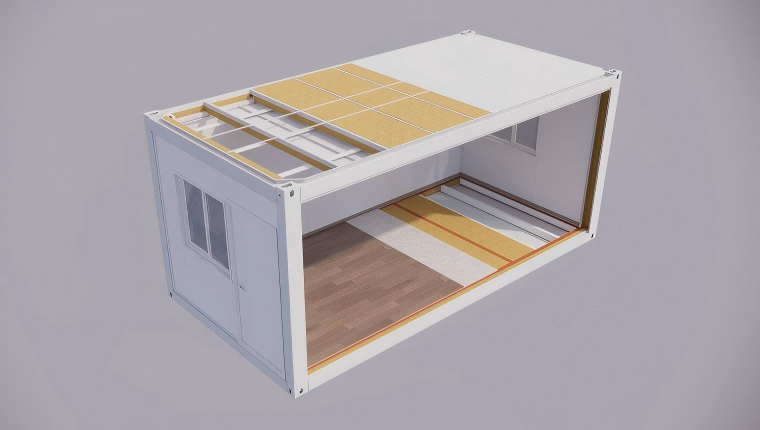
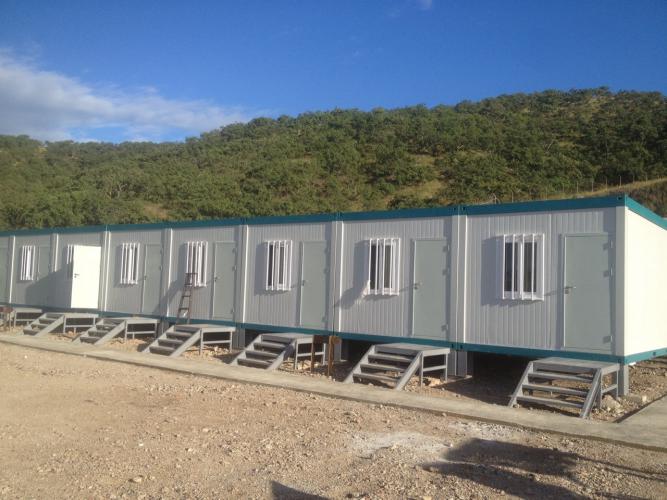
  • Container houses: Steel‑framed box units similar to ISO containers, designed for whole‑unit lifting, stacking, and repeated relocation.

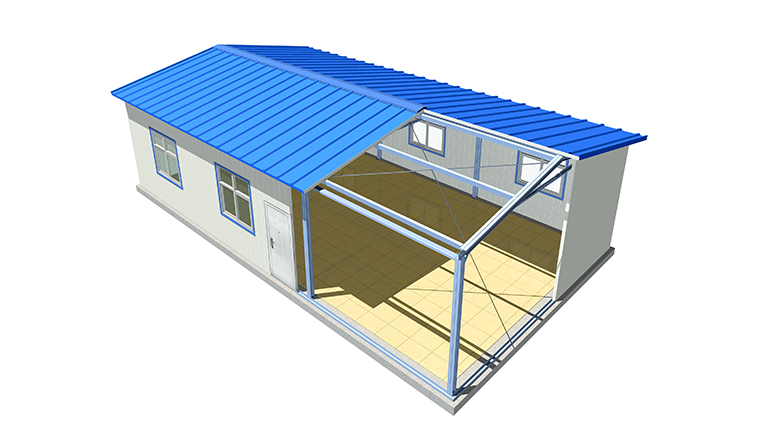
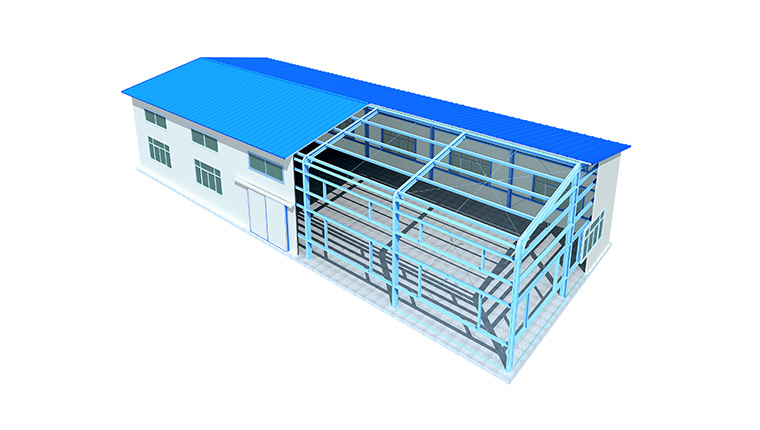
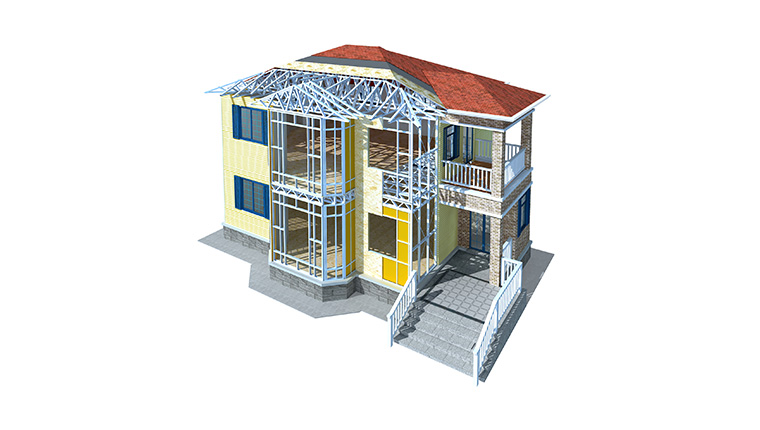
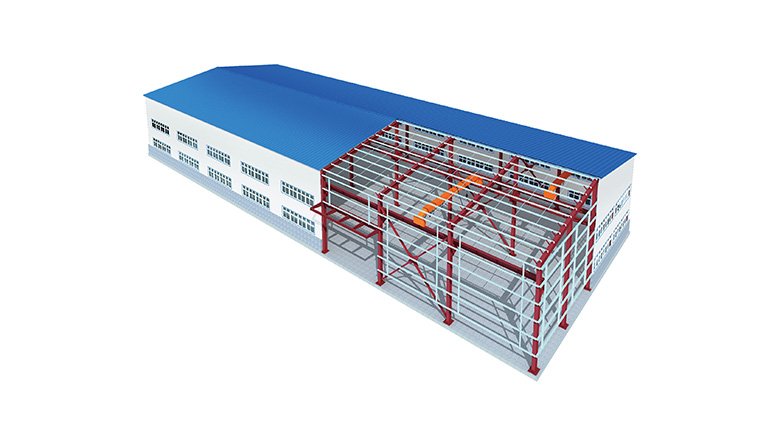
  • Prefab houses: Panelized or light‑steel structures assembled from wall, roof, and floor components, suitable for larger camp buildings such as canteens or offices.

  • Cold‑resistant box houses: Enhanced container modules designed specifically for arctic or plateau environments down to about -50°C.

For readers wanting to understand container‑based camp solutions in more depth, you can explore CDPH’s container house product page here: https://www.cdph.net/product-center/container-house


CDPH’s Modular Housing Capabilities


CDPH (Chengdong Modular House) is a specialized engineering camp and modular housing provider from China, with more than twenty years of experience delivering integrated camp solutions worldwide. The company focuses on modular houses, container houses, prefab houses, steel structures, and light steel villas for construction camps, emergency projects, education, military, and more.

A key strength behind CDPH’s modular emergency housing capability is its domestic manufacturing base:

  • Three dedicated factories in China provide large‑scale production capacity for container houses, cold‑resistant modular units, and light steel villas.

  • These factories operate multiple automated lines for steel structures, sandwich panels, and modular unit assembly, enabling consistent quality and fast ramp‑up when emergencies or mega‑projects demand thousands of units.

For an overview of CDPH’s global modular solutions and product range, you can refer to the official homepage: https://www.cdph.net


EPC Camp Experience as a Differentiator


In the emergency housing context, EPC (Engineering, Procurement, Construction) capability is crucial, because stakeholders need not only buildings but complete, functioning camps. CDPH acts as an EPC‑style camp expert, offering one‑stop services covering camp planning, architectural and systems design, procurement of nine supporting systems, logistics, on‑site construction, and camp operation support.

The “nine systems” framework CDPH uses for camp solutions typically covers:

  • Buildings (accommodation, offices, medical, dining, storage, worship, recreation)

  • Water supply, drainage, and heating

  • Electrical power

  • Low‑voltage and information systems

  • Fire‑fighting systems

  • Site security and emergency medical support

  • Roads and traffic infrastructure

  • Environmental landscaping and camp image

  • Environmental protection and waste treatment

By integrating modular emergency housing units into this multi‑system EPC approach, project owners receive camps that are not only fast to build but also safe, comfortable, and compliant with relevant standards.


Product Types for Modular Emergency Housing


CDPH’s modular product portfolio allows emergency and project camps to be configured with the right mix of units for different functions, climates, and budgets.


Container Houses for Rapid Deployment


Container houses are the backbone of many emergency and engineering camps because they can be lifted as whole modules and installed quickly.

Key attributes include:

  • Galvanized steel frames with high wind and seismic resistance, enabling stacking and multi‑story configurations.

  • Sandwich wall panels (polyurethane, rock wool, or glass wool) providing thermal transmittance values commonly around 0.36–0.50 W/m²·K, tuned to climate needs.

  • Bolt‑assembled interfaces that allow multiple assembly and disassembly cycles with minimal structural loss, ideal for contractors moving camps between projects.

These units can be configured as dormitories, offices, clinics, storage, canteens, or even field classrooms.


Cold‑Resistant Box Houses for Extreme Climates


For emergency housing in arctic, plateau, or high‑latitude regions, CDPH’s cold‑resistant box houses provide upgraded insulation and detailing.

Technical features typically include:

  • Optimized combinations of wall, roof, and floor insulation thicknesses to maintain low thermal transmittance at ambient temperatures down to about -50°C.

  • Enhanced window systems (for example, multi‑layer low‑e glass) to improve energy performance while preserving daylight.

  • Structural and node designs verified for snow load and wind load requirements in cold regions.

These cold‑resistant modules are frequently used for long‑term worker camps in energy and mining projects, as well as emergency base camps in high‑altitude areas.


Light Steel Villas and Larger Prefab Houses


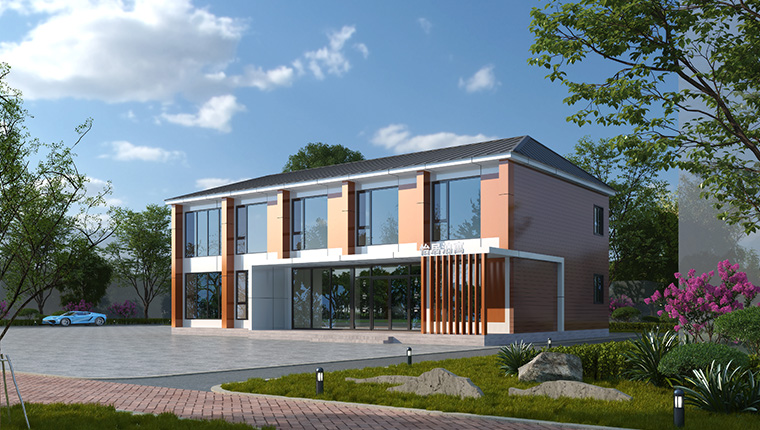
In some emergency and reconstruction scenarios, stakeholders require more permanent or higher‑end accommodation, such as villas, family housing, or multi‑functional service buildings. CDPH’s light steel villas and prefab houses answer this need by combining industrialized light‑steel framing with architectural flexibility.

These structures can serve as:

  • Community housing during post‑disaster reconstruction

  • Management residences within large engineering camps

  • Public service buildings (schools, clinics, administrative centers) in rapidly growing regions

You can explore representative prefab and modular products via CDPH’s product center, including container houses and light steel villas:https://www.cdph.net/product-center/container-house


Case Insight: Modular Emergency and Assistance Projects


CDPH has delivered multiple modular housing projects for emergency and assistance applications, demonstrating how modular solutions perform under real‑world constraints.

On the CDPH case center, emergency and events projects are grouped with detailed data on region, land area, building types, and application scenes: https://www.cdph.net/case-center

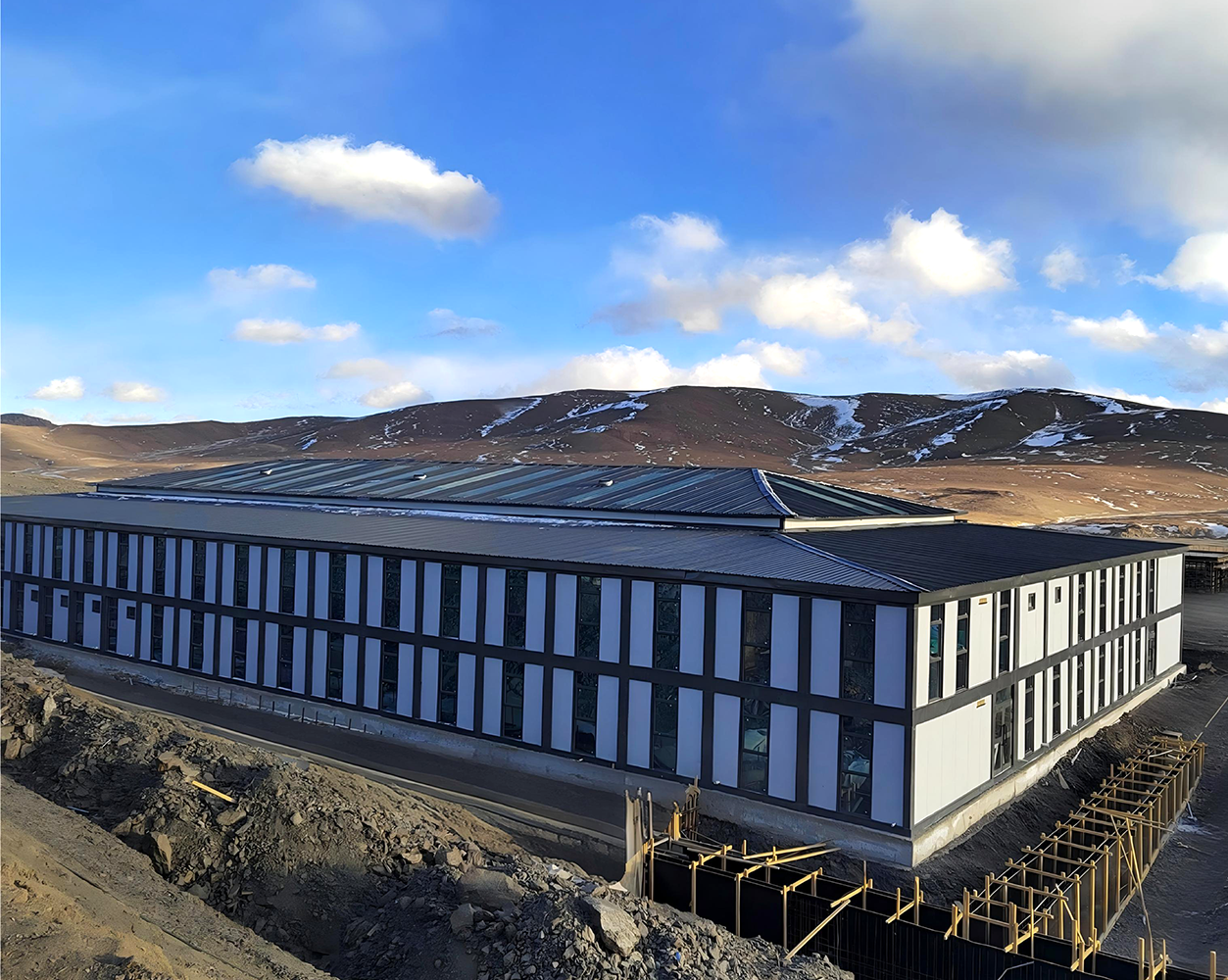
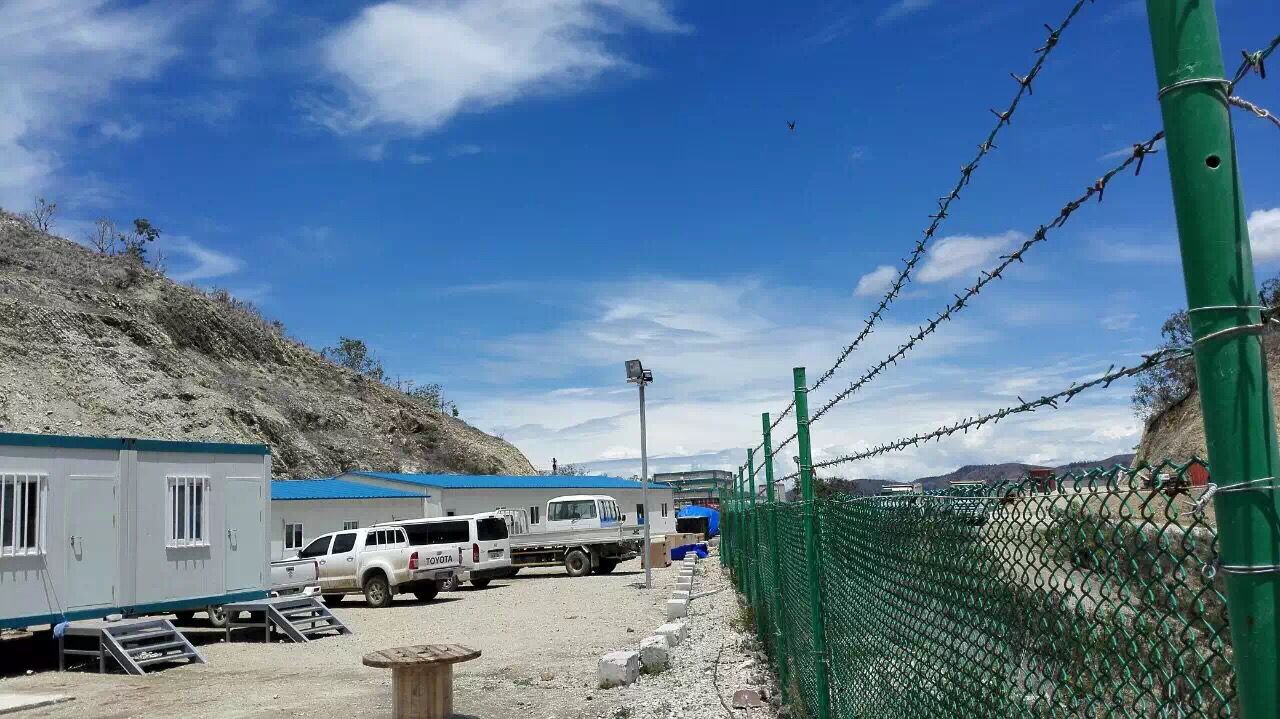
One specific case page—https://www.cdph.net/case-center/59—shows an example of a modular camp deployment that illustrates how container houses and prefab systems can be integrated for a complete solution.

This case emphasizes:

  • Multi‑climate adaptability of container‑based modular camps

  • Coordinated design of living, working, and support facilities

  • The value of standard modules for fast installation and later relocation

Prospective clients can use such case references to benchmark their own emergency housing requirements and understand what an EPC‑ready modular solution looks like in practice.


Regional Context: From Energy Projects to Disaster Relief


CDPH’s footprint covers more than one hundred countries and regions, including South America, Africa, the Middle East, Central Asia, and high‑latitude zones. These regions present different emergency housing and camp challenges.

  • In South America and African plateau areas, modular camps must handle heavy rainfall, altitude, and temperature changes while supporting energy, mining, and infrastructure projects.

  • In the Middle East and Central Asian deserts, camps focus on sand, dust, cooling loads, and long distances from urban centers.

  • In military and assistance applications, modular units must be deployable at short notice, with standardized layouts for field hospitals, command centers, and temporary housing.

By using container houses, cold‑resistant box houses, and light‑steel structures in combination, CDPH tailors modular emergency housing packages to each regional climate and use case.


modular emergency housing


How EPC Modular Camps Solve Emergency Housing Needs


An EPC‑style modular camp solution goes beyond delivering individual housing units; it provides a coordinated response to emergency or project requirements. When planning a modular emergency housing project with CDPH, typical steps include:

  1. Camp planning and site data collection

    1. Topographic surveys, climate and environmental data, road access, and utility conditions.

  2. Functional layout and capacity design

    1. Determining required bed counts, office space, medical facilities, and public areas, then mapping them into modular building types.

  3. Product selection from nine systems

    1. Choosing the right mix of modular units (container houses, cold‑resistant boxes, prefab buildings) and support equipment (water, power, safety, communications).

  4. Logistics and construction

    1. Arranging production at the three domestic factories, organizing long‑distance transportation, and managing on‑site assembly and commissioning.

  5. Operation support

    1. Offering guidance or services for camp operation, maintenance, and potential later expansion or relocation.

This integrated EPC process shortens delivery times, reduces coordination risks, and ensures that emergency housing is not isolated shelter but part of a functioning camp ecosystem.


Performance, Lifespan, and Sustainability


Modern modular emergency housing must balance speed with durability and sustainability.

  • Lifespan: With appropriate coatings, corrosion control, and maintenance, CDPH’s modular steel buildings typically achieve service lives in the 30–50‑year range or more.

  • Reusability: Bolt‑connected container modules can be disassembled, relocated, and re‑installed multiple times, supporting multi‑project use and reducing lifecycle costs.

  • Environmental impact: Factory production reduces onsite waste, while recyclable steel and efficient envelope designs limit resource consumption compared with improvised emergency shelters.

These features make modular emergency housing not only a rapid response option but also a strategic asset for long‑term project and disaster‑management portfolios.


Choosing a Modular Emergency Housing Partner


When selecting a partner for modular emergency housing, project owners should consider several factors.

  • EPC experience: Proven track record in complete camp solutions, not only building supply.

  • Multi‑climate product line: Availability of cold‑resistant units, desert‑optimized designs, and standard modular houses for temperate regions.

  • Manufacturing capacity: Multiple factories and automated lines that can scale quickly when emergencies require large deployments.

  • Global delivery references: Documented case studies showing successful projects across diverse regions and applications.

CDPH’s combination of three domestic factories, nine‑system EPC capabilities, and wide regional experience positions it as a strong candidate for organizations seeking modular emergency housing and integrated camp solutions.


Related articles

whatsapp.png
+86 18001125785
zongubimgfz3.svg
chengdong@cdph.com.cn

Scan the QR code to follow