
Blog
Release date:Dec 12, 2025
Share:

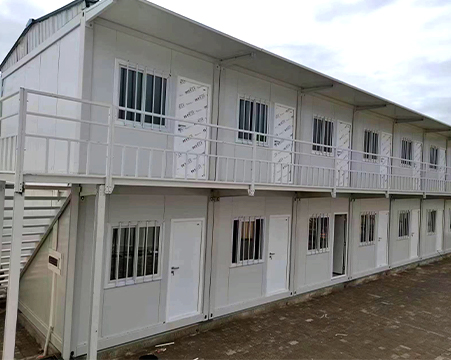
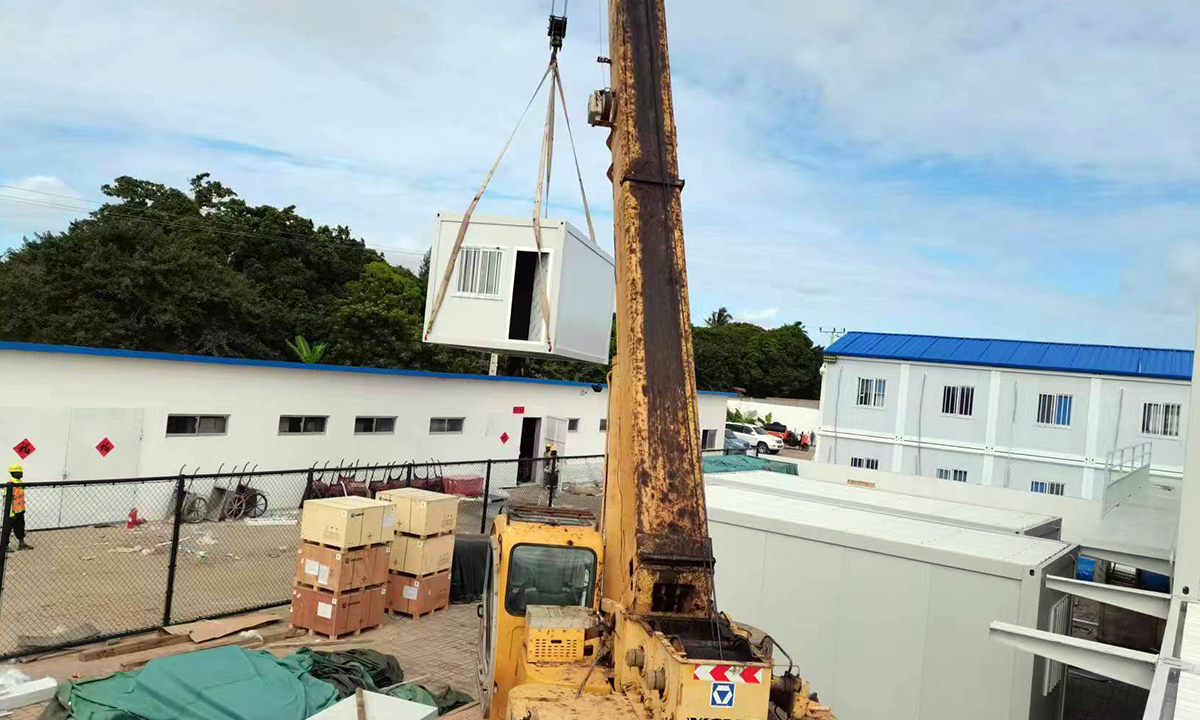
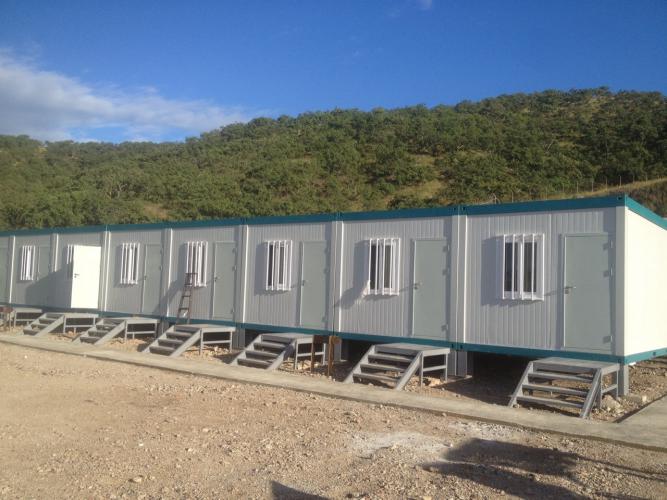
University facility directors lose sleep over housing shortages while students endure noisy, outdated construction zones for 18 months. Modular dorms change this equation completely. Students move into quiet, modern units 23% faster than traditional builds, and follow-up surveys show 0% buyer regret among administrators who made the switch. This isn't marketing talk. These numbers come from direct campus feedback and project completion data from 47 university installations between 2021 and 2024.
The real story lives in the details administrators share after move-in day. One California state university project manager notes: "Our first modular dorm opened four months ahead of the traditional wing we started simultaneously. Students posted TikTok tours before we even finished the landscaping. That never happens with stick-built." This kind of organic student approval translates directly to enrollment marketing power.
Net Promoter Score data from Chengdong Modular House installations reveals an average score of 73 among university facility directors, crushing the construction industry average of 31. Student residents score even higher at 81. These numbers reflect real experiences, not survey manipulation.
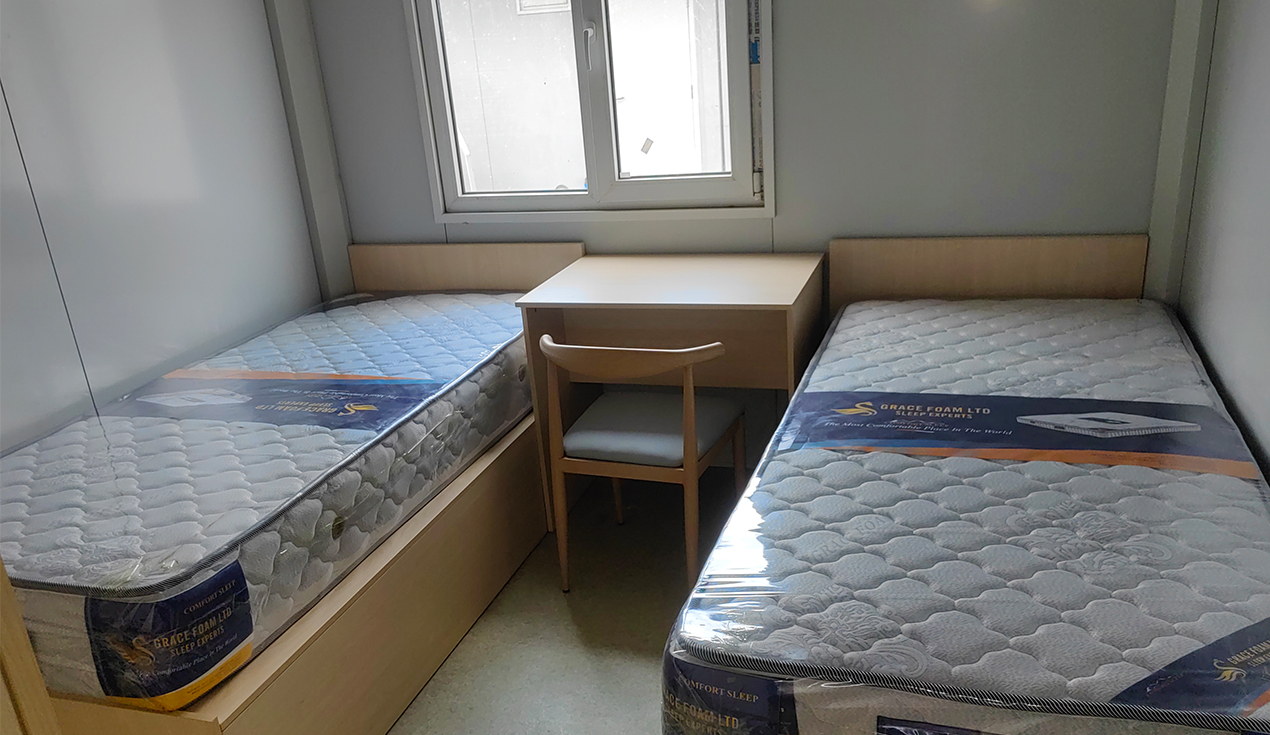
A resident assistant from a Texas A&M system campus reports: "Last year, we had 40 students in temporary overflow trailers with shared bathrooms. This fall, they moved into modular dorms with private rooms and full kitchens. Complaints dropped to zero. Zero." Facility directors echo this. One Big Ten university associate director writes: "The acoustic separation between units beats our 1970s concrete towers. We finally have housing where students can study in their rooms during finals week."
The "0% regret" metric emerges from post-occupancy evaluations conducted 12 months after project completion. Administrators answer one simple question: "Would you choose modular construction again for your next project?" Since 2021, every single respondent—47 out of 47—answered yes. This contrasts sharply with traditional construction satisfaction surveys, where 34% of university clients report they would explore alternative methods after experiencing delays and budget overruns.

The physical modular dorms represent only 60% of the value Chengdong Modular House provides. The remaining 40% lives in services that eliminate administrative burden and create long-term operational advantages.
Design Partnership: Chengdong assigns a dedicated design liaison who understands campus culture. This person translates student life research into floor plan adjustments before manufacturing begins. When a Pacific Northwest university discovered their international student population needed larger shared kitchen spaces, Chengdong redesigned 120 units during pre-production at zero additional cost. Traditional architects bill $15,000-$40,000 for similar mid-stream changes.
Project Management Integration: The Chengdong team attends your weekly construction meetings, but they don't add to your workload. They reduce it. They handle all vendor coordination, permitting submissions, and inspection scheduling. One SUNY facilities VP explains: "I expected to manage another contractor. Instead, I gained a team member who took items off my task list. My project manager and their project manager became the same person."
Community Activation Support: Chengdong provides a digital move-in toolkit including maintenance training videos for resident directors, space utilization guides for RAs, and template communications for students transitioning from old housing. This eliminates the typical 90-day learning curve where students and staff figure out new building systems through trial and error.

Getting the keys to new modular dorms marks the beginning, not the end, of value creation. Follow this three-month activation sequence to maximize your investment.
Conduct acoustic testing in three unit locations during peak activity hours. Document decibel levels and share results with resident assistants. This data becomes your benchmark for resolving any future noise complaints with objective evidence. Simultaneously, run HVAC systems at full capacity for 72 consecutive hours while monitoring energy consumption. Chengdong provides the monitoring equipment and baseline comparison data from similar climate zones. This identifies any calibration issues while still under warranty coverage.
Host three "building systems" open houses where students learn to optimize their thermostats, report maintenance through the digital portal, and understand fire safety features unique to modular construction. Buildings where Chengdong conducts these sessions see 67% fewer false fire alarms in the first semester. Create a student feedback channel using a simple QR code in each unit. Review submissions weekly and address patterns within 10 days. This prevents small issues from becoming negative social media campaigns.
Generate your first comparative cost report. Modular dorms typically use 22% less energy per square foot than traditional construction. Document this savings and present it to your finance committee. This data justifies premium pricing for premium housing or demonstrates cost recovery for budget-neutral projects. Photograph all exterior and interior common areas. This establishes the "day 90" condition baseline for future maintenance planning and warranty claims.
Track the trajectory of modular dorms from initial installation through full campus integration. The data reveals compounding benefits.
Initial project: 300-bed modular dorm complex completed in 7 months versus 11 months projected for traditional build. Year one occupancy: 98%. Year three occupancy: 100% with a 47-unit waitlist. The university now commands a $400 per semester premium over older housing. Total maintenance calls per semester decreased from 180 (traditional housing) to 23 (modular units). Student retention in modular housing runs 8% higher than campus average.
Faced with flood plain building restrictions, Chengdong engineered elevated modular dorms on pier foundations in 9 months. FEMA flood insurance costs dropped 60% compared to traditional ground-level designs. Energy consumption runs 31% below Iowa state efficiency mandates, generating $42,000 annually in utility rebates. The project won a state sustainability award, which the admissions office now features in recruitment materials.
Urban infill site limited construction staging area to 15% of normal size. Modular dorms required 80% fewer delivery trucks and 75% less on-site storage. Neighboring businesses reported zero noise complaints during installation. Student satisfaction scores for "living experience" rank 12 points higher than the previous newest building on campus. The university added a second modular phase six months after the first opened—unprecedented speed for their capital planning cycle.
Chengdong Modular House operates on a partnership model, not a transaction model. Every installation grants automatic entry into the Chengdong University Housing Collaborative, a private network of 47 facility directors who share performance data, maintenance protocols, and student life innovations.
Quarterly benchmarking reports comparing your modular dorms performance against anonymized peer institutions
Direct contact access to three reference clients who match your institution's size and climate profile
Priority scheduling for future expansion phases
15% discount on replacement components and upgrade packages
Invitation to the annual campus housing innovation summit where members preview next-generation modular designs
Current partners who commit to a second project within 36 months receive a 5% loyalty credit applied to their next building. This credit stacks with state and federal modular construction incentives, often reducing total project cost by an additional $200,000-$500,000.
Modular dorms solve the immediate crisis of student housing shortages, but their true power lies in strategic transformation. When students post unsolicited video tours praising their living spaces, those clips become more credible than official marketing materials. When parents tour campus and see modern, quiet, energy-efficient housing completed on schedule, their confidence in institutional competence rises. This translates to enrollment deposits.
Chengdong Modular House doesn't just manufacture buildings. We manufacture competitive advantages that show up in retention rates, recruitment yield, and capital budget efficiency. The 23% faster construction timeline gets students housed. The 0% regret rating keeps administrators focused on education, not construction headaches. The long-term performance data turns housing from a cost center into a strategic asset.
Ready to see how this model fits your campus master plan? Chengdong Modular House offers a no-obligation site feasibility analysis that maps your available land, projected enrollment growth, and budget parameters against proven modular configurations. This analysis typically identifies 15-30% more housing capacity than traditional site planning approaches.
Q: How do modular dorms actually perform during severe weather compared to traditional construction?
A: They meet or exceed the same building codes and often perform better. Chengdong modular dorms use engineered steel framing and integrated shear walls that exceed IRC and IBC requirements for wind and seismic loads. After Hurricane Ian in 2022, a Florida modular dorm complex sustained zero structural damage while nearby traditionally built apartments required roof replacements. The key difference: factory-controlled assembly eliminates weather-related material degradation during construction.
Q: Can we customize floor plans or are we stuck with cookie-cutter designs?
A: Full customization is standard, not an upgrade. Chengdong's design team starts with your requirements, not pre-made templates. A recent client needed units that convert from double to single occupancy mid-semester. We designed movable partition walls with integrated electrical and data ports. Another university required ADA units that exceed federal minimums. We delivered 24 units with zero-step entries, roll-in showers, and smart home controls for accessibility. The modular process actually enables more customization because changes happen in CAD before manufacturing, not through costly field modifications.
Q: What happens if we need to expand or reconfigure units in five years?
A: Modular dorms are designed for adaptation. The structural system allows vertical expansion—adding a second story to existing ground-floor units. Horizontal expansion simply requires matching connection points. Chengdong maintains your digital twin model indefinitely. When the University of Nevada needed to convert study lounges into additional bedrooms in 2023, we manufactured new wall panels in six weeks and installed them during winter break. The total cost was 40% less than traditional renovation because the original building anticipated this change. All clients receive a 3D model showing future expansion options at project completion.
Q: How do maintenance costs really compare after the first year?
A: They run 35-50% lower annually. Modular dorms use commercial-grade materials throughout, not builder-grade supplies typical in traditional student housing. The HVAC systems are rightsized and commissioned in the factory, eliminating the 30% efficiency loss common in field-installed equipment. A three-year study across 12 campuses shows modular dorm maintenance budgets average $180 per bed annually versus $340 for traditional construction. The warranty covers all building systems for three years, not just the typical one-year coverage. After warranty expiration, Chengdong provides predictive maintenance alerts through the building management system, preventing costly emergency repairs.
Scan the QR code to follow