
Blog
Release date:May 29, 2026
Share:
Mining site buildings are no longer simple temporary shacks set up in the middle of nowhere. Today’s mining companies need safe, comfortable, and rapidly deployable camps that can house hundreds or even thousands of workers in remote, harsh environments—often with extreme temperatures, limited infrastructure, and tight project schedules. That is why more and more operators are turning to modular container and prefab solutions for their mining site buildings.
In this guide, we will walk through what modern mining site buildings include, why modular container systems work so well for mining, and how an experienced Chinese manufacturer like Chengdong Modular House (CDPH) supports global mining and energy projects. We will also highlight a real case of rapid‑deployment container housing used in an international aid project, which reflects the same capabilities that mining clients rely on.
For more background on modular house and container solutions, you can also explore the official homepage of Chengdong Modular House at the CDPH website (https://www.cdph.net/).
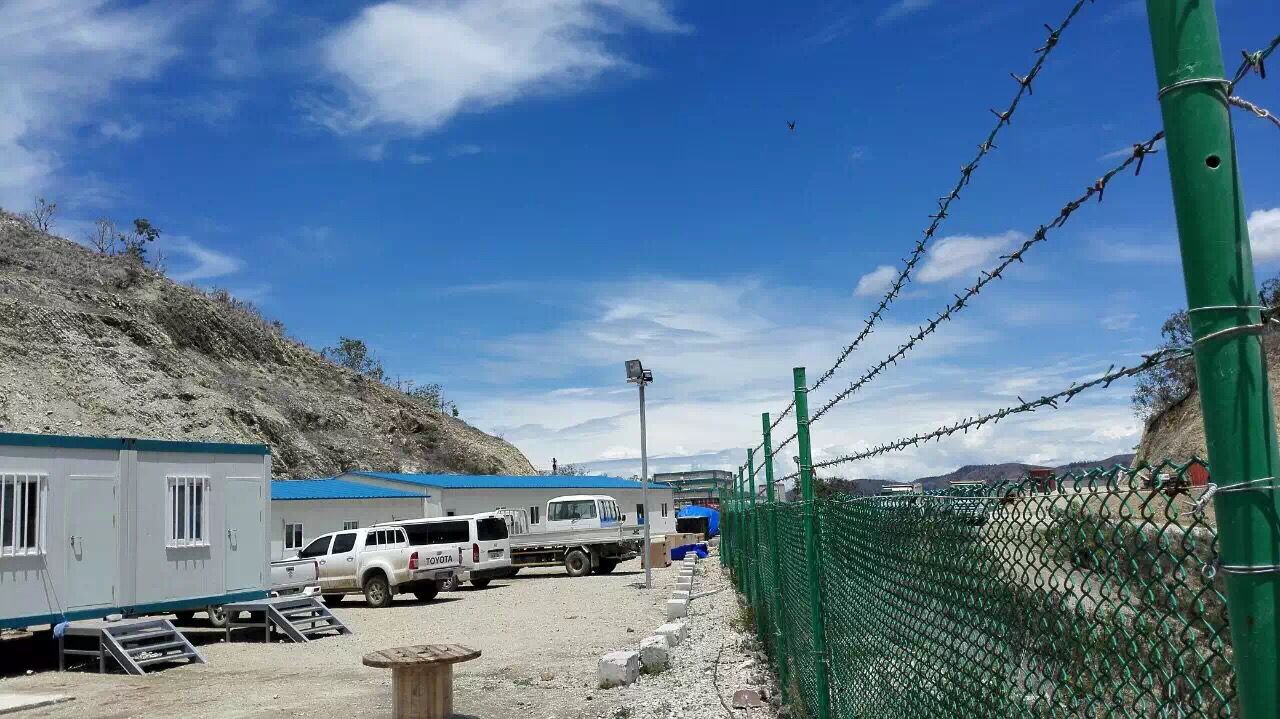
A modern mining camp is essentially a small, fully functioning town built in a challenging location. Mining site buildings usually cover four major categories:
Accommodation facilities – Worker dormitories, staff apartments, manager suites, and VIP rooms, with proper beds, bathrooms, storage, and climate control.
Work and operations buildings – Site offices, control rooms, meeting rooms, laboratories, workshops, warehouses, and maintenance areas.
Living support spaces – Canteens, kitchens, laundry rooms, clinics, recreation rooms, gyms, prayer rooms, and retail kiosks.
Infrastructure and service units – Security gates, guard houses, power rooms, water treatment units, sanitary blocks, and utility corridors.
Because mining projects move through phases—from exploration and construction to operation and closure—the camp configuration must be easy to expand, relocate, or partially dismantle as staffing levels change. That makes modular container and prefab panel systems a very strong fit for mining site buildings, compared with conventional masonry or cast‑in‑place concrete.
Internal links you may want to add in this section:
Anchor text “modular house solutions” → link to your product center at https://www.cdph.net/product-center
Anchor text “container house for camps” → link directly to the container house product page at https://www.cdph.net/product-center/container-house

Mining investments are capital intensive, and every month of delay in getting into production can have a significant financial impact. Container house and modular house systems are manufactured in a factory while foundation and site preparation work happen in parallel, so overall construction time can be shortened by roughly 30–50% compared with traditional builds. Once the modules arrive, on‑site installation is mainly about bolting units together, connecting utilities, and doing minor finishing, which sharply reduces build time on remote sites.
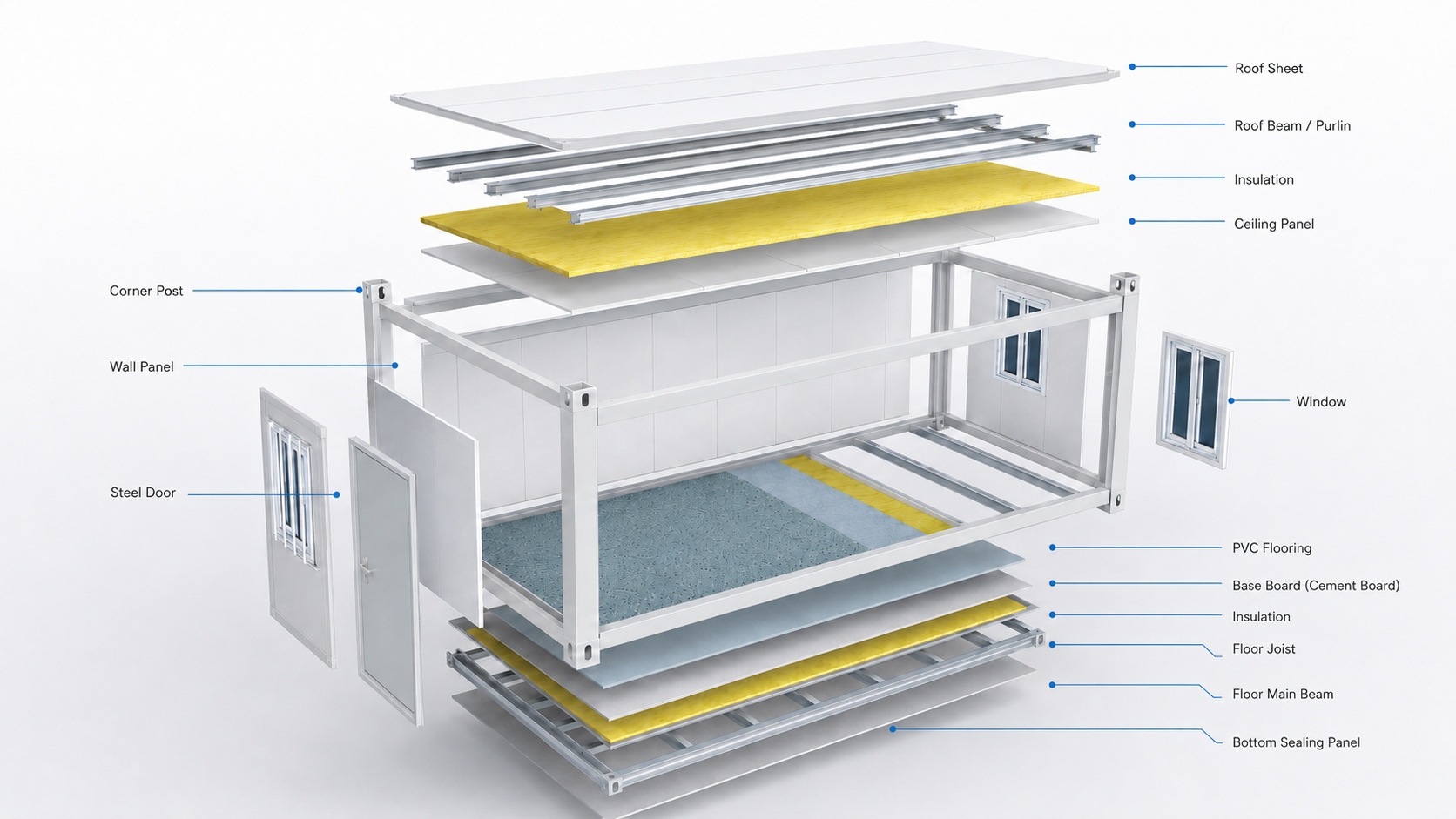
Mining sites often face extremes: hot deserts, cold plateaus, high winds, or dusty, corrosive conditions. CDPH’s container houses, for example, use galvanized steel frames and insulated sandwich panels designed to work reliably in environments ranging from around −50°C in arctic regions to over 40°C in desert climates. Enhanced thermal insulation, corrosion protection coatings, and engineered structural nodes help ensure that the buildings maintain structural integrity and indoor comfort over many years of operation.
Because container units follow standardized dimensions and connection details, it is easy to add new dormitory blocks, extend office complexes, or reorganize internal layouts as the workforce expands or shifts between phases. When a mining phase ends, modules can be disassembled and reused in another pit or another project entirely, which improves asset utilization and reduces waste.
Factory prefabrication brings standardized quality control, reduces on‑site labor, and minimizes material waste. For mining companies, this means more predictable camp budgets and less risk of delays caused by local labor shortages or weather‑related interruptions. Because modules leave the factory with pre‑installed wiring, plumbing, doors, and windows, the number of unknowns during site installation is also reduced.
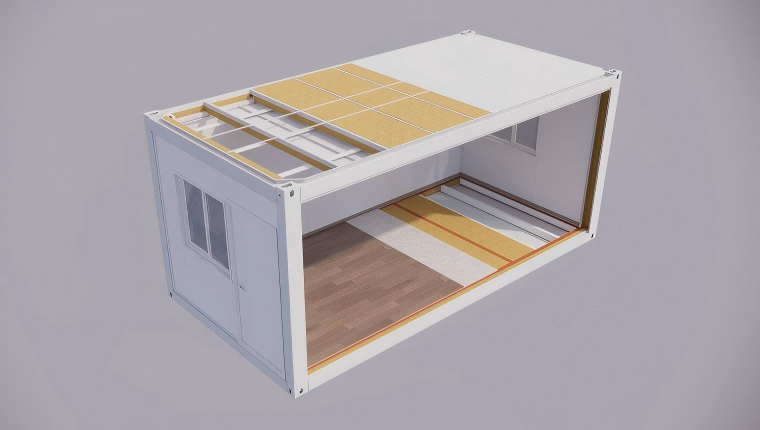
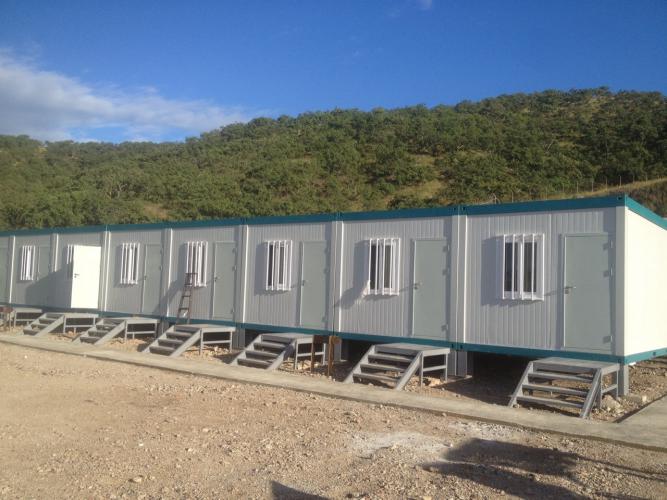
Container house dormitories are the backbone of many mining camps. They are built from steel frame modules with insulated wall and roof panels, fitted with windows, doors, flooring, and basic interior finishes in the factory. Layouts can range from single rooms with private bathrooms to multi‑bed shared rooms with central corridor access, depending on worker categories and cultural preferences.
With stacking and linking, container modules can form two‑ or three‑story accommodation blocks, maximizing land use on constrained sites. Designers can integrate sunshades, external corridors, stair towers, and roof canopies to improve shading and circulation for hot‑climate mining sites.
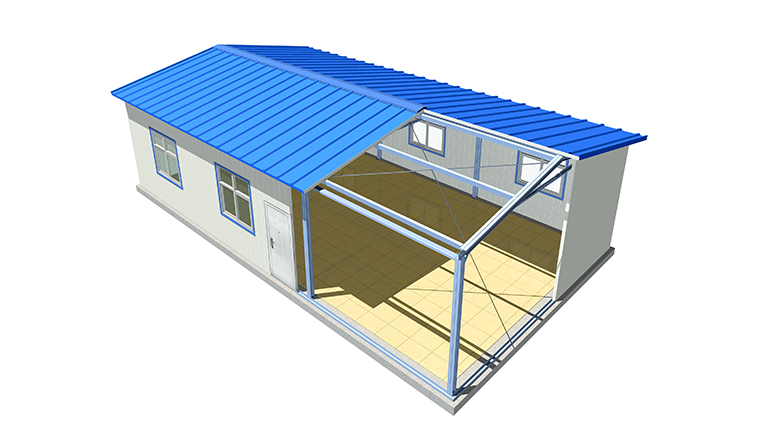
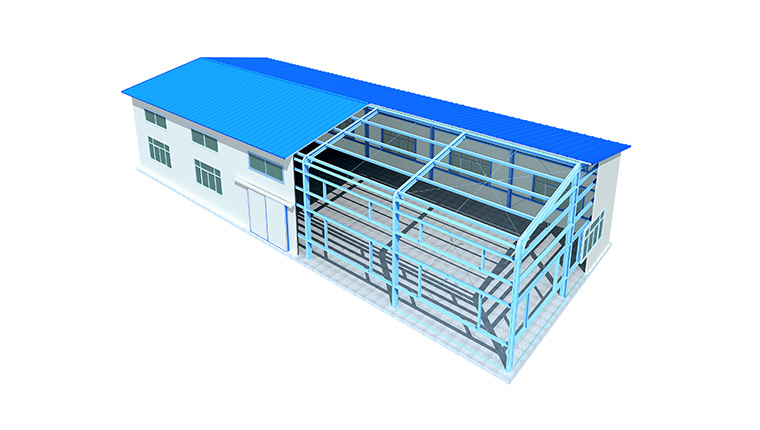
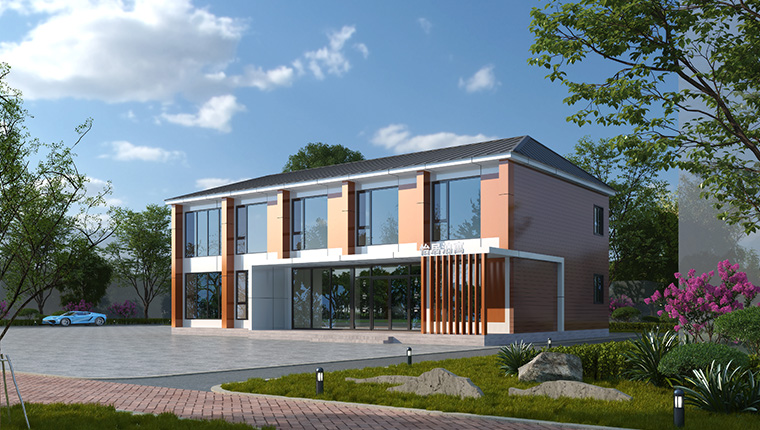
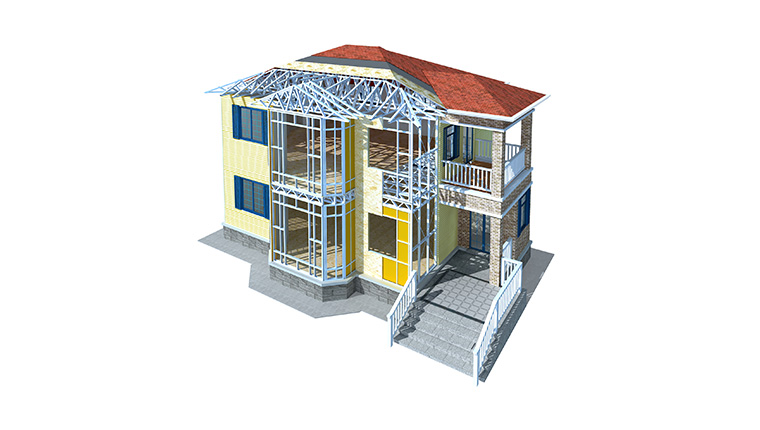
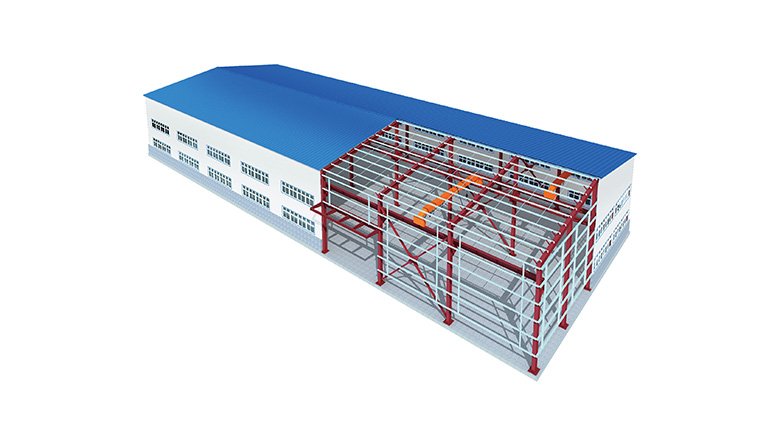
Besides container dormitories, many mining clients use large-panel prefab systems for offices, canteens, training centers, and clinics. These systems rely on light‑steel frames and sandwich panels that allow wide spans and flexible interior layouts, suitable for open-plan offices or large dining halls. Combining container cores (for stairs, wet areas, and vertical shafts) with panelized wings can create hybrid buildings that balance cost, speed, and space efficiency.
Certain mine sites—such as high‑altitude copper mines or arctic projects—require specialized cold‑resistant modules with thicker insulation, triple‑seal doors and windows, and reinforced roof structures to handle snow or wind loads. CDPH’s cold‑resistant container houses, for instance, are engineered with thermal transmittance values in the range of about 0.36–0.45 W/m²·K in specific configurations, allowing comfortable interior temperatures with reduced heating demand. In hot, dusty regions, container house camps can be designed with reflective roofs, shading devices, and efficient HVAC systems to keep cooling loads under control.
You can link “container house product page” here again to https://www.cdph.net/product-center/container-house to reinforce topical relevance.
One of the best ways to judge a modular camp supplier for mining is to look at how they perform in demanding real‑world projects. Chengdong Modular House has documented a case of rapid‑deployment container housing for an Afghanistan aid project, which illustrates the same capabilities required by remote mining operations.
In this project, CDPH supplied container‑based housing that had to be delivered quickly, installed efficiently, and adapted to a sensitive, resource‑constrained environment. The solution included customized layouts, coordinated logistics, and on‑site technical guidance, demonstrating how a capable manufacturer manages design, manufacturing, delivery, and installation under time pressure. Although this particular case served a humanitarian purpose, the same design, production and deployment processes are directly applicable to building mining site camps in regions such as Central Asia, the Middle East, or Africa.
You can reference this case directly with anchor text such as “rapid‑deployment container housing project” linking to https://www.cdph.net/case-center/rapid-deployment-container-housing-for-afghanistan-aid-project.
China has developed a complete supply chain for modular houses, container houses, and steel structures, supporting competitive prices with large‑scale production. For mining investors, working with a mature Chinese manufacturer can help balance CAPEX constraints with the need for quality, safety, and long‑term durability. When the partner has extensive export experience, the process of packaging, shipping, and customs clearance becomes more predictable as well.
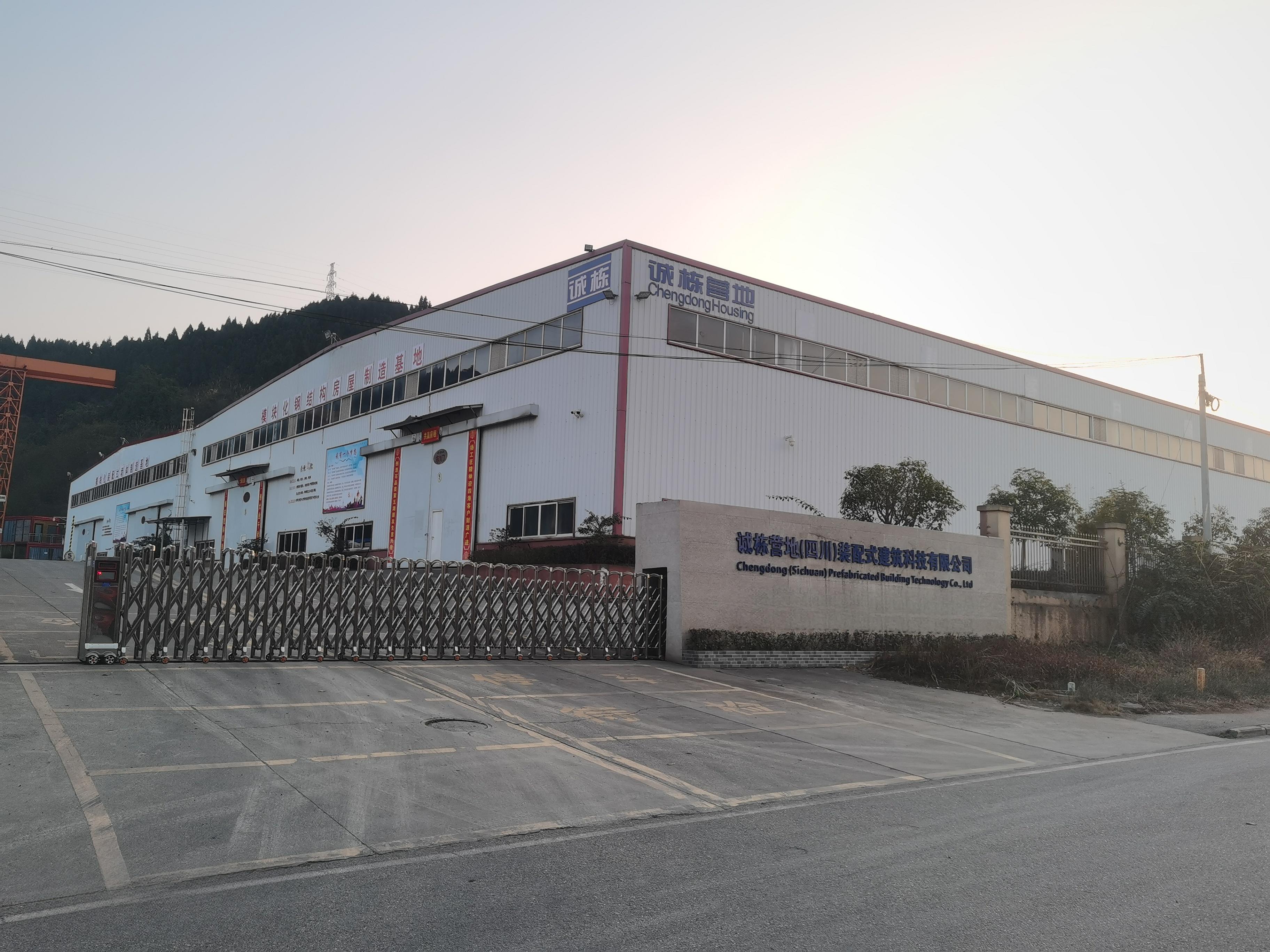
Chengdong Modular House (CDPH) is one of the Chinese manufacturers focusing on container houses and modular camps for international engineering projects. Over the years, CDPH has supplied modular housing solutions to more than 100 countries and regions for energy, infrastructure, and emergency applications. This experience is particularly valuable to mining clients who operate in remote areas with different regulatory, climatic, and cultural requirements.
On the official CDPH website, you can browse a wide range of case center examples filtering by application areas such as military, emergency, and engineering, which gives a sense of the company’s global footprint.
A strong modular camp partner does more than just sell products; they provide integrated solutions. CDPH typically supports mining and other engineering clients with camp planning, architectural and structural design, product manufacturing, logistical coordination, and on‑site installation guidance. This one‑stop approach helps mining companies reduce interface risks between different suppliers and stay focused on core operations rather than construction management.
From a branding perspective, this is where you can highlight that Chengdong Modular House (CDPH) positions itself not only as a container house producer but as an engineering camp solution provider, able to deliver turnkey or semi‑turnkey mining site buildings.
Worker health and safety is the first priority in any mining site design. Camps should follow relevant building codes and health standards, with proper fire safety systems, emergency exits, and clear circulation paths. In hot climates, good thermal performance and ventilation are critical to avoid heat stress in accommodation and workspaces, while in cold climates, thermal bridges must be controlled to prevent condensation and mold.
Adequate daylight, acoustic control, recreation areas, and medical facilities help support worker wellbeing, which in turn improves productivity and staff retention. Modular container and prefab systems can easily incorporate these features, as long as they are specified correctly in the design stage.
Because container and modular houses can be dismantled and reused, mining companies should plan their life‑cycle strategies early. Some clients choose to design generic dormitory blocks that can be redeployed from one project to another with minimal modification, while others invest in more customized layouts for flagship sites with longer service lives. Understanding the expected number of moves and years of operation helps set the right balance between initial cost, material specifications, and long‑term performance.
Successful mining site buildings respond to local climate, geology, and culture. For instance, container house camps in desert regions may use light‑colored exteriors and roof insulation optimized to cut cooling loads, while camps in plateau or high‑latitude regions prioritize cold‑resistant envelopes and snow‑resistant structures. Cultural factors can influence dormitory layouts, privacy expectations, and the design of communal spaces, and experienced manufacturers can embed these requirements into standardized modular systems.
Working with a modular camp provider like CDPH usually follows several clear steps.
Define capacity and functions – Estimate how many people you need to accommodate at each phase and list required functions such as dormitories, offices, canteens, clinics, and storage.
Share site and climate data – Provide information on location, temperature range, wind and snow loads, seismic requirements, and available infrastructure.
Concept design and layout – The supplier’s engineering team prepares camp layout proposals and typical module configurations, balancing budget, land use, and comfort.
Technical and commercial optimization – Together, you refine specifications such as insulation levels, internal finishes, and MEP interfaces, while finalizing the commercial offer.
Manufacturing, delivery, and installation – Modules are produced in the factory, shipped to site, and installed with guidance from the manufacturer’s technical team or local partners.
By following such a structured process, mining operators can reduce uncertainty, compress timelines, and obtain mining site buildings that are both functional and adaptable to future needs.
Scan the QR code to follow