
Blog
Release date:Apr 11, 2026
Share:
Remote oil, gas and mining projects succeed only when thousands of workers can live and work safely in harsh environments. Choosing modular man camps builders is therefore a strategic decision that affects HSE performance, schedule, costs and worker morale throughout the project lifecycle.
Chengdong Modular Housing focuses on exactly this challenge. As an engineering camp specialist with more than 1,000 projects delivered in over 100 countries, the company provides modular solutions for energy, mining and infrastructure owners in South America, Africa, the Middle East, Eurasia and beyond. Based on such project experience, this guide distills the key criteria you should use when evaluating modular man camps builders for your next project.

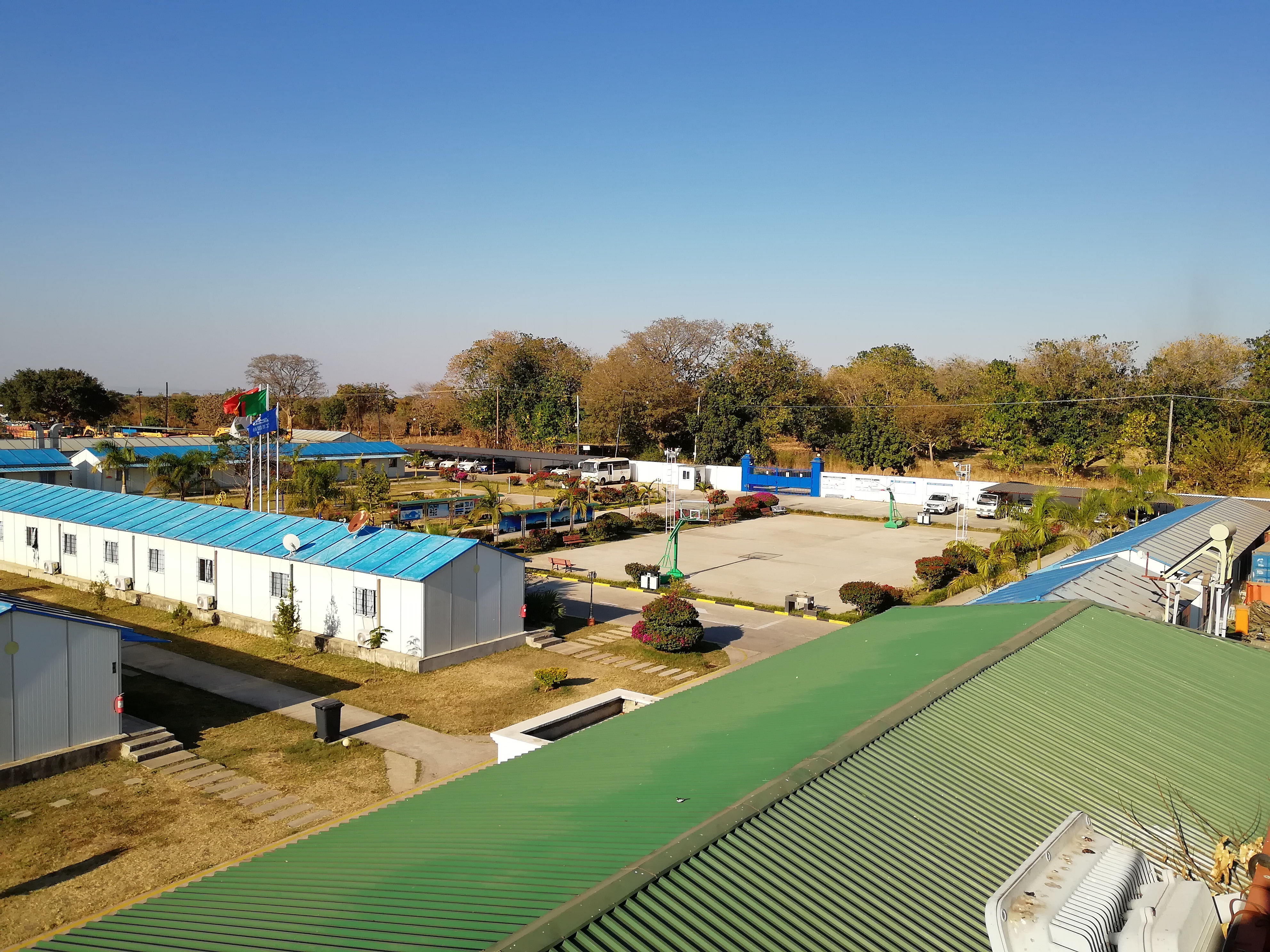
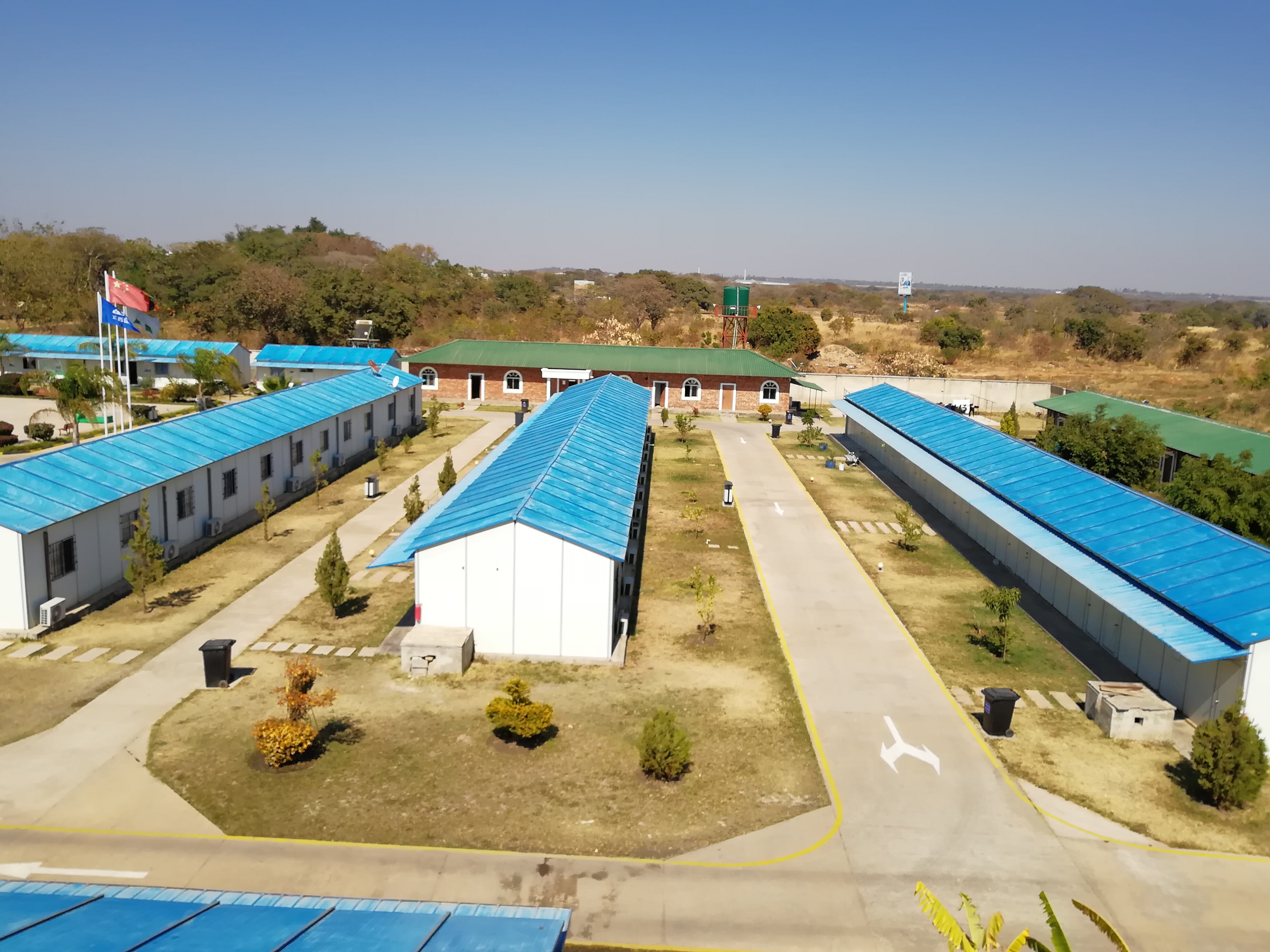
Many projects begin with a simple question: “How many rooms do we need?” In reality, modular man camps builders are being asked to deliver much more than dormitories—they are expected to design and build small, self‑contained towns for workforce accommodation.
A complete camp solution normally covers:
Master planning and layout adapted to climate, terrain and workforce composition.
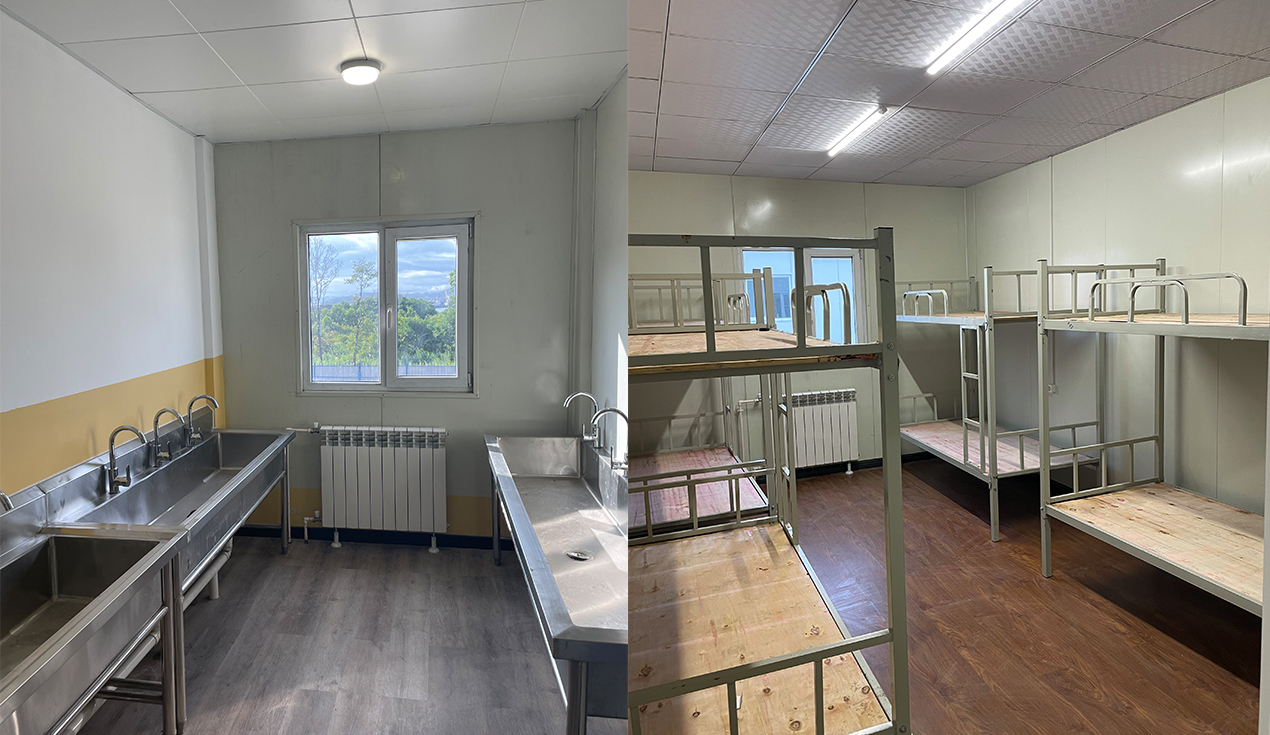
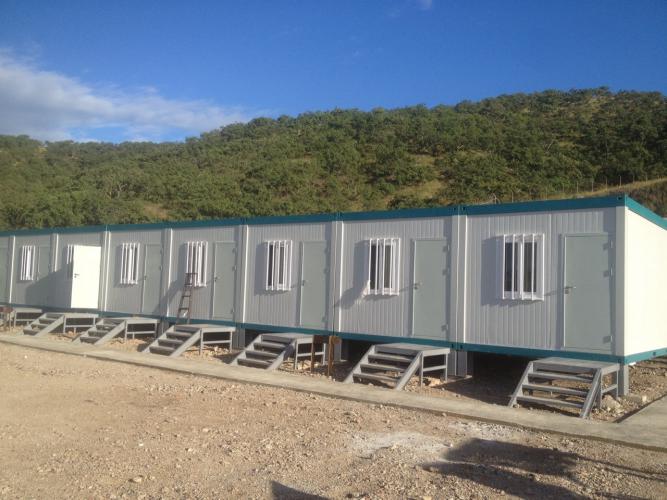
Accommodation, offices, medical buildings, canteens, recreation areas, religious facilities and storage.
Utilities and infrastructure, including water supply, drainage and heating, power distribution, weak current systems, fire protection, security, roads and landscaping.
Environmental protection, such as wastewater treatment and solid waste facilities.
Specialist providers package all of this as an integrated engineering camp, not as isolated modules and rooms. Chengdong uses this full‑camp approach, acting as a one‑stop partner from planning to delivery, so that design, logistics and installation are coordinated under a single camp concept.
When you assess modular man camps builders, the first question is whether they think in terms of a complete camp system or only quote per room and container. Only the former can truly solve camp needs across the full project lifecycle.

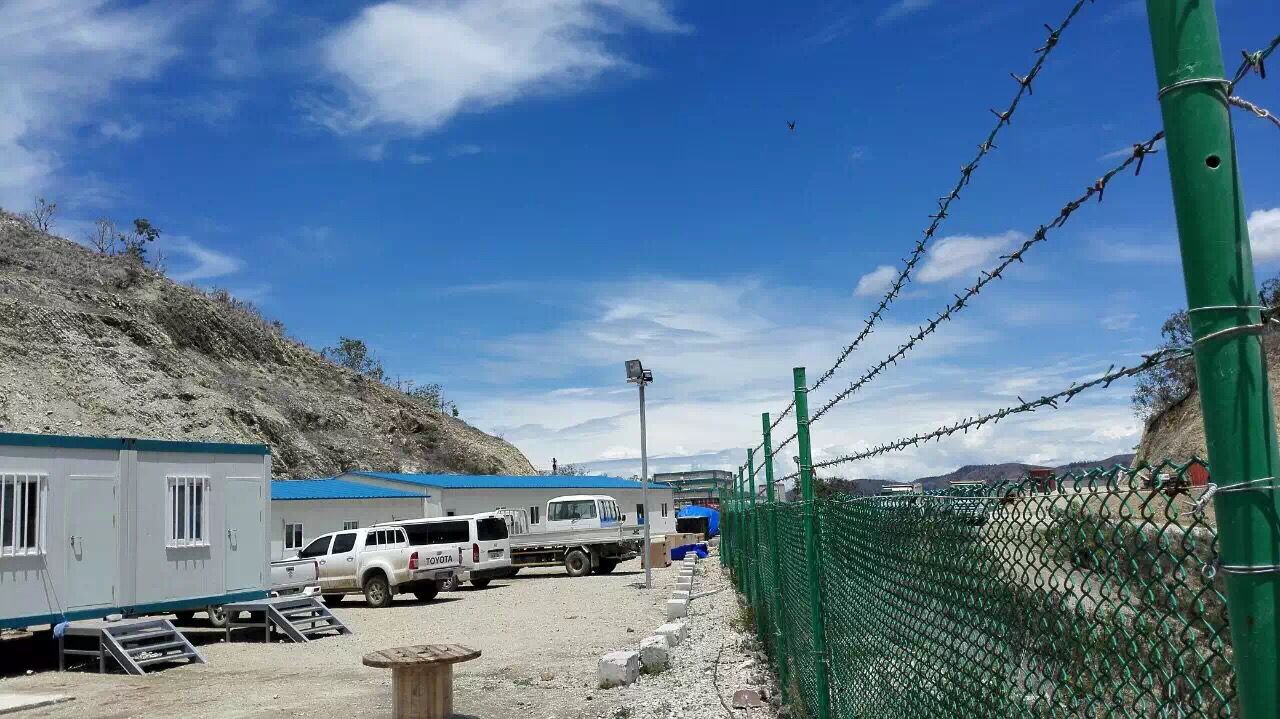
Man camps for oil, gas and mining rarely sit in easy locations. They are built in deserts, high plateaus, tropical rainforests or coastal zones with weak infrastructure and complex local conditions. Modular man camps builders with broad international experience are much more likely to foresee and solve real‑world challenges.
Leading camp providers can demonstrate:
Over 1,000 camp projects delivered across more than 100 countries.
Long‑term cooperation with major international and ENR‑listed contractors on ports, airports, hydropower, highways, power plants and other large projects.
Chengdong’s footprint covers Latin America, Africa, the Middle East, Central Asia and many other regions, supporting energy and infrastructure owners in very different climates and regulatory environments. This breadth of experience reduces the learning curve when entering a new country or working with a new project team.
When screening modular man camps builders, request:
A list of completed camp projects, broken down by region and industry.
Case studies in oil, gas and mining, ideally in environments similar to your site.
References from international contractors or owners who used their camps on multi‑year projects.
The more closely their past work matches your planned project, the lower your implementation risk will be.
Engineering camps must meet strict requirements for structural safety, fire protection and occupational health. Modular man camps builders that have invested in management systems and certification usually deliver more consistent quality and easier approvals.
Key credentials include:
ISO 9001 quality management.
ISO 14001 environmental management.
OHSAS 18001 occupational health and safety.
CE certifications for steel structures (EN1090) and sandwich panels (EN14509).
Chengdong has obtained these certifications and backs its modular and box house products with detailed technical manuals and third‑party testing. Structural systems are designed with defined wind and snow loads, and insulation systems are engineered for specific U‑values and fire performance, including cold‑resistant configurations down to around -50°C.
When you evaluate modular man camps builders, ask them to provide:
Valid ISO and OHSAS certificates covering design, manufacturing and installation.
CE or equivalent certificates for main structural and envelope systems.
Technical specifications and test reports for critical components such as walls, roofs, floors and fire protection materials.
This documentation shows whether the provider is capable of meeting international standards and passing owner or third‑party technical reviews.
Professional modular man camps builders do not simply “sell buildings”; they integrate multiple systems into a coherent camp. In practice, a complete camp normally brings together nine key systems:
Building system: dormitories, offices, clinics, production buildings, public bathrooms, religious buildings, recreation centers, canteens and warehouses.
Water supply, drainage and heating: potable water, purification equipment, septic tanks, hot water and heating facilities.
Power system: transformers, generators, distribution boards, cables, interior and exterior lighting, and lightning protection.
Weak current system: telephone, data networks and cable TV.
Fire protection system: alarms, sprinklers, hydrants, emergency lighting and evacuation signage.
Security system: fences, watchtowers, CCTV, gates, intrusion alarms and emergency medical rescue.
Road and transport system: vehicle roads, pedestrian paths, parking and related facilities.
Environmental facilities system: landscaping, corporate image features, sports grounds and outdoor fitness equipment.
Environmental protection system: wastewater treatment and solid waste handling.
Chengdong uses this kind of integrated multi‑system design approach: starting from the master plan and vertical design, then coordinating water, power, fire protection, security, roads and landscaping so that each modular building fits into a sustainable camp system.
When you screen modular man camps builders, check whether they can:
Provide full multi‑system camp design, not only building layouts.
Demonstrate standard camp solutions tuned for different climates and terrains.
Consider operation and maintenance requirements already at the design stage.
This level of integration directly determines whether the camp will be easy to operate, maintain and expand.
Oil and mining projects often sit in extreme climates: deserts, high plateaus, cold regions or tropical rainforests, with combinations of high heat, low temperatures, high humidity, wind and sand. Competent modular man camps builders need mature product systems tailored to these zones.
Chengdong’s product portfolio includes:
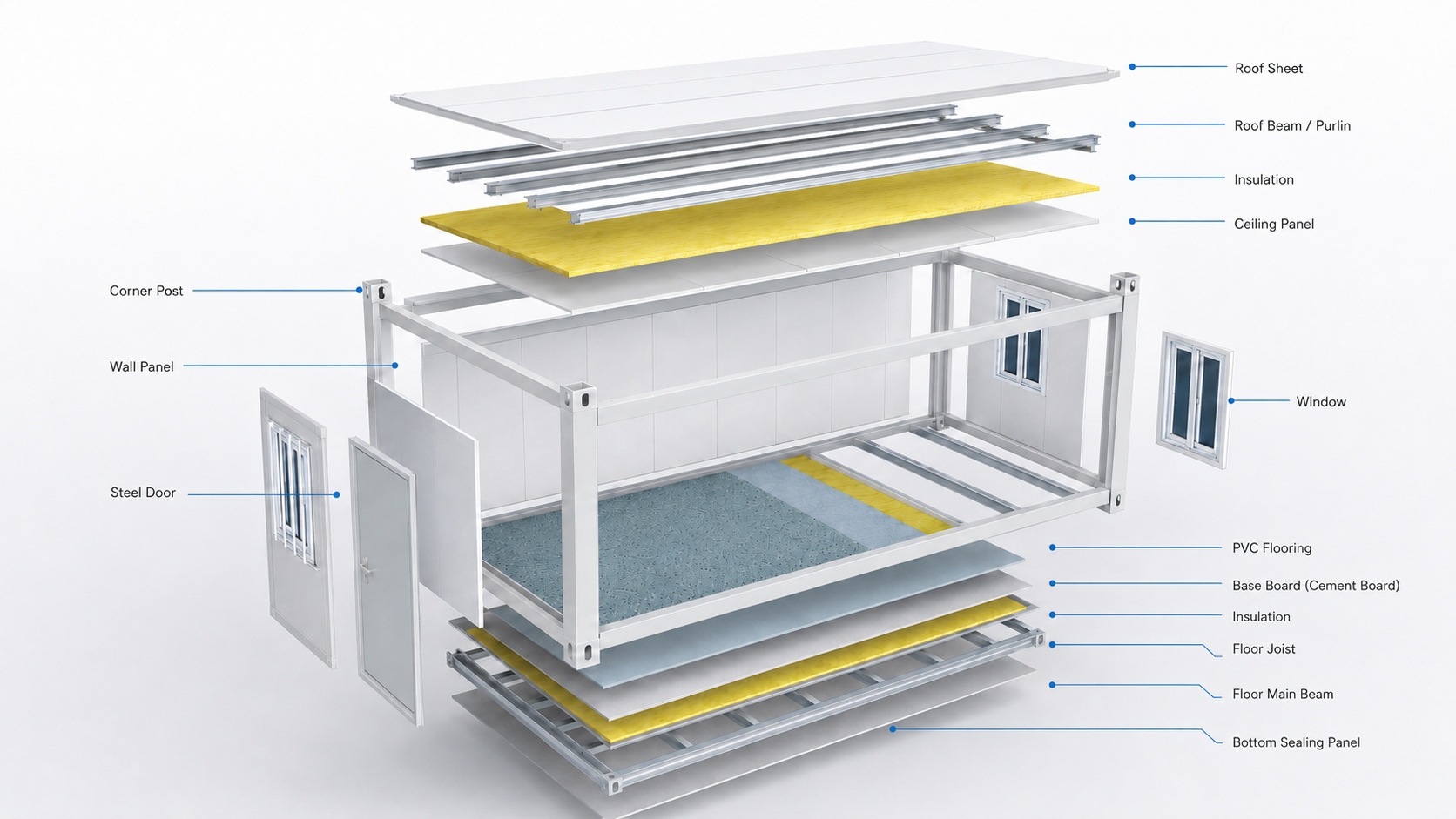
Cold‑resistant container houses for temperatures around -50°C, with enhanced insulation and structural detailing.
Plateau camp modules designed for high altitudes, large day‑night temperature differences and low oxygen levels.
Desert and Gobi camps with high wind and sand resistance and low heat transfer through building envelopes.
Tropical and high‑humidity camp solutions focusing on moisture control, ventilation and anti‑corrosion.
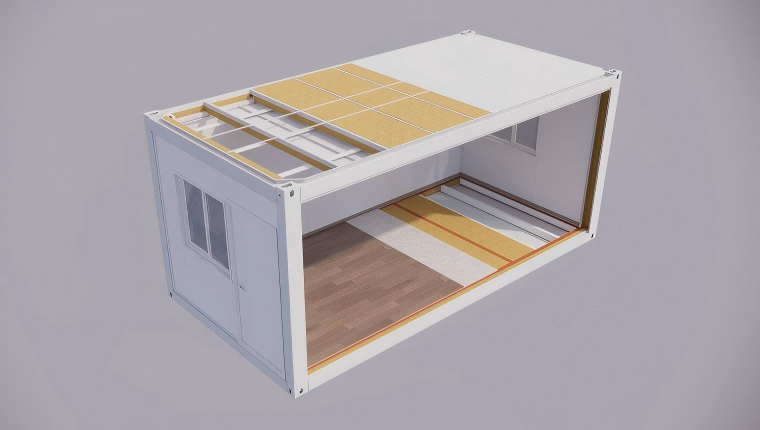
Standardized modules at 20, 27, 38 and 45‑foot equivalents can be configured as offices, accommodation or mixed‑use units, enabling fast design and deployment.
When talking to modular man camps builders, focus on:
Proven solutions and references in the same climate zone as your project.
Clear structural, insulation and fire performance data for their modules.
The ability to quickly configure module combinations for your specific functional and site needs.
Product systems that work reliably in extreme climates are essential to keep lifecycle costs under control.
For many owners and EPC contractors, the most efficient approach is to work with a single partner that takes responsibility for the entire camp—from concept to handover. This requires modular man camps builders to have true EPC or turn‑key capabilities.
Using Chengdong as a reference, a mature camp EPC process typically includes:
Camp concept and feasibility studies based on project schedule and workforce ramp‑up.
Detailed multi‑system design integrating buildings, water, power, fire protection, security and roads.
Factory production of modular buildings and core equipment.
International shipping and inland transportation, coordinated with local logistics partners.
On‑site installation led by experienced supervisors working with local labor.
Handover and basic operation training to ensure smooth camp operation.
When assessing modular man camps builders, ask:
Whether they can act as the main camp contractor responsible for design, supply, logistics and installation.
How their project workflow is structured, including key milestones.
What factory capacity they have, and how they handle tight schedules or phased deliveries.
For large, multi‑phase projects, EPC‑capable camp partners significantly reduce interface risks and communication overhead.
Even the best designs fail without strong on‑site execution. For remote projects with complex labor rules, modular man camps builders need robust construction management and the ability to work effectively with local workers.
Experienced camp builders typically offer:
Technical teams familiar with building codes and practices in multiple countries.
Proven methods to instruct and supervise local workers during modular installation.
Experience organizing and managing local labor in countries with strict regulations.
Chengdong, for example, has managed camp construction in countries such as Argentina and Chile, where labor management is highly regulated, and uses standardized modular installation methods to shorten on‑site construction periods.
When you evaluate modular man camps builders, clarify:
How they train and oversee local workers, and what installation manuals and safety procedures they use.
Typical installation times for camps of 500 or 1,000 people.
How they implement HSE requirements on site under international owner standards.
Their answers will give you a realistic picture of on‑site performance, not just what appears on slides.
Global oil, gas and mining owners increasingly focus on ESG metrics. Camps are no longer “temporary shelters” but an integral part of the project’s safety and environmental profile. Modular man camps builders must embed safety, security and environmental solutions into their camp designs.
Mature camp solutions often include:
Smart security systems combining fences, CCTV, access control and emergency medical equipment.
Wireless fire alarm systems that simplify cabling and support flexible layouts.
Energy‑saving LED lighting to reduce power consumption and maintenance.
Integrated wastewater treatment units that can move with the camp and minimize ecological impact.
Chengdong has implemented these types of systems in projects across multiple continents, helping owners achieve higher safety and environmental performance in remote camps.
When comparing modular man camps builders, ask:
What fire protection and security systems are standard in their camp solutions.
How they handle wastewater and solid waste in line with owner ESG expectations.
Whether they have experience with “green” or low‑carbon camp concepts.
Suppliers that treat safety and environment as core design elements are more likely to pass stringent owner reviews.

On long‑duration projects, a camp that only meets basic shelter needs can quietly damage productivity and safety. A capable modular man camps builder will put people at the center of design so that the camp supports, rather than drains, workforce performance.
Human‑centric camp design usually includes:
Clear functional zoning to manage walking distances and separate quiet and noisy areas.
Factory‑made bathroom modules that are quick to install, structurally waterproof, easy to clean and reusable.
Insulation and ventilation systems adapted to hot and cold environments, with attention to acoustics and durability.
Chengdong’s camp concept is to create a comfortable home for project workers worldwide, integrating sports grounds, recreation areas and human‑oriented landscaping into many of its projects.
When you talk with modular man camps builders, test their human‑centric thinking by asking:
How they address long‑term residents’ psychological and social needs.
What experience they have with noise control, privacy and everyday traffic flows.
How maintainable and replaceable high‑use areas like bathrooms and kitchens are.
The better they perform on human‑centric design, the more your camp will become a project asset rather than a constant pain point.
Choosing modular man camps builders is ultimately about reducing risk and creating a safe, efficient and livable base for your workforce. A partner that understands global engineering camps, integrates all key systems and can deliver EPC solutions in extreme environments will contribute directly to project performance.
Chengdong Modular Housing combines large‑scale international camp experience with certified modular systems and a strong focus on worker comfort, making it a solid benchmark when you evaluate potential camp partners. By holding every candidate to the same high standards, you can select a modular man camps builder that supports both your operational goals and your workforce over the full project lifecycle.
Scan the QR code to follow