
Blog
Release date:Jul 10, 2026
Share:
Engineering and mining camps are rarely built in comfortable suburbs. They sit in deserts with sandstorms, tropical zones with heavy rainfall, alpine plateaus with thin air, or humid coastal regions with salt-laden winds. These environmental conditions directly affect worker health, building durability, maintenance costs, and overall camp safety.
For EPC contractors and project owners, choosing the right housing system is not just a technical decision; it is a risk management strategy. A poorly adapted camp design leads to frequent repairs, high energy bills, and dissatisfied workers, while a climate‑responsive modular camp can stay stable for more than a decade with predictable lifecycle costs.
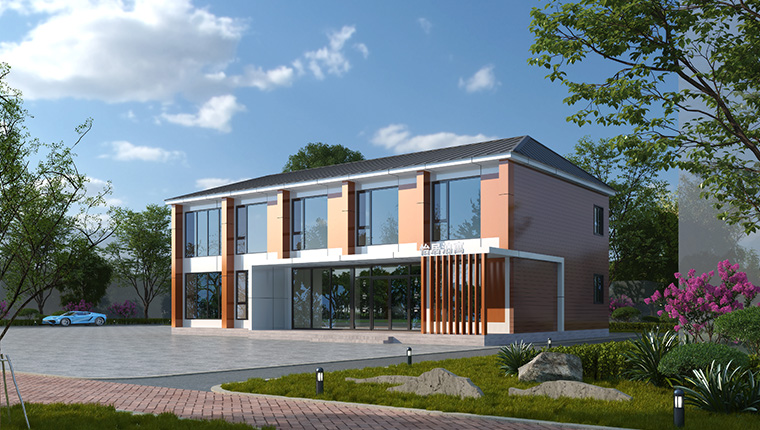
In this context, a customized light steel structure villa offers an attractive middle ground between temporary container houses and permanent concrete buildings. It delivers the comfort and aesthetics of a villa, with the speed and flexibility of modular construction.
In Middle Eastern and North African oil, gas, and infrastructure projects, daytime temperatures can be extremely high, with large diurnal temperature swings and frequent sand or dust storms. These conditions create several challenges for worker housing:
Intense solar radiation increases cooling loads and energy consumption.
Fine dust infiltrates traditional building envelopes and damages equipment.
Large temperature swings stress structural joints and finishes.
Light steel structure villas for these regions need high‑performance thermal insulation, optimized roof geometry, and integrated shading to cut cooling demand while keeping internal comfort stable.
In Central Asia and high‑latitude projects, winter temperatures can drop far below freezing, often accompanied by strong winds and heavy snow. Traditional masonry or reinforced concrete camps in such locations require long construction periods, complex foundations, and significant on‑site wet works.
Cold‑resistant modular systems designed for extreme low temperatures use enhanced insulation, airtight envelopes, and robust structural design for wind and snow loads. When combined with light steel villas for management and key personnel, these systems create an integrated camp that remains operational through severe winters.
In South American, African, and Southeast Asian infrastructure projects, heavy rain, high humidity, and biological growth (mold, mildew) pose major challenges. Poor building detailing quickly leads to water ingress, interior deterioration, and unhealthy indoor environments.
Light steel structure villas in these climates must be designed with:
Elevated floors and well‑drained foundations to avoid flooding.
Roofing systems with generous overhangs and efficient guttering.
Wall systems with moisture‑resistant materials and controlled ventilation.
Real camp projects in Latin America show how modular buildings, including light steel villas, can handle these conditions while maintaining a comfortable “home‑like” environment for workers.
Coastal resort and port projects face high salt content in the air, strong winds, and sometimes typhoon‑level storms. In such environments, unprotected steel and conventional finishes can corrode rapidly, driving up maintenance costs and shortening building lifespans.
Coastal light steel structure villas require enhanced anti‑corrosion coatings, optimized drainage, and carefully selected exterior finishes to extend service life and keep the façade attractive over time.
Modern engineering camps rely on modular worker housing systems because they:
Shorten construction time significantly compared to traditional buildings.
Reduce on‑site labor and wet trade work, which is critical in remote areas.
Allow large‑scale relocation or reconfiguration when a project moves to the next phase.
CDPH (Chengdong Modular House) has delivered more than one thousand modular camp projects in over one hundred countries, covering power stations, bridges, oil and gas projects, mining sites, and large‑scale infrastructure.
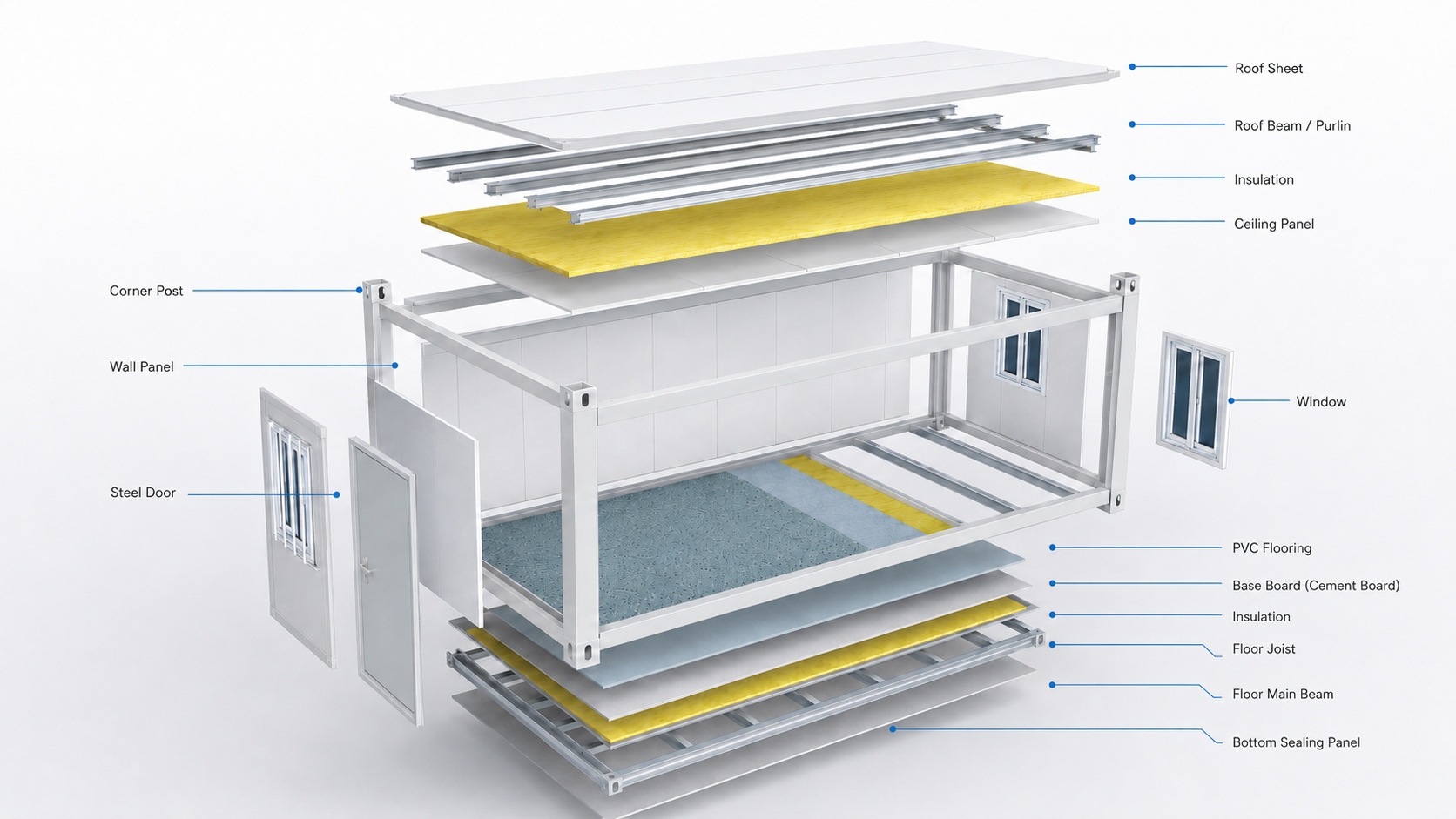
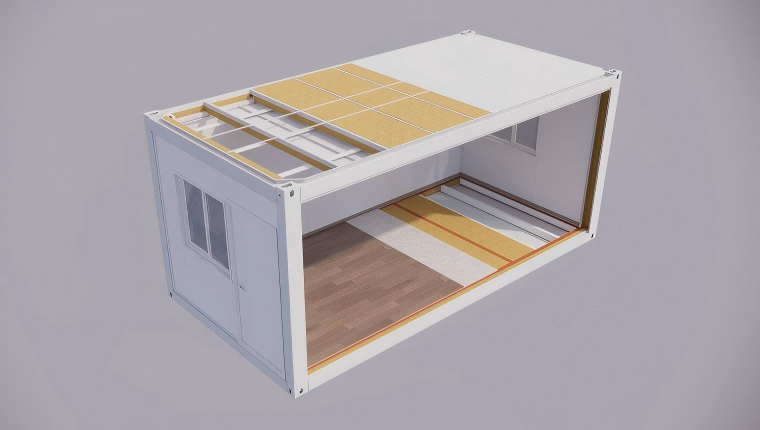
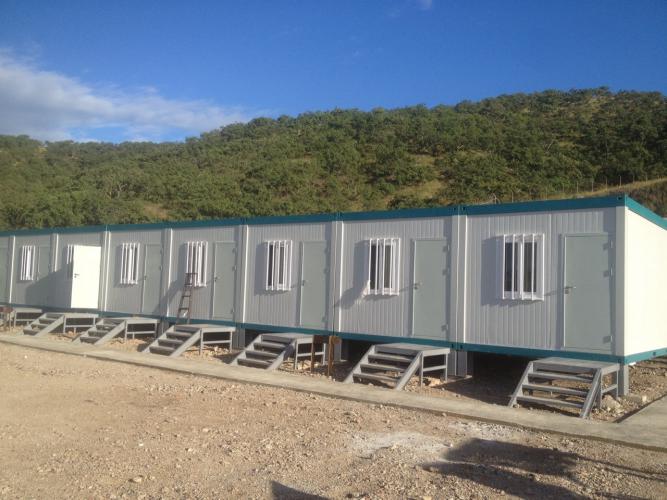
Within a typical modular camp, container houses are often used for standard dormitories, offices, and kitchens, while customized light steel structure villas are reserved for management housing, long‑term key staff, and high‑comfort areas.
To learn more about container house solutions for the rest of the camp, users can explore CDPH’s main product portfolio on the Chengdong Modular House homepage: https://www.cdph.net/
Compared with standard containers, a customized light steel structure villa offers:
Higher thermal and acoustic comfort, suitable for long stays or managerial staff.
More flexible floor plans, enabling suite‑style rooms, integrated living/dining areas, and private bathrooms.
Better façade design and architectural expression, helping the camp align with company image and local expectations.
This mix allows EPC contractors to optimize cost and comfort: container houses for large‑volume dormitories, and light steel villas for key personnel, client representatives, and supervisors.
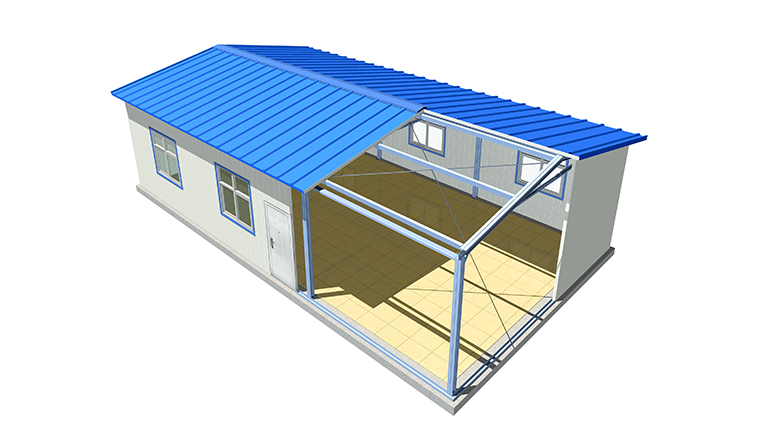
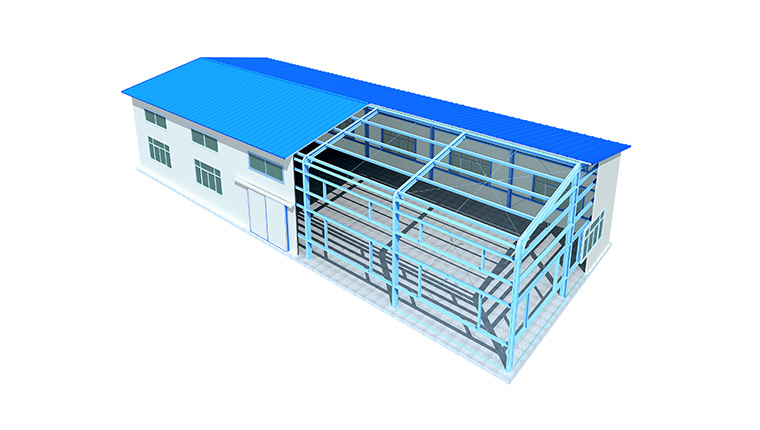
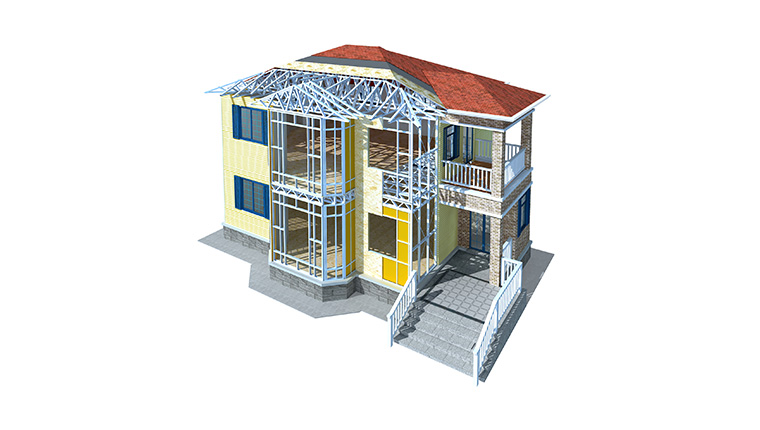
A customized light steel structure villa uses cold‑formed galvanized steel as the primary structural framework, combined with high‑performance wall and roof panels. This system offers:
High strength‑to‑weight ratio, allowing simpler foundations and faster erection.
Excellent seismic behavior thanks to lightweight, ductile framing.
Long service life with appropriate anti‑corrosion treatment, especially in coastal or high‑humidity zones.
CDPH’s light steel villas are engineered to comply with international standards and are supported by certified modular system components.
To view typical product specifications and application scenarios, you can visit the light steel villa product page: https://www.cdph.net/product-center/light-steel-villa
For occupational camps, energy consumption for heating and cooling is a major operational cost. Light steel villas are designed with:
Thick insulation layers in walls and roofs, often using high‑performance materials.
Careful detailing of thermal bridges to maintain low heat transfer coefficients.
Optional high‑performance windows and shading systems tailored to the specific climate.
In cold regions, this ensures comfortable indoor temperatures with reduced heating loads; in hot regions, it lowers cooling requirements and improves thermal stability.
One of the main advantages of a customized light steel structure villa is that interior layout and finishes can be designed to match project requirements and company standards. Typical configurations include:
Single or double suites with private bathrooms.
Small villas with separate bedroom, living area, and kitchenette for senior staff.
Clustered villas forming a courtyard‑style neighborhood within the camp, ideal for long‑term projects or family accommodation.
CDPH’s integrated “nine system” approach means that electrical, HVAC, water supply, fire protection, and low‑voltage systems are coordinated from the design stage, ensuring consistent quality and easy maintenance.
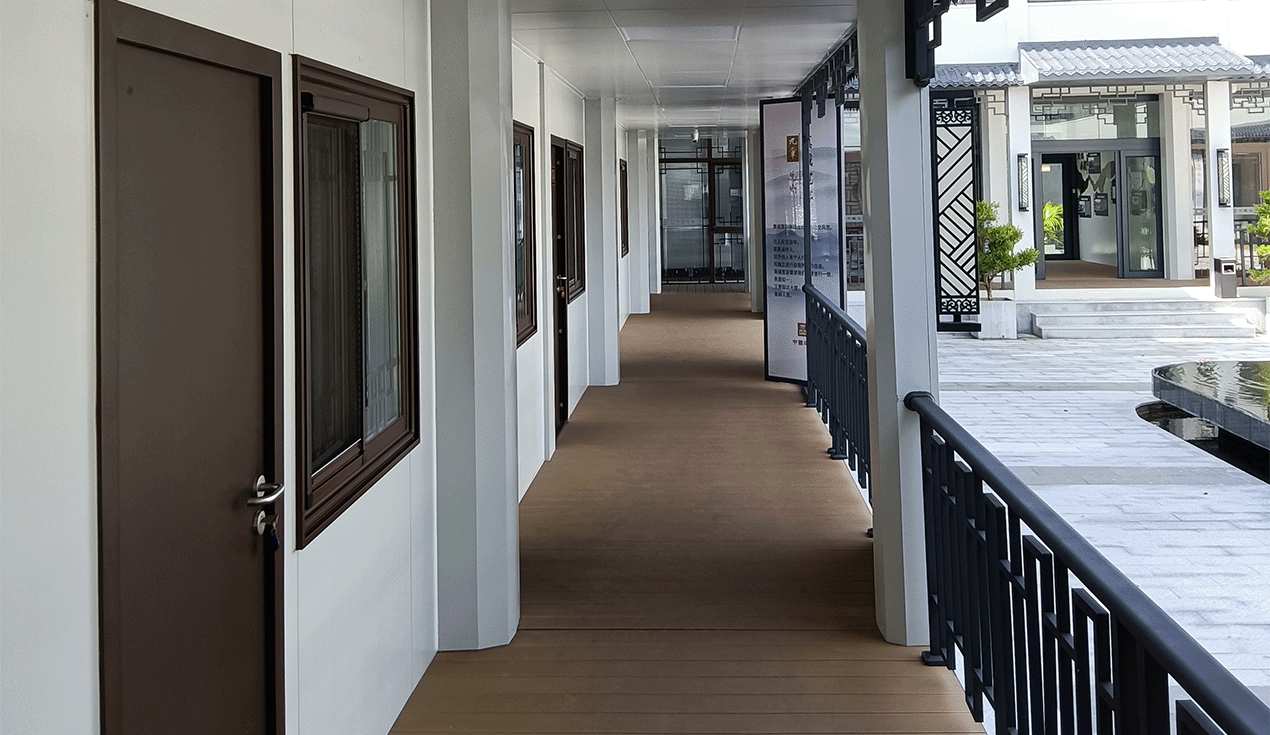
An illustrative example of CDPH’s ability to customize modular housing for comfort and aesthetics is the Box Cabin Imitation Courtyard Project. In this project, modular box cabins were arranged to create a courtyard‑style environment, delivering a semi‑permanent living area that combines privacy, communal outdoor space, and flexible interior decoration.
According to customer requirements, the layout and decoration style were fully customized at the design stage, showing how modular units can move beyond simple dormitory blocks to create high‑quality living spaces. This project confirms that modular technology can achieve villa‑like ambience when planning and detailing are handled by an experienced EPC camp specialist.
You can see this reference case here:https://www.cdph.net/case-center/167
Light steel structure villas become truly valuable when they are part of a cohesive EPC camp solution rather than stand‑alone buildings. CDPH offers:
Camp master planning adapted to topography, climate, and workforce structure.
Modular product selection across nine systems: building, water, power, weak current, fire protection, security, transport infrastructure, camp environment, and environmental protection.
Logistics, installation management, and operation guidance for global projects.
This one‑stop approach allows EPC contractors to treat the camp as a complete system: housing, offices, canteens, medical centers, warehouses, and recreation facilities are planned together, which reduces coordination risk and accelerates delivery.

Behind each customized light steel structure villa is a robust manufacturing base. CDPH operates three major factories in China, equipped with automated production lines for container houses, modular buildings, steel structures, and light steel villa systems.
These factories provide:
Large‑scale production capacity to support mega‑projects with thousands of beds.
Stable quality control with standardized processes and certifications.
Flexible product mix, enabling simultaneous production of container houses, light steel villas, and special modules.
Combined with a mature international logistics network and cooperation with strong local partners, this manufacturing platform allows CDPH to deliver modular camps efficiently across Asia, Africa, the Middle East, and Latin America.
In oilfield and mining projects, the workforce composition changes over time—exploration, construction, and production phases each have different staffing requirements. A rational housing mix usually includes:
Standard container dormitories for large numbers of workers.
Customized light steel structure villas for management, technical experts, and long‑term staff.
Supporting facilities such as canteens, recreational centers, clinics, and offices, all based on modular systems.
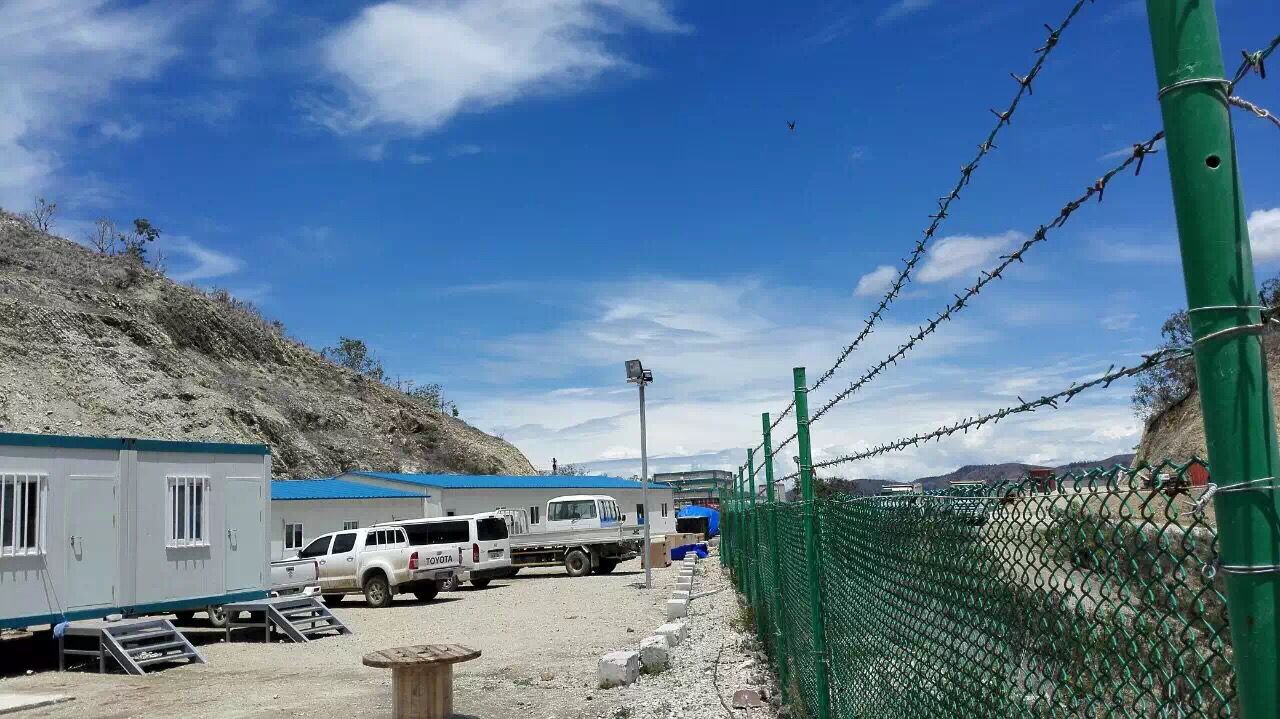
CDPH has delivered mining EPC camps where customized light steel villas are used to provide long‑life dormitories in remote tropical areas, with structural design and layout adapted to local regulations and client standards.
In large infrastructure projects such as railways, bridges, and power stations, camps must often be built in remote or climatically harsh locations and delivered within tight schedules. Light steel structure villas can serve as:
Project management offices with integrated meeting rooms and working spaces.
On‑site guesthouses for client representatives and inspectors.
Long‑term residential zones for core project staff who remain throughout the project lifecycle.
By combining fast‑installation container modules with high‑comfort villas, an EPC contractor can maintain both schedule and living standards.
In coastal resort developments or long‑term staff housing near ports and industrial zones, customized light steel structure villas allow developers to deliver resort‑like accommodations with:
Durable anti‑corrosion systems for frames and panels.
Architecturally expressive façades suitable for tourism or high‑end staff facilities.
Low maintenance requirements over long operating periods.
Here, the camp planning logic from industrial projects is applied to hospitality and staff housing scenarios, supporting scalable expansion as demand grows.
The process begins with collecting data on:
Temperature range, wind loads, snow or rainfall intensity, and corrosion category.
Topography, soil conditions, and access routes.
Regulatory requirements for safety, fire protection, and energy performance.
This information shapes structural design, envelope specification, and layout strategy for the light steel villas and other modular buildings.
CDPH’s planning team then develops a camp master plan that coordinates:
Zoning for accommodation, work, logistics, security, and recreation.
Road system, drainage, and external utilities.
Housing mix between container units and light steel villas based on workforce profile and project budget.
At this stage, the interior layouts of light steel villas are matched with user roles, ensuring that key staff benefit from enhanced privacy and comfort.
Once the plan and design are approved, detailed engineering for the light steel structure villas begins, including:
Structural calculations, panel specifications, and connection details.
Integration of MEP systems, fire protection, and low‑voltage networks.
Production then takes place in CDPH’s three domestic factories using standardized processes, CNC equipment, and strict quality inspections. This factory‑based approach ensures consistent quality and reduces on‑site rework.
Prefabricated modules and components are shipped in optimized packages, using international container logistics combined with local transportation arrangements. On site, CDPH’s installation teams or trained local partners assemble the light steel villas and container modules, connect utilities, and complete interior decoration under a unified project schedule.
Because most of the work is done in the factory, on‑site installation is significantly faster and less weather‑dependent than traditional construction, which is critical in regions with short construction seasons or harsh climates.
For EPC contractors, developers, and project owners considering a customized light steel structure villa solution inside a larger engineering camp, the next practical steps are:
Clarify climate conditions, regulatory context, and workforce composition for the site.
Decide how many high‑comfort units are required for management, specialists, and long‑term staff.
Engage an integrated modular camp supplier capable of delivering design, manufacturing, logistics, and on‑site services as a single package.
CDPH, trading globally as Chengdong Modular House, is positioned as an engineering camp expert with more than twenty years of experience, three domestic factories, certified systems, and a proven record in over one hundred countries.
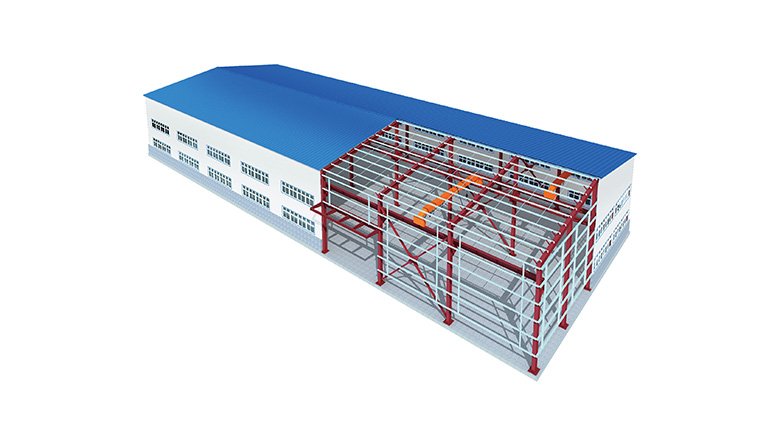
To explore modular camp products beyond customized light steel structure villas—such as container houses, prefab houses, and steel structures—users can visit the Chengdong Modular House product center:https://www.cdph.net/product-center
Scan the QR code to follow