
Blog
Release date:Jul 24, 2026
Share:
Light steel structure villas have become a key solution for semi-permanent and high-comfort housing in engineering camps, especially in regions with harsh climates and remote sites. Compared with traditional brick-concrete buildings, they offer similar comfort while allowing faster installation, better quality control, and easier relocation when project phases change.
For EPC (Engineering, Procurement, Construction) contractors and project owners, this combination of comfort and speed is crucial when they need to house engineers, managers, and key technical staff safely and efficiently on challenging projects worldwide. Light steel villas can also coexist with container houses and other prefab systems, creating a layered camp layout with different comfort levels for different user groups.
In many parts of Southeast Asia, such as Indonesia, mining and energy projects often take place in hot, humid, and rainy environments with complex terrain and limited local infrastructure. High annual rainfall, strong solar radiation, and frequent storms increase the risk of water ingress, mold, corrosion, and discomfort for workers living in traditional temporary shelters.
At the same time, project schedules are tight and workforce numbers fluctuate, so camps must be built quickly without sacrificing safety or long-term durability. In coastal or island locations, logistics constraints and high transport costs make it more important to choose prefabricated building systems that are compact during shipping and efficient during onsite assembly.
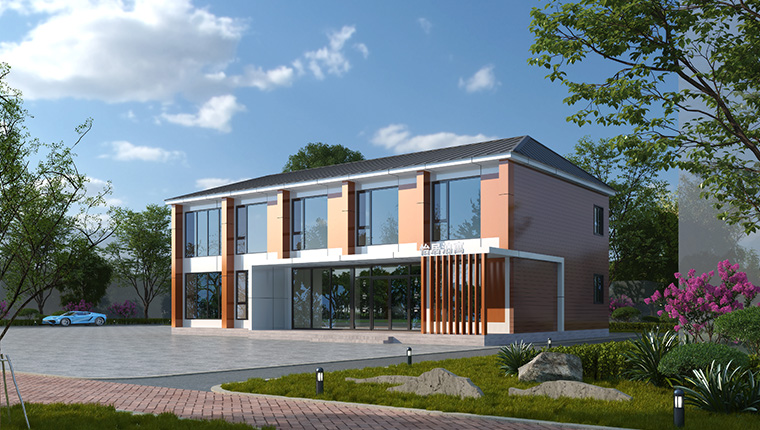
One representative example is CDPH’s light steel structure villa dormitory project for a mining company in Indonesia, where the camp needed to combine high comfort with fast construction. All buildings in this project adopted a light steel structure villa system, with an overall planned service life of up to 50 years and design parameters aligned with local safety and fire codes.
The camp layout included villa-type dormitories, canteens, and other living facilities, forming a modern workforce community that balanced work and rest for long-term mining operations. By adopting a modular design and industrialized production from CDPH’s factories in China, the camp achieved both rapid delivery and long-term stability in Indonesia’s tropical climate.
Within this context, you can explore more about this project and similar cases through CDPH’s case center, including the Box Cabin Imitation Courtyard Project, which further demonstrates modular design advantages in comfort-focused environments: https://www.cdph.net/case-center/167.
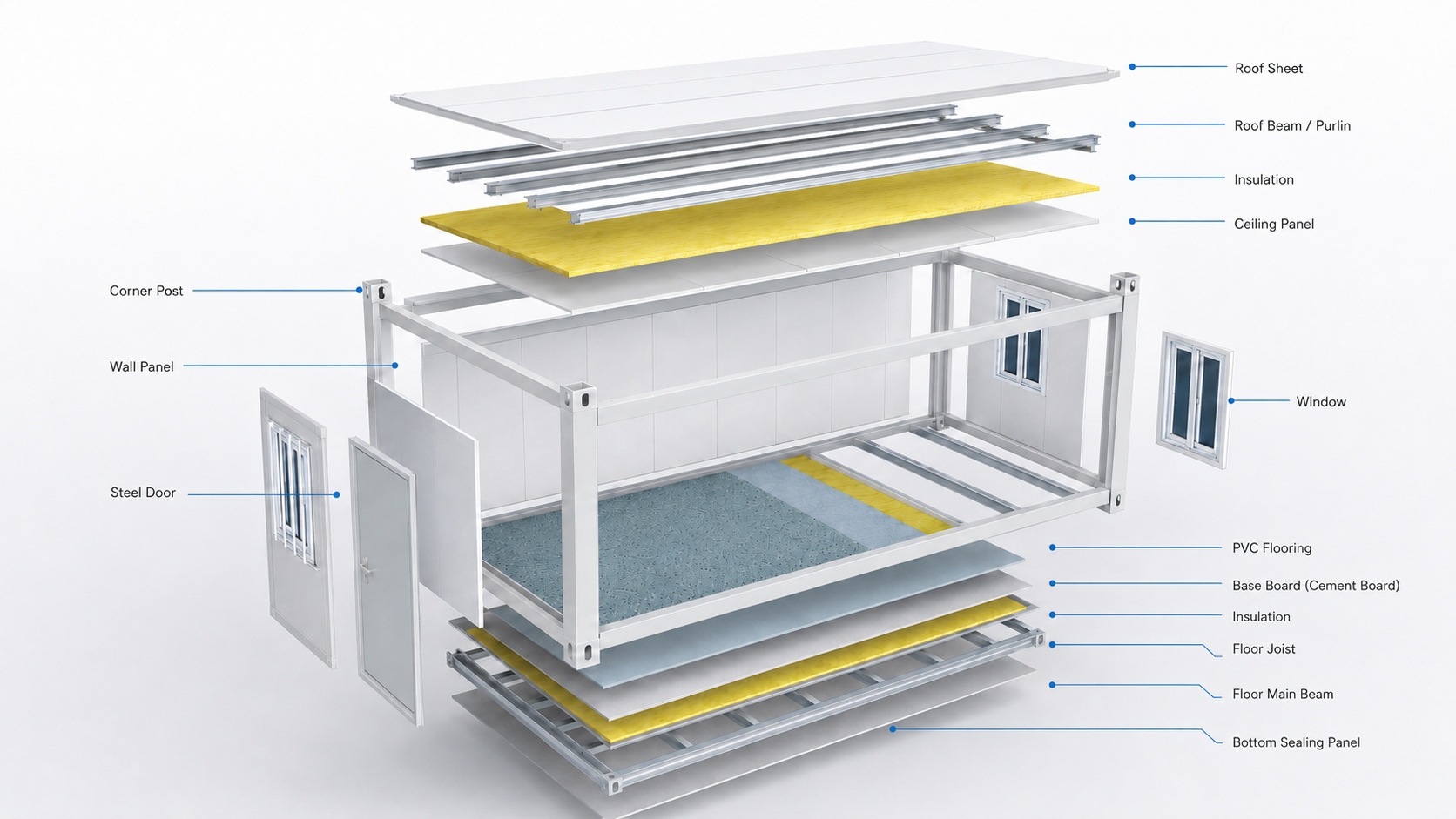
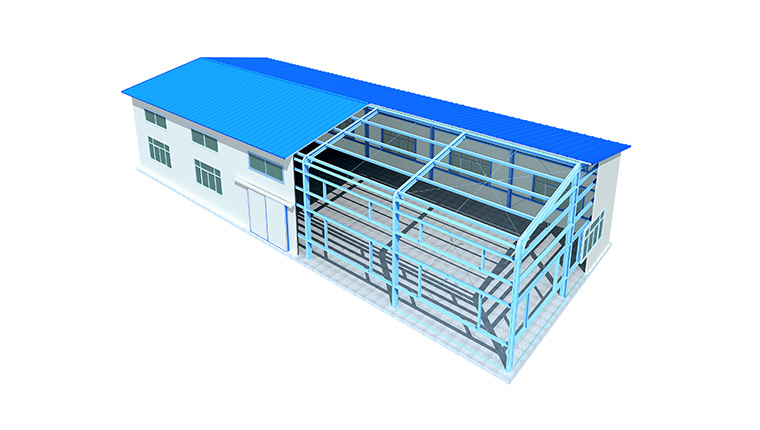
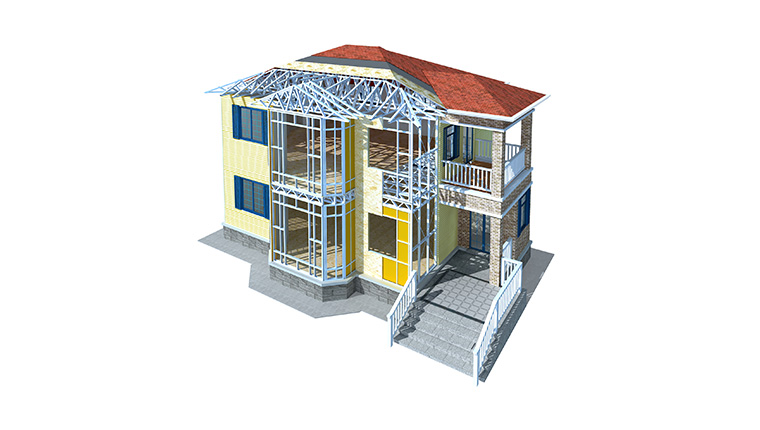
A light steel structure villa typically uses a galvanized light steel frame combined with modular floor, wall, and roof systems to form a semi-permanent building. The structure integrates insulation, waterproofing, and finishing layers into prefabricated components, which can be assembled quickly at the project site with minimal wet work.
Unlike simple site barracks, light steel villas are designed for long service life, often up to several decades, while maintaining residential-level comfort in terms of thermal performance, acoustics, and interior finishes. This makes them highly suitable for management housing, senior engineer dormitories, and high-standard living zones in EPC camps.
For projects in tropical, desert, plateau, or cold regions, light steel structure villas must adapt to different climate risks through targeted design and material choices.
Typical climate-ready design features include:
Optimized wall and roof insulation systems to handle both high heat and significant daily temperature differences.
Enhanced waterproofing and drainage details around the roof, exterior walls, and foundations to prevent leaks and moisture accumulation in high-rainfall regions.
Structural configurations that meet local wind, seismic, and fire-resistance requirements, ensuring safety under storms, earthquakes, and long-term use.
Integrated shading, ventilation, and air-conditioning strategies so that indoor comfort can be maintained with reasonable energy consumption.
CDPH has developed different climate configurations for its modular products—such as cold-resistant, plateau, Gobi, and desert systems—so that camps can be tailored to specific climate zones rather than relying on a single generic configuration.

In a modern EPC camp, light steel structure villas rarely stand alone; they usually work together with other modular buildings to form a complete camp system.
Typical product mix:
Light steel structure villas for management housing, high-comfort dormitories, and special residential facilities.
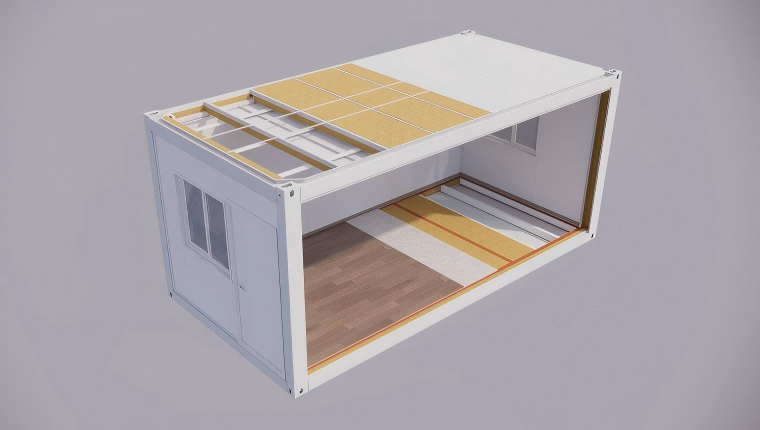
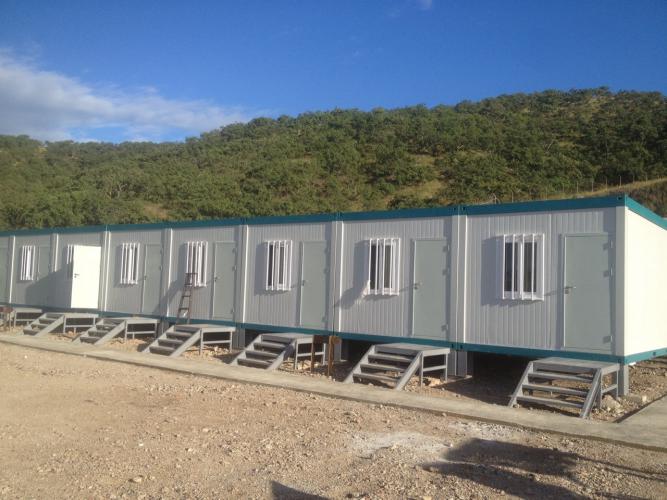
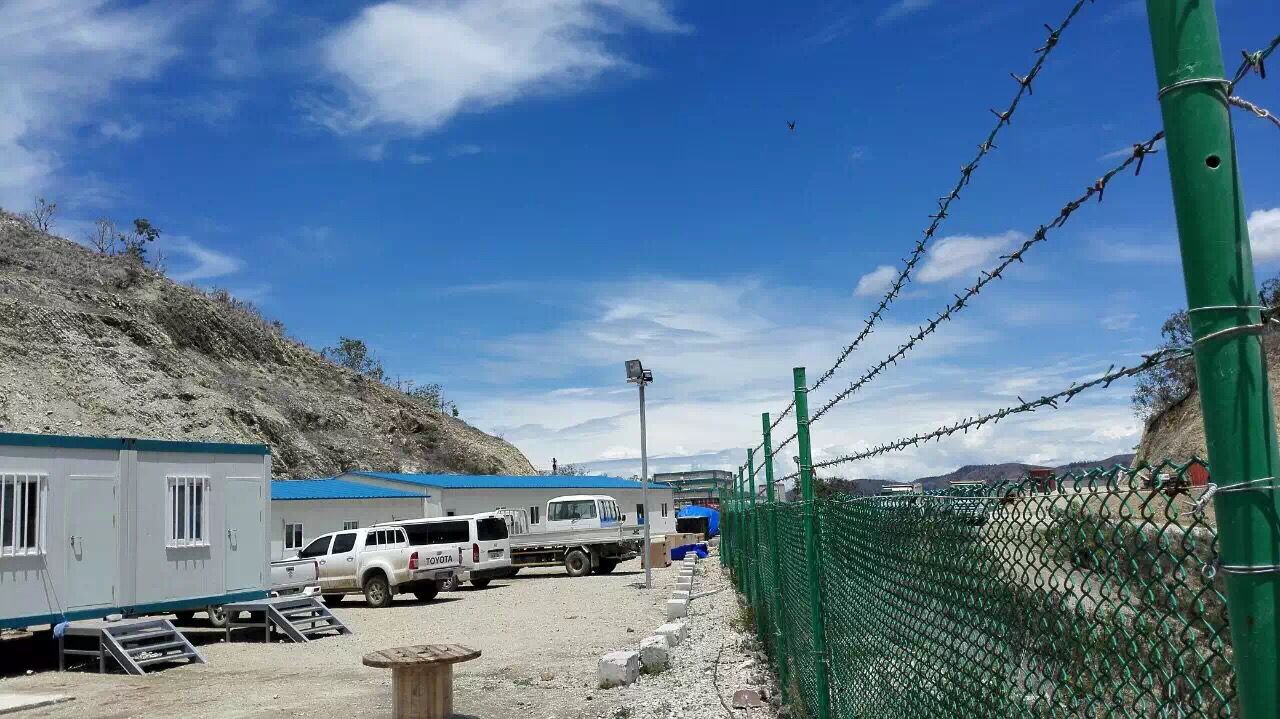
Container houses for large-scale worker dormitories, offices, canteens, clinics, and recreation buildings, emphasizing speed and flexibility.
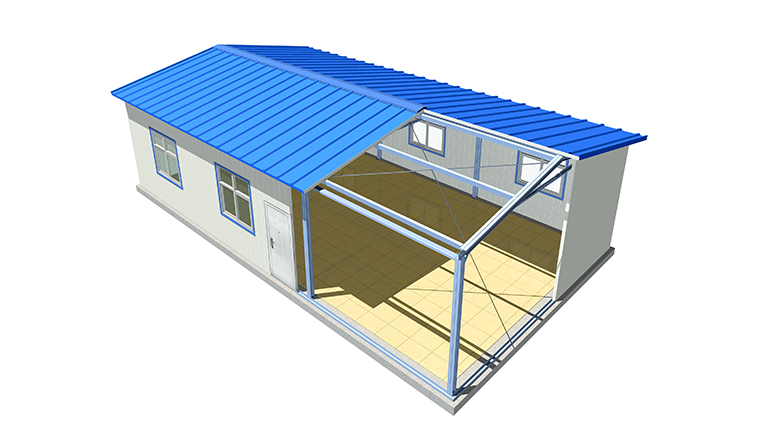
Large-panel prefab houses (such as K-type light steel frame houses) for economical labor camps and site offices, especially in Middle East and African projects.
This tiered approach allows EPC contractors to balance budget, comfort, and construction speed. Light steel villas provide an “upper tier” of comfort and service life, while container houses and prefab panels handle large volumes of standard accommodation and functional buildings.
To learn more about light steel villa products used in such combinations, you can refer to CDPH’s product page for light steel villas: https://www.cdph.net/product-center/light-steel-villa.
Beyond supplying individual buildings, CDPH positions itself as a global engineering camp solutions provider, offering integrated services from camp planning to commissioning. This includes layout design, detailed structural and MEP engineering, modular production, logistics planning, onsite installation guidance, and after-sales support.
By working as an EPC-capable partner on camps, CDPH can coordinate the entire lifecycle of a project, from early concept design through to final camp handover and potential relocation or expansion. This integrated approach is especially valuable for oil and gas, mining, infrastructure, and power projects in remote regions, where reliable housing is critical to project success.
You can also visit the CDPH homepage to understand the broader range of modular camp solutions that complement light steel structure villas: https://www.cdph.net.
One of CDPH’s core strengths in delivering light steel structure villas and modular camps is its manufacturing capacity built on three factories in China, which support large-scale global projects. These facilities are equipped for industrialized production of container houses, prefab houses, and light steel villas, ensuring consistent quality and efficient lead times.
With mature factory processes and quality management systems aligned with international standards, CDPH can handle multi-thousand-bed camps with complex product mixes while still meeting strict delivery schedules. This manufacturing backbone also supports customization, such as tailored floor plans, façade treatments, and branded interiors for different clients and sectors.
The Box Cabin Imitation Courtyard Project showcased in CDPH’s case center demonstrates how modular systems can create comfortable, aesthetically pleasing living environments. The project uses modular box cabins arranged as an imitation courtyard, delivering advantages such as earthquake resistance, wind resistance, fire resistance, thermal insulation, and short construction period.
Although different from light steel structure villas in structural details, this project shows how modular design can be used to build distinctive living spaces that align with cultural or tourism requirements. The same design philosophy—modularization, quick assembly, and integrated performance—also underpins CDPH’s light steel villa solutions in engineering camps.
For more information and design ideas, you can visit the specific case page: https://www.cdph.net/case-center/167.
For owners and EPC contractors, adopting light steel structure villas within a camp brings multiple benefits across technical, operational, and financial dimensions. Some key advantages include:
Long service life and stable performance under demanding climate and load conditions, making them suitable for multi-phase projects that run for decades.
High level of comfort and aesthetics, improving worker satisfaction and retention, especially for management and specialist staff.
Industrialized production and modular installation, which reduce onsite construction time, labor dependency, and quality variations.
Flexibility in layout and future expansion, as modules can be added, reconfigured, or even relocated based on evolving project needs.
These advantages align with the broader trend of using prefabricated modular solutions to improve safety, sustainability, and cost control in global camp construction.
Light steel structure villa solutions can be adapted to a wide range of geographic and sectoral contexts worldwide. Some typical application scenarios include:
Southeast Asia (e.g., Indonesia): Mining and energy projects in hot, humid, and rainy environments, requiring long-term camps with high-comfort dormitories for management.
Middle East: Oil and gas or infrastructure camps in hot, arid climates with sandstorms, where villas and container houses must resist high temperatures and wind loads.
Central Asia and high-altitude regions: Camps exposed to cold temperatures and significant temperature differences, demanding enhanced thermal insulation and structural robustness.
African coastal and inland projects: Multi-climate environments where camps must be standardized yet adaptable to local conditions, using a mix of villas, container houses, and prefab panels.
Across these regions, CDPH combines its product systems with local project experience, helping clients align camp design with local regulations, logistics realities, and workforce preferences.
When an EPC camp project involves light steel structure villas, CDPH generally follows a structured process that helps control risk and ensure timely delivery. A simplified process might include:
Needs and site assessment
Analyze site climate data, geotechnical conditions, regulations, and client functional requirements (room types, capacities, support facilities).
Conceptual layout and product mix
Define the camp master plan, deciding where light steel villas, container houses, and prefab buildings will be placed and how people and services will flow.
Detailed design and engineering
Finalize structural design, envelope specifications, MEP systems, and interior layouts, ensuring compliance with local codes and project standards.
Factory production and quality control
Manufacture steel frames, panels, and modules in CDPH’s three factories, performing dimensional checks, material tests, and prefabrication inspections.
Logistics and onsite installation
Plan shipping routes and sequences, coordinate with local partners, and deploy experienced supervisors to guide local crews for efficient installation.
Commissioning and after-sales support
Support functional tests, provide O&M guidelines, and offer technical assistance for future modifications, expansions, or relocations.
This end-to-end service helps clients reduce coordination costs, particularly in remote or cross-border projects, where an integrated camp partner can significantly de-risk the housing part of the project.
Scan the QR code to follow