
Tel / Whatsapp:+86 18001125785

Email:chengdong@cdph.com.cn

INQUIRY→

Home/

News/

Blog/

Advantages of Steel Structures for Modern Construction/

Advantages of Steel Structures for Modern Construction

Blog

Release date:May 08, 2026

Share:

Steel structures have become a preferred solution for modern industrial, commercial, and modular building projects because they combine high structural performance with speed, flexibility, and long‑term value. Compared with traditional materials such as reinforced concrete or wood, structural steel offers superior strength‑to‑weight ratio, faster construction, better design freedom, and strong sustainability credentials, making it ideal for both temporary and permanent facilities.


  1. Superior strength and durability


One of the most important advantages of steel structures is their exceptional strength‑to‑weight ratio. Steel members can carry heavy loads while remaining significantly lighter than concrete or masonry, which reduces demands on foundations and overall structural systems. This high strength allows engineers to design long spans, wide clear spaces, and multi‑story buildings without massive columns or walls.

Durability is another major benefit: when properly protected, steel structures can withstand harsh environments such as coastal regions, deserts, or cold climates for decades. Modern steel structures often use hot‑dip galvanized components to resist corrosion, providing 20–50 years of protection depending on environmental conditions, and greatly reducing the risk of rust‑related damage.

In seismic zones, steel’s combination of strength and controlled flexibility helps structures dissipate energy and reduce the risk of collapse during earthquakes. Because steel frames weigh less than comparable concrete systems, they experience lower inertial forces during shaking, which improves safety and performance in earthquake‑prone regions.


advantages of steel structures


  1. Faster construction and installation


Speed of construction is one of the clearest advantages of steel structures compared with traditional building methods. Most structural steel components are prefabricated off‑site in controlled factory conditions, then transported to the project site for rapid assembly using bolted or welded connections. This approach shortens the overall construction schedule, reduces on‑site labor demands, and makes it easier to manage congested or remote job sites.

Because steel frames reach full strength as soon as they are erected, follow‑on trades can start work earlier compared with concrete, which requires curing time before loading. For projects such as engineering camps, modular housing, schools, and emergency facilities, this faster build‑out translates directly into earlier operation and revenue or earlier delivery of critical services.

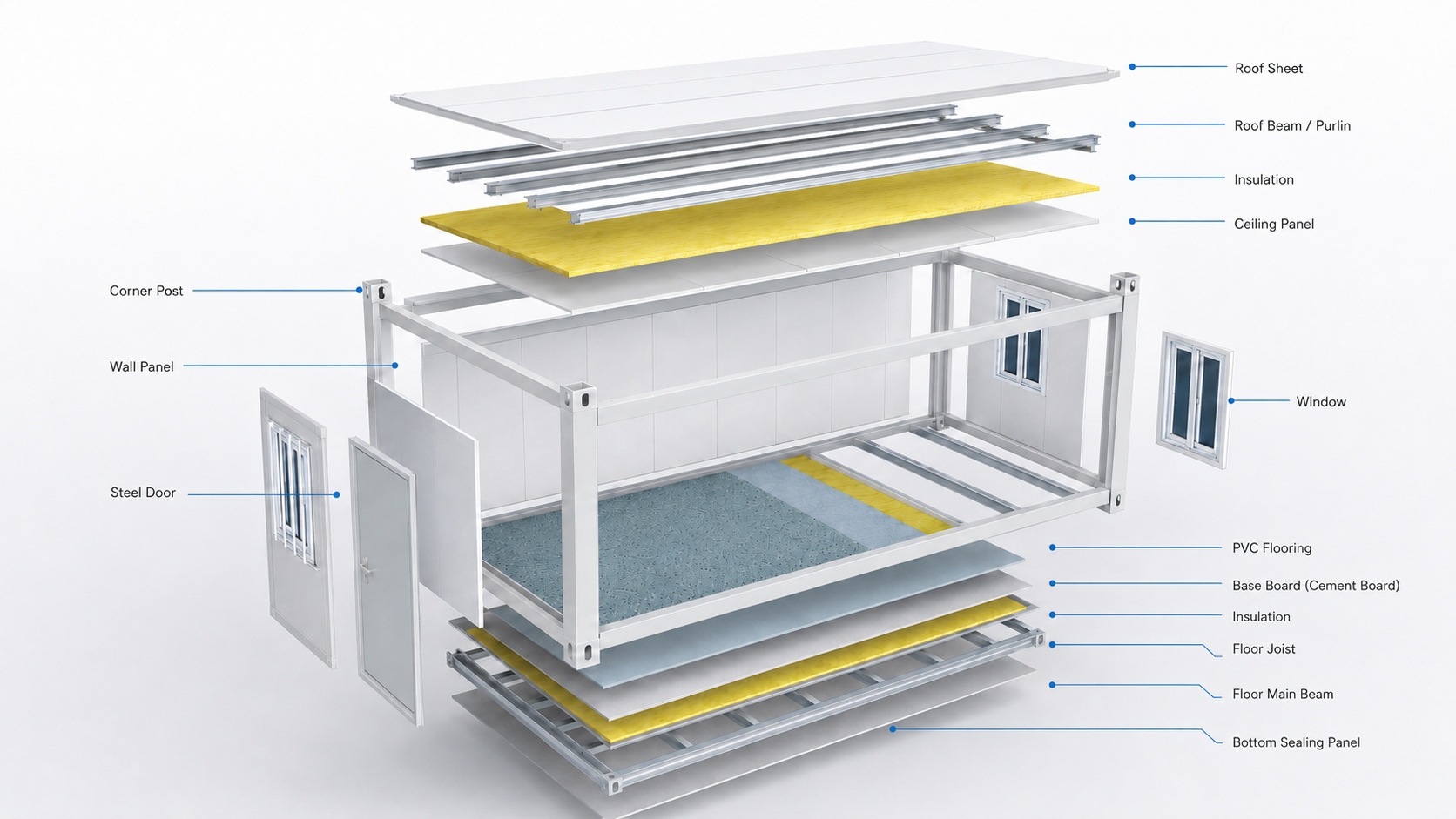
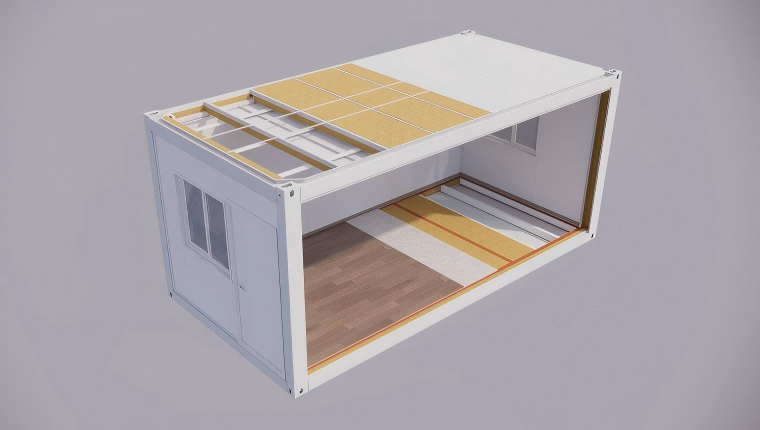
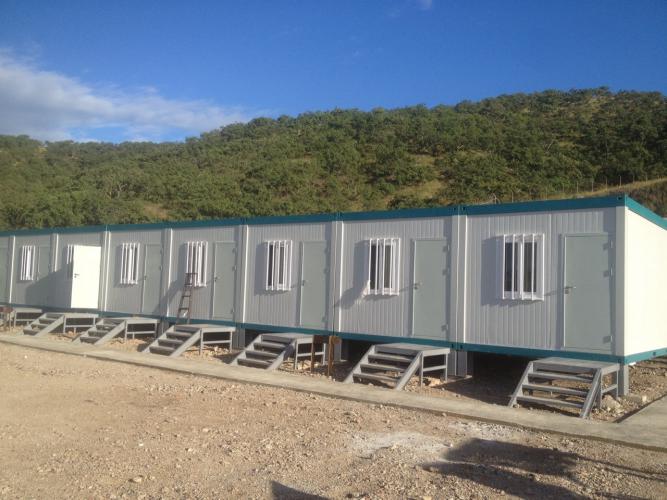
Prefabricated steel modules are especially valuable in modular housing and camp projects, where wall, roof, and floor units can be assembled like building blocks on site. This method minimizes weather‑related delays, improves quality control, and allows for parallel off‑site manufacturing and on‑site groundwork, further compressing project timelines.


  1. Design flexibility and space optimization


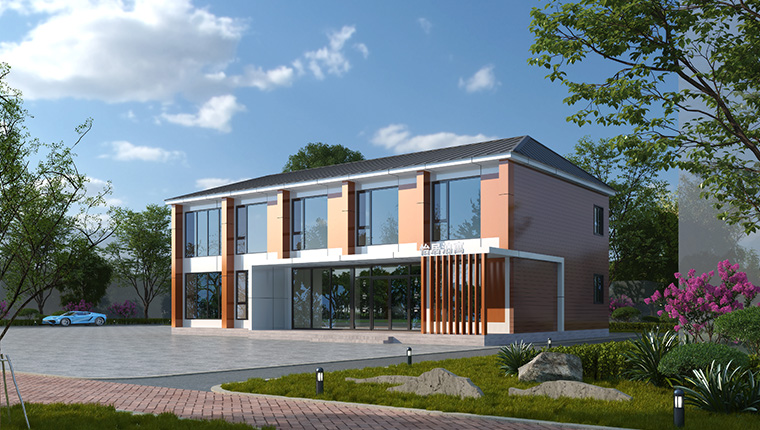
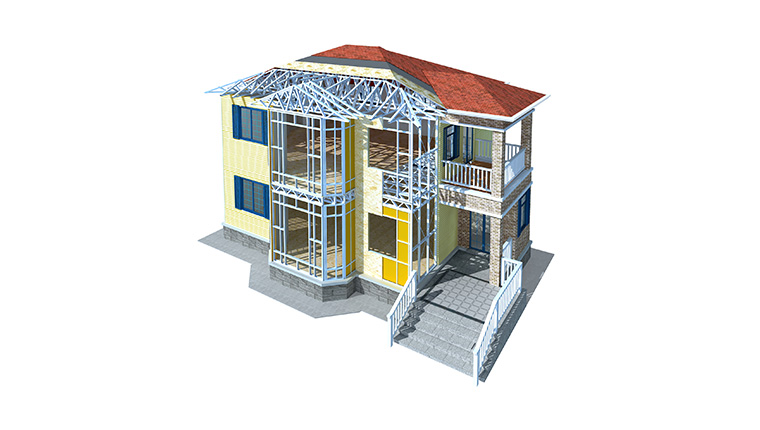
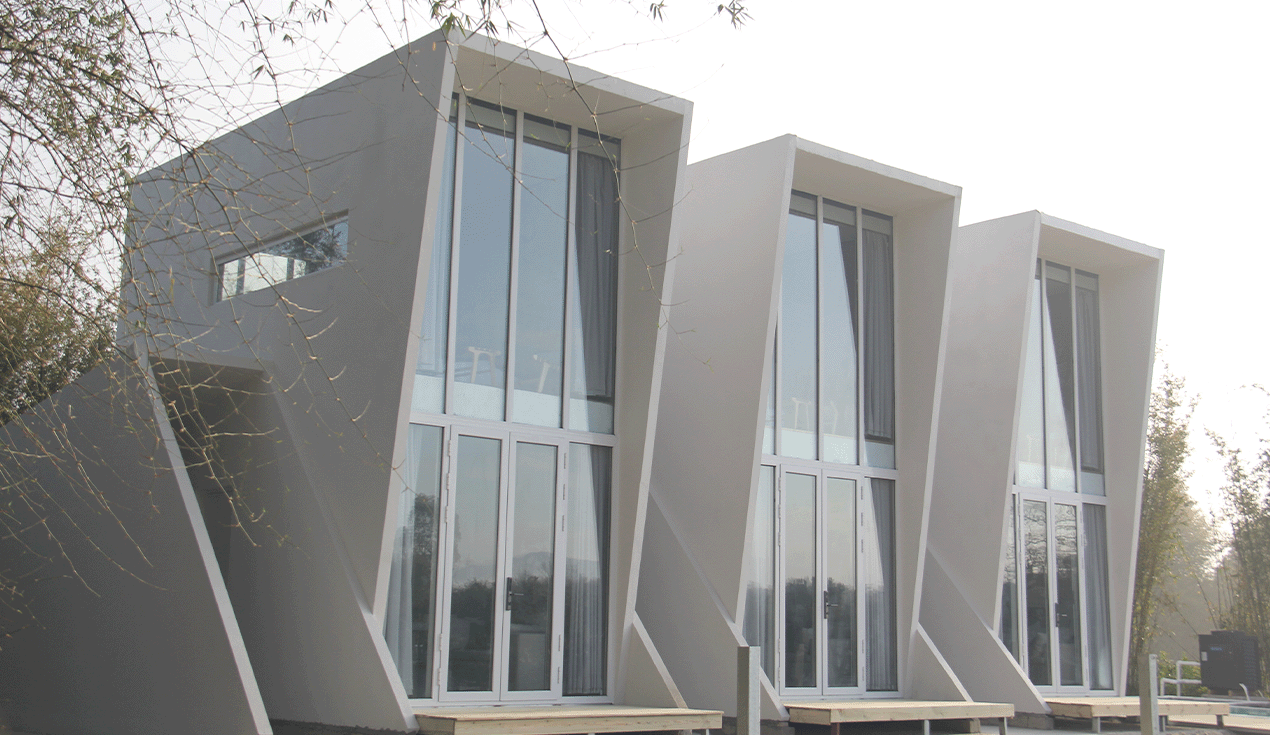
Steel’s versatility makes it an excellent choice for architects and engineers who need both performance and design freedom. Steel can be cut, curved, and assembled into a wide range of structural systems, from light steel frames for villas to long‑span trusses for warehouses and production halls.

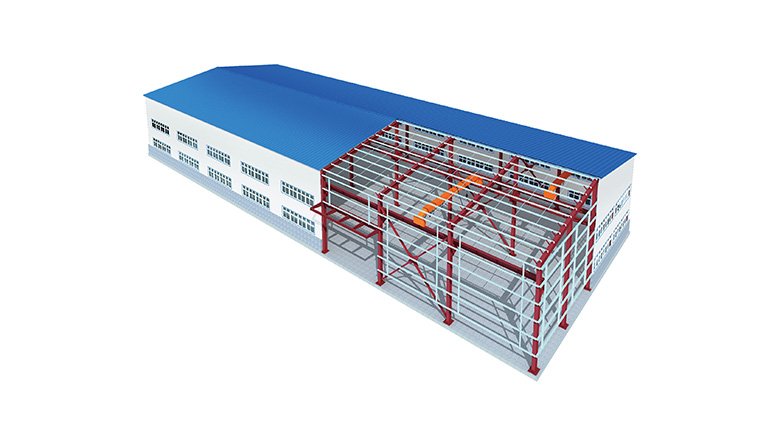
One key advantage is the ability to create large, column‑free spaces that improve functionality in industrial plants, warehouses, sports facilities, and open‑plan offices. With high‑strength steel beams and girders, designers can increase spans and floor‑to‑ceiling heights while maintaining structural efficiency, which is much harder to achieve using traditional masonry or concrete systems.

For modular and camp projects, steel structures support flexible layouts that can be reconfigured over time as operational needs change. Buildings can be expanded, re‑partitioned, or connected to new units with relative ease, allowing owners to adapt facilities to new workflows, staff levels, or equipment without starting from scratch.


Key advantages compared with other systems


AspectSteel structuresTraditional masonry / concreteWood structures
Structural strengthHigh strength‑to‑weight ratio; long spans; seismic performanceStrong in compression but heavy; higher seismic forcesLimited spans; greater deformation under load
Construction speedPrefabricated; rapid on‑site assemblySlower; curing time; more wet tradesFaster than masonry, slower and less industrialized than steel
MaintenanceLow; corrosion‑protected, no rot or termitesModerate; cracking, spalling, repairs over timeHigh; rot, termites, warping, repainting
Fire performanceNon‑combustible; predictable under fireNon‑combustible but may spall; heavy repair after high heatCombustible; requires heavy fire protection
SustainabilityHighly recyclable; efficient use of materialsPartially recyclable; high embodied energyRenewable but often shorter lifespan and higher maintenance
Flexibility / reuseEasy to expand, modify, and relocate modulesDifficult to modify structure; rarely relocatableSome flexibility, but sensitive to moisture and pests


  1. Cost‑effectiveness and lifecycle savings


While the initial material cost of structural steel may sometimes be similar to or higher than alternative materials, total project cost and lifecycle cost often favor steel. Prefabrication, rapid erection, and reduced on‑site labor can significantly cut construction time, which lowers labor, equipment rental, and indirect project overheads. For large‑scale facilities or remote projects, even small schedule reductions can translate into substantial financial savings.

Steel structures also have lower long‑term maintenance requirements than many conventional systems. Properly coated steel is resistant to rot, termites, and mold, issues that frequently affect wood and can result in costly repairs or early replacement. Because steel buildings maintain structural performance over decades, owners benefit from fewer disruptions, lower repair budgets, and better predictability of operating costs.

From a lifecycle perspective, steel structures offer strong residual value at end of use. Modular steel components can be relocated and reused on new sites, and even when a building reaches the end of its service life, the steel itself has salvage value because it can be recycled into new products. This combination of operational savings and recoverable value helps steel structures deliver attractive total cost of ownership.


  1. Fire, wind, and pest resistance


Safety and resilience are central reasons many developers choose steel structures for critical facilities such as warehouses, schools, and industrial plants. Steel is non‑combustible, which means it does not ignite or provide fuel during a fire, and its structural behavior under high temperature is well studied and predictable. With appropriate fire‑resistant coatings and assemblies, steel buildings can maintain stability for extended periods in fire conditions, giving occupants more time to evacuate and responders more time to control the incident.

Steel structures also perform well under extreme weather, including high winds and heavy snow loads. Properly engineered steel frames can handle hurricane‑force winds and heavy precipitation, making them suitable for coastal or open‑terrain sites where wind pressures are severe. In addition, steel is immune to damage from termites and other pests, which are a major concern for wooden buildings in many climates and can compromise both safety and appearance over time.

Because steel does not absorb moisture and does not rot, it helps maintain structural integrity and indoor air quality in humid or wet environments. This resistance to biological and moisture‑related degradation further reduces the need for repair, replacement, and chemical treatments for pest control.


  1. Sustainability and environmental performance


Sustainability has become a key decision factor in construction, and steel structures offer several important environmental advantages. Steel is one of the most recycled materials in the world, and structural steel can often contain a significant proportion of recycled content while remaining fully recyclable at the end of the building’s life. This promotes circular use of resources and reduces the demand for virgin raw materials.

Off‑site prefabrication of steel components generates less waste and allows more efficient use of materials than conventional on‑site construction. In modular projects, precise factory production and optimized cutting patterns mean that scrap is minimized and can be easily recycled back into the steel supply chain. The result is a cleaner job site, lower disposal volumes, and reduced environmental impact during construction.

Steel structures also support energy‑efficient designs when combined with modern insulation systems and building envelopes. For example, insulated panel systems installed on steel frames can reduce heat transfer, helping building owners cut heating and cooling energy consumption. When combined with renewable energy systems and smart building controls, steel‑framed buildings can play a strong role in meeting modern green building standards and corporate sustainability targets.


  1. Practical applications across sectors


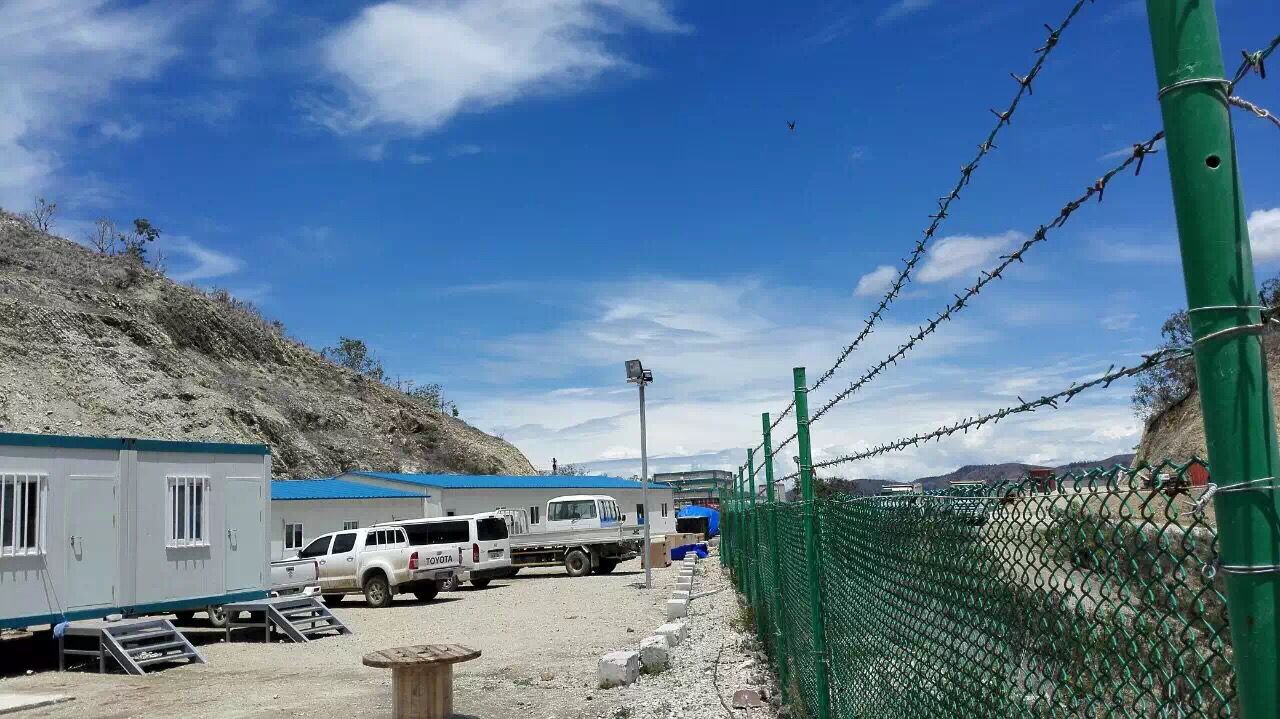
Because of these combined advantages, steel structures are widely used across a diverse range of sectors, from industrial and logistics to education and modular housing. In engineering camps, oil and gas field facilities, and mining sites, steel structures allow fast deployment of robust accommodations, offices, warehouses, and workshops that can withstand harsh climates and demanding operations.

In the education sector, steel structures help schools expand capacity quickly with safe, durable buildings that meet strict safety and fire standards while minimizing maintenance budgets over the long term. In commercial and industrial projects, steel frames create flexible layouts that support process changes, equipment upgrades, and future expansion with minimal disruption.

For modular and temporary facilities, steel structures are particularly advantageous because they can be dismantled, relocated, and reused multiple times. This makes them ideal for temporary camps, relief housing, and project‑based infrastructure where long‑term land use may change or where assets need to be redeployed to new locations.


Related articles

whatsapp.png
+86 18001125785
zongubimgfz3.svg
chengdong@cdph.com.cn

Scan the QR code to follow